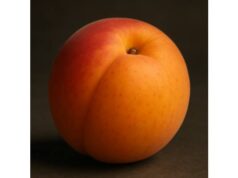
Peaches deliver summertime flavor with everyday practicality. A ripe peach is mostly water, light in calories, and rich in vitamin C, potassium, and protective plant pigments. Its gentle sweetness and tender skin make it easy to eat fresh, while its firm flesh stands up to grilling, roasting, blending, and baking. You will find dozens of cultivars—yellow and white, freestone and clingstone—each with distinct aroma and juiciness. Beyond taste, peaches contribute fiber for digestive health and pectin that helps keep you fuller for longer. If fresh fruit is out of season, quality canned (in water or juice) and frozen options extend availability without much work. People with pollen-related fruit allergies or those following a low-FODMAP phase may need specific guidance, and everyone should avoid chewing the pit. This guide explains how peaches support health, what a 100-gram portion actually provides, how to choose and store them, and the safest, most flavorful ways to prepare them—so you can enjoy peaches with confidence year-round.
Top Highlights
- One medium peach (≈150 g) offers vitamin C, potassium, and fiber with about 60 kcal.
- Pectin and polyphenols in peaches support digestion and overall diet quality.
- Typical serving: 1 medium (150 g), enjoyed daily as part of a balanced diet.
- Safety note: do not eat pits; stone-fruit kernels can release cyanide when crushed.
- Limit or avoid if you have lipid-transfer-protein (LTP)–mediated peach allergy or severe pollen-food allergy syndrome.
Table of Contents
- Peach: Detailed Overview
- Peach Nutrition Profile
- Peach Health Benefits: What Studies Show
- Peach Risks, Allergies and Interactions
- Selecting Quality, Sustainability and Storage
- Preparation, Cooking and Nutrient Retention
- Portions, Comparisons and FAQs
Peach: Detailed Overview
Peach (Prunus persica) is a stone fruit in the rose family, related to apricots, nectarines, cherries, and plums. It originated in Asia and thrives in temperate climates around the world. The fleshy exterior (edible skin plus juicy mesocarp) encloses a hard pit that protects the seed. Commercial types are usually described as freestone (pit releases easily, great for slicing) or clingstone (pit clings to flesh, often used for canning). Flesh color varies by cultivar: yellow peaches tend to taste tangier with more carotenoids, while white peaches are often lower in acid and taste sweeter at the same sugar level.
From a culinary standpoint, peaches are flexible. Firm-ripe fruit holds shape in salads, salsas, and on the grill. Fully ripe fruit blends smoothly into smoothies, compotes, and quick desserts. Frozen slices are excellent for year-round smoothies or cobblers. Canned peaches can be convenient; choosing options packed in water or juice keeps added sugars down. Dried peaches concentrate energy and sugar and are best used in small amounts.
Nutrition-wise, peaches are low in calories and high in water, with fiber (including pectin), vitamin C, potassium, and modest amounts of vitamin A activity from carotenoids. They’re a good option for snackers who want volume without heaviness. Their glycemic impact is generally modest when eaten whole, thanks to fiber and water.
A few cautions matter. Some people with birch, grass, or cypress pollen allergies experience oral symptoms when eating raw peaches. Others—particularly around the Mediterranean—may react more strongly due to sensitivity to a peach lipid transfer protein (LTP). Cooking often reduces mild pollen-related reactions but does not prevent LTP-mediated reactions. Also, the pit must not be eaten: crushed stone-fruit kernels can release cyanide.
Practical takeaway: keep ripe peaches visible on the counter (and then refrigerate to hold peak ripeness), pair them with yogurt or a handful of nuts for balance, and use herbs like basil, mint, or rosemary to highlight their aroma.
Peach Nutrition Profile
Serving context: Values below are for raw peach, per 100 g (about two-thirds of a medium fruit). Percent Daily Values (%DV) use common adult reference DVs (e.g., fiber 28 g; potassium 4700 mg; vitamin C 90 mg; calcium 1300 mg; iron 18 mg; vitamin A 900 µg RAE; vitamin E 15 mg; vitamin K 120 µg).
Macros and Electrolytes (per 100 g)
| Nutrient | Amount | %DV |
|---|---|---|
| Energy | 39 kcal | — |
| Water | ~89 g | — |
| Protein | 0.91 g | 2% |
| Total fat | 0.25 g | 0% |
| Carbohydrate | 9.54 g | 3% |
| Dietary fiber | 1.5 g | 5% |
| Total sugars | 8.39 g | — |
| Potassium | 190 mg | 4% |
| Sodium | 0 mg | 0% |
Carbohydrates (per 100 g)
| Component | Amount |
|---|---|
| Sugars (total) | 8.39 g |
| — Sucrose | ~4.7 g |
| — Glucose | ~1.9 g |
| — Fructose | ~1.8 g |
| Starch | 0 g |
Fats and Fatty Acids (per 100 g)
| Component | Amount |
|---|---|
| Saturated fat | 0.02 g |
| Monounsaturated fat | 0.07 g |
| Polyunsaturated fat | 0.09 g |
| Omega-3 (ALA) | ~0.003 g |
| Omega-6 (linoleic) | ~0.13 g |
Vitamins (per 100 g)
| Vitamin | Amount | %DV |
|---|---|---|
| Vitamin C (ascorbic acid) | 6.6 mg | 7% |
| Vitamin A (RAE) | 16 µg | 2% |
| Vitamin E (alpha-tocopherol) | ~0.7 mg | 5% |
| Vitamin K | ~2.6 µg | 2% |
| Niacin (B3) | ~0.8 mg | 5% |
| Folate (DFE) | ~4–6 µg | 1% |
Minerals (per 100 g)
| Mineral | Amount | %DV |
|---|---|---|
| Calcium | 6 mg | 0% |
| Iron | 0.25 mg | 1% |
| Magnesium | ~9 mg | 2% |
| Phosphorus | ~20 mg | 2% |
| Zinc | ~0.17 mg | 2% |
Bioactives / Phytonutrients
| Compound (typical) | Amount per 100 g | Notes |
|---|---|---|
| β-carotene | ~160–170 µg | Vitamin A precursor; higher in yellow peaches |
| Lutein + zeaxanthin | ~90 µg | Eye-supporting carotenoids |
| Polyphenols (chlorogenic acids, flavan-3-ols) | variable | Concentration differs by cultivar and ripeness |
Fortification & Additives Note
Fresh peaches are not fortified. Canned peaches may include added sugars if packed in syrup. Dried (sulfured) peaches can contain sulfites (labeled) to preserve color.
Glycemic and Acid–Base
Whole peaches have a low energy density and a modest glycemic effect when eaten with the skin; pairing with protein or fat further tempers blood sugar response.
Peach Health Benefits: What Studies Show
Supports overall diet quality and hydration. A peach is almost 90% water, so it adds volume and refreshment without many calories. For people trying to replace highly processed snacks, a whole peach offers natural sweetness plus fiber, improving satiety and overall dietary pattern.
Digestive support from fiber and pectin. Peaches provide soluble fiber, including pectin. Pectin helps soften stool, supports beneficial gut microbes, and produces short-chain fatty acids (SCFAs) that contribute to intestinal barrier integrity and immune balance. Diets that regularly include pectin-rich fruits are linked with improved bowel regularity and a more resilient gut environment.
Vitamin C for immune and skin support. Peaches supply vitamin C that contributes to collagen formation (skin, cartilage, blood vessels) and supports immune cell function. While not a megadose source, a peach is a useful daily contributor—especially for those who prefer whole foods over supplements.
Potassium for blood pressure balance. Potassium helps counterbalance sodium’s effect on blood pressure by modulating vascular tone and aiding fluid balance. A 100-gram serving of peach provides a meaningful but moderate amount; the key is consistency, combining peaches with other potassium-rich foods (beans, leafy greens, potatoes) within an overall balanced diet.
Carotenoids and polyphenols for antioxidant capacity. Yellow peaches contain β-carotene and lutein/zeaxanthin. These pigments help neutralize reactive oxygen species and may support eye and skin health. Polyphenols (like chlorogenic acids) add to antioxidant and anti-inflammatory potential. Processing changes the profile: gentle heating can increase carotenoid bioavailability, while vitamin C is heat-sensitive.
Weight-management friendly. Because peaches are water-rich, fiber-containing, and reasonably sweet, they can replace higher-calorie desserts and provide “bulk” that helps control portions. A practical habit is to pair a peach with Greek yogurt or a handful of nuts, combining protein and fat with fiber for longer-lasting fullness.
Year-round options. When fresh fruit isn’t available, frozen peaches are nutritionally close to fresh and work well in smoothies or cooked dishes. Canned peaches packed in water or juice (not syrup) can also fit a healthy pattern and offer convenience for older adults and busy families.
Realistic expectations. No single fruit prevents or treats disease. Peaches contribute to a broader pattern emphasizing whole fruits, vegetables, legumes, whole grains, nuts, and healthy fats. Within that pattern, peaches are a tasty, accessible way to improve fruit variety and intake.
Peach Risks, Allergies and Interactions
Allergy overview. Peach allergy occurs via two main pathways:
- Pollen-food (oral) allergy syndrome (PFAS): Common in birch or certain pollen seasons. Symptoms usually start within minutes of eating raw peach—itchy mouth, lips, or throat. Cooking often reduces symptoms because heat alters pollen-related proteins.
- Lipid transfer protein (LTP)–mediated allergy: Sensitization to the peach protein Pru p 3 can cause more severe reactions (hives, abdominal pain, wheeze, even anaphylaxis). This mechanism is more prevalent in Mediterranean regions but can appear elsewhere. Reactions may occur to both raw and cooked forms because LTPs are heat-stable.
What to do if you react. If you experience mouth itching or swelling after peach, stop eating it and seek medical advice. An allergist can use clinical history plus tests (including component-resolved diagnostics for Pru p 3) to clarify risk. People with a history of systemic reactions should carry prescribed emergency medication and follow medical guidance on strict avoidance and cross-reactive foods.
Cross-reactivity. As a stone fruit, peach may cross-react with apricot, plum, cherry, and sometimes with certain pollens (e.g., birch, cypress) depending on the protein involved. Tolerance varies by individual and by preparation.
Do not eat the pit. Peach pits (and other stone-fruit kernels) contain cyanogenic glycosides that can release cyanide when crushed or chewed. Accidental ingestion of small fragments from pitting is usually harmless, but intentionally cracking and eating kernels is unsafe. Discard pits intact and keep them away from children and pets.
Sulfites in dried peaches. Many dried peaches are “sulfured” to preserve color. Sulfites can trigger symptoms in sensitive individuals, especially some people with asthma. Look for “unsulfured” on the label if needed.
FODMAP and tolerance. Peaches contain sorbitol and can be high-FODMAP in larger servings. During a structured low-FODMAP trial, portion control or temporary avoidance may be advised by a clinician or dietitian; reintroduction helps define personal tolerance.
Medication interactions. Peaches are low in vitamin K, so they do not normally affect warfarin dosing. Potassium is moderate per serving; routine amounts are appropriate for most people with healthy kidneys. Individuals with kidney disease or on potassium-sparing medications should personalize fruit portions with their care team.
Food safety. Wash peaches under running water and dry with a clean towel before eating or cutting. If cutting away bruised spots, use a clean knife and discard any areas with mold.
Selecting Quality, Sustainability and Storage
How to choose.
- Look: Skin should be vibrant without green tinge near the stem (green suggests underripe). Some natural red blush is cultivar-dependent and not a ripeness guarantee.
- Feel: A ripe peach yields slightly to gentle pressure at the shoulder. Very hard fruit will ripen at room temperature; very soft fruit is best for smoothies or baking.
- Smell: A fragrant, floral aroma signals ripeness.
Freestone vs clingstone. For easy slicing, freestone peaches are ideal; the pit loosens readily. Clingstones are excellent for canning and jams. Many farmers’ markets note the type; if not, ask.
White vs yellow. White peaches are typically lower in acidity and taste sweeter at equal sugar; yellow peaches have more tang and usually higher β-carotene. Choose based on your recipe and taste preference.
Ripening and short-term storage.
- To ripen, keep peaches at room temperature out of direct sun. Placing them in a paper bag speeds softening by concentrating ethylene gas.
- Once ripe, refrigerate to hold quality for 2–3 days. Cold slows softening but can dull aroma over time; return to room temperature before eating for best flavor.
Longer storage.
- Freezing: Peel (optional), slice, and flash-freeze on a tray. To reduce browning, toss slices with lemon juice. Pack airtight and label. Use within 8–10 months for best quality.
- Canning: If canning at home, follow a tested, up-to-date procedure and choose water or juice packs instead of syrup to keep added sugars down.
- Drying: Homemade dehydrating concentrates flavor. Store in airtight containers away from light. If buying dried peaches, check labels for added sugars or sulfites.
Sustainability pointers.
- Seasonal, local peaches often have a lower transport footprint and better flavor.
- Buy only what you can use in a few days, or plan to freeze excess ripe fruit.
- Use “imperfect” peaches for smoothies, sauces, or baking to reduce food waste.
Quick quality troubleshooting.
- Mealy texture: Often due to cold storage before ripening. Use in smoothies or baking where texture matters less.
- Surface mold or large bruises: Discard the fruit; do not attempt to salvage moldy areas.
Preparation, Cooking and Nutrient Retention
Prep basics.
- Rinse under running water; gently rub the skin.
- For easy peeling, score a shallow “X,” dip in simmering water 20–30 seconds, then transfer to ice water and slip off the skin.
- Halve along the seam, twist to separate, and remove the pit (freestones release more easily than clingstones).
Retaining nutrients.
- Vitamin C is water-soluble and heat-sensitive. Minimize long simmering to preserve more vitamin C, especially if you plan to discard cooking liquid.
- Carotenoids (like β-carotene) can be more bioavailable after gentle heat and when eaten with a little fat (e.g., yogurt, nut butter).
- Keep the skin when possible for extra fiber and polyphenols; if texture is a concern, consider partial peeling.
Cooking methods and ideal uses.
- Grilling (2–3 minutes/side): Caramelizes sugars, concentrates aroma. Great with olive oil and a pinch of salt, or as a side to grilled chicken or halloumi.
- Roasting (200–220°C, 10–15 minutes): Intensifies sweetness; toss with cardamom, vanilla, or rosemary.
- Poaching (barely simmering): Gentle for delicate, very ripe fruit; preserves shape for desserts.
- Sautéing: Quick softening for oatmeal or yogurt toppers.
- Blending: Smoothies, gazpacho-style cold soups, or sauces for pancakes and waffles.
Smart pairings for balance.
- Protein: Greek yogurt, ricotta, cottage cheese, grilled tofu.
- Fats: Almonds, pistachios, chia seeds, tahini.
- Acidity: Lemon or lime brightens sweetness; balsamic adds depth.
- Herbs and spices: Basil, mint, ginger, cinnamon, vanilla, cardamom.
Canned and frozen.
- Canned in water or 100% juice keeps added sugars low. Drain and rinse lightly if packed in light syrup.
- Frozen slices are flash-frozen close to harvest and maintain most nutrients—ideal for smoothies or baking with minimal prep.
Food safety note. Use a clean board and knife for fruit. If serving to infants or older adults, cut peach into soft, manageable pieces to reduce choking risk (always discard the pit).
Portions, Comparisons and FAQs
What is a typical portion?
- 1 medium peach (~150 g) is a practical serving for most adults. As part of a balanced diet, enjoying 1–2 servings per day of whole fruit (mixed types) is common; choose peaches when in season and rotate with other fruits for variety.
How do peaches compare with similar fruits (per 100 g)?
- Nectarine: Slightly higher calories than peach and similar vitamins; texture is usually firmer with smooth skin. Flavor is often perceived as sweeter because of lower acidity.
- Apricot: Smaller, somewhat lower in sugars per piece but more β-carotene per 100 g.
- Plum: Similar calories; different polyphenol profile (notably anthocyanins in darker plums).
Fresh vs canned vs frozen vs dried?
- Fresh: Peak aroma and texture when ripe; most vitamin C if eaten soon after purchase.
- Frozen: Very close to fresh for most nutrients; excellent convenience.
- Canned: Choose water or juice packs; still a good source of nutrients and budget-friendly.
- Dried: Concentrated energy and sugars; useful in small portions for hiking or baking.
Is the skin edible?
Yes. The skin contains fiber and polyphenols. Wash well; peel only if texture bothers you or a recipe requires it.
Are peaches suitable for diabetes?
Whole peaches can fit into a carbohydrate plan: focus on portion (one medium), pair with protein or fat (e.g., yogurt, nuts), and favor whole fruit over juice. Monitor individual responses as part of overall diabetes management.
Are peaches safe in pregnancy?
Yes, with typical food safety practices (wash well; avoid damaged fruit). Peaches provide vitamin C and fiber and can help with hydration and mild constipation. Dried peaches count toward fruit intake but watch portion size due to concentrated sugars.
Low-FODMAP diet considerations?
A small portion may be tolerated by some, but larger servings can be high in sorbitol. Follow clinician guidance during elimination and personalize during reintroduction.
Can I plant the pit?
It’s possible to sprout a peach pit, but seedlings may not match the parent fruit’s quality and require specific chill hours and growing conditions. For reliable fruit, grafted nursery trees are best.
How many peaches per day are “too many”?
Most people do well with 1–2 fruit servings per day across all fruits. Excess fruit may displace other nutrient-dense foods or cause GI discomfort in sensitive individuals.
References
- Nutrition Facts for Yellow Peaches 2025 (Database)
- Pru p 3-specific IgE affinity is crucial in severe peach-allergy patients 2024 (Research)
- Clinical and sensitization profile in peach allergy due to lipid transfer protein (Pru p 3) 2024 (Research)
- Evaluation of the health risks related to the presence of cyanogenic glycosides in foods other than raw apricot kernels 2019 (Scientific Opinion)
- The Dietary Fiber Pectin: Health Benefits and Potential for the Treatment of Allergies by Modulation of Gut Microbiota 2021 (Systematic Review)
Disclaimer
This guide is for general education only and does not replace personalized medical advice. Always consult your healthcare professional or a registered dietitian about food allergies, medical conditions, medications, and dietary changes appropriate for you. If you suspect a food allergy or experience severe symptoms after eating peaches, seek medical care promptly.
If you found this article useful, please consider sharing it with friends or on Facebook, X (formerly Twitter), or your favorite platform. Your support helps us keep producing practical, trustworthy nutrition guides.