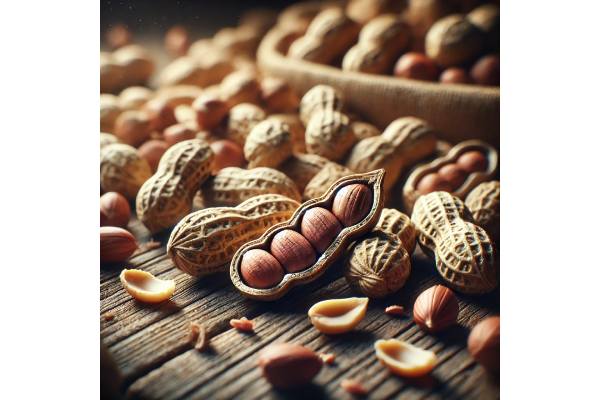
Peanuts are one of the world’s most affordable, nutrient-dense foods. Though botanically a legume, they deliver a “nut-like” package of plant protein, fiber, and heart-healthy fats along with standout amounts of niacin, vitamin E, magnesium, and manganese. In day-to-day cooking, peanuts do double duty: whole or chopped for crunch, ground into peanut butter for convenience, and pressed into peanut oil for high-heat frying. Their skins and seeds carry polyphenols and phytosterols, and roasting deepens flavor without erasing their nutrition. Beyond the kitchen, peanuts have a sustainability story: as nitrogen-fixing plants, they help enrich soils and often require less water than many tree nuts. Still, they aren’t for everyone. Peanut allergy remains one of the most common food allergies, and improper storage can raise aflatoxin risk. This guide explains the benefits, complete nutrition facts per 100 g, smart ways to select and store products, practical cooking tips to retain nutrients, and clear safety advice for families and people with special health needs.
Top Highlights
- Provides ~25 g protein, ~50 g healthy fat, and ~8 g fiber per 100 g, supporting fullness and heart health.
- Primary safety caveat: peanut allergy can be severe; avoid for those diagnosed and follow medical guidance.
- Typical adult portion: 28 g (1 oz) peanuts or 2 tbsp (32 g) peanut butter, most days of the week.
- Avoid or limit: anyone with confirmed peanut allergy; whole peanuts for children under 4 due to choking risk.
Table of Contents
- Peanuts at a Glance
- Peanut Nutrition Profile (per 100 g)
- Evidence-Based Benefits of Peanuts
- Risks, Allergies and Interactions
- Selecting Quality, Sustainability and Storage
- Cooking Peanuts and Nutrient Retention
- Portions, Comparisons and FAQs
Peanuts at a Glance
Peanuts (Arachis hypogaea) are legumes that grow underground in pods, unlike tree nuts that develop on branches. This small botanical detail matters nutritionally: peanuts combine qualities of beans and nuts—legume-style protein plus nut-like fats—making them unusually satisfying for their size. A standard handful (about 28 g) delivers a compact mix of protein, fiber, and unsaturated fats, alongside niacin (vitamin B3) for energy metabolism and vitamin E for antioxidant support.
Culinary flexibility is a major advantage. Raw or dry-roasted nuts add crunch to salads and stir-fries; peanut butter spreads on toast and blends into smoothies or sauces; peanut flour and powder lighten baked goods with extra protein while minimizing added fat; peanut oil tolerates high temperatures for frying and sautéing. Skins, often removed for texture, contain polyphenols that contribute subtle bitterness and antioxidant activity—use them when you want more complexity in granolas or trail mixes.
Sustainability is a quiet strength. As nitrogen-fixers, peanuts partner with soil bacteria to convert atmospheric nitrogen into a plant-available form. That reduces the need for synthetic fertilizers and can improve soil health. Peanuts also store well: kept cool, dark, and dry, they maintain quality for months, offering shelf-stable nutrition at low cost.
Peanuts do require thoughtful handling. Allergy risk is the leading concern; for parents, evidence now supports early, guided introduction of peanut-containing foods to reduce future allergy risk in many infants. Another consideration is aflatoxin, a toxin formed by molds when crops are inadequately dried or stored in heat and humidity. Responsible sourcing and proper storage keep risk low for consumers.
Bottom line: if you tolerate them, peanuts are a flavorful, economical way to boost protein quality, improve diet satisfaction, and add heart-healthy fats to meals and snacks.
Peanut Nutrition Profile (per 100 g)
Notes: Values below reflect dry-roasted, unsalted peanuts per 100 g, rounded for clarity. Percent Daily Values (%DV) use adult DVs (U.S.). Actual values vary by variety and processing.
Macros and Electrolytes
| Nutrient (per 100 g) | Amount | %DV |
|---|---|---|
| Energy | 587 kcal | — |
| Protein | 24.3 g | 49% |
| Total Fat | 49.7 g | 64% |
| Saturated Fat | 7.9 g | 39% |
| Carbohydrate | 21.3 g | — |
| Dietary Fiber | 8.4 g | 30% |
| Total Sugars | 4.9 g | — |
| Sodium | 6 mg | 0% |
| Potassium | ~640 mg | 14% |
Carbohydrates
| Component | Amount |
|---|---|
| Starch | ~4.4 g |
| Sugars (chiefly sucrose) | ~4.9 g |
| Fiber | 8.4 g |
Fats and Fatty Acids
| Fatty Acid Group | Amount |
|---|---|
| Monounsaturated (mostly oleic) | ~26.6 g |
| Polyunsaturated (mostly linoleic, omega-6) | ~9.9 g |
| Omega-6 Linoleic Acid (18:2 n-6) | ~9.8 g |
| Omega-3 Alpha-Linolenic Acid (ALA) | ~0.03 g |
| Saturated Fat (total) | ~7.9 g |
Protein and Amino Acids (selected)
| Amino Acid | Amount |
|---|---|
| Arginine | ~2.9 g |
| Leucine | ~1.6 g |
| Lysine | ~0.8 g |
| Phenylalanine | ~1.2 g |
| Tryptophan | ~0.23 g |
Vitamins
| Vitamin | Amount per 100 g | %DV |
|---|---|---|
| Niacin (B3) | ~14.6 mg | 91% |
| Vitamin E (alpha-tocopherol) | ~5.0 mg | 33% |
| Vitamin B6 | ~0.46 mg | 27% |
| Thiamin (B1) | ~0.14 mg | 12% |
| Riboflavin (B2) | ~0.21 mg | 16% |
| Folate (DFE) | ~98 µg | 25% |
| Choline | ~65 mg | — |
Minerals
| Mineral | Amount per 100 g | %DV |
|---|---|---|
| Magnesium | ~181 mg | 43% |
| Phosphorus | ~368 mg | 29% |
| Manganese | ~1.8 mg | 79% |
| Copper | ~0.43 mg | 48% |
| Zinc | ~2.8 mg | 26% |
| Iron | ~1.6 mg | 9% |
| Calcium | ~59 mg | 5% |
| Selenium | ~9.3 µg | 17% |
Bioactives and Phytonutrients (qualitative)
Peanuts provide phytosterols (notably beta-sitosterol), phenolic acids and flavonoids concentrated in skins, and small amounts of resveratrol. Roasting can change the profile—sometimes increasing the availability of certain phenolics while modestly lowering heat-sensitive compounds.
Allergens and Anti-nutrients
Major peanut allergens include proteins such as Ara h 1, Ara h 2, and Ara h 6. Like many legumes and grains, peanuts contain phytic acid (phytate), which can reduce mineral absorption; roasting and soaking can lower phytate levels.
Glycemic and Acid–Base Metrics
Peanuts have a low glycemic impact due to their fat, fiber, and protein matrix. Their potential renal acid load (PRAL) is slightly positive (approximately +6 to +7 per 100 g), similar to other nuts.
Additives and Fortification (product-specific)
Plain peanuts and natural peanut butter are typically additive-free. Some commercial peanut butters include added sugars, salt, and stabilizers; powdered peanut products often add sugar or salt. Check labels if you need sodium or sugar control.
Evidence-Based Benefits of Peanuts
Heart health and lipids
Peanuts are rich in monounsaturated fat (mostly oleic acid) and provide linoleic acid, fiber, and phytosterols. Diets that swap saturated fat sources for nuts and legumes—peanuts included—are consistently associated with improved blood lipids. In clinical and population research on nuts, regular intake is linked to lower total and LDL cholesterol and a reduced risk of cardiovascular disease. The combination of unsaturated fats, arginine (a nitric-oxide precursor that supports vascular tone), and magnesium may contribute to healthier blood pressure and endothelial function. Fiber and phytosterols help limit intestinal cholesterol absorption, while vitamin E and polyphenols add antioxidant support.
Glycemic control and weight management
Despite being energy-dense, peanuts can fit into weight-management plans. Their protein, fat, and fiber slow gastric emptying and help curb hunger between meals. Because carbohydrates in peanuts are modest and chiefly complex, their glycemic impact is low. When used to replace more refined snacks, peanuts can improve snack quality without compromising glycemic goals in many people. For those monitoring carbohydrate intake, powdered peanut products supply peanut flavor and protein with fewer calories and less fat per serving.
Nutrient density and brain-energy metabolism
Peanuts are a leading whole-food source of niacin and provide vitamin E—two micronutrients that support energy metabolism and cell membrane integrity. Magnesium and manganese support enzyme systems involved in glucose, lipid, and antioxidant pathways. The arginine content also supports creatine and nitric oxide pathways relevant to muscle function and vascular health.
Digestive and microbiome effects
Peanuts supply both insoluble and soluble fibers and fermentable components that can feed beneficial gut bacteria. While they are not a high-fiber staple like lentils, their fiber complements overall daily intake; using peanuts to upgrade snacks or meals can help you meet fiber targets in a palatable way.
Practical takeaways
- Replace a refined snack with a 28 g handful of unsalted, dry-roasted peanuts to add ~2–3 g fiber and ~7 g protein.
- Use 2 tbsp natural peanut butter as a spread to improve nutrient density at breakfast.
- Pair fruit or whole-grain crackers with peanuts to reduce the meal’s overall glycemic load.
Who benefits most?
People aiming for cardiometabolic health, vegetarian or flexitarian eaters seeking concentrated plant protein, and anyone needing satisfying, shelf-stable snacks. Individuals with high cholesterol or borderline lipids often find peanuts a practical swap for saturated-fat snacks.
Risks, Allergies and Interactions
Peanut allergy
Peanut allergy can provoke severe, rapid reactions. A medical diagnosis means strict avoidance and an emergency plan (including epinephrine) per clinician guidance. For families with infants, early, supervised introduction of age-appropriate peanut-containing foods—based on risk category and clinical advice—can lower the likelihood of developing peanut allergy. Always follow professional guidance for timing, screening, and first feedings.
Choking risk
Avoid whole peanuts for children under 4 years. For toddlers and preschoolers, consider smooth peanut butter thinned with water, breast milk, or formula; never offer spoonfuls of undiluted, sticky nut butter.
Cross-contact and cross-reactivity
Peanuts are processed in facilities that may also handle other allergens (tree nuts, sesame, soy). Read labels if you have multiple allergies. Some people with peanut allergy also react to certain legumes or lupin; clinical evaluation is essential before trying related foods.
Aflatoxins
Aflatoxins are toxins produced by molds that can grow on crops like peanuts under warm, humid conditions. Food systems implement strict standards and testing to keep aflatoxin levels very low; still, proper storage matters at home. Buy from reputable suppliers, store peanuts in airtight containers away from heat and humidity, and discard nuts that taste bitter, musty, or off.
Medication and health-condition considerations
- Hypertension and heart disease: Choose unsalted peanuts and unsweetened peanut butter to limit sodium and added sugars.
- Kidney disease: Peanuts contribute potassium and phosphorus; ask a renal dietitian how much fits your plan.
- Weight management: Account for energy density. Measure portions (28 g peanuts or 2 tbsp peanut butter) and build them into meals rather than adding them on top.
- Low-oxalate diets: Peanuts contain oxalates; follow individualized guidance if you have a history of calcium oxalate kidney stones.
Food safety tips
- Prefer dry-roasted or properly stored raw peanuts.
- Keep nuts in a cool, dark place; for long storage (over 1–2 months), use the refrigerator or freezer to slow rancidity and protect quality.
- Avoid bulk bins with visible moisture or unusual odors.
Selecting Quality, Sustainability and Storage
How to choose
- Whole peanuts: Look for uniform color and intact skins; avoid cracked shells or dampness. For shelled nuts, choose airtight packaging.
- Peanut butter: Short ingredient lists are best—ideally just peanuts or peanuts and salt. If you prefer a no-stir texture, choose products stabilized with non-hydrogenated oils and minimal added sugar.
- Peanut powder/flour: Useful for smoothies and baking; check for added sugar or salt if you are aiming for savory applications.
- Peanut oil: Classic for frying thanks to a high smoke point. Choose refined peanut oil for neutral flavor and high-heat cooking; cold-pressed or roasted peanut oil brings a pronounced nutty note for finishing.
Sustainability snapshot
Peanuts improve soil nitrogen, reducing fertilizer needs in rotations with grains or cotton. Their underground growth habit and relatively modest water needs make them an efficient choice compared with many tree nuts. Selecting regionally grown peanuts where possible can further reduce transport impacts.
Smart storage
- Short term (weeks): Pantry at 10–21°C (50–70°F), low humidity, sealed container.
- Medium term (1–3 months): Refrigerate in airtight containers to slow oxidation.
- Long term (up to a year): Freeze in moisture-proof packaging; thaw sealed to prevent condensation.
- Peanut butter: Stir natural peanut butter to redistribute oils; store per label (pantry or fridge). Refrigeration preserves flavor and slows oil separation.
Quality checks
Rancidity presents as a sharp paint-like smell or stale flavor. Discard if detected. For aflatoxin risk minimization, avoid peanuts with visible mold, insect damage, or musty odors.
Buying tips
- Compare unit prices; large jars or bulk bags can be economical if you have cool, dry storage.
- For snacks, favor lightly salted or unsalted versions.
- If you use peanuts mainly in cooking, buy raw and roast at home for fresher flavor control.
Cooking Peanuts and Nutrient Retention
Roasting
Dry roasting amplifies flavor and crunch while preserving most macronutrients. Heat-sensitive vitamins (some folate and vitamin E) can decline modestly with prolonged, high-temperature roasting. Gentle, shorter roasting (for example, 10–15 minutes in a 160–170°C oven for shelled nuts, stirred once) strikes a balance between taste and nutrient retention. Roasting also lowers moisture, enhancing shelf life, and can reduce certain anti-nutrients such as phytates.
Boiling and steaming
Boiled peanuts, popular in some regions, absorb water and salt, softening texture. Water-soluble nutrients (some B vitamins) may leach into the cooking liquid. If you enjoy boiled peanuts, sip the broth or season lightly to manage sodium.
Toasting in a pan
For quick recipes, toast peanuts in a dry skillet over medium heat for 3–6 minutes, shaking often. Pull them off the heat as soon as they smell nutty and show flecks of color; residual heat will finish the job.
Peanut butter and sauces
Grinding whole peanuts preserves their macro- and mineral content while dispersing fat and protein for easy use. Heating peanut sauces gently reduces the risk of scorching and preserves aromatic compounds. To limit added sugars, build sauces with aromatics (garlic, ginger, chili), citrus, and low-sodium stock; sweeten, if needed, with a small amount of honey or date paste.
Powdered peanut products
Peanut powder is produced by pressing out much of the oil. It offers peanut flavor and protein with fewer calories per tablespoon. Reconstitute with water to make a spread, or whisk directly into batters, smoothies, and marinades. Because fat carries flavor and fat-soluble vitamins, the taste and vitamin E content are lighter than whole peanuts.
Oil use and temperature
Refined peanut oil tolerates high heat for frying and wok cooking. Maintain appropriate temperatures and avoid repeated reheating to limit off-flavors and oxidation. Strain used oil to remove crumbs (which accelerate degradation), store it cool and dark, and discard if it smells stale or foams excessively.
Kitchen safety with kids
For infants and toddlers, use thinned smooth peanut butter mixed into yogurt, fruit purée, or infant cereal. Do not offer whole peanuts or thick spoonfuls of peanut butter to young children.
Portions, Comparisons and FAQs
How much should I eat?
A practical serving is 28 g (1 oz) of peanuts or 2 tbsp (32 g) peanut butter. Most adults can enjoy this serving daily as part of a balanced diet, provided calories are accounted for. Active individuals or those replacing less healthy snacks may include up to two servings on some days.
Are peanuts as “heart-healthy” as almonds or walnuts?
Yes—peanuts deliver a similar overall pattern of unsaturated fats, fiber, and phytosterols. Walnuts are higher in omega-3 ALA; almonds are higher in vitamin E and calcium. Peanuts tend to lead on niacin and are usually the most budget-friendly.
Peanut butter vs whole peanuts
Nutritionally close, but texture and additives differ. Choose natural peanut butter (peanuts, maybe salt) if you want spreadability without extra sugar or oils. Whole peanuts provide more chewing, which can enhance satiety for some people.
What about powdered peanut products?
They offer the protein and flavor of peanuts with less fat. They’re handy for smoothies, baking, and sauces when you want peanut taste with fewer calories; they’re not a full substitute for whole-food fats and vitamin E.
Low-carb or diabetes-friendly?
Peanuts have a low glycemic impact and fit well as part of snack or meal plans emphasizing non-starchy vegetables, lean proteins, whole grains, and healthy fats. Pairing peanuts with carbohydrate foods can blunt post-meal glucose rises.
Weight goals and calories
Because they’re energy-dense, measure portions. Build peanuts into meals (e.g., swap for croutons on salads, add to vegetable stir-fries) rather than simply adding them to the day.
Who should limit or avoid peanuts?
- Anyone with diagnosed peanut allergy (strict avoidance and medical plan).
- Children under 4 years should not be given whole peanuts due to choking risk.
- Individuals with advanced kidney disease may need to manage potassium and phosphorus.
- People advised to follow low-oxalate diets should ask about suitable amounts.
Simple comparison—per 28 g (1 oz)
- Peanuts: ~167 kcal, ~7 g protein, ~14 g fat, ~2.4 g fiber.
- Almonds: similar calories, more vitamin E and calcium.
- Walnuts: similar calories, more omega-3 ALA but slightly less protein.
- Cashews: slightly fewer calories, less fiber, milder fat profile.
Best ways to add peanuts today
- Toss toasted peanuts over steamed greens with lemon.
- Stir smooth peanut butter into oatmeal with sliced banana and cinnamon.
- Whisk a quick peanut sauce (peanut butter, lime, chili, garlic) for grain bowls.
- Blend peanut powder into yogurt for a protein-rich snack.
References
- Nutrition Facts for Dry Roasted Peanuts 2024 (Database)
- Nuts and Cardiovascular Disease Outcomes: A Review of the Evidence and Future Directions 2023 (Review)
- Addendum Guidelines for the Prevention of Peanut Allergy in the United States: Report of the NIAID-Sponsored Expert Panel 2017 (Guideline)
- CPG Sec 570.375 Aflatoxins in Peanuts and Peanut Products | FDA 2021 (Guidance)
- PALFORZIA | FDA 2024 (Regulatory/Labeling)
Disclaimer
This article is for general education and does not replace personalized medical advice. Always consult your healthcare professional or a registered dietitian for guidance on allergies, medical conditions, medication interactions, and individualized nutrition goals. If you suspect a food allergy or experience symptoms after eating peanuts, seek medical care promptly.
If you found this guide useful, please consider sharing it with friends or on Facebook, X, or your favorite platform. Your support helps us continue creating high-quality, evidence-informed articles.