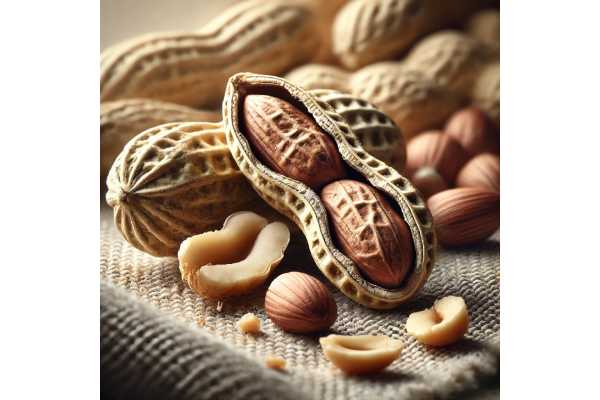
Peanuts punch above their weight. Though botanically legumes, they deliver a nut-like mix of heart-friendly fats, plant protein, and micronutrients in an affordable, shelf-stable form. A small handful can help curb appetite, add crunch to salads and stir-fries, or blend into creamy spreads and sauces. Beyond the kitchen, peanuts are notable for practical perks: they travel well, keep for months when stored right, and—thanks to their skins—provide polyphenols not found in many other snack foods. At the same time, they bring important considerations: peanut allergy can be severe, aflatoxin control matters, and portions are easy to overshoot because peanuts are energy-dense. This guide distills the essentials: what peanuts contain, how they may support health, the key risks to manage, how to buy and store them, and simple ways to cook them so taste and nutrients stay intact.
Top Highlights
- One small handful (28 g) gives ~7 g protein, ~14 g fat (mostly unsaturated), and ~2–3 g fiber.
- Regular intake—replacing refined snacks—can improve lipid profiles as part of an overall healthy diet.
- Main safety caveat: peanut allergy can cause anaphylaxis; aflatoxin control and proper storage are important.
- Typical serving and frequency: 28 g (about 1 ounce, ~30 peanuts) or 2 Tbsp (32 g) peanut butter, up to most days within calorie needs.
- Avoid or limit if you have a diagnosed peanut allergy; use caution with high potassium/phosphorus diets (e.g., advanced kidney disease), and with salted or sugar-coated varieties if watching sodium or added sugars.
Table of Contents
- What Peanuts Offer
- Peanuts Nutrition Profile
- Peanut Health Benefits
- Allergies, Risks and Interactions
- Selecting Peanuts, Quality, Sustainability, Storage
- Preparation, Cooking and Nutrient Retention
- Portions, Comparisons and FAQs
What Peanuts Offer
Peanuts (Arachis hypogaea) are legumes that behave like nuts in the diet. Their key appeal is a high-satiety package—unsaturated fats, protein, and fiber—that pairs well with both savory and sweet dishes. A typical 28-gram handful delivers about 7 grams of protein (including arginine), around 14 grams of fat (mostly monounsaturated and polyunsaturated), and 2–3 grams of fiber. That balance slows digestion and can help keep you full between meals. Peanuts also supply niacin, vitamin E (alpha-tocopherol), magnesium, manganese, copper, and phosphorus. The thin, reddish skins (on “Spanish” and many dry-roasted types) contain polyphenols such as resveratrol and p-coumaric acid that add antioxidant capacity.
Beyond snacking, peanuts are versatile. Whole or chopped, they add texture to grain bowls, noodle dishes, and slaws. Peanut butter—ideally just peanuts and salt—anchors sandwiches, sauces (think satay), smoothies, and baked goods. Peanut flour and peanut powder (defatted) lend concentrated protein with fewer calories; they whisk into batters and shakes without adding much oil. Boiled peanuts, popular in the American South and across Asia, offer a softer, savory alternative with a distinct flavor and a nutrient profile that differs from roasted types.
From a budget and storage angle, peanuts shine. They’re widely available, shelf-stable, and cost-effective compared with many tree nuts. Because they’re energy-dense, portions matter: a scant ¼ cup can add hundreds of calories if you’re not mindful. Choosing unsalted or lightly salted versions helps keep sodium in check, and buying from reputable brands reduces aflatoxin risk (more on that later). As with any calorically rich food, peanuts work best when they replace lower-quality snacks or add heft to plant-forward meals—not as a constant add-on.
Finally, a word on language: in everyday use, “nuts” includes peanuts. For allergy and botany, they’re legumes. That distinction matters clinically (allergy risks differ), but for most shoppers, “peanut vs. tree nut” mainly impacts labeling and substitution choices in the kitchen.
Peanuts Nutrition Profile
Reference basis: dry-roasted, unsalted peanuts, per 100 g. Percent Daily Values (%DV) use current U.S. label DVs for adults and children ≥4 years.
Macros & Electrolytes
| Nutrient | Amount (per 100 g) | %DV |
|---|---|---|
| Energy | 585 kcal | — |
| Protein | 23.7 g | 47% |
| Total Fat | 49.7 g | 64% |
| Saturated Fat | 6.8 g | 34% |
| Monounsaturated Fat | 24.4 g | — |
| Polyunsaturated Fat (total) | 15.6 g | — |
| Linoleic Acid (omega-6) | ~15.5 g | — |
| Alpha-Linolenic Acid (omega-3) | ~0.00–0.01 g | — |
| Total Carbohydrate | 21.5 g | 8% |
| Dietary Fiber | 8.4 g | 30% |
| Total Sugars | 4.7 g | — |
| Starch | ~12.7 g | — |
| Sodium | 6 mg | 0% |
| Potassium | ~600–610 mg | 13% |
| Water | ~1.5–2 g | — |
Carbohydrates (detail)
| Measure | Amount |
|---|---|
| Net Carbohydrate (carb − fiber) | ~13.1 g |
| Glycemic Index (GI), peanuts | ~13–15 (low) |
| Estimated Glycemic Load (GL), 30 g serving | <1 |
Fats & Fatty Acids (selected)
| Fatty Acid | Amount (g) |
|---|---|
| Oleic acid (18:1n-9) | ~23–25 |
| Linoleic acid (18:2n-6) | ~15–16 |
| Palmitic acid (16:0) | ~5–6 |
| Stearic acid (18:0) | ~2 |
Protein & Amino Acids (selected)
| Amino Acid | Amount (g) per 100 g |
|---|---|
| Arginine | ~3.0–3.3 |
| Leucine | ~1.6–1.8 |
| Lysine | ~0.8–0.9 |
| Methionine + Cysteine | ~0.6 |
| Tryptophan | ~0.25 |
Vitamins
| Vitamin | Amount (per 100 g) | %DV |
|---|---|---|
| Vitamin E (alpha-tocopherol) | ~4.9 mg | 33% |
| Niacin (vitamin B3) | ~12 mg NE | 75% |
| Thiamin (vitamin B1) | ~0.64 mg | 53% |
| Vitamin B6 | ~0.35 mg | 21% |
| Folate (DFE) | ~240 µg | 60% |
| Riboflavin (vitamin B2) | ~0.13 mg | 10% |
| Pantothenic Acid | ~1.8 mg | 36% |
| Choline | ~52 mg | 9% |
Minerals
| Mineral | Amount (per 100 g) | %DV |
|---|---|---|
| Magnesium | ~168 mg | 40% |
| Phosphorus | ~360–380 mg | 29–30% |
| Zinc | ~3.3 mg | 30% |
| Copper | ~1.1 mg | 120% |
| Manganese | ~1.8 mg | 78% |
| Iron | ~1.9 mg | 11% |
| Calcium | ~54 mg | 4% |
| Selenium | ~7 µg | 13% |
| Potassium | ~600–610 mg | 13% |
Bioactives / Phytonutrients (selected)
| Compound | Typical Range (per 100 g) |
|---|---|
| Phytosterols (total) | ~150–220 mg |
| Resveratrol | trace (µg–0.1 mg) |
| p-Coumaric acid, other polyphenols | present (higher with skins) |
Allergens & Intolerance Markers
| Marker | Notes |
|---|---|
| Major peanut allergens | Ara h 1, Ara h 2, Ara h 3, Ara h 6 (storage proteins; heat-stable) |
| Cross-contact risk | Common in mixed-nut facilities and food service; check labels and advisories |
Anti-nutrients
| Compound | Typical Content |
|---|---|
| Phytic acid (IP6) | ~0.9–1.7 g per 100 g (varies by cultivar, processing) |
| Oxalates | low–moderate (varies) |
Contaminants / Residues
| Item | Context |
|---|---|
| Aflatoxins | Risk increases with poor drying/storage; controlled via modern testing and sourcing |
| Pesticide residues | Generally low in finished products; wash in-shell types and buy reputable brands |
Notes: Values vary with cultivar (e.g., Runner, Virginia, Spanish), growing conditions, and processing (raw, dry-roasted, oil-roasted, boiled). Seasoned, honey-roasted, or candy-coated peanuts alter sugars, sodium, and fat. Peanut butter made with added oils/sugars/salt will differ markedly; “natural” versions track closer to peanuts.
Peanut Health Benefits
Cardiometabolic support when used as a swap. Peanuts deliver a profile that favors lipid management: abundant unsaturated fats (especially oleic acid), plant protein, fiber, and phytosterols. Clinical trials and systematic reviews on nuts—including peanuts—report modest improvements in blood lipids when nuts replace refined snacks or part of saturated fat sources. Typical findings include reductions in total and LDL cholesterol and, in some trials with peanut-focused arms, lower triglycerides. These effects are more consistent in people with higher baseline lipids and when the rest of the diet supports cardiometabolic health (vegetables, whole grains, seafood/legumes, and limited added sugars). Mechanistically, unsaturated fats shift LDL particle composition, phytosterols modestly lower intestinal cholesterol absorption, and fiber supports bile acid excretion.
Satiety and weight management. Despite caloric density, habitual nut intake is not reliably linked to weight gain in free-living studies. Several factors help explain this: high satiety (protein + fat + fiber), incomplete mastication (a fraction of fat passes unabsorbed), and compensatory changes in the rest of the day’s intake. That said, trial results vary, and energy balance still governs body weight. Practical takeaway: enjoy peanuts in place of lower-quality snacks or as part of meals—avoid layering them on top of an already calorie-sufficient diet.
Glycemic steadiness. Peanuts are very low glycemic (GI in the teens), and their fat-fiber-protein matrix slows carbohydrate absorption in mixed meals. As a result, a small portion can reduce the glycemic impact of higher-GI foods when eaten together (e.g., sprinkling peanuts over rice-based bowls or blending peanut butter into a yogurt snack). This is supportive, not corrective: portion control and overall dietary pattern remain central for blood-sugar management.
Nutrient density and brain/nerve function. Peanuts meaningfully contribute niacin and vitamin E—two nutrients relevant to nerve health and antioxidant defense. They also provide magnesium (enzyme cofactor in hundreds of reactions), manganese (antioxidant enzymes), copper (iron transport and connective tissue), and folate (one-carbon metabolism). For plant-forward eaters, peanuts are a practical way to raise protein quality and calorie density without requiring refrigeration or cooking.
Vascular tone via arginine. Peanuts are among the better plant sources of arginine, the precursor to nitric oxide (NO). While arginine intake alone is not a treatment for hypertension, it contributes to a diet that supports endothelial function, alongside potassium-rich produce and overall sodium moderation.
Healthy aging and practicality. With long shelf life and portability, peanuts fit into simple patterns that sustain healthy eating: a handful with fruit for an afternoon snack; a spoonful of peanut butter on whole-grain toast at breakfast; or a peanut-based dressing that makes vegetables more appealing. Such “adhesion-friendly” choices matter in the long run.
Important boundaries. Benefits arise when peanuts displace less healthful foods and fit within your calorie needs. For some individuals at high cardiometabolic risk, trial data have noted small increases in body weight with larger peanut doses; mindful portions are prudent if weight control is a goal. And for anyone with a peanut allergy, even trace exposures can be dangerous (see Safety).
Allergies, Risks and Interactions
Peanut allergy. Peanut allergy can provoke rapid, life-threatening anaphylaxis. Key points:
- Symptoms: hives, facial or throat swelling, wheeze, vomiting, dizziness, and in severe cases, hypotension.
- Risk doesn’t equal certainty: Peanut is a common allergen, but most people tolerate it. Cross-reactivity with tree nuts is possible but not inevitable; sensitivity patterns vary by individual proteins (e.g., Ara h 2 is strongly associated with clinical reactivity).
- Early introduction for infants at risk: For infants with severe eczema and/or egg allergy, expert guidelines recommend early, age-appropriate peanut introduction under clinical guidance. For lower-risk infants, peanut-containing foods can be introduced along with other solids when developmentally ready. Never give whole peanuts to children under 4 due to choking risk.
- Label reading and cross-contact: Look for advisory statements like “may contain peanuts” or “processed on shared equipment.” Food service settings pose higher cross-contact risk; when in doubt, ask.
Aflatoxins. Aflatoxins are toxins from Aspergillus species that can contaminate peanuts if drying and storage are poor. Modern supply chains manage this with testing and sorting. Lower personal risk by buying reputable brands, keeping peanuts dry and cool, discarding any that taste musty or bitter, and avoiding visibly moldy in-shell stock. Roasting reduces—but does not eliminate—aflatoxins; good sourcing and storage are the foundations.
Sodium and added sugars. Salted, flavored, honey-roasted, and candy-coated peanuts can add significant sodium or sugars. If blood pressure or sodium intake is a concern, choose unsalted or lightly salted versions and season at the table.
Kidney disease and mineral loads. Peanuts are moderate in potassium and relatively rich in phosphorus. In advanced chronic kidney disease, individualized limits may apply; a renal dietitian can advise appropriate portions and alternatives.
Medications and special diets.
- Warfarin: Peanuts are not high in vitamin K; typical portions do not meaningfully affect INR.
- Low-FODMAP: Plain peanuts are generally tolerated at modest portions, but individual responses vary.
- Celiac disease: Peanuts are gluten-free by nature, but cross-contact is possible in facilities that also process gluten-containing foods; look for “gluten-free” certification if sensitive.
Food safety and choking. Store away from heat, moisture, and direct sun. For young children, use thinned peanut butter, peanut puffs, or finely ground forms; avoid whole nuts and thick spoonfuls of sticky nut butter.
Selecting Peanuts, Quality, Sustainability, Storage
How to choose at the store
- Ingredients first. For peanut butter, “peanuts, salt” is ideal. Avoid added sugars and palm/interest-erified oils unless you have a specific reason to include them (e.g., texture preferences for spreading).
- Roast and style. Dry-roasted, unsalted varieties highlight peanut flavor and keep sodium low. Oil-roasted can be equally flavorful but adds frying oil; seasoned mixes often raise sodium and sugar. Skins-on styles provide more polyphenols; “blanched” types are milder.
- Form matters. Whole, splits, crushed, chopped, powder, and flour each have kitchen roles. Defatted peanut flour/powder concentrates protein with fewer calories—useful in baking or smoothies.
- Check dates and packaging. Choose intact, opaque packaging with a fresh-roast date and tight seal. For in-shell peanuts, look for clean, dry shells with no dark spots or musty odor.
Quality cues at home
- Smell and taste. Rancidity shows up as stale, paint-like, or bitter flavors; discard if detected.
- Texture. Peanuts should be crisp; limp nuts often signal moisture exposure.
- Peanut butter separation. Natural peanut butters separate; stir and store. Persistent off-odors or mold on the surface warrant discarding.
Sustainability snapshot
- Water and inputs. Compared with many tree nuts, peanuts typically require less irrigation and—because they fix nitrogen—less synthetic fertilizer. This can lower certain environmental inputs in peanut-friendly regions.
- Zero-waste potential. Beyond kernels, shells and skins can be repurposed (e.g., feed, biochar, fiber).
- What you can do. Choose producers with transparent quality and safety practices; buy appropriate sizes to minimize waste; store to maximize shelf life (see below); and consider unsalted, uncoated forms that avoid added ingredients.
Best-practice storage
- Short-term (under 1–2 months): Keep in an airtight container in a cool, dark cupboard.
- Longer-term (2–6 months): Refrigerate in sealed containers to slow rancidity.
- Extended (6–12 months): Freeze whole peanuts or peanut butter (leave headspace in jars); thaw in the fridge.
- Humidity and heat are enemies. Moisture invites mold; heat accelerates oxidation and stale flavors.
Preparation, Cooking and Nutrient Retention
Roasting basics
- Dry-roast at moderate heat. Home roasting at ~160–175 °C (320–350 °F) for 10–20 minutes (depending on size and moisture) develops flavor while avoiding excessive browning. Stir once or twice for even color.
- Watch the endgame. Peanuts keep cooking after you pull them; remove when lightly tan and fragrant. Over-roasting deepens color but can degrade some heat-sensitive compounds.
- Skins on vs off. Leaving skins on preserves more polyphenols. Blanching (skin removal) yields a milder taste and paler color.
Boiling and simmering
- Boiled peanuts become tender, salty, and savory. Minerals redistribute into cooking liquid; sodium can rise substantially if heavily salted. If you prefer lower sodium, season lightly and flavor with aromatics (garlic, bay, spices).
Grinding and blending
- Peanut butter at home. Warm freshly roasted peanuts slightly, then process in a high-powered blender until smooth. Add a pinch of salt for flavor; avoid added oils if you like a natural set. For a pourable sauce, thin with warm water, citrus, and spices.
- Powder and flour. Use defatted peanut powder to boost protein in pancakes, muffins, or smoothies without adding much oil. Because it’s drier, add a little extra liquid to batters.
Keeping nutrients and flavor
- Limit air, light, and heat. Store roasted nuts and peanut butter sealed and cool. Oxidation dulls flavors and vitamin E over time.
- Use fresh spices and acids. Peanut sauces sing with lime, rice vinegar, ginger, and chili. Acid brightens richness and may help preserve color in veggie dishes.
- Mind sodium and sugar. Build flavor with herbs, spices, citrus, and umami (miso, soy, fish sauce), not just salt or sweeteners.
- Allergen-safe prep. If cooking for someone with peanut allergy, use separate equipment and surfaces; a dedicated cutting board and utensils reduce cross-contact.
Simple, nutrient-savvy ideas
- Crunchy salad topper: Toast 2–3 Tbsp chopped peanuts; toss over a cabbage-carrot-cilantro slaw with lime-ginger dressing.
- Protein oats: Stir 1 Tbsp natural peanut butter into hot oatmeal; finish with sliced banana and cinnamon.
- Satay-style sauce: Blend 2 Tbsp peanut butter, 1 Tbsp lime juice, 1 tsp soy or tamari, grated ginger, warm water to thin; spoon over grilled tofu, chicken, or roasted vegetables.
- Peanut-crusted fish or tofu: Pulse peanuts with panko, garlic, and herbs; press onto mustard-brushed fillets or tofu planks; bake until crisp.
Portions, Comparisons and FAQs
How much is a serving? How often?
- Peanuts: 28 g (1 ounce; ~30 peanuts) is a standard serving. As part of a balanced pattern, most adults can include a serving on most days, especially when it replaces refined snacks or contributes to meals.
- Peanut butter: 2 Tbsp (32 g). “Natural” versions will separate—stir before using; consider chilling after mixing to slow separation.
Peanuts vs. peanut butter
- Nutritionally similar on a per-weight basis; peanut butter is simply ground peanuts. Differences arise from added salt, sugar, or oils in some brands. Choose short-ingredient-list jars when possible. Texturally, crunchy versions add fiber-rich bits; smooth spreads suit sauces and baking.
Peanuts vs. tree nuts
- Cost and accessibility: Peanuts are usually less expensive and more widely available.
- Fat profile: Peanuts lean monounsaturated; walnuts favor omega-3 ALA; almonds are rich in vitamin E; pistachios are higher in potassium.
- Allergy profile: Peanut allergy is distinct from tree-nut allergy, though co-allergy is common—diagnosis should be personalized.
- Environmental notes: In peanut-friendly regions, peanuts often grow with lower irrigation needs and add nitrogen to soils, whereas many tree nuts require steady water inputs. Impacts vary by place and practice.
Do peanuts cause weight gain?
Not inherently. They are energy-dense, so context matters. When they replace lower-quality snacks or help anchor meals, studies often show neutral weight change and improved diet quality. Over-snacking can push calories high; measuring a handful (or pre-portioning) helps.
Are peanuts low carb or keto-friendly?
They’re relatively low in carbohydrate (about 5–6 g net per 28 g). Small portions can fit low-carb patterns, but typical “keto” diets emphasize very high fat intake and stringent carb caps—check how peanuts fit your personal targets.
What about GI and GL?
Peanuts are low GI (roughly 13–15). A 28–30 g serving has very low GL (<1). Mixed into higher-GI meals, peanuts may blunt post-meal rises in blood glucose modestly.
Are boiled peanuts healthier than roasted?
Different, not better or worse. Boiling changes texture and flavor and can increase some water-soluble compounds in the cooking liquid. Sodium often climbs in traditional recipes. Dry-roasting preserves crunch and concentrates flavor; both can fit a healthy diet when portions and seasoning are mindful.
Tips to right-size portions
- Pre-portion a small dish before streaming or working.
- Pair with produce (apple, carrots) to boost volume and fiber.
- Choose in-shell peanuts for slower eating (if no allergy risk in the household).
- For peanut butter, use a measuring spoon—“two tablespoons” are easy to underestimate.
Who should limit or avoid peanuts?
- Anyone with a diagnosed peanut allergy (strict avoidance; carry epinephrine if prescribed).
- People on very low potassium/phosphorus plans for advanced kidney disease (work with a renal dietitian).
- Those requiring low-sodium diets should favor unsalted forms and watch seasoned mixes.
References
- Daily Value on the Nutrition and Supplement Facts Labels 2024 (Guidance)
- Randomized trial of peanut consumption in infants at risk for peanut allergy 2015 (RCT)
- Addendum guidelines for the prevention of peanut allergy in the United States: Summary of the National Institute of Allergy and Infectious Diseases-sponsored expert panel 2017 (Guideline)
- Effects of Nut Consumption on Blood Lipids and Lipoproteins 2023 (Systematic Review)
- Mycotoxins 2023 (Fact Sheet)
Disclaimer
This article is for general education and is not a substitute for personalized medical advice, diagnosis, or treatment. Always speak with your health care professional about your specific health needs, allergies, and medications before making dietary changes or introducing peanut-containing foods to infants. In an emergency or severe allergic reaction, seek immediate medical care.
If you found this guide useful, please consider sharing it on Facebook, X (formerly Twitter), or your favorite platform. Your support helps us continue producing high-quality, reader-first resources.