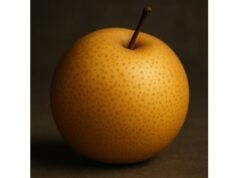
Pears are one of the few fruits picked firm and ripened off the tree, which makes them unusually forgiving to buy and easy to enjoy throughout the week. Under the thin, edible skin is a juicy flesh rich in dietary fiber, small but meaningful amounts of vitamin C and potassium, and a mix of polyphenols concentrated in the peel. Their naturally low glycemic index and high water content support steady energy and hydration, while the soft texture makes pears a gentle choice for many digestive needs. In the kitchen, pears are remarkably versatile: slice them fresh into salads, roast to deepen their honeyed notes, poach for elegant desserts, or blend into smoothies and soups. From crisp Asian pears to buttery Bartlett and spice-friendly Bosc, varieties differ in texture and sweetness, but all share the hallmark perfumed aroma and subtle floral flavor. This guide explains pear nutrition per 100 g, evidence-based benefits, who should be cautious, how to choose and store them for top quality, and the best preparation methods to retain nutrients and avoid waste.
Top Highlights
- One medium pear (≈178 g) provides about 6 g fiber and remains low in calories, aiding satiety and regularity.
- Low glycemic index fruit; choose whole pears over juice to keep glycemic load low.
- Safety note: pears are high in FODMAPs (fructose and sorbitol) and may trigger symptoms in sensitive individuals.
- Typical serving: 1 small–medium pear (120–180 g), enjoyed daily as part of a balanced diet.
- People with birch pollen oral allergy syndrome, IBS on a low-FODMAP phase, or infants under 4 should use caution and modify texture or portion.
Table of Contents
- Pear basics detailed overview
- Pear nutrition profile per 100 g
- Pear health benefits evidence based
- Pear risks allergies and interactions
- Select quality sustainability and store pears
- Prepare cook and retain pear nutrients
- Pear portions comparisons and FAQs
Pear basics detailed overview
Pears (genus Pyrus) are temperate-climate fruits known for ripening from the inside out. Unlike many fruits, they are harvested firm and complete the ripening process off the tree, which helps preserve flavor and texture during shipping and at home. European pears (e.g., Bartlett, Anjou, Bosc, Comice, Concorde) tend to soften to a buttery bite as they ripen, while Asian pears (Pyrus pyrifolia) stay crisp and juicy, with a texture closer to an apple and a delicate floral aroma.
Flavor and texture vary by variety and ripeness. Bartlett turns from green to yellow and develops a classic “pear perfume”; Bosc holds its shape with a denser, slightly spicy flesh that stands up well to roasting and poaching; Comice is exceptionally juicy and sweet, prized for cheese pairings. All pears are mostly water, naturally sweet, and modest in calories. Their edible skin provides most of the insoluble fiber and a significant share of polyphenols, including phenolic acids and flavonoids that contribute to both flavor and color.
Because pears are low in sodium and fat-free, they suit many dietary patterns—from Mediterranean and DASH to plant-forward eating. They are also a practical choice for hydration and gentle energy: the combination of water and fiber slows gastric emptying and supports steady post-meal blood sugar. Whole pears have a low glycemic index, while pear juice, lacking fiber, has a comparatively higher glycemic load per serving.
From a culinary standpoint, pears are versatile: slice into salads with arugula and walnuts, dice into oatmeal or yogurt, roast wedges with cinnamon, poach in tea or wine, or purée into soups. Their sugars caramelize with heat, intensifying flavor without heavy added sweeteners. Pears partner well with cinnamon, ginger, vanilla, thyme, rosemary, blue cheese, goat cheese, almonds, hazelnuts, and dark chocolate.
Sustainability-wise, pears store well and ripen off the tree, which reduces food waste if you manage ripening at home. Choosing in-season, locally grown fruit when possible minimizes transport impacts and supports freshness. Simple practices—storing unripe pears at room temperature and refrigerating when ripe—extend usability by several days.
Key takeaways for everyday shoppers: buy firm fruit that yields slightly to gentle pressure near the stem when ready to eat; keep the peel on for fiber and phytonutrients; and favor whole pears over juice for better glycemic control and satiety. If you cook pears, aim for minimal added sugars—heat alone brings out their natural sweetness.
Pear nutrition profile per 100 g
Serving basis: raw European pear with skin, unfortified. Values are typical; variety and ripeness cause natural variation.
Macros and electrolytes (per 100 g)
| Nutrient | Amount | %DV |
|---|---|---|
| Energy | 57 kcal | — |
| Water | 84 g | — |
| Carbohydrate | 15.0 g | 5% (275 g) |
| Dietary fiber | 3.1 g | 11% (28 g) |
| Total sugars | 9.8 g | — |
| Protein | 0.4 g | <1% (50 g) |
| Total fat | 0.1 g | <1% (78 g) |
| Saturated fat | 0.0 g | 0% (20 g) |
| Sodium | 1 mg | 0% (2300 mg) |
| Potassium | 116 mg | 2% (4700 mg) |
Carbohydrates detail
| Component | Amount | Notes |
|---|---|---|
| Free sugars (glucose, fructose, sucrose) | ~9–10 g | Proportion varies with variety and ripeness. |
| Starch | 0.0–0.1 g | Minimal in ripe fruit. |
| Polyols (sorbitol) | small–moderate | Contributes to sweetness; relevant for FODMAP sensitivity. |
Vitamins (per 100 g)
| Vitamin | Amount | %DV |
|---|---|---|
| Vitamin C (ascorbic acid) | 4.3 mg | 5% (90 mg) |
| Vitamin K (phylloquinone) | 4.4 µg | 4% (120 µg) |
| Folate (DFE) | 7 µg | 2% (400 µg) |
| Vitamin A (RAE) | 1 µg | 0% (900 µg) |
| Vitamin E (alpha-tocopherol) | 0.1 mg | 1% (15 mg) |
| Vitamin B6 (pyridoxine) | 0.03 mg | 2% (1.7 mg) |
Minerals (per 100 g)
| Mineral | Amount | %DV |
|---|---|---|
| Calcium | 9 mg | 1% (1300 mg) |
| Iron | 0.18 mg | 1% (18 mg) |
| Magnesium | 7 mg | 2% (420 mg) |
| Phosphorus | 12 mg | 1% (1250 mg) |
| Copper | 0.08 mg | 9% (0.9 mg) |
| Manganese | 0.05 mg | 2% (2.3 mg) |
| Zinc | 0.1 mg | 1% (11 mg) |
Fats and fatty acids (per 100 g)
Pears are naturally very low in fat. Total fats (≈0.1 g) include trace amounts of mono- and polyunsaturated fatty acids; saturated fat is negligible.
Glycemic and acid–base metrics
- Glycemic Index (GI): typically low (≈30–45 for ripe pears).
- Estimated Glycemic Load (GL) per 100 g: ~4–5 (low), calculated from available carbohydrate and GI.
- PRAL (acid–base): fruit is generally alkalizing once metabolized.
Bioactives / phytonutrients
- Phenolic acids (e.g., chlorogenic acid) and flavonoids are concentrated in the peel; keeping the skin increases intake.
- Lignans and other polyphenols contribute to antioxidant capacity and may support vascular health.
Allergens and intolerance markers
- Contains sorbitol and excess fructose relative to glucose in some varieties—important for people with FODMAP sensitivity.
Footnote: Data reflect raw, unfortified pears. Canned pears in syrup or juice will differ, especially for sugars and sometimes vitamin C (loss during processing).
Pear health benefits evidence based
1) Digestive regularity and comfort
Pears are a dependable source of dietary fiber—about 3.1 g per 100 g and roughly 6 g in a medium fruit. Fiber adds bulk and softness to stool and supports regularity. The fiber matrix in pears includes both insoluble fractions (notably in the peel) and soluble pectins that form viscous gels, helping slow digestion and moderate post-meal glucose. For many people, replacing a refined sweet snack with a whole pear increases daily fiber intake without adding sodium or saturated fat.
2) Heart health support
Across dietary patterns, higher fruit intake is linked with reduced cardiovascular risk. Pears contribute to this pattern by providing fiber (associated with improved lipid profiles), potassium (which counterbalances sodium’s effect on blood pressure), and a suite of polyphenols. These compounds help reduce oxidative stress and may support vascular function. Choosing whole pears over pastries or sugary desserts can displace excess sodium, refined grains, and added sugars—an easy practical step toward a heart-smart plate.
3) Weight management and satiety
With ~57 kcal per 100 g and high water content, pears deliver a large bite-for-calorie ratio. Fiber’s viscosity and the physical act of chewing intact fruit increase satiety signals. In real life, swapping a medium pear (≈100 kcal) for a 250–300 kcal dessert saves energy while still feeling indulgent, especially when paired with protein (e.g., Greek yogurt) or healthy fats (e.g., walnuts) that further sustain fullness.
4) Better glycemic responses than many sweet snacks
Whole pears have a low glycemic index and a low glycemic load per typical serving. The peel’s polyphenols, intact cell walls, and soluble pectins slow sugar absorption. For people aiming to steady blood sugar, the simple rule is “whole over juice.” Pear juice removes most fiber; its glycemic load per glass can rival other sweet beverages, while whole pears remain in the low-GL range.
5) Respiratory and immune support through vitamin C and phytonutrients
While not a vitamin C powerhouse, pears contribute small but useful amounts, which—together with polyphenols—support normal immune function and help protect lipids and DNA from oxidative stress. When consumed frequently, the cumulative effect supports an overall high-quality diet.
6) Practical substitution benefits
Small, consistent swaps matter. Replacing a syrup-sweetened dessert with roasted pears, or a sweetened cereal with oats topped with pear slices, reduces added sugar and increases fiber. These changes, repeated over weeks, add up to meaningful improvements in overall nutrient density.
Who benefits most?
- Adults looking to increase fiber for regularity and cholesterol management.
- People seeking low-GI fruit choices as part of cardiometabolic care plans.
- Families aiming to meet fruit targets with kid-friendly textures and flavors.
Remember that benefits depend on the form: whole fruit wins over juice; peeled pears provide less fiber than unpeeled; canned pears in heavy syrup raise added sugar.
Pear risks allergies and interactions
FODMAP sensitivity
Pears naturally contain sorbitol and may have excess fructose relative to glucose. During the elimination phase of a low-FODMAP diet for irritable bowel syndrome (IBS), pears are typically restricted. Many people can reintroduce small amounts later, but tolerance varies. If you notice bloating, gas, or loose stool after eating pears, trial a smaller portion with a protein- or fat-containing meal, or choose lower-FODMAP fruit alternatives during elimination.
Oral allergy syndrome (pollen-food allergy syndrome)
Individuals sensitized to birch pollen may experience tingling or itching in the mouth or throat after eating raw pear due to cross-reactive proteins. Symptoms are usually mild and brief, but they can be uncomfortable. Cooking often denatures the responsible proteins, making baked or poached pears better tolerated. Anyone with a history of systemic reactions to foods should seek personalized allergy care before reintroducing.
Drug and condition considerations
- Diabetes: whole pears fit many diabetes eating plans because of their low glycemic impact, especially when paired with protein or fat. Monitor individual responses and keep portions consistent.
- Chronic kidney disease: pears are not especially high in potassium, but cumulative potassium from all foods matters in advanced CKD; follow individualized medical nutrition therapy.
- Infants and young children: avoid large, hard chunks that pose a choking hazard. Serve very thin slices, soft baked wedges, or mashed pear for children under 4.
- Dental health: like other sweet fruits, pears can contribute to enamel exposure if sipped as juice between meals. Favor whole fruit with meals and rinse or brush afterward.
Contaminants and residues
Like other tender-skinned fruits, pears can carry surface residues and microbes. Reduce exposure by rinsing under running water, rubbing gently with hands or a produce brush, and drying with a clean towel. Peeling further reduces residues, but removes much of the fiber and phytonutrients. Buying in-season, local fruit and storing properly also helps minimize spoilage and waste.
When to avoid or limit
- Active low-FODMAP elimination phase for IBS or confirmed fructose malabsorption.
- Birch pollen oral allergy syndrome with bothersome symptoms to raw pear (prefer cooked forms).
- Infants and toddlers without appropriate texture modification.
If you have complex medical needs, an allergy history, or are following therapeutic diets, discuss pear portions and forms with a registered dietitian or your clinician.
Select quality sustainability and store pears
How to choose
- Check the neck: Press gently near the stem. A slight “give” means ready to eat; firm fruit is unripe.
- Look for sound skin: Natural russeting (brown speckles) is normal in many varieties; avoid deep cuts, wet spots, or mold.
- Variety matters:
- Bartlett: classic flavor; turns yellow as it ripens; great for fresh eating and canning.
- Anjou (green or red): mild, sweet; stays green when ripe; versatile for salads and baking.
- Bosc: firm, spicy-sweet; holds shape in roasting and poaching.
- Comice: very juicy and sweet; perfect with cheese boards.
- Asian pears: crisp and refreshing; best for fresh eating; store cold.
Sustainability tips
- Buy in-season fruit from regional growers when possible to reduce transport emissions and increase freshness.
- Manage ripeness at home to cut waste: ripen at room temperature, then refrigerate ripe fruit to slow softening.
- Store pears away from ethylene-sensitive produce; pears themselves produce ethylene, which speeds ripening of nearby fruits.
Storage guide
- Unripe: keep at room temperature (18–22°C). To speed ripening, place in a paper bag with a ripe banana or apple; check daily.
- Ripe: refrigerate whole pears in the crisper drawer; most European pears keep 2–4 days once ripe; Asian pears may keep 1–2 weeks when cold from purchase.
- Cut pears: refrigerate in an airtight container and use within 1–2 days. To reduce browning, brush or toss slices with lemon juice (≈½ tsp per cup of water) or an ascorbic-acid solution.
- Freezing: for best texture, freeze as slices in light syrup or a sugar-water solution after a brief anti-browning dip; use within 8–12 months for quality.
- Canning and drying: safe preservation methods extend shelf life; note that canning in syrup increases added sugars and drying concentrates sugars per portion.
Quality troubleshooting
- Grainy texture: often due to over-ripening or storage at too high a temperature.
- Uneven ripening: common if stored too cold before ripening; bring to room temp to complete.
- Bruising: pears bruise easily once ripe; stack in a single layer and handle gently.
Practical shopping strategy: buy a mix—two ripe pears for immediate use and two firm pears to ripen later—so you always have some at peak quality without rushing to eat them all at once.
Prepare cook and retain pear nutrients
Keep the peel on
Most of a pear’s insoluble fiber and a meaningful share of polyphenols reside in the skin. When feasible, scrub and eat with the peel to maximize fiber and bioactive intake. If texture is an issue, try very thin slices with peel, or cook wedges until tender.
Limit nutrient losses
- Vitamin C is water-soluble and heat-sensitive. Short, gentle cooking (quick sauté, brief poach) preserves more than prolonged simmering.
- Anti-browning without heavy sugar: use a quick dip in lemon water or an ascorbic-acid solution; avoid long soaks that can leach water-soluble nutrients.
- Cut size: larger pieces reduce surface area and oxidation if you plan to store cut fruit for a day.
Best cooking methods
- Roasting: intensifies sweetness via gentle caramelization; toss wedges with a splash of lemon and warm spices.
- Poaching: submerge halved pears in lightly sweetened tea, wine, or spice-infused water; keep liquid just below a simmer to preserve shape.
- Skillet sauté: quick sear in a nonstick pan with a bit of water; finish with vanilla or citrus zest.
- Grilling: great for firm varieties like Bosc; brush with lemon water first to limit browning.
- Microwaving: fast softening for baby food or mash; add minimal water.
Healthy pairing ideas
- Breakfast: top steel-cut oats or Greek yogurt with diced pear, walnuts, and cinnamon.
- Savory: toss arugula, shaved fennel, pear slices, and toasted hazelnuts with lemon-olive oil dressing.
- Snacks: pair a small pear with a slice of aged cheese for balanced carbs, protein, and fat.
- Dessert light: roast pears with cardamom and serve with plain skyr; drizzle with a teaspoon of honey if desired.
For young eaters
- 6–9 months: offer smooth pear purée or very soft, mashed ripe pear; no chunks.
- 9–18 months: soft, peeled slices or spears; supervise and avoid hard, round pieces.
- Under 4 years: continue thin slices or soft wedges to reduce choking risk.
Food safety
Rinse under running water before cutting; keep knives and cutting boards clean; refrigerate leftovers promptly. If packing pears in lunches, include an ice pack and a squeeze of lemon over slices to keep color and quality.
Pear portions comparisons and FAQs
Portion guidance
- Standard serving: 1 small–medium pear (≈120–180 g).
- Daily frequency: 1 serving daily fits most balanced eating plans; pair with protein or fat for sustained energy.
- Weight management: a medium pear provides ≈100 kcal and ~6 g fiber—useful for fullness when replacing higher-calorie snacks.
- Diabetes planning: keep portions consistent; aim for one medium pear with a meal, not as a solo snack, to blunt glycemic response.
How do pears compare to other fruits per 100 g?
- Fiber: pear 3.1 g; apple ~2.4 g; banana ~2.6 g.
- Potassium: pear ~116 mg; banana ~358 mg; apple ~107 mg.
- GI: pear low (~30–45); apple low (~28–44); banana varies by ripeness, often medium (~48–62).
- Calories: all modest; pear ≈57 kcal; apple ≈52 kcal; banana ≈89 kcal.
Whole vs juice vs canned
- Whole, with peel: highest fiber and polyphenols; best for satiety and glycemic control.
- Juice: minimal fiber; higher glycemic load per glass; reserve for specific contexts.
- Canned: choose fruit packed in water or its own juice; drain heavy syrup to reduce added sugars.
FAQs
Are pears good for IBS?
During the elimination phase of a low-FODMAP diet, pears are usually avoided because of sorbitol and excess fructose. Many people can tolerate small amounts during the reintroduction phase—work with a GI dietitian.
Do pears cause allergies?
People with birch pollen allergy may experience mouth or throat itch after raw pear. Cooked pear is often better tolerated. Severe or systemic reactions warrant medical advice.
Can I eat the seeds?
Accidental ingestion of a few seeds is not a concern, but avoid intentionally eating large quantities of seeds or cores.
Best time to eat pears for blood sugar?
With meals or paired with protein and fat (e.g., nuts, yogurt). This combination slows digestion and supports gentler post-meal glucose.
How many pears can I eat daily?
For most adults, one medium pear fits well; two may also fit if your total carbohydrate and fiber goals are balanced and you tolerate FODMAPs. Adjust for children’s needs and medical guidance.
Tips to prevent browning in lunchboxes
Toss slices with lemon juice or ascorbic-acid solution, use an airtight container, and keep cold.
References
- International tables of glycemic index and glycemic load values 2021: a systematic review 2021 (Systematic Review)
- ACG Clinical Guideline: Management of Irritable Bowel Syndrome 2021 (Guideline)
- A review of pears (Pyrus spp.), ancient functional food for modern times 2021 (Systematic Review)
- Pears | SNAP-Ed 2024 (Government Resource)
- EAACI guidelines on the diagnosis of IgE-mediated food allergy 2023 (Guideline)
Medical disclaimer
This information is for education only and is not a substitute for individualized medical advice, diagnosis, or treatment. Always consult your healthcare professional or a registered dietitian about food choices, portions, and preparation methods that suit your health conditions, medications, and nutrition goals.
If you found this guide useful, please consider sharing it on Facebook, X, or any platform you prefer. Your support helps us continue creating thoughtful, balanced nutrition content.