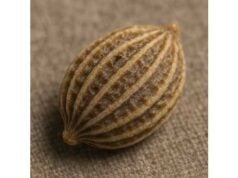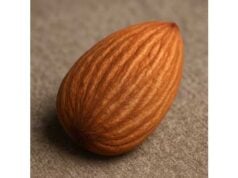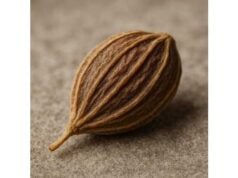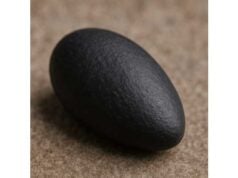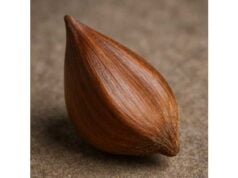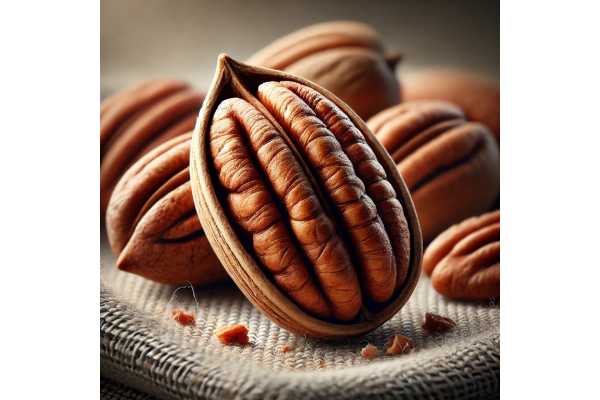
Pecans are buttery, softly sweet tree nuts native to North America that deliver concentrated nutrition in a small handful. They’re rich in monounsaturated fats, plant protein, fiber, and minerals such as manganese, copper, and zinc. In the kitchen, pecans are versatile: toss them over salads, pulse into pesto, whisk into satay-style sauces, or fold into whole-grain batters. Beyond classic pies, pecans shine in savory cooking—crusted on fish or chicken, sprinkled on roasted vegetables, or blended into creamy nut butter. Research continues to examine how daily pecan snacks influence blood lipids and overall diet quality, adding nuance to what we know about heart health and weight-conscious eating. Like all tree nuts, pecans are an allergen and require careful handling and storage. This guide brings you an in-depth look at what’s inside pecans, how to use them well, who should be cautious, and practical tips to keep them fresh without losing nutrients.
Top Highlights
- Rich in monounsaturated fat, fiber, and minerals that support heart health and satiety.
- Evidence from randomized trials shows daily pecan snacks (57–68 g) can improve cholesterol profiles.
- Common allergen: avoid if you have a tree nut allergy; cross-contact matters.
- Typical serving: 28 g (about 19 halves) once daily fits most healthy eating patterns.
- People with nut allergies, very low-fat therapeutic diets, or on strict potassium-restricted plans should limit or avoid.
Table of Contents
- Pecans detailed overview
- Pecans nutrition profile
- Evidence-backed pecan benefits
- Risks, allergies and interactions
- Selecting quality sustainability and storage
- Preparation, cooking and nutrient retention
- Portions, comparisons and FAQs
Pecans detailed overview
Pecans (Carya illinoinensis) are drupes from hickory trees, with edible kernels protected by a hard shell. They’re naturally low in sugars and sodium, with most calories coming from fat—primarily oleic acid (the same heart-friendly monounsaturated fat prominent in olive oil) alongside linoleic acid, a polyunsaturated omega-6. A typical handful (28 g; ~19 halves) supplies about 200 kcal, 3 g of protein, 2–3 g of fiber, and a broad spectrum of minerals. Flavor varies by cultivar and handling: fresher nuts taste sweeter and more aromatic, while stale or poorly stored nuts skew bitter due to oxidation.
What sets pecans apart among tree nuts is their combination of texture, delicate sweetness, and a fat profile that works in both sweet and savory recipes. They grind smoothly for sauces and butters, toast evenly without tough skins, and carry spices beautifully. For plant-forward eaters, pecans are a convenient way to raise energy density, improve meal satisfaction, and add crunch without relying on refined toppings. In clinical nutrition, trials increasingly evaluate pecan snacks as substitutions for common processed snacks, with outcomes measured on LDL-cholesterol, triglycerides, apolipoprotein B, and overall diet quality. Those studies help translate pecans from a holiday treat into an everyday, diet-quality-raising food.
From a sustainability lens, pecan orchards are long-lived perennial systems. Mature trees can support soil carbon and biodiversity when managed with cover crops and efficient irrigation. Regional water needs vary widely, so sustainable growers adopt micro-irrigation, mulching, and integrated pest management to reduce inputs. For consumers, the biggest sustainability wins are simple: buy what you’ll use within a few months, store properly to prevent waste, and choose minimally processed nuts (unsalted, unglazed) when possible.
Finally, pecans are a major allergen. Anyone with a known tree nut allergy should avoid them entirely unless advised otherwise by an allergist. Kitchens that cook for mixed eaters should use clear labeling, separate utensils, and closed containers to prevent cross-contact with other foods.
Pecans nutrition profile
Reference basis: values per 100 g of raw pecan kernels. % Daily Value (%DV) uses current U.S. Daily Values for adults and children ≥4 years (2000 kcal reference).
Macros and electrolytes (per 100 g)
| Nutrient | Amount | %DV |
|---|---|---|
| Energy | 691 kcal | — |
| Water | 3.5 g | — |
| Protein | 9.2 g | 18% |
| Total fat | 71.9 g | 92% |
| Saturated fat | 6.2 g | 31% |
| Carbohydrate | 13.9 g | 5% |
| Dietary fiber | 9.6 g | 34% |
| Total sugars | 4.0 g | — |
| Sodium | 0 mg | 0% |
| Potassium | 410 mg | 9% |
Fats and fatty acids (per 100 g)
| Component | Amount | Notes |
|---|---|---|
| Monounsaturated fat (primarily oleic acid) | ~41 g | Typically ~55–60% of total fat. |
| Polyunsaturated fat (primarily linoleic acid) | ~22 g | Often ~25–35% of total fat. |
| Alpha-linolenic acid (ALA, omega-3) | ~1.0 g | Small but present. |
| Saturated fatty acids (total) | 6.2 g | Mostly palmitic and stearic. |
| Cholesterol | 0 mg | Plant food; cholesterol-free. |
Protein and amino acids (per 100 g)
| Measure | Amount |
|---|---|
| Protein | 9.2 g |
| Limiting amino acids | Lysine, methionine (typical of nuts/legumes) |
Vitamins (per 100 g)
| Vitamin | Amount | %DV |
|---|---|---|
| Thiamin (B1) | 0.66 mg | 55% |
| Riboflavin (B2) | 0.13 mg | 10% |
| Niacin (B3) | 1.17 mg | 7% |
| Vitamin B6 | 0.21 mg | 12% |
| Folate (DFE) | 22 µg | 6% |
| Vitamin E (alpha-tocopherol) | ~1.4 mg | 9% |
| Vitamin K | Trace | — |
Minerals (per 100 g)
| Mineral | Amount | %DV |
|---|---|---|
| Manganese | ~4.5 mg | 196% |
| Copper | ~1.2 mg | 133% |
| Zinc | ~4.5 mg | 41% |
| Magnesium | ~120 mg | 29% |
| Phosphorus | ~277 mg | 22% |
| Calcium | ~70 mg | 5% |
| Iron | ~2.5 mg | 14% |
| Selenium | ~4 µg | 7% |
Bioactives and phytonutrients
- Polyphenols: pecans contain flavonoids (e.g., catechins) and phenolic acids (e.g., ellagic acid), plus proanthocyanidins.
- Phytosterols: naturally present; contribution varies by cultivar and processing.
- Antioxidant capacity: concentrated in pellicle (skin); gentle roasting preserves much of it.
Allergens and intolerance markers
- Major allergen class: tree nut proteins (2S albumins, 7S vicilins, 11S legumins).
- Cross-reactivity: often reported with walnuts; allergy management requires individualized medical advice.
Anti-nutrients (contextual)
- Phytates and tannins can bind minerals; soaking, toasting, or baking can modestly reduce phytate and improve flavor.
- Practical impact is small within a varied diet.
Glycemic and acid–base metrics
- Naturally low in available carbohydrate; very low glycemic load per typical serving.
- PRAL is near neutral to slightly acid-forming; pair with vegetables for balance.
Additives and fortification
- Plain pecans are unfortified. Seasoned/packaged products may include salt, sugars, oils, or glazes—check labels.
Contaminants/residues
- As with other nuts and dried foods, improper storage can permit mold growth and mycotoxin formation; buy fresh, store cold and dry.
Values are typical and vary by cultivar, growing region, harvest year, and moisture content. Percent Daily Values reflect current label standards.
Evidence-backed pecan benefits
Cardiometabolic health (lipids and lipoproteins). Multiple randomized controlled trials have tested substituting pecans for usual snack foods. In adults at risk of cardiometabolic disease, replacing common snacks with approximately two ounces of pecans daily for 12 weeks improved total cholesterol, LDL-cholesterol, non-HDL-cholesterol, and triglycerides versus continuing the usual diet. An earlier trial in adults at risk for cardiovascular disease reported reductions in fasting LDL, triglycerides, apoB, and non-HDL over eight weeks when pecans were added or substituted isocalorically. These studies emphasize “food swaps”: when pecans displace refined, high-saturated-fat snacks, lipid improvements are larger and more consistent than when calories are simply added. Practical takeaways:
- For lipid impact, use pecans as substitutions, not add-ons.
- Doses in trials: ~57–68 g/day (2–2.5 oz).
- Effects emerge by 8–12 weeks and align with broader nut evidence.
Diet quality and satiety. Pecan snacking can raise Healthy Eating Index scores by nudging patterns toward more unsaturated fats and fiber, while providing crunch and satisfaction that reduce reliance on ultra-processed snacks. In practice, a 28–42 g serving can stabilize hunger between meals and improve the texture and nutrient density of salads, yogurt bowls, and vegetable dishes.
Glycemic balance. Pecans are low in digestible carbohydrate and contain fiber and fat that slow gastric emptying. When paired with carbohydrate-rich foods (e.g., oats, fruit, sweet potatoes), they help blunt rapid rises in blood glucose. For people managing post-meal glucose, add 1–2 tablespoons of chopped pecans to cereal, yogurt, or grain bowls, or use pecan butter as a spread on whole-grain toast with sliced fruit.
Nutrient density for micronutrient gaps. Pecans offer notable amounts of manganese (>100% DV per 100 g), copper (>100% DV), and meaningful zinc, magnesium, and thiamin. These minerals support antioxidant enzymes, energy metabolism, and immune function. For plant-based eaters, pecans contribute iron and zinc alongside protein and energy, filling small but useful portions of daily targets.
Inflammation and oxidative stress. Pecans provide polyphenols (flavonoids, phenolic acids) concentrated in the thin brown pellicle. Gentle toasting preserves most polyphenols while increasing palatability; heavy caramelization can introduce excess sugars and advanced glycation products, which are best minimized.
Weight-conscious eating. Despite their energy density, nuts are not consistently linked with weight gain when they replace lower-quality calories. Their crunchy texture, fiber, and fat promote fullness; some fat is lost in the stool due to incomplete mastication and encapsulation within plant cell walls. As with any calorie-dense food, portion awareness matters: start with 28 g and adjust to your energy needs.
Brain and nerve support. Pecans supply thiamin and copper—nutrients essential for energy metabolism and antioxidant defense within neural tissues. While no single nut is a “brain cure,” swapping pecans for refined snacks is a realistic habit that supports overall dietary patterns associated with healthier aging.
Risks, allergies and interactions
Allergy. Pecans are one of the major tree nuts that can trigger IgE-mediated reactions, ranging from hives and vomiting to life-threatening anaphylaxis. Cross-reactivity with other tree nuts—especially walnut—can occur, but it is not universal; diagnosis and nut-by-nut guidance require an allergist’s evaluation using clinical history, skin testing or specific IgE, and when appropriate, medically supervised oral food challenges. Children and adults with confirmed tree nut allergy should avoid pecans and products that may contain them. For households with mixed diets, prevent cross-contact by storing pecans in sealed containers, designating nut-only utensils, and preparing allergen-free foods first.
Choking hazard. Whole nut halves present a choking risk for toddlers; follow age-appropriate forms (e.g., thinly spread pecan butter or finely ground pecans mixed into soft foods).
Mycotoxins and rancidity. Like other nuts and dried foods, pecans can support mold growth and mycotoxin formation if moisture and warmth are uncontrolled. Buy fresh nuts, store airtight in the refrigerator or freezer, and discard any with musty smells or visible mold. Oxidized (rancid) fat smells “paint-like” or bitter; when in doubt, throw it out.
Medication and condition considerations.
- Energy-restricted diets: Pecans are calorie-dense. Include them in place of, not in addition to, other fats/snacks.
- Gallbladder disease or severe fat malabsorption: Some individuals are advised to limit high-fat foods; follow personalized medical advice.
- Potassium-restricted diets: Pecans contain moderate potassium; a 28 g serving provides ~115–140 mg. Confirm allowances with your clinician.
- Sodium-sensitive hypertension: Choose unsalted pecans; flavored mixes can be high in sodium or added sugars.
- Oral immunotherapy: Any desensitization to tree nuts must be supervised by a specialist; do not attempt at home.
Food safety at home. Keep nuts away from moisture. Use clean scoops (not hands) in bulk bins. If you buy in bulk, immediately repackage in small airtight bags and freeze portions you won’t use within two months.
Selecting quality sustainability and storage
How to choose.
- Look: Plump halves with intact ridges and a matte, light-to-medium brown color. Avoid pieces with cracks, shriveled kernels, dark oil-stained patches, or white bloom (a sign of oxidation).
- Smell: Fresh pecans smell sweet and slightly buttery. Bitter or paint-like aromas signal rancidity.
- Feel: Kernels should be firm and crisp, not rubbery.
Forms and labels.
- Raw vs. roasted: Raw delivers a subtler flavor and maximum flexibility for cooking. Dry-roasted (no added oil) enhances aroma; oil-roasted raises total fat and often sodium.
- Halves vs. pieces: Halves stay fresher longer; pieces are convenient for baking and toppings but oxidize faster.
- Unsalted vs. seasoned: Keep a base pantry bag of unsalted pecans for cooking and add seasoned varieties for occasional snacking.
- Organic: Indicates farming standard, not nutrition; choose based on budget and values.
Sustainability notes. Pecans are a perennial crop; well-managed orchards can support pollinators and soil carbon. Water needs vary by climate; producers increasingly use efficient micro-irrigation and mulches. As a consumer, the biggest environmental lever is preventing waste: buy fresh, store cold, and rotate stock.
Best-practice storage.
- Short term: Airtight container in a dark, cool cupboard (≤1 month).
- Better: Refrigerate in airtight containers (≤6 months).
- Best: Freeze in well-sealed bags or jars (6–12 months+).
- After opening: Keep air space minimal; reseal promptly.
- Avoid: Warm kitchens, clear jars in direct light, or repeated temperature swings.
Shelf-life cues.
- Still good: Crisp snap, sweet-nutty aroma.
- Going stale: Softer bite, faint bitterness—use soon in cooked recipes.
- Past prime: Bitter, waxy, or paint-like smell—discard.
Budget tips. Buy during harvest season (autumn–winter) for fresher stock, compare unit prices on halves vs. pieces, and store bulk purchases in the freezer. If you often use chopped nuts, buy halves and chop just before using to preserve flavor.
Preparation, cooking and nutrient retention
Toasting basics (stovetop or oven). Light toasting heightens aroma with minimal nutrient loss. Spread pecans in a single layer and toast until fragrant and slightly darker:
- Dry-skillet: Medium-low heat, 4–6 minutes, stirring often.
- Oven: 160–170°C (320–338°F) for 8–12 minutes, stirring once.
- Air-fryer: 150–160°C (302–320°F) for 5–7 minutes, shaking halfway.
Remove promptly to stop carryover cooking. Over-browning increases bitterness.
Flavor strategies.
- Savory: Smoked paprika + garlic; rosemary + lemon zest; miso-maple glaze; berbere or ras el hanout for roasted vegetables.
- Sweet-leaning: Cinnamon + orange zest; vanilla + cardamom. Use minimal added sugar—pecans are naturally sweet.
- Crunch insurance: Toss warm pecans with a teaspoon of aquafaba (chickpea water) plus spices, then bake briefly to set a light, crisp coating without excess oil.
Maximizing nutrients.
- Fat quality: Dry-roast or pan-toast without added oil to avoid unnecessary saturated fat.
- Polyphenols: Keep roasts light; heavy caramelization or sugar glazes can mask benefits.
- Mineral bioavailability: Pair pecans with vitamin C-rich foods (citrus, berries, peppers) to enhance non-heme iron absorption from plant meals.
- Protein complementarity: Combine pecans with legumes or whole grains to round amino acid profiles (e.g., pecan-lentil salad, farro-pecan pilaf).
Kitchen uses beyond snacking.
- Pecan butter: Blend toasted pecans with a pinch of salt; thin with warm water for sauces.
- Crusts: Pulse pecans with oats and herbs for a crisp coating on fish or tofu.
- Dairy-free cream: Puree soaked pecans with water and a little lemon for silky soups.
- Baking swaps: Replace 25–50% of flour weight in crumble toppings with finely ground pecans for flavor and texture.
Food safety with leftovers. Add toasted pecans to a separate airtight jar after cooling fully; condensation encourages staleness. Re-crisp in a 150°C (302°F) oven for 4–5 minutes if needed.
Portions, comparisons and FAQs
How much is a serving?
- Standard portion: 28 g (~¼ cup, ~19 halves). For everyday eating, most adults can include 1 serving daily as part of total fat needs.
- Study doses: 57–68 g/day (2–2.5 oz) used in lipid trials—best applied as swaps for refined snacks or dessert fats.
How often can I eat them?
- For heart-health patterns, 1 small handful daily or 5–7 days/week as part of an overall balanced diet is reasonable. If you need weight loss or have low energy needs, start with 14–21 g and adjust.
Pecans vs. other nuts (per 28 g, typical):
- Pecans: Highest in monounsaturated fat among common nuts after macadamias; lower in omega-3 than walnuts; very low sodium; mildly sweet.
- Walnuts: Richest plant source of ALA omega-3; stronger bitterness; excellent in savory dishes.
- Almonds: Higher vitamin E; more crunch; skins add extra fiber.
- Pistachios: More protein; green pigments and unique flavor; often sold salted.
- Cashews: Creamiest texture; lower fiber; often used in dairy-free sauces.
Are pecans good for diabetes?
Yes—as swaps. Pecans are low in available carbohydrate and can lower the glycemic impact of meals that include grains or fruit. Pair 1–2 tablespoons of chopped pecans with oats or yogurt to improve texture and post-meal satisfaction.
Do pecans cause weight gain?
Not when incorporated mindfully. Replace, don’t add: swap pecans for chips, crackers, or dessert toppings. Pre-portion into 28 g snack bags if you tend to over-nibble.
Can I eat pecans if I have high cholesterol?
Pecans can be part of a heart-healthy pattern. Use them to replace foods high in saturated fat and refined carbs. Aim for unsalted, minimally processed nuts.
Why do some pecans taste bitter?
Bitterness usually signals oxidation (rancidity). Buy fresh nuts, store cold, and avoid clear jars in bright light. Toast lightly before use to revive aroma, but discard if flavors are off.
Are raw pecans safer or more nutritious than roasted?
Light roasting enhances flavor and digestibility with minimal nutrient loss. Avoid heavy glazing or deep-roasting that adds sugars or excessive oils. If you enjoy raw, ensure freshness and proper storage.
Kid-safe ways to serve pecans?
For children under 4, serve thinly spread pecan butter on soft foods or finely ground pecans mixed into yogurt, oatmeal, or purees to reduce choking risk. For school lunches, verify nut policies.
Budget and storage FAQs.
- Can I freeze them? Yes. Pecans freeze well; use airtight bags or jars and label dates.
- How long do they keep? Pantry (≤1 month), fridge (≤6 months), freezer (6–12 months+).
- What about seasoned nuts? Enjoy occasionally; check sodium and sugar. Keep a base supply of unsalted halves.
References
- Consuming pecans as a snack improves lipids/lipoproteins and diet quality compared with usual diet in adults at increased risk of cardiometabolic diseases: a randomized controlled trial – PubMed 2025 (RCT)
- Pecan-Enriched Diets Alter Cholesterol Profiles and Triglycerides in Adults at Risk for Cardiovascular Disease in a Randomized, Controlled Trial – PubMed 2021 (RCT)
- Tree Nut Allergy in Children—What Do We Know? – PMC 2024 (Systematic Review)
- Daily Value on the Nutrition and Supplement Facts Labels 2024 (Guidance)
- Mycotoxins 2023 (Fact Sheet)
Disclaimer
The information in this article is educational and is not a substitute for personalized medical advice, diagnosis, or treatment. Always consult your healthcare professional or registered dietitian about your specific health needs, allergies, and nutrition plan—especially if you have a medical condition, take prescription medications, or are considering dietary changes for cholesterol, weight, or blood sugar management.
If you found this guide helpful, please consider sharing it with friends or colleagues—on Facebook, X (formerly Twitter), or any platform you prefer. Your support helps us continue creating clear, evidence-based resources.