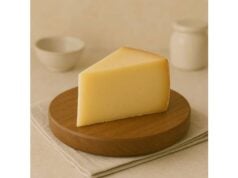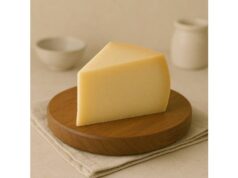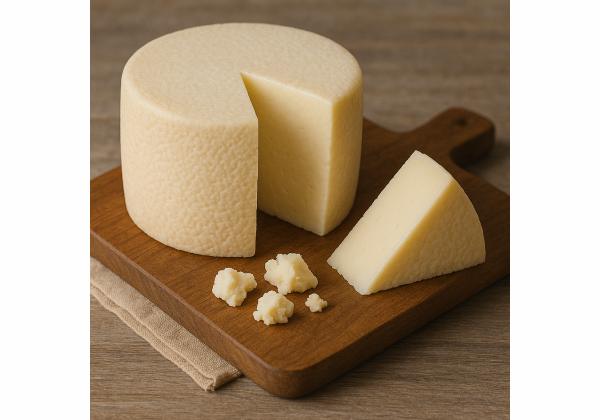
Pecorino Romano is Italy’s iconic sheep’s-milk grating cheese—salty, piquant, and intensely savory. Made under protected designation of origin (PDO) rules primarily in Sardinia, Lazio, and Grosseto, it’s aged to develop a firm, crystalline texture that melts into sauces and finishes dishes with concentrated umami. A small amount delivers bold flavor, which is why Roman pasta classics like cacio e pepe, amatriciana, and gricia rely on it. Nutritionally, Pecorino Romano provides high-quality complete protein, abundant calcium and phosphorus for bones, and B12 and riboflavin. It’s also naturally low in lactose after aging. Its biggest nutritional caveat is sodium: because wheels are salted and brined during maturation, the cheese is markedly saltier than many cow’s-milk hard cheeses. Used thoughtfully—grated over vegetables, beans, or whole grains—Pecorino Romano can elevate meals without much volume. This guide explains what sets the cheese apart, its full nutrition profile per 100 grams with % Daily Value, practical health benefits and risks, how to choose and store it, simple cooking techniques that preserve nutrients and flavor, and smart portions with everyday comparisons.
Top Highlights
- Dense source of protein (≈32 g/100 g) and calcium (≈1,080 mg/100 g) to support muscles and bones.
- Typical serving is 10–15 g grated, 3–5 times weekly, to add flavor without excess sodium.
- Hard, aged, pasteurized Pecorino Romano is generally safe in pregnancy; deli-sliced cheeses should be heated.
- Naturally very salty; people with hypertension or sodium-sensitive conditions should limit intake.
- Low in lactose after aging; those with cow’s-milk protein allergy or on MAOIs should avoid aged cheeses.
Table of Contents
- Pecorino Romano: Detailed Overview
- Nutrition Profile (per 100 g)
- Evidence-Based Health Benefits
- Risks, Allergies and Interactions
- Selecting, Quality, Sustainability and Storage
- Preparation, Cooking and Nutrient Retention
- Portions, Comparisons and FAQs
Pecorino Romano: Detailed Overview
Pecorino Romano is a hard, cooked cheese made exclusively from full-fat sheep’s milk and traditionally produced in specific Italian regions (Sardinia, Lazio, and the province of Grosseto). Its PDO status codifies the milk type, rennet (from lamb), salting methods, minimum aging, and even the markings stamped on the rind. Table cheese versions are typically aged at least five months for a firm, sliceable texture and a slightly spicy taste; grating wheels are aged at least eight months, moving toward a drier, friable crumb and more intense heat and pepper notes. The production season runs chiefly from autumn through early summer, following the sheep’s lactation rhythm, which contributes to flavor variation over the year.
Distinctive features include a compact, ivory-to-straw paste and a thin rind that may be protected with a neutral coating. The interior structure is tight, with occasional mechanical openings. Flavor concentrates through brining and repeated dry-salting, which also boosts shelf-life. Because the cheese is sheep’s-milk based, it has a naturally higher calcium and certain medium-chain fatty acids compared with many cow’s-milk cheeses, along with a richer “lanolin-like” aroma some tasters describe as woolly or pastoral.
Culinary roles are primarily as a finishing and grating cheese. A teaspoon or two boosts soups, roasted vegetables, grilled greens (like broccoli rabe), polenta, chickpeas, beans, and grain salads. In pasta, it emulsifies with starchy cooking water to form glossy sauces without needing much cream or butter. Pecorino Romano is also excellent shaved over raw preparations such as carpaccio of zucchini or fennel, where its saltiness seasons the dish outright.
Although aged cheeses are often low in lactose, they’re not automatically suitable for everyone. Casein allergy (to milk proteins) is distinct from lactose intolerance and requires avoiding all dairy. Another key attribute is sodium: Pecorino Romano’s salting stage makes it considerably saltier than Parmigiano Reggiano and Grana Padano; small portions are the norm and keep dishes balanced. As with all strong cheeses, success is about proportion—using a little, in the right place, for maximum flavor return.
Nutrition Profile (per 100 g)
Serving note: Most home cooks use 10–15 g (about 2–3 teaspoons grated) at a time. The tables below present values per 100 g to standardize comparisons across foods; %DV uses current FDA Daily Values for adults and children ≥4 years.
Macros & Electrolytes (per 100 g)
| Nutrient | Amount | %DV |
|---|---|---|
| Energy | 392 kcal | — |
| Protein | 32.1 g | 64% |
| Total Fat | 27.5 g | 35% |
| Saturated Fat | 17.5 g | 88% |
| Carbohydrate | 3.6 g | 1% |
| Total Sugars | 0.8 g | — |
| Sodium | 1,454 mg | 63% |
| Potassium | 87 mg | 2% |
| Cholesterol | 105 mg | 35% |
What this means in practice: a modest 10 g sprinkle provides roughly 39 kcal, ~3.2 g protein, and ~145 mg sodium—enough to season a serving of vegetables or pasta without a heavy calorie load.
Fats & Fatty Acids
| Component | Amount (g) | Notes |
|---|---|---|
| Saturated Fat | 17.5 | Primary contributor to %DV; enjoy in small portions. |
| Monounsaturated Fat | ~8.0 | Predominantly oleic acid. |
| Polyunsaturated Fat | ~0.6 | Includes small omega-3 and omega-6 fractions. |
| Omega-3 Fatty Acids | ~0.31 | Minor but present due to sheep’s-milk fat profile. |
Protein & Amino Acids
- Complete dairy proteins rich in leucine, lysine, and other essential amino acids that support muscle maintenance.
- Highly digestible casein-and-whey matrix; aging further breaks proteins into savory peptides that contribute umami.
Vitamins
| Vitamin | Amount | %DV |
|---|---|---|
| Vitamin B12 (cobalamin) | ~1.14 µg | 48% |
| Riboflavin (B2) | ~0.39 mg | 30% |
| Vitamin A (RAE) | ~97.5 µg | 11% |
Minerals
| Mineral | Amount | %DV |
|---|---|---|
| Calcium | ~1,079 mg | 83% |
| Phosphorus | ~771 mg | 62% |
| Zinc | ~5.86 mg | 53% |
| Selenium | ~33.9 µg | 62% |
Allergens & Intolerance Markers
- Contains milk proteins (casein, whey)—a major allergen.
- Naturally low in lactose after aging; many with lactose intolerance tolerate small portions.
- Aged cheeses may contain biogenic amines (e.g., histamine, tyramine); see interactions in the safety section.
Additives & Fortification
- Traditional PDO Pecorino Romano is not fortified. Protective rinds may use approved coatings; the edible interior is free from colorants or flavorings under the PDO rules.
Carbohydrates & Glycemic Metrics
- Very low carbohydrate and sugars, effectively negligible glycemic impact at typical serving sizes.
Footnote on values: Nutrient amounts are representative of Romano-type sheep’s-milk grating cheese; brands vary with season, age, and moisture. %DV figures are based on FDA Daily Values (Sodium 2,300 mg; Calcium 1,300 mg; Protein 50 g; etc.).
Evidence-Based Health Benefits
Protein quality and satiety. Pecorino Romano delivers complete proteins with abundant leucine, which supports muscle protein synthesis. Even small amounts can improve the protein density of plant-forward meals—think chickpeas with greens, or farro tossed with grated cheese—promoting satiety without a large portion size.
Bone-supporting minerals. A 100 g reference portion provides ≈83% DV for calcium and ≈62% DV for phosphorus—two minerals that work together in bone structure and remodeling. In practice, a 10–15 g topping adds roughly 8–12% DV calcium to a meal. When paired with vitamin D sources (e.g., salmon, eggs) or sunlight exposure, the calcium is better utilized.
Fermentation matrix matters. Cheese’s nutrient matrix—proteins, minerals, fatty acids, and fermentation-derived peptides—may influence health markers differently than the same nutrients eaten separately. Across large prospective evidence syntheses, cheese consumption typically shows neutral to modestly beneficial associations for cardiovascular outcomes at moderate intakes. The nonlinear pattern often reported (benefit plateauing around a few dozen grams per day) fits the “little goes a long way” approach with Pecorino Romano.
Lactose friendly for many. With extended aging, residual lactose approaches negligible levels. Many people with lactose intolerance tolerate small portions of hard, aged cheeses without symptoms, especially when eaten with other foods. This makes Pecorino Romano a practical way to add dairy-derived protein and calcium to lactose-restricted diets—always guided by personal tolerance.
Flavor efficiency supports healthier swaps. Because Pecorino Romano is so flavorful, using a teaspoon or two can help you cut back on added salt elsewhere in the recipe, or replace larger amounts of heavier sauces (cream, butter-rich toppings). It also encourages vegetable-forward dishes: shaving it over bitter greens or roasted roots adds depth that makes those foods more appealing.
Culinary synergy. Combining small amounts of Pecorino Romano with potassium-rich vegetables and legumes (tomatoes, beans, spinach, squash) can help nutritional balance in a meal. Potassium counterbalances sodium’s effect on blood pressure at the dietary level, so building plates with both elements in mind is a practical strategy.
Bottom line: As part of an overall balanced pattern, modest Pecorino Romano intake can contribute valuable nutrients and culinary satisfaction, with the strongest benefits realized when portions are small and meals emphasize plants, whole grains, and healthy fats.
Risks, Allergies and Interactions
Sodium load. Pecorino Romano’s manufacturing includes brining and dry salting, so it’s comparatively high in sodium. Per 100 g it supplies roughly 63% of the Daily Value; even 10 g adds about 145 mg. People managing hypertension, chronic kidney disease, or sodium-sensitive conditions should limit frequency and portion size. If you use it, balance the plate with potassium-rich vegetables and pulse foods, and avoid adding extra salt elsewhere.
Saturated fat and calorie density. At ≈392 kcal and 17.5 g saturated fat per 100 g, Pecorino Romano is energy-dense. The typical 10–15 g sprinkle keeps saturated fat within a few grams, but larger portions can quickly exceed targets. If you’re working on lipid management, small amounts as a finishing accent are the most practical approach.
Allergies and intolerance. Pecorino Romano contains milk proteins (casein and whey) and is unsafe for those with IgE-mediated milk allergy. For lactose intolerance, many tolerate small portions due to aging and low residual lactose; however, responses vary—assess your own threshold.
Pregnancy and food safety. Hard cheeses made from pasteurized milk are generally considered safe in pregnancy. The key risks for Listeria involve soft cheeses and unpasteurized products. If buying deli-sliced cheese, reheating to steaming hot reduces risk from cross-contamination. Always check labels for pasteurization and store chilled.
Biogenic amines (tyramine, histamine). Aged cheeses can contain tyramine and other amines, which may trigger symptoms in sensitive individuals (e.g., migraines) and can dangerously interact with monoamine oxidase inhibitors (MAOIs) and certain antibiotics like linezolid. People on these medicines are commonly advised to avoid aged cheeses entirely. If you have a history of amine sensitivity, monitor symptoms and discuss alternatives with a clinician.
Not vegetarian under PDO rules. Traditional Pecorino Romano uses animal rennet (from lamb). Those following strict vegetarian diets should look for explicitly labeled vegetarian alternatives (not PDO Pecorino Romano) or use plant-rennet hard cheeses.
Rind coatings and handling. The natural rind may be coated to protect the wheel; the interior paste is the edible portion. If you save rinds for soup, scrub before use, and simmer whole rinds rather than grating the outer surface.
Medication considerations. Beyond MAOIs, individuals on strict sodium-restricted diets, certain diuretics, or heart-failure regimens should confirm appropriate serving limits with their healthcare team.
Selecting, Quality, Sustainability and Storage
Authenticity markers. Look for the diamond-shaped Pecorino Romano logo stamped on the rind, along with a producer code and month/year of production. Packaging for wedges often repeats these markings. “Pecorino Romano” is distinct from generic “Romano” cheeses made outside the PDO area or from cow’s milk.
What to buy.
- Whole wedge vs pre-grated: A wedge retains aroma and moisture better. Grate to order for fuller flavor and less clumping.
- Age statement: For grating and punchier flavor, choose ≥8 months. For table use (shaving, boards), 5–8 months offers a touch more moisture and gentler spice.
- Color and aroma: Paste should be ivory to pale straw; avoid cracked surfaces or sour, ammoniac notes.
- Rind: A firm, thin rind is normal. Protective coatings may be neutral or black; they’re not for eating.
Sustainability cues. Pecorino Romano’s PDO framework ties production to specific landscapes and breeds, fostering regional grazing traditions. Sheep’s-milk cheeses are often seasonal, reflecting pasture conditions and local feed. Choosing PDO products supports these agro-pastoral economies. To shrink your footprint, buy exact amounts you will use, store properly to minimize waste, and favor wedges over large pre-grated tubs that stale faster.
Storage guidance.
- Refrigeration: Wrap wedges in breathable paper (waxed or parchment) under a loose layer of foil, or use a cheese paper. Avoid plastic wrap directly on the paste for long-term storage. Keep in the vegetable drawer where humidity is higher and temperature steadier.
- Timing: A well-wrapped wedge keeps quality for several weeks; once cut into smaller pieces or grated, aim to use within 2–4 weeks for best flavor.
- Freezing: Grated Pecorino Romano freezes well for several months in airtight bags; thaw quickly in the fridge just before use. Freezing whole wedges can make texture crumbly; if you freeze, plan to grate for cooking rather than slicing.
- Mold management: Surface spots on the cut face can be trimmed generously (1–2 cm around/under the spot). If mold appears under coatings or spreads deeply, discard.
Smart shopping tips. Buy from high-turnover counters, ask for a sniff of a freshly cut face, and request the end of a wheel if you plan to shave slices for a board; it offers a broader piece with an attractive rind edge.
Preparation, Cooking and Nutrient Retention
Grating for emulsified sauces. Use a fine Microplane or rasp to create fluffy shavings with high surface area. Off the heat, whisk cheese into hot pasta water (or vegetable cooking water) to form an emulsion; add pasta and toss vigorously. This classic method preserves delicate aromas and minimizes scorching, which can turn flavors bitter.
Shaving and finishing. For salads or carpaccio of vegetables, use a peeler or mandoline to shave thin petals. The increased surface disperses salt and umami, allowing a smaller dose to season the whole dish.
Heat and nutrients. Minerals like calcium and phosphorus are heat-stable, and protein denatures rather than degrades—so gentle heating doesn’t “destroy” these nutrients. Vitamins B12 and riboflavin are somewhat heat sensitive, but typical finishing uses (folded off heat, quick gratings under a broiler) keep losses modest. Sodium remains unchanged by cooking; dilution comes only from using less.
Flavor-preserving steps.
- Grate last minute. Volatile aromas dissipate quickly.
- Use starchy water. A ladle of pasta or bean broth helps the cheese form a stable sauce without added cream.
- Keep temperatures moderate. Avoid high direct heat; Pecorino Romano browns rapidly due to protein and residual sugars.
- Balance with unsalted components. Pair with unsalted butter, no-salt canned beans, or simply cooked grains to offset sodium.
- Harness the rind. Add a well-scrubbed rind to simmering soups or sauces for body, then discard; it infuses flavor without much additional sodium per serving.
Simple applications that respect nutrition.
- Greens with lemon and Pecorino Romano: Toss steamed kale or broccoli rabe with olive oil and lemon, finish with 8–10 g grated cheese for structure and brightness.
- Pan con pomodoro: Thick toast rubbed with ripe tomato and garlic, drizzled with olive oil, dusted with 5–8 g cheese—big payoff for minimal quantity.
- White bean cacio e pepe: Use lots of black pepper and starchy bean broth to stretch a modest 12 g portion into a creamy coating for fiber-rich legumes.
Common pitfalls. Oversalting (remember the cheese brings salt), overheating (grittiness), and using too much (flavor becomes harsh). Start small; you can always add more at the table.
Portions, Comparisons and FAQs
Practical portions.
- Everyday finishing: 10–15 g (≈2–3 teaspoons grated) per serving.
- Pasta sauces: 15–25 g per portion when the cheese is the main seasoning, balanced with pepper, olive oil, or starchy water.
- Cheese board: 20–30 g shaved, paired with unsalted nuts and fresh fruit to temper sodium.
How often? For most healthy adults, 3–5 small uses per week fits comfortably within balanced patterns—especially if other meals emphasize potassium-rich plants and if overall saturated fat targets are maintained.
Pecorino Romano vs Parmigiano Reggiano.
- Milk: Sheep vs cow.
- Flavor: Sharper, saltier, more peppery vs nutty, slightly sweeter.
- Sodium: Typically higher in Pecorino Romano; this is the main nutritional difference consumers notice.
- Use: Pecorino Romano excels in pepper-forward Roman pastas and robust vegetable dishes; Parmigiano is more versatile for grating and eating in chunks.
Pecorino Romano vs Grana Padano.
- Milk & aging: Cow’s milk; often aged longer (9–20 months) with a milder, savory profile.
- Sodium & intensity: Generally lower sodium than Pecorino Romano; flavor is subtler, which may require a larger quantity to achieve the same impact.
Is it lactose free? Aged hard cheeses usually have very low lactose. Many lactose-intolerant individuals tolerate small amounts without symptoms. Individual limits vary.
Is it safe in pregnancy? Yes, if made from pasteurized milk and handled properly. Hard cheeses are low in moisture and undergo aging and salting that limit pathogen growth. Avoid unpasteurized cheeses and reheat deli-sliced cheeses to steaming hot.
Vegetarian? Traditional PDO Pecorino Romano uses lamb rennet, so it’s not vegetarian. Seek clearly labeled vegetarian hard sheep’s-milk cheeses if needed (not PDO).
Sodium-smart swaps. Use Pecorino Romano as a finisher rather than a bulk ingredient; combine with lemon juice, herbs, and pepper to amplify seasoning without more salt. On pizza or flatbreads, sprinkle a small amount post-bake for impact at lower quantity.
How do I spot quality? The rind should show the Pecorino Romano name and logo in a repeating pattern with producer codes and production month/year. Buy from high-turnover shops, and favor freshly cut wedges.
What about the rind? Save it. Simmer in soups, stews, and tomato sauces to extract savory depth, then remove and discard before serving.
References
- Commission Regulation (EC) No 1030/2009 of 29 October 2009 approving minor amendments to the specification of a name registered in the register of protected designations of origin and protected geographical indications (Pecorino Romano (PDO)) 2009
- Daily Value on the Nutrition and Supplement Facts Labels 2024 (Guidance)
- Cheese consumption and multiple health outcomes 2023 (Umbrella Review)
- Technical Note: Residual Lactose Content in PDO Cheeses: Targeting Exemptions for “Lactose Free” Declaration 2021
- Safer Food Choices for Pregnant Women | Food Safety 2025 (Guidance)
Disclaimer
This guide is for general education and is not a substitute for personalized medical advice, diagnosis, or treatment. Nutrient values vary by brand, age, and moisture. If you have hypertension, kidney disease, milk allergy, are pregnant, or take medications such as MAOIs or linezolid, consult your healthcare professional about appropriate cheese choices and serving sizes. In pregnancy, always verify pasteurization and follow food safety practices.
If you found this article useful, consider sharing it on Facebook, X (formerly Twitter), or your favorite platform to help others discover it and support our continued work. Thank you.