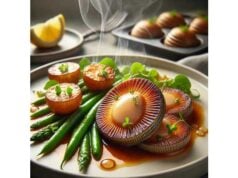
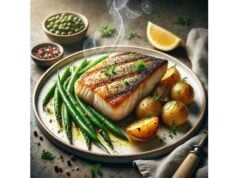
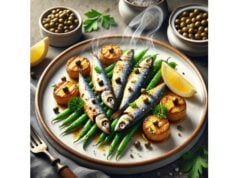
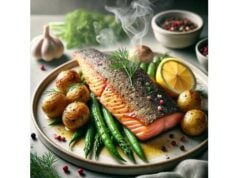
Perch is a mild, lean freshwater fish enjoyed across North America, Europe, and beyond—most commonly yellow perch (Perca flavescens) and Eurasian perch (Perca fluviatilis). Its delicate, slightly sweet flavor suits quick weeknight cooking as well as refined restaurant plates. Per 100 g, cooked perch delivers high-quality protein with very little saturated fat, plus B vitamins, selenium, and modest omega-3s. It cooks quickly, works with almost any seasoning, and holds together in pan-fries, oven bakes, chowders, tacos, or fish cakes. Because perch is often caught from lakes and rivers, smart sourcing matters: check local advisories for mercury or PFAS and look for reputable fisheries or responsible aquaculture. This guide covers what perch offers nutritionally, how it can support health, potential risks (and how to reduce them), how to buy and store it well, and the best ways to prepare it so you keep its nutrients—without sacrificing flavor.
Quick Overview
- High-protein, low-fat fish with vitamin B12, selenium, and modest omega-3s per 100 g.
- Typical cooked serving: 85–115 g (3–4 oz), enjoyed 2–3 times weekly as part of varied seafood.
- Safety note: freshwater perch may carry mercury or PFAS—follow regional fish advisories.
- Avoid raw freshwater perch; cook to 63 °C (145 °F) to inactivate parasites.
- People who are pregnant, breastfeeding, or serving young children should choose lower-mercury sources and obey local guidance.
Table of Contents
- Detailed Overview of Perch
- Perch Nutrition Profile
- Evidence-Based Health Benefits
- Risks, Allergies and Interactions
- Selecting, Quality, Sustainability and Storage
- Preparation, Cooking and Nutrient Retention
- Portions, Comparisons and FAQs
Detailed Overview of Perch
Perch is the culinary name for several closely related freshwater species. In markets and recipes, “perch” most often refers to yellow perch from North America or Eurasian perch from European and Asian waters. Both have firm, flaky flesh and a clean, mild taste that welcomes herbs, citrus, butter, and light breading. They are naturally lean, so they cook fast and are hard to over-season. Fillets are thin and quick-cooking; whole fish are common in some regions, where they are butterflied or pan-fried.
From a nutrition standpoint, perch is a protein-dense choice that fits heart-conscious and calorie-aware eating patterns. It provides complete protein with essential amino acids for muscle repair, plus B vitamins involved in energy metabolism. Minerals such as selenium and phosphorus support antioxidant enzymes and bone health. While not as omega-3-rich as salmon or mackerel, perch still contributes EPA and DHA in modest amounts—helpful for people who diversify seafood rather than rely on one species.
Sustainability varies by watershed and fishery management. Some commercial harvests, particularly certified or well-managed inland fisheries and recirculating aquaculture systems (RAS), can be responsible options. Conversely, certain lakes face pressure from overfishing or environmental contaminants. Because perch is frequently a local or regional fish, checking area-specific guides helps you balance nutrition with environmental stewardship.
Culinary versatility is part of perch’s appeal. It shines in:
- Pan-seared fillets with lemon and capers.
- Lightly breaded “shore lunch” with rye bread and quick slaw.
- Fish tacos with cabbage, lime, and yogurt-chili sauce.
- Mediterranean-style tray bakes with tomatoes, olives, and herbs.
- Chowders or fish cakes bound with mashed potato or cooked grains.
If buying fresh, the fish should smell clean, not “fishy,” and the fillets should look moist and translucent. Frozen perch can be excellent; look for solidly frozen packages with minimal ice crystals and a short ingredient list. Store fish cold (≤4 °C / 40 °F) and cook within 24 hours of thawing.
Perch Nutrition Profile
Reference basis: values below focus on cooked, dry-heat perch per 100 g, with % Daily Value using U.S. DVs (adults and children ≥4 years). Where a DV is not established, “—” appears. Actual values vary by species, water body, season, and preparation.
Macros & Electrolytes (per 100 g, cooked)
| Nutrient | Amount | %DV |
|---|---|---|
| Energy | ~105 kcal | — |
| Protein | ~22.0 g | 44% |
| Total fat | ~1.5 g | 2% |
| Saturated fat | ~0.3 g | 2% |
| Carbohydrate | 0 g | 0% |
| Fiber | 0 g | 0% |
| Sodium | ~70 mg | 3% |
| Potassium | ~300 mg | 6% |
Fats & Fatty Acids (per 100 g, cooked)
| Component | Amount | %DV |
|---|---|---|
| Omega-3 EPA + DHA | ~0.2–0.4 g | — |
| Omega-6 total | ~0.05–0.1 g | — |
| Cholesterol | ~85–95 mg | 28–32% |
Protein & Amino Acids
Perch provides all essential amino acids. Typical distribution per 100 g cooked includes leucine (~1.8 g), lysine (~2.0 g), and isoleucine (~1.0 g), supporting muscle protein synthesis and recovery after activity.
Vitamins (per 100 g, cooked)
| Vitamin | Amount | %DV |
|---|---|---|
| Vitamin B12 (cobalamin) | ~1.5–2.0 µg | 63–83% |
| Niacin (B3) | ~3.5–5.0 mg | 22–31% |
| Vitamin B6 (pyridoxine) | ~0.2–0.3 mg | 12–18% |
| Vitamin D | ~2–4 µg | 10–20% |
| Riboflavin (B2) | ~0.1–0.2 mg | 8–15% |
| Thiamin (B1) | ~0.05–0.1 mg | 4–8% |
Minerals (per 100 g, cooked)
| Mineral | Amount | %DV |
|---|---|---|
| Selenium | ~12–25 µg | 22–45% |
| Phosphorus | ~200–240 mg | 16–19% |
| Magnesium | ~30 mg | 7% |
| Zinc | ~1.0 mg | 9% |
| Iron | ~0.7–1.0 mg | 4–6% |
| Calcium | ~60–90 mg | 5–7% |
Bioactives/Phytonutrients
- EPA and DHA (long-chain omega-3s) in modest amounts support cell membranes and cardiometabolic health.
- Taurine (varies by species) may contribute to osmoregulation and antioxidant defenses.
Allergens & Intolerance Markers
- Fish is a major allergen. Perch proteins can trigger reactions in sensitized individuals. Cross-reactivity with other finfish is possible.
Contaminants/Residues
- Freshwater perch may accumulate methylmercury and, in some waters, PFAS or legacy PCBs. Levels vary by lake/river; follow local advisories and national guidance. Skin-on and older, larger fish may carry more contaminants.
Glycemic & Acid–Base Metrics
- Carbohydrate-free; glycemic impact is negligible. Protein contributes to satiety without spiking blood glucose.
Note on fortification & additives: Plain fish is unfortified. Seasoned or breaded retail products may add sodium or oils—check labels.
Evidence-Based Health Benefits
1) High-quality protein for muscle and metabolic health
A 100 g cooked portion provides ~22 g complete protein with leucine, lysine, and other essential amino acids that stimulate muscle protein synthesis. Regular intake helps maintain lean mass, particularly important during weight management, aging, or recovery from illness. Because perch is lean, it supports calorie control while delivering nutrients.
2) Cardio-friendly nutrient package
Perch is naturally low in saturated fat and supplies potassium and selenium—nutrients aligned with cardiovascular health. Even its modest EPA+DHA (roughly 0.2–0.4 g per 100 g) adds to weekly omega-3 totals when eaten alongside other lower-mercury seafood. Replacing higher-saturated-fat meats with lean fish can reduce dietary saturated fat and improve lipid patterns over time.
3) B vitamins and vitamin D for energy and neuromuscular function
Perch is a notable source of vitamin B12 (often covering two-thirds or more of the DV per 100 g) and niacin. These support red blood cell formation and energy metabolism. It also contributes vitamin D—helpful where sunlight is limited—although amounts vary and should complement, not replace, other vitamin D sources.
4) Selenium-dependent antioxidant support
Selenium in perch contributes to enzymes such as glutathione peroxidase that help counter oxidative stress. Adequate selenium status supports thyroid hormone metabolism and immune function. Perch can meaningfully contribute without exceeding safe upper limits when consumed in typical portions.
5) Blood sugar-friendly meals
With virtually zero carbs and solid protein, perch anchors meals for people managing blood glucose. Paired with high-fiber sides—like roasted vegetables, whole grains, or bean salads—it supports steadier post-meal responses and prolonged satiety.
6) Culinary versatility encourages healthier patterns
Food habits stick when meals taste great. Perch’s mild flavor works in light pan-sears, herbed bakes, and brothy soups—methods that use minimal added fat and salt. This versatility helps people sustain the recommended two or more seafood servings per week.
Practical tip: To build a nutrient-dense plate, combine perch with leafy greens (folate, vitamin K), a whole grain (fiber, magnesium), and a citrus-herb dressing (flavor with minimal sodium). This balances macronutrients and boosts micronutrients.
Risks, Allergies and Interactions
Allergy risk
Fish allergy can cause hives, wheeze, gastrointestinal symptoms, or anaphylaxis. People with a known finfish allergy should avoid perch unless cleared by an allergist. Cross-contamination at markets and restaurants is common; request separate surfaces and oils.
Methylmercury and other contaminants
Freshwater fish—including perch—may accumulate methylmercury. Risk depends on local water quality, fish age/size, and diet. National consumer guidance recommends choosing a variety of lower-mercury fish and following weekly intake limits, with extra caution for people who are pregnant, trying to conceive, or feeding young children. Some waters also carry PFAS or legacy PCBs; many states publish species- and water-specific advisories. Trimming skin and fat and choosing smaller fillets can modestly lower fat-soluble contaminants, though this does not remove mercury within the muscle.
Parasites and raw consumption
Raw or undercooked freshwater fish can transmit fish tapeworms (diphyllobothriids). To eliminate parasite risk at home, cook perch to a safe internal temperature of 63 °C (145 °F). Commercial freezing for sushi uses specific time–temperature controls; home freezers generally cannot guarantee the same parasite inactivation.
Drug–nutrient considerations
- Anticoagulants/antiplatelets: Fish oil supplements can increase bleeding risk at high doses; perch itself, with modest omega-3s, is unlikely to interact at normal food intakes.
- Sodium sensitivity: Plain perch is low in sodium; however, breaded or brined products can be high—read labels if managing blood pressure.
- Gout: Fish purines vary by species; lean white fish like perch are usually moderate. People with gout should balance fish intake with overall purine load and hydration.
Food safety
Handle perch like any perishable seafood: keep cold (≤4 °C / 40 °F), minimize time in the “danger zone” (5–60 °C / 41–140 °F), and cook to 63 °C (145 °F) until flesh is opaque and flakes easily. Refrigerate leftovers within two hours and use within 1–2 days.
Who should limit or avoid
- People who are pregnant or breastfeeding and young children: prioritize lower-mercury sources; apply local advisories for perch.
- Individuals with fish allergy: avoid unless medically supervised.
- Immunocompromised people: avoid raw freshwater fish and ensure thoroughly cooked meals.
Selecting, Quality, Sustainability and Storage
Buying tips
- Fresh fillets: Look moist and glossy with no browning or drying at edges. Aroma should be clean, like a fresh shoreline—never sour or ammonia-like.
- Whole fish: Clear, bright eyes; shiny skin; firm flesh that springs back.
- Frozen: Choose vacuum-packed fillets without frost or broken glaze. Short ingredient lists (fish only) are ideal.
Sustainability signals
Perch sustainability depends on the specific fishery or farm. Some inland fisheries and Marine Stewardship Council (MSC)-certified sources have strong management. Recirculating aquaculture systems (RAS) can be environmentally responsible when wastewater is treated and escapes are controlled. Conversely, certain lakes may face overfishing pressures or contaminant burdens. Practical steps:
- Favor certified fisheries or farms when available.
- Ask retailers about origin (lake/region/country) and harvest method.
- Rotate species across the week to spread demand and reduce pressure on any single stock.
Storage & shelf life
- Refrigerate fresh perch on ice (0–2 °C) and cook within 24 hours.
- Freeze tightly wrapped portions up to 3 months for best quality.
- Thaw overnight in the refrigerator or under cold, running water in a sealed bag.
- Leftovers keep 1–2 days refrigerated; reheat gently to avoid drying.
Quality cues by method
- Pan-sear: Dry the surface, season, and preheat the pan; fillets should release easily when a golden crust forms.
- Bake/roast: Cook on a preheated tray at 200–220 °C (400–425 °F) until just opaque.
- Poach/steam: Keeps moisture and delicate texture; ideal for low-fat cooking.
Avoiding off-flavors
In summer, algal metabolites in some lakes can create muddy notes. Soaking fillets 10–15 minutes in milk or buttermilk can mellow geosmin-type flavors (optional), but the most effective step is sourcing from clean waters and reputable suppliers.
Preparation, Cooking and Nutrient Retention
Goal: achieve safe doneness with minimal nutrient loss and maximal moisture.
Core safety target
Cook perch to an internal temperature of 63 °C (145 °F), measured in the thickest part. Visual cues: flesh turns opaque and flakes readily with a fork. This temperature inactivates common parasites and reduces bacterial risk.
Methods that protect nutrients
- Steam or gentle poach: Best for retaining B vitamins and keeping omega-3 losses low. Use aromatic liquids (lemon slices, herbs, peppercorn) to infuse flavor without extra fat.
- Bake in parchment (en papillote): Traps moisture and shortens cooking time, preserving heat-sensitive vitamins. Layer perch with thin vegetables, olive oil, and citrus zest; bake 8–12 minutes depending on thickness.
- Quick pan-sear: Minimal oil and high heat deliver a crisp exterior while the center stays juicy. Add a finish of lemon-herb butter or olive oil after cooking to limit omega-3 oxidation.
When frying or grilling
- Shallow-fry: Choose high-oleic oils and keep oil at 175–190 °C (350–375 °F). A light, dry coating (seasoned flour or fine breadcrumbs) reduces moisture loss; avoid heavy batters that absorb excess oil.
- Grill: Oil the grates, cook over medium-high heat, and flip once. Use a fish spatula to prevent tearing.
Flavor builders with nutrition in mind
- Citrus, dill, parsley, chives, capers, mustard, smoked paprika, and garlic complement perch without overpowering it.
- Pair with fiber-rich sides (whole-grain pilaf, lentil salad, roasted root vegetables) for balanced plates.
Food safety handling steps
- Keep raw fish separate from ready-to-eat foods and use dedicated cutting boards.
- Marinate in the refrigerator; discard used marinades or boil before reusing.
- Refrigerate leftovers within 2 hours; reheat to steaming hot.
Saving nutrients during prep
- Avoid prolonged soaking or repeated rinsing, which can leach water-soluble B vitamins.
- Trim dark, fatty tissue if advised by local advisories (for legacy fat-soluble contaminants), recognizing this does not affect mercury.
Portions, Comparisons and FAQs
How much is a serving?
For most adults, a typical cooked serving is 85–115 g (3–4 oz). As part of a varied seafood pattern, enjoying perch 2–3 times per week helps meet weekly seafood goals when balanced with other lower-mercury fish.
Perch vs. other white fish
- Tilapia: Similar leanness but often slightly lower in omega-3s than perch; widely farmed.
- Cod/pollock: Mild flavor and low fat; comparable protein; often available certified sustainable from marine fisheries.
- Trout (rainbow): Freshwater like perch but generally higher in omega-3s.
- Ocean perch (rockfish): A different family (Sebastes) sold as “perch” in some markets; firmer texture and marine sourcing.
Is perch a good omega-3 source?
It contributes some EPA+DHA but not as much as oily fish. Think of it as one building block in a week that also includes higher-omega-3 species.
Can I eat perch during pregnancy?
Yes—if you follow national guidance to choose lower-mercury species and adhere to local freshwater fish advisories. Mix different seafood choices across the week. Avoid raw freshwater fish.
Are bones a concern?
Perch fillets are usually well-trimmed with few pin bones, though small bones can remain. Run fingers along the fillet before cooking and use tweezers to remove any you feel.
Does freezing kill parasites?
Commercial sushi operations use specific time–temperature controls to inactivate parasites. Home freezers typically do not reach or maintain those standards reliably. Cooking to 63 °C (145 °F) is the safer home approach for freshwater fish.
Quick meal ideas
- Lemon-dill parchment parcels with asparagus and baby potatoes.
- Perch tacos with cabbage, cilantro, and lime-yogurt sauce.
- Herbed pan-sear with capers and a side of farro-tomato salad.
- Brothy fish stew with fennel, saffron, and white beans.
References
- Advice about Eating Fish 2024 (Guideline)
- Cook to a Safe Minimum Internal Temperature 2024 (Guideline)
- Safe Minimum Internal Temperature Chart 2020 (Guideline)
- About Diphyllobothrium 2023 (Guideline)
- Yellow perch Perch seafood recommendation 2020 (Guideline)
Disclaimer
This information is educational and not a substitute for personalized medical advice, diagnosis, or treatment. Nutrition and safety needs vary by age, health status, medications, and local environmental conditions. Consult a qualified healthcare professional and your regional fish consumption advisories for guidance tailored to you.
If you found this guide helpful, please consider sharing it on Facebook, X (formerly Twitter), or your favorite platform to support our work in creating clear, evidence-based food resources. Thank you.