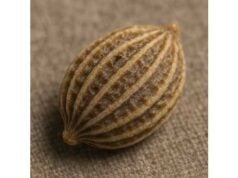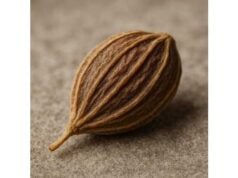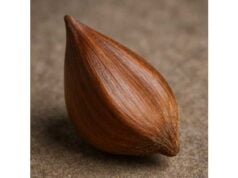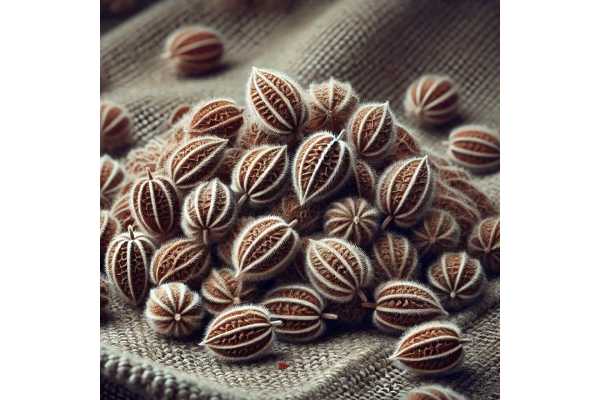
Perilla seeds—also called deulkkae (Korea), ege (Japan), or wild sesame (a misnomer)—are small, nutty seeds from Perilla frutescens. They are prized across East Asia for their deep flavor and for being one of the richest plant sources of the omega-3 fatty acid alpha-linolenic acid (ALA). A tablespoon of ground seeds adds aroma and texture to noodles, porridges, and vegetable dishes; the cold-pressed oil is used as a finishing drizzle, much like extra-virgin olive oil. Beyond taste, perilla seeds deliver protein, fiber, and minerals such as magnesium and phosphorus, making them a compact, nutrient-dense pantry staple. Their ALA content supports heart-smart patterns of eating when seeds or oil replace sources high in saturated fat. With thoughtful storage to prevent oxidation and a clear understanding of allergy risks, perilla seeds can be an easy way to diversify the fats, flavors, and textures on your plate.
Quick Overview
- Rich in plant omega-3 (ALA) and supportive of heart-healthy eating patterns.
- Provides protein, fiber, magnesium, and phosphorus per 100 g.
- Common serving: 1–2 tablespoons (8–16 g) of seeds or 1 teaspoon (5 mL) of oil, several times per week.
- Allergen note: documented seed allergy exists; avoid if you have seed allergies or prior reactions to perilla.
- People with diagnosed perilla seed allergy or those advised to limit high-omega-3 supplements should avoid concentrated oils.
Table of Contents
- What Perilla Seeds Offer
- Perilla Seeds Nutrition Profile
- Perilla Seeds Health Benefits
- Risks, Allergies and Interactions
- Selecting Quality, Sustainability and Storage
- Preparation, Cooking and Nutrient Retention
- Portions, Comparisons and FAQs
What Perilla Seeds Offer
Perilla seeds come from Perilla frutescens, a hardy mint-family plant cultivated across Korea, Japan, China, and parts of South and Southeast Asia. Cooks use whole or ground seeds to bring a warm, roasted flavor—somewhere between toasted sesame and walnut—to classic dishes like Korean perilla-seed soup (deulkkae-guk), gomguk, mixed-grain rice, and vegetable namul. Their oil, cold-pressed from the seed, is intensely aromatic and used as a finishing oil, not a frying fat.
Nutritionally, perilla seeds are notable for two things: a generous amount of complete protein for a seed, and a uniquely high proportion of alpha-linolenic acid (ALA), the essential omega-3 fat that our bodies can’t make. Depending on variety and growing conditions, perilla oil typically contains around 54–64% ALA—higher than most culinary oils—while the seeds themselves usually provide about 40–45% oil by weight. That combination places perilla among the densest food sources of ALA you can add to everyday meals without relying on capsules.
Beyond fats and protein, perilla seeds supply fiber and key minerals (especially magnesium and phosphorus), plus polyphenols and tocopherols (vitamin E family) that contribute to flavor stability and antioxidant activity. In traditional foodways, lightly toasted and freshly ground seeds are stirred into soups to add body and a creamy mouthfeel; in modern kitchens, they can enrich smoothies, oats, roasted vegetables, dips, and dressings.
From a culinary-nutrition perspective, the most practical advantage of perilla is how easy it is to “trade up” your fats. A small spoonful of seeds or a teaspoon of oil can replace some animal fat in a dish while adding flavor, texture, and omega-3s. That swap—paired with plenty of vegetables, legumes, and whole grains—aligns with a heart-forward pattern of eating.
Finally, perilla is an adaptable crop, with cultivars bred for seed, leaf, and ornamental use. For the seed, farmers prioritize high-oil, high-ALA varieties. As a rotational crop, perilla’s resilience to marginal soils in some regions adds to its appeal, while careful post-harvest handling (cool temperatures, low oxygen, and low light) helps preserve the delicate omega-3s in the oil.
Perilla Seeds Nutrition Profile
How to read these tables: Values reflect typical ranges for raw, whole perilla seeds (not defatted meal). Actual numbers vary by cultivar, soil, climate, and processing. Amounts are per 100 g; %DV uses current U.S. Daily Values for adults and children 4+ years. For nutrients without an established DV (for example, ALA), the %DV cell shows “—”.
Macros and Electrolytes (per 100 g, raw seeds)
| Nutrient | Amount | %DV |
|---|---|---|
| Energy | ~540–560 kcal | — |
| Water | 4–7 g | — |
| Protein | 20–25 g | 40–50% |
| Total fat | 42–46 g | 54–59% |
| Saturated fat | ~3.0–3.8 g | 15–19% |
| Monounsaturated fat | ~5–7 g | — |
| Polyunsaturated fat (total) | ~30–34 g | — |
| Carbohydrate (total) | 18–26 g | 7–9% |
| Dietary fiber | ~18–23 g | 64–82% |
| Total sugars | ~1–2 g | — |
| Sodium | ~5–10 mg | 0% |
| Potassium | ~350–500 mg | 7–11% |
Fats and Fatty Acids (per 100 g seeds)
| Fatty Acid | Amount | Notes |
|---|---|---|
| Alpha-linolenic acid (ALA, 18:3 n-3) | ~24–29 g | Predominant fatty acid; typically 54–64% of seed oil. |
| Linoleic acid (LA, 18:2 n-6) | ~5–7 g | Usually 12–20% of seed oil. |
| Oleic acid (18:1 n-9) | ~5–6 g | Typically ~12–14% of seed oil. |
| Palmitic + stearic (SFA) | ~3–4 g | Usually ~7–9% of seed oil. |
Minerals (per 100 g seeds)
| Mineral | Amount | %DV |
|---|---|---|
| Magnesium | ~230–300 mg | 55–71% |
| Phosphorus | ~600–700 mg | 48–56% |
| Manganese | ~2.0–3.5 mg | 87–152% |
| Iron | ~7–10 mg | 39–56% |
| Calcium | ~200–300 mg | 15–23% |
| Zinc | ~2–3 mg | 18–27% |
| Copper | ~0.8–1.2 mg | 89–133% |
| Selenium | ~5–15 µg | 9–27% |
Bioactives / Phytonutrients (typical ranges)
| Compound | Amount (per 100 g) | %DV (if any) | Note |
|---|---|---|---|
| Tocopherols (vitamin E family) | ~8–25 mg | (53–167%) | Mostly γ-tocopherol; content varies with oil extraction; higher in oil than whole seeds. |
| Phytosterols (β-sitosterol, etc.) | ~100–200 mg | — | Contribute to modest cholesterol-lowering when part of lipid-aware diets. |
| Phenolic acids (e.g., rosmarinic acid) | present | — | Antioxidant contribution; mostly in husk/meal and leaves. |
Allergens and Anti-nutrients
| Item | Presence | Practical Note |
|---|---|---|
| Perilla seed proteins (e.g., oleosin) | Yes | Identified allergen; documented cases including anaphylaxis. |
| Phytic acid (myo-inositol hexakisphosphate) | Present (seed typical: ~1–2%) | Can bind minerals; soaking/toasting may modestly reduce impact. |
| Oxidized lipids | Risk increases with heat, light, and oxygen | Store cool, dark, airtight; use oil quickly after opening. |
Glycemic and Acid–Base Metrics
- Glycemic index (GI): Effectively negligible for whole seeds when eaten alone.
- Glycemic load (GL): Very low at typical portions because digestible starch is minimal.
- Acid–base: Seeds are metabolically acid-forming; pair with vegetables to balance overall meal patterns.
Footnote: Values reflect composite ranges from recent analytical reports on perilla seed composition and oil chemistry. Because omega-3-rich oils are sensitive to oxidation, fresh, cold-pressed oil and recently harvested seeds tend to show higher tocopherol and more favorable oxidative stability than older stock.
Perilla Seeds Health Benefits
1) ALA-rich seeds support heart-smart patterns of eating.
Perilla seed oil is one of the most concentrated food sources of alpha-linolenic acid (ALA). When seeds and their oil replace foods high in saturated fat, they can help shift a meal’s fat profile toward unsaturated fats. Large systematic reviews on ALA intake suggest modest favorable associations with cardiovascular risk factors and mortality when higher ALA intake is part of a balanced diet. In plain terms: swapping butter or lard for small amounts of perilla oil, and using seeds instead of fatty meats for richness, can be one lever among many for heart-conscious cooking.
2) A useful plant protein and fiber package.
Per 100 g, perilla seeds typically provide 20–25 g protein and roughly 18–23 g fiber. You won’t eat 100 g at once, but smaller, realistic servings (8–16 g) still add texture and satiety, especially when stirred into soups, stews, porridges, or grain bowls. Fiber supports healthy digestion and helps you meet the 28 g/day target; protein supports meal satisfaction and overall nutrient density.
3) Mineral density in a small spoonful.
Magnesium, phosphorus, manganese, and iron are notably present. Sprinkling seeds into plant-forward meals can help close common micronutrient gaps—particularly magnesium—without relying on large portions or fortified products.
4) Antioxidant and anti-inflammatory context.
Perilla seeds and oil carry tocopherols (vitamin E family) and plant phenolics that contribute to antioxidant capacity in vitro and support oxidative stability of the oil. In human eating patterns, the real-world value comes from pairing omega-3-rich fats with vegetables, pulses, fruits, and whole grains—together, these add up to a diet with lower inflammatory potential.
5) Practical substitution benefits.
The most reliable “benefit” of perilla in everyday life is not a single magic effect but a pattern: using perilla seeds/oil to replace part of the saturated fat in dishes, while increasing plant-forward variety. That simple substitution aligns with broader dietary guidance, and it’s easy to implement: finish soup with perilla oil instead of cream; toast and grind seeds into a dressing instead of bacon fat; fold ground seeds into patties or dumpling fillings for moisture and richness.
What perilla does not do.
Perilla is not a cure or treatment for disease. ALA conversion to long-chain omega-3s (EPA/DHA) in humans is limited, and health effects depend on the whole diet, not one ingredient. If you need therapeutic doses of EPA/DHA for specific medical reasons, follow clinical advice rather than relying on perilla alone.
Best-use summary: add small amounts frequently, prioritize freshness, and think of perilla as a flavorful way to “trade up” your fats while gently improving fiber and micronutrient intake.
Risks, Allergies and Interactions
Allergy risk (seeds).
Perilla seed allergy is documented, including cases of anaphylaxis. Oleosin and other seed proteins are implicated. If you have a known seed or nut allergy—or have reacted to perilla leaf, seed, or oil before—avoid perilla unless evaluated by an allergy specialist. Because oleosins can persist in minimally processed oils, sensitive individuals should avoid both seeds and seed oil.
Cross-contact and labeling.
In multicultural groceries, perilla products may be labeled as “perilla,” “deulkkae,” “wild sesame,” or “shiso.” “Wild sesame” is a marketing name; it is not botanical sesame, but cross-contact in facilities handling sesame or nuts is possible. Check labels for allergen statements and be cautious with unlabelled bulk bins.
Oxidation and rancidity.
With ~54–64% ALA, perilla oil is highly unsaturated and prone to oxidation when exposed to heat, air, and light. Rancid oil smells like paint or putty and should be discarded. Store oil in tinted, well-sealed bottles in the refrigerator and use within a few months of opening. Whole seeds are more stable than oil but should also be kept cool and dry; grind only what you need.
Contaminants and residues.
As with other seeds, heavy metals and pesticide residues depend on agricultural practices and post-harvest handling. Choose reputable brands, prefer lots with recent pressing/packing dates, and avoid products with off-odors or visible moisture damage. For home storage, keep seeds in airtight containers away from sunlight; freezing extends shelf life.
Medication considerations.
Normal culinary amounts of perilla seeds or oil are not known to interact with common medications. Very high intakes of any omega-3-rich oil may theoretically influence platelet aggregation; if you have a bleeding disorder, take anticoagulant medications, or are scheduled for surgery, discuss concentrated omega-3 supplements with your clinician. Culinary use (teaspoons, not tablespoons daily) is generally considered safe for most people.
Pregnancy and lactation.
Perilla seeds are widely consumed in traditional diets. As with any new food during pregnancy, introduce small amounts first and monitor tolerance. Avoid rancid or improperly stored oils.
Children.
For young children, whole seeds can be a choking hazard. Use finely ground seeds or perilla paste, and observe allergy precautions.
Selecting Quality, Sustainability and Storage
Choosing seeds
- Look for recent harvest/packing. Omega-3-rich seeds keep best when fresh. Choose brands that display crop year or a clear “best by” date.
- Whole vs. ground: Whole seeds retain aroma longer; ground seeds are convenient but oxidize faster. If buying ground, choose small packages and keep chilled.
- Color and aroma: Pale to tan seeds with a clean, nutty smell are ideal. Avoid dampness, clumping, or a paint-like odor (rancidity).
Choosing oil
- Extraction: Prefer cold-pressed oil in tinted glass with nitrogen-flushed bottling when available.
- Label clues: “Unrefined,” “first cold press,” and explicit crop year are good signs. Avoid open “pour-your-own” bulk oil where oxygen exposure is high.
- Intended use: Perilla oil is a finishing oil; it’s not for high-heat frying.
Sustainability notes
- Crop adaptability: Perilla grows well in varied soils and is used as a rotational crop in parts of East Asia, potentially improving farm diversity.
- By-products: After oil pressing, perilla meal (seed cake) can be used as animal feed or upcycled into protein ingredients, reducing waste.
- Packaging and waste: Buy smaller bottles you can finish within 2–3 months; this reduces oxidation and waste. Recycle glass where possible.
Storage and shelf life
- Seeds: Airtight container, cool and dark (pantry in winter; fridge/freezer in summer). Whole seeds: ~6–9 months pantry, 12+ months frozen. Ground seeds: 1–3 months refrigerated.
- Oil: Refrigerate after opening. Typical best-quality window: 2–4 months once opened. Keep cap tight and bottle away from light.
Quality troubleshooting
- Bitter or “fishy” notes: Early oxidation—discard or use only for non-culinary purposes if flavor is off.
- Cloudiness in the fridge: Normal for unrefined oils; it clears at room temperature.
- Smoking in the pan: Lower the heat; perilla oil’s smoke point is modest and best used off-heat.
Preparation, Cooking and Nutrient Retention
Best practices to protect omega-3s
- Toast seeds lightly, if at all. A gentle toast (small dry skillet, 1–2 minutes over low heat until just fragrant) enhances aroma while limiting oxidation. Over-toasting darkens the seed and dulls flavor.
- Grind fresh. Use a spice mill or mortar to grind only what you’ll use. Grinding exposes more surface area to air; stir ground seeds into hot foods at the end of cooking.
- Use oil off-heat. Drizzle oil on finished dishes, blends, and dressings. Avoid high-heat frying, which accelerates oxidation of ALA.
Practical ways to use perilla seeds
- Soups and stews: Whisk 1–2 teaspoons of freshly ground seeds per serving into broth at the end for creaminess and depth.
- Dressings and sauces: Blend ground seeds with soy sauce or tamari, rice vinegar, garlic, and a neutral oil; finish with a teaspoon of perilla oil.
- Whole grains and noodles: Fold in toasted seeds for crunchy contrast; perilla complements buckwheat, brown rice, barley, and hand-cut wheat noodles.
- Proteins and fillings: Mix ground seeds into tofu scrambles, vegetable patties, or dumpling fillings to retain moisture.
- Baked goods: Substitute 10–15% of flour with finely ground seeds in quick breads or savory crackers for nutty aroma.
Pairing for absorption and balance
- Vitamin E partners: Combine perilla with vitamin-E-rich foods (sunflower seeds, almonds) to support oxidative stability in mixed dishes.
- Vegetable synergy: Pair with leafy greens, crucifers, mushrooms, or sea vegetables; the earthy flavor of perilla stands up to strong, savory notes.
- Protein balance: Perilla protein is complementary to legumes and grains; together they provide a fuller essential amino acid profile.
Food safety and handling
- Avoid moisture. Keep spoons dry when scooping from jars; moisture invites clumping and spoilage.
- Small batches. If making perilla paste (ground seeds + warm water), prepare small amounts and refrigerate for 2–3 days only.
- Check oil freshness. Any sharp, metallic, or drying finish suggests oxidation—discard.
Portions, Comparisons and FAQs
Suggested portions and frequency
- Seeds: 1–2 tablespoons (8–16 g) per serving, several times per week, folded into meals you already eat.
- Oil: 1–2 teaspoons (5–10 mL) as a finishing oil, most days you cook; rotate with olive, rapeseed/canola, walnut, or sesame oils for culinary variety.
How do perilla seeds compare to other omega-3 seeds?
- Flaxseed: Similar ALA density; flax is more widely studied in Western diets. Flavor is milder; both are best ground.
- Chia: High ALA with superior gelling fiber; perilla has a toastier flavor and is more oil-forward.
- Hemp: Lower ALA, more linoleic acid (omega-6); nutty flavor suits salads and bowls.
- Walnuts (nut, not seed): Lower ALA per 100 g than perilla but more common in snacks and baking.
Can I get EPA and DHA from perilla?
Not directly. Humans convert ALA to EPA/DHA inefficiently. For people who do not eat fish, algae-based EPA/DHA supplements can complement ALA-rich foods if clinically indicated. For general wellness, emphasizing a plant-forward pattern with routine ALA intake is reasonable.
Is “wild sesame” the same as sesame?
No. “Wild sesame” is a trade name for perilla. The plants and allergens differ. That said, manufacturing cross-contact is possible; check packaging.
I am allergic to nuts; are perilla seeds safe?
Not necessarily. Perilla seed allergy exists, including anaphylaxis. If you have seed or nut allergies, consult an allergy specialist before trying perilla.
Will heating destroy omega-3s?
Heat accelerates oxidation of ALA. Keep to gentle toasting for seeds and use oil off-heat. For hot stir-fries, cook with a more heat-stable oil, then finish with perilla oil at the table.
What is a sensible budget strategy?
Buy whole seeds in modest packs, grind at home, and choose small bottles of oil you can finish within 2–3 months. Store both cold for longer freshness.
References
- Perilla frutescens L.: a dynamic food crop worthy of future focus 2023 (Systematic Review)
- Perilla Seed Oil and Protein: Composition, Health Benefits, and Potential Applications in Functional Foods 2024 (Review)
- Clinical and Immunological Characterization of Perilla Seed Allergy in Children 2023
- Alpha-Linolenic Acid Supplementation on Cardiovascular Disease Risk Profile in Individuals with Obesity or Overweight: A Systematic Review and Meta-Analysis 2023 (Systematic Review)
- Daily Value on the Nutrition and Supplement Facts Labels 2024 (Guidance)
Disclaimer
This article is for general education and is not a substitute for personalized medical advice, diagnosis, or treatment. Nutrition needs and allergy risks vary by individual. If you have medical conditions, take prescription medicines, are pregnant or breastfeeding, or have (or suspect) a seed or nut allergy, seek guidance from a qualified health professional before adding perilla seeds or oil to your diet.
If you found this guide helpful, please consider sharing it on Facebook, X (formerly Twitter), or your favorite platform to support our work creating evidence-based, practical nutrition resources.