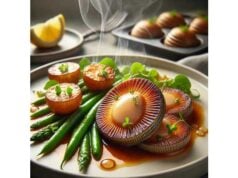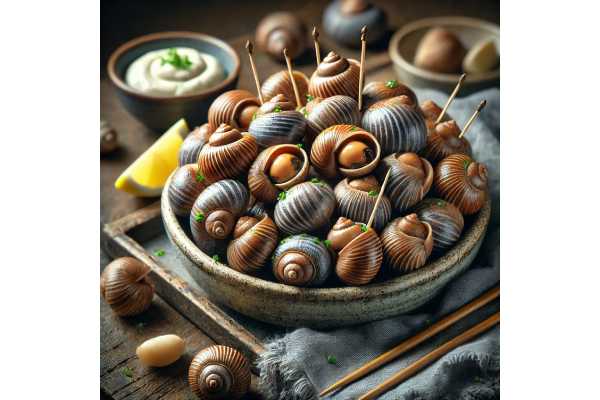
Periwinkles—the small marine snails you might also see labeled common periwinkle or Littorina littorea—are a traditional seafood in parts of Europe, West Africa, and Atlantic North America. They bring a clean, briny sweetness and a pleasantly firm bite to broths, stews, and simple boils. Nutritionally, periwinkles are lean, protein-rich, and naturally low in fat and calories. They also contribute important minerals and micronutrients typical of mollusks and provide modest omega-3s compared with larger oily fish. Because they are intertidal foragers, quality and safety depend on harvest waters and handling; choosing regulated sources matters. In your kitchen, these little shells are versatile: simmer them with aromatics and pick the meat, toss into garlicky butter, or add to seafood pasta and vegetable soups. This guide distills what cooks, nutrition-minded eaters, and shellfish newcomers need to know—how periwinkles stack up nutritionally, evidence-based benefits, risks and allergies, smart selection and storage, best cooking techniques, and practical portions.
Fast Facts
- Lean, high-protein shellfish (about 15 g protein per 100 g cooked) with low fat and about 90 kcal.
- Typical serving is 85–100 g cooked edible meat (many shells); enjoy 1–2 times per week as part of a varied seafood plan.
- Avoid wild harvest during harmful algal blooms; buy from tested, regulated waters to reduce toxin risk.
- People with shellfish allergies, weakened immunity, pregnancy, or young children should be more cautious or avoid raw/undercooked periwinkles.
Table of Contents
- Detailed Overview
- Nutrition Profile
- Evidence-Based Health Benefits
- Risks, Allergies and Interactions
- Selecting, Quality, Sustainability and Storage
- Preparation, Cooking and Nutrient Retention
- Portions, Comparisons and FAQs
Detailed Overview
Periwinkle is the culinary name for several small marine snails—most commonly the common periwinkle (Littorina littorea), an intertidal gastropod that grazes on algae along rocky shorelines. They’re sold live in the shell, occasionally parboiled, and are eaten by teasing the meat out with a pin or small pick. Globally, you’ll find them in French seaside markets (cooked as bigorneaux), in British and Irish fishmongers, and across West African cuisines where they enrich palm-nut stews and pepper soups. Their flavor is sea-sweet and mild, less iodine-forward than oysters or clams, with a firmer, bouncy chew similar to small whelks.
From a nutrition lens, periwinkles are very lean. A typical 100 g edible serving delivers roughly 15 g of complete protein, about 1–2 g fat, modest omega-3s, and around 90 kcal—nutrient density that makes them attractive for high-protein, lower-calorie meal patterns. Like many mollusks, they contribute minerals (notably iron and zinc) and B-vitamins, with variability driven by species, diet, and habitat. Because they feed and live close to shore, purchasing from inspected waters and observing local advisories is essential; these steps help manage risks from harmful algal blooms (marine biotoxins) or environmental contaminants. In the kitchen, periwinkles reward simple technique: a brief scrub and purge, a quick steam or simmer with aromatics, and they’re ready for butter sauces, herby vinaigrettes, or brothy grains.
Culturally, these snails have long been a “shoreline snack,” a symbol of seasonal tides and local foodways. Today, they can still play that role—an affordable, low-impact seafood when harvested responsibly, offering cooks a sustainable flavor of the coast in soups, snacks, and shared plates.
Nutrition Profile
Below is a scannable profile for cooked periwinkle meat (edible portion), per 100 g. Values reflect typical composition for common periwinkles; exact numbers vary by species, environment, and preparation. % Daily Value (%DV) uses standard adult reference intakes.
Macros & Electrolytes (per 100 g)
| Nutrient | Amount | %DV |
|---|---|---|
| Energy | 87–95 kcal | — |
| Protein | 15.0–16.0 g | 30% |
| Total Fat | 1.4–2.0 g | 2% |
| Saturated Fat | ~0.2 g | 1% |
| Carbohydrate | 3.0–3.5 g | 1% |
| Dietary Fiber | 0 g | 0% |
| Water | ~80 g | — |
Fats & Fatty Acids (per 100 g)
| Nutrient | Amount | %DV |
|---|---|---|
| Monounsaturated Fat | ~0.3 g | — |
| Polyunsaturated Fat | ~0.5 g | — |
| Omega-3 Polyunsaturated Fatty Acids | ~0.2 g | — (no established DV) |
| Omega-6 Polyunsaturated Fatty Acids | ~0.3 g | — (no established DV) |
| Cholesterol | low–moderate | — |
Protein & Amino Acids
| Metric | Value |
|---|---|
| Protein Quality | Complete, with essential amino acids typical of marine mollusks |
| Notable Points | High protein per calorie; pairs well with legumes or grains to round overall meal amino acid profile |
Vitamins & Minerals (qualitative overview, per 100 g)
Periwinkles generally provide useful amounts of iron and zinc, plus B-vitamins (including B12) typical of marine mollusks. Exact values vary by habitat and species; regulated, food-grade products tend to be more consistent. If you rely on periwinkles for specific micronutrients, consult a national food composition table for your market.
Bioactives/Phytonutrients
Mollusks contain taurine and small amounts of marine carotenoids and antioxidants. While periwinkles are not a concentrated omega-3 source like salmon, they contribute modest long-chain omega-3s as part of an overall seafood pattern.
Allergens & Intolerance Markers
Periwinkles are shellfish. Individuals with shellfish allergy should avoid them. Histamine intolerance is uncommon in live mollusks but can rise with mishandling and temperature abuse.
Contaminants/Residues
Like other intertidal shellfish, periwinkles can accumulate marine biotoxins during harmful algal blooms and may reflect local heavy metal burdens. Buying from monitored waters and heeding advisories are key to safety.
Footnote: Values reflect edible meat, not whole-in-shell weight. Garlic-butter or oil-rich preparations substantially increase fat and calories; the tables above refer to plain cooked snails.
Evidence-Based Health Benefits
1) High-quality protein with very few calories
With about 15–16 g of protein per 100 g cooked and under 100 kcal, periwinkles offer a protein-dense option that can help support satiety while fitting lower-calorie meal plans. That ratio is similar to other lean seafood and can be especially helpful for people aiming to preserve lean mass during weight loss when paired with resistance exercise.
2) Support for iron and zinc intake
Marine snails contribute bioavailable iron and zinc—two minerals often under-consumed by adolescents and some adults. Iron supports oxygen transport and energy metabolism; zinc is essential for immune function and wound healing. Using periwinkles alongside legumes and vitamin C-rich vegetables (e.g., tomato, peppers) can further support absorption.
3) B-vitamin contribution, including B12
Mollusks are notable dietary sources of vitamin B12, crucial for red blood cell formation and neurological function. Periwinkles can help diversify B12 sources in omnivorous diets and offer an alternative to larger bivalves for people who prefer smaller portions or different textures.
4) Modest omega-3 contribution as part of an overall seafood pattern
While periwinkles are not an “oily fish,” they do contain modest long-chain omega-3s. Regular seafood intake (1–2 times per week from a mix of low-mercury species) is associated with cardiovascular benefits; periwinkles can be one piece of that pattern, especially when combined with omega-3-rich fish on other days.
5) Culinary diversity and nutrient synergy
Periwinkles often appear in brothy, vegetable-forward dishes—think tomato-garlic stews or herb-lemon broths—which helps build meals that include potassium, vitamin C, and polyphenols from plant ingredients. That culinary context raises overall diet quality beyond the snail itself.
What these benefits depend on
The health value of periwinkles is strongest when: (a) they come from regulated, tested harvests; (b) they’re cooked simply (steamed or simmered rather than deep-fried); and (c) they’re paired with whole grains and vegetables. Butter-rich sauces are delicious but shift the profile toward higher saturated fat and calories; using olive oil, lemon, and herbs can keep the dish lighter without sacrificing flavor.
Risks, Allergies and Interactions
Shellfish allergy
Periwinkles are shellfish. If you’ve reacted to mollusks or crustaceans, avoid them unless an allergist has confirmed tolerance. Signs of allergy can include hives, swelling, wheeze, vomiting, and anaphylaxis. Even trace exposure in shared fryers, steamers, or broths could trigger reactions in highly sensitive individuals.
Marine biotoxins (harmful algal blooms)
Red tide and other harmful algal blooms can lead to toxin accumulation in shellfish. Cooking does not destroy these toxins. Buy only from licensed suppliers whose harvest areas are tested and open; avoid recreational harvest during advisories. Discard any batch if you notice unusual odors after cooking, and never taste raw shellfish to “check.” For households in coastal areas, follow local public health bulletins.
Microbial hazards
Like all shellfish, periwinkles should be alive at purchase and cooked promptly. Aim for a firm, opaque texture. As a simple rule, cook seafood until it reaches a safe internal temperature or clear visual doneness cues; refrigerate leftovers within two hours. People at higher risk of severe illness (pregnant individuals, young children, older adults, the immunocompromised) should avoid raw or undercooked shellfish and exercise extra caution even with cooked products from informal sources.
Environmental contaminants
Periwinkles collected from polluted shorelines may carry higher levels of heavy metals. Commercial supply chains generally mitigate this through monitored harvests and testing. If you gather periwinkles yourself, verify water quality status and harvest rules; avoid industrial outfalls and marinas.
Medication and health interactions
There are no well-documented drug–nutrient interactions unique to periwinkles. Those on sodium-restricted diets should be mindful of heavily salted cooking liquids and sauces. People advised to limit cholesterol or saturated fat can keep preparations simple (herbs, lemon, olive oil) to avoid loading extra saturated fat from butter.
Choking hazard and utensils
Take care when serving to children: small shells and sharp picks are choking and injury hazards. Always provide appropriate utensils and supervision.
Selecting, Quality, Sustainability and Storage
How to buy
- Live and lively: Choose periwinkles that are alive (you’ll see a snug operculum “trapdoor” closing the shell) and smell fresh like clean seawater.
- Trusted source: Prefer fishmongers and markets that can confirm harvest area status and inspection. Labels may list the country or region of harvest; ask if waters were open for shellfish collection.
- Size and species: Common periwinkle is small; expect many shells per portion. Uniform size cooks more evenly.
Sustainability notes
Periwinkles are intertidal grazers with fast turnover compared with many large fish. In regions with harvest management and area closures during algal blooms, they can be a relatively low-impact choice. However, local ecosystems vary. Where available, look for certifications or consult regional advisories and seafood guides.
Storage at home
- Short term (same day to 24 hours): Keep live periwinkles chilled in the coldest part of the refrigerator in a breathable container (mesh bag or covered bowl with a damp towel). Do not store submerged in water; do not seal airtight.
- Do not freeze live: If freezing, blanch first, pick the meat, and freeze in small portions (single-use bags) with a splash of cooking liquor to reduce freezer burn.
- Leftovers: Refrigerate cooked meat promptly in a covered container and use within 2–3 days. Reheat gently to avoid toughness.
Quality cues when cooking
After a brief boil or steam, fresh periwinkles should be springy, not rubbery. Off odors, excessive foaming, or discolored cooking liquor can indicate poor quality—discard and consult your fishmonger.
Preparation, Cooking and Nutrient Retention
1) Clean and purge
- Rinse and scrub: Place the live shells in a colander and scrub under cold running water to remove sand and grit.
- Optional purge: Soak for 20–30 minutes in cold, lightly salted water (about 30–35 g sea salt per liter) to help release residual sand. Rinse again.
2) Quick cook methods
- Simple steam/boil:
- Add a splash of white wine or water, bay leaf, and smashed garlic to a pot.
- Add periwinkles; cover and steam/boil 4–6 minutes until meat firms and shells are piping hot.
- Brothy simmer:
- Build a base with onion, celery, fennel, and tomato; add shells and simmer 5–7 minutes.
- Griddle finish (for picked meat):
- Toss cooked meat with olive oil, parsley, lemon zest, and a pinch of chili; quick-sauté 30–60 seconds.
3) Food safety cues
Cook seafood to a safe internal temperature or to clear doneness indicators: fish is opaque and flakes; shellfish meat turns firm and opaque. Discard any shellfish that smell sour or off after cooking. Keep hot foods hot and cold foods cold.
4) Keep nutrients in the dish
- Save the liquor: The cooking broth holds dissolved minerals and savory compounds. Strain and use it for grains, soups, or sauces.
- Gentle heat: Overcooking toughens proteins and can reduce delicate B-vitamins; keep cook times short.
- Light sauces: Olive oil, lemon, herbs, and aromatics preserve the lean profile. Garlic-butter is delicious—use sparingly if you’re keeping saturated fat low.
5) Flavor pairings
Periwinkles love acid and herbs: lemon, white wine, vinegar, parsley, chervil, tarragon. They’re also great with tomato, fennel, chili, and seaweed. For heft, serve with potatoes, white beans, or crusty bread to capture the juices.
6) Kitchen math (shell yield)
Expect low edible yield because shells are heavy: roughly 15–20% of in-shell weight becomes meat. For two appetizer portions (around 170–200 g edible meat total), you may need 1–1.3 kg of live periwinkles.
Portions, Comparisons and FAQs
Suggested portions and frequency
- Serving size: 85–100 g cooked edible meat (many shells).
- How often: 1–2 times per week as part of a varied seafood pattern that includes oily fish on other days.
How do periwinkles compare to other shellfish?
- Versus mussels/clams: Periwinkles are leaner per calorie, with similar protein but smaller serving sizes and lower omega-3s. Mussels and clams usually offer more iron per portion.
- Versus whelks: Similar texture; whelks are larger, easier to pick, and provide slightly more meat per shell.
- Versus escargot (land snails): Comparable protein; nutrient details depend on preparation—garlic-butter escargot has much higher fat and calories from the sauce.
Are they sustainable?
Often, yes—especially from managed fisheries that close areas during harmful algal blooms and respect intertidal habitats. Always check regional guidance.
Can I eat them if I’m pregnant?
Consult your clinician. Avoid raw shellfish. If choosing periwinkles, use regulated sources only and cook thoroughly. Many clinicians recommend focusing on reliably low-contaminant seafood options during pregnancy.
Do periwinkles have mercury?
Mercury accumulates up the food chain; small algae-grazing mollusks like periwinkles are typically low relative to larger predatory fish. Local water quality still matters.
Why do some recipes boil in very salty water?
A seawater-like salinity seasons the meat and helps maintain texture. If you’re limiting sodium, season the sauce instead and simmer periwinkles in lightly salted water.
Can I freeze them?
Freeze cooked, picked meat in small portions with a little strained cooking liquor. Avoid freezing live shells.
Troubleshooting texture
Rubbery meat signals overcooking. Next time, shorten the simmer and finish the dish in the sauce off heat.
References
- Food Poisoning from Marine Toxins 2025 (Guidance)
- Selecting and Serving Fresh and Frozen Seafood Safely 2024 (Guidance)
- Cook to a Safe Minimum Internal Temperature 2024 (Guidance)
- Concentration and Potential Human Health Hazards of Heavy Metals in Periwinkle (Tympanotonus fuscatus) in Calabar, Nigeria 2020 (Environmental Risk)
- Nutraceutical and Medicinal Importance of Marine Molluscs 2024 (Systematic Overview)
Disclaimer
The information in this article is for general education only and does not replace personalized advice from a qualified healthcare professional. Shellfish safety varies by location and source; always follow local advisories and food safety guidance. If you have a medical condition, are pregnant, take prescription medication, or have food allergies, consult your clinician or a registered dietitian before making significant dietary changes.
If you found this guide helpful, please consider sharing it with friends and colleagues on Facebook, X (formerly Twitter), or your favorite platform. Your support helps us continue creating clear, reliable nutrition resources.