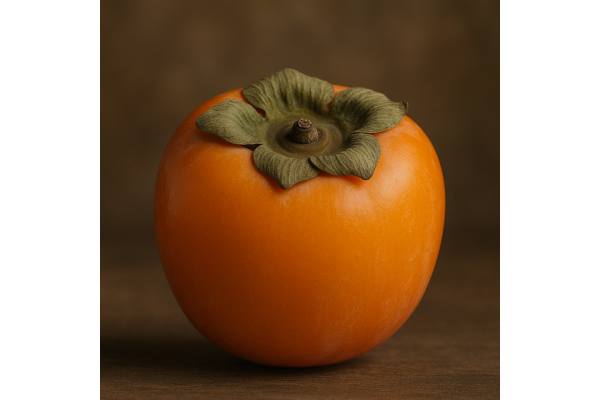
Persimmons bring a bright, honeyed sweetness to late-autumn tables. Whether you bite into a crisp Fuyu like an apple or spoon a jelly-soft Hachiya over yogurt, this fruit offers more than dessert-like flavor. Persimmons supply fiber for digestive health, carotenoids (notably beta-cryptoxanthin) that support vitamin A status, and helpful plant polyphenols. They are also versatile: slice into salads, bake into quick breads, blend into smoothies, or dry into chewy snacks. Knowing the difference between non-astringent and astringent types helps you enjoy the best texture and avoid unwanted puckering. Equally useful is learning how to ripen, store, and cook persimmons to keep their nutrients intact. This guide distills current nutrition data and clinical insights—covering benefits, risks (including the uncommon but important diospyrobezoar issue), smart prep, sustainability, and portion tips—so you can enjoy persimmons with confidence and intention.
Quick Overview
- One medium persimmon (150–170 g) gives ~3–4 g fiber and carotenoids that support vitamin A status.
- Plant polyphenols and potassium in persimmon align with heart-smart patterns when portions are mindful.
- Typical serving: 1 medium fruit (150–170 g), 2–4 times per week as part of varied fruit intake.
- Safety: Unripe astringent types are very high in tannins; large intakes in susceptible people have been linked to gastric bezoars.
- Limit or avoid: People after gastric surgery, with severe gastroparesis, or who must restrict potassium should use individualized guidance.
Table of Contents
- Persimmon Basics: Detailed Overview
- Persimmon Nutrition Profile (per 100 g)
- Evidence-Backed Benefits of Persimmon
- Risks, Allergies and Interactions
- Selecting, Quality, Sustainability and Storage
- Preparation, Cooking and Nutrient Retention
- Portions, Comparisons and FAQs
Persimmon Basics: Detailed Overview
Persimmon (Diospyros kaki) is an autumn fruit originally domesticated in East Asia and now grown widely in temperate regions. Two broad market styles matter in everyday cooking:
- Non-astringent (PCNA) types, most famously Fuyu, are squat, tomato-shaped, and sweet-crisp when firm. Eat them like apples, skin and all, or dice into salads and salsas.
- Astringent (PCA) types, such as Hachiya, are acorn-shaped and mouth-puckering until jelly-soft. Once fully ripe, their texture becomes custardy, ideal for spooning, baking, or blending.
The astringency comes from tannins—proanthocyanidins that bind salivary proteins to create a drying sensation. As the fruit ripens (or after de-astringency treatments like CO₂ exposure, freezing, or drying), tannins become less soluble and the harshness subsides. Understanding this chemistry helps you match the right variety and ripeness to the recipe: crisp Fuyu for crunch; velvet-soft Hachiya for desserts, sauces, and smoothies.
Flavor and texture. Good persimmons taste floral and honeyed, with notes of apricot and brown sugar. Fuyu holds shape under light heat, while Hachiya collapses into a spoonable purée. Dried persimmon concentrates sweetness and adds chew; frozen ripe flesh churns into instant “nice cream.”
Culinary range.
- Raw: Slice over greens with lime, chili, and feta; pair with shaved fennel; or top cottage cheese and nuts.
- Cooked: Roast wedges to caramelize edges; fold purée into muffins or quick breads; whisk into vinaigrettes for a natural sweet-tart base.
- Preserved: Dry into hoshigaki-style treats, simmer into compote, or freeze ripe pulp in ice-cube trays for smoothies and sauces.
Nutritional identity. Persimmon is a fiber-rich, carotenoid-containing fruit with potassium and copper/manganese in modest amounts. Its polyphenols and pigments deliver antioxidant capacity, while its natural sugars make portion planning wise for people managing blood glucose.
Seasonality and sustainability. Most markets see fresh persimmons late fall through early winter. Buying in season, storing properly, and using the peel where palatable helps reduce waste and maximize carotenoid intake (more on that in Sections 5–6).
Who benefits most? People seeking more fruit variety, those interested in plant-forward eating patterns, and anyone who enjoys naturally sweet flavor with culinary flexibility.
Persimmon Nutrition Profile (per 100 g)
Below is a consolidated, label-style snapshot for raw Japanese persimmon (Diospyros kaki). Daily Values (DV) reflect adult reference intakes.
Macros and Electrolytes (per 100 g)
| Component | Amount | %DV |
|---|---|---|
| Energy | 70 kcal | — |
| Water | 80.3 g | — |
| Carbohydrate | 18.6 g | — |
| Dietary fiber | 3.6 g | 13% |
| Total sugars | 12.5 g | — |
| Protein | 0.6 g | 1% |
| Total fat | 0.2 g | 0% |
| Potassium (K) | 161 mg | 3% |
| Sodium (Na) | 1 mg | 0% |
Vitamins (per 100 g)
| Vitamin | Amount | %DV |
|---|---|---|
| Vitamin A (RAE) | 81 µg | 9% |
| Vitamin C (ascorbic acid) | 7.5 mg | 8% |
| Vitamin K | 2.6 µg | 2% |
| Folate (B9) | 8 µg | 2% |
| Vitamin B6 | 0.1 mg | 6% |
| Thiamin (B1) | 0.03 mg | 3% |
| Riboflavin (B2) | 0.02 mg | 2% |
Minerals (per 100 g)
| Mineral | Amount | %DV |
|---|---|---|
| Manganese | 0.355 mg | 15% |
| Copper | 0.113 mg | 13% |
| Magnesium | 9 mg | 2% |
| Phosphorus | 17 mg | 1% |
| Calcium | 8 mg | 1% |
| Iron | 0.15 mg | 1% |
| Zinc | 0.11 mg | 1% |
Bioactives and Phytonutrients
| Compound | Amount | Notes |
|---|---|---|
| Beta-cryptoxanthin | ~193 µg | Provitamin A carotenoid; abundant in persimmon pulp and peel |
| Beta-carotene | ~253 µg | Provitamin A; increases with ripening |
| Tannins (proanthocyanidins) | — | Higher in unripe/astringent types; drop with ripening |
| Flavonoids/phenolics | — | Contribute to antioxidant capacity and color |
Carbohydrates and Glycemic Context
- Natural sugars are mainly fructose and glucose, with some sucrose; content shifts by cultivar and ripeness.
- Within fruit groups, persimmons align with generally lower glycemic index patterns when eaten as whole fruit with fiber; portion size still matters.
Notes: Values reflect raw Japanese persimmon. Carotenoid values vary by variety and ripeness; peel often contains higher concentrations. %DV uses current adult reference values (e.g., Fiber 28 g; Vitamin A 900 µg RAE; Vitamin C 90 mg; Potassium 4700 mg; Copper 0.9 mg; Manganese 2.3 mg).
Evidence-Backed Benefits of Persimmon
1) Supports vitamin A status and eye health.
Persimmons supply provitamin A carotenoids—notably beta-cryptoxanthin and beta-carotene—that the body can convert to retinol as needed. Provitamin A contributes to normal vision, epithelial integrity, and immune function. Because carotenoids are fat-soluble, pairing persimmon with yogurt, nuts, or a drizzle of olive oil can boost absorption. Peel retention (when pleasant) further increases carotenoid intake because the skin often concentrates these pigments.
2) Contributes to digestive regularity.
A 100-gram serving offers about 3.6 g of fiber, with both soluble and insoluble fractions. Soluble fiber helps form soft gels that support stool consistency, while insoluble fiber adds bulk and speeds transit. In practice, one medium fruit provides roughly 3–4 g of fiber; pairing with oats, chia, or nuts creates a high-fiber breakfast or snack.
3) Aligns with heart-smart patterns.
Persimmons are sodium-free, supply potassium, and provide polyphenols (including tannins and flavonoids) that add antioxidant capacity. Replacing refined desserts with whole-fruit portions may improve overall diet quality. Early clinical work on persimmon components (e.g., tannin-rich fractions) suggests potential lipid-modulating effects; while promising, the real-world win is simpler—enjoy fruit in place of ultra-processed sweets.
4) Gentle glycemic fit when whole and portioned.
Across fruit categories, whole fruits typically show lower glycemic index values than refined carbohydrate foods. Fiber and polyphenols help temper post-meal glucose response. A practical approach for glucose management is to keep to one medium fruit at a time, eat it with protein or fat, and favor crisp Fuyu with skin (more fiber) when you want better texture and intact structure.
5) Micronutrient variety in a small package.
Beyond carotenoids, persimmons provide manganese and copper, trace minerals involved in antioxidant enzymes and connective tissue formation. A single fruit moves the needle toward daily needs—useful for those with limited dietary diversity during winter.
6) Versatility encourages better adherence.
Sustainable health changes stick when food tastes great. Persimmon’s ability to go sweet or savory—roasted with Brussels sprouts, diced into salsas, folded into yogurt—makes fruit intake easier day to day, which may indirectly benefit weight, cardiometabolic health, and gut function.
Practical tips to maximize benefits
- Choose whole fruit over juices to keep fiber and a steadier glycemic profile.
- Eat the peel on non-astringent types when texture suits you; that is where carotenoids and phenolics concentrate.
- Pair with protein/fat (nuts, yogurt, cheese) for satiety and carotenoid uptake.
- If following a low-FODMAP plan, test small portions and titrate based on your personal tolerance (see Section 4).
Risks, Allergies and Interactions
Astringency and tannins.
Unripe astringent persimmons (e.g., Hachiya) contain high levels of soluble tannins that bind salivary proteins, causing oral dryness and a harsh taste. Ripening, drying, freezing, or CO₂ exposure reduces astringency. Because tannins can bind non-heme iron, people with iron deficiency should avoid combining large amounts of highly astringent fruit with iron-rich plant meals; spacing foods is a simple workaround.
Diospyrobezoars (persimmon phytobezoars).
In rare cases, heavy intake of astringent persimmons has been linked to gastric or intestinal bezoars—compact masses formed by tannins polymerizing with fibers in the acidic stomach. Risk appears higher in people with prior gastric surgery, poor gastric motility, or uncontrolled diabetes. Symptoms can include persistent fullness, nausea, vomiting, or abdominal pain. If you are in a high-risk group, limit astringent persimmons, ensure full ripeness, and discuss safe portions with your clinician—especially during peak season when intake tends to rise.
Allergy considerations.
Persimmon allergy is uncommon but possible. Reactions range from oral itching to systemic symptoms. Individuals with established IgE-mediated food allergies should follow their action plan; diagnosis and management rely on a detailed history, targeted testing, and, where appropriate, supervised oral food challenges. Cross-reactivity patterns are not as characteristic as in some other fruits, but caution is warranted if you have multi-fruit allergy or latex-fruit syndrome.
Gastrointestinal sensitivities.
Some people with irritable bowel symptoms are sensitive to fruit sugars or polyols. If you are actively using a structured low-FODMAP approach, start with ½–1 small fruit, monitor your response, and adjust. Texture matters too: very ripe pulp is softer on digestion, but the accompanying higher free sugars can be a trigger for some.
Glucose management.
Whole persimmon fits well in many glucose-aware patterns, but portions matter. Pairing with protein or fat and spacing fruit away from other concentrated carbs will flatten the post-meal curve.
Medication and condition interactions.
- Potassium: Those with advanced chronic kidney disease or on potassium-sparing regimens may need to limit high-potassium foods; one medium persimmon contributes a modest amount but can add up alongside other sources.
- Iron: When optimizing plant-iron absorption, avoid pairing large amounts of highly astringent persimmon with iron-rich meals; include vitamin-C sources and keep portions moderate.
- Post-operative stomach: After gastric surgery, discuss persimmon intake with your surgical or GI team given bezoar risk.
Who should be most cautious?
- People with prior gastric surgery, gastroparesis, or severe dysmotility
- Individuals with strict potassium limits
- Anyone with a history of fruit anaphylaxis without a clear safe plan
Selecting, Quality, Sustainability and Storage
Know your type at purchase.
- Fuyu (non-astringent): Choose firm, glossy fruits with intact green calyx. They should feel heavy for size and can be eaten firm-ripe.
- Hachiya (astringent): Select fruits that are deeply colored and free of cracks. Eat only when very soft (skin may look water-ballooned). A fully ripe Hachiya should yield like a water balloon and feel jelly-soft—then it is sweet and delicious.
Ripening at home.
- Counter ripening: Leave at room temperature out of direct sun.
- Speed it up: Place in a paper bag with a ripe banana or apple (ethylene speeds ripening).
- Rescue astringency: Freeze astringent fruit overnight and thaw; or leave in a sealed bag for 24–48 hours with CO₂ (e.g., add a few breaths of air and seal—home methods vary); texture softens faster than flavor develops, so let fruit continue to mellow.
Storage.
- Room temperature: Unripe fruit until it colors and softens (Fuyu can be eaten firm).
- Refrigerator: Once ripe, refrigerate 2–3 days to slow softening.
- Freezer: Scoop ripe pulp into containers or ice-cube trays for up to 3 months; great for smoothies and baking.
- Dried: Store airtight in a cool, dark place; quality lasts several months.
Quality cues and common faults.
- Good: Bright orange color, intact calyx, heavy and fragrant.
- Avoid: Large soft spots on firm Fuyu, fermented smells, or deep cracks; pale, glassy flesh can mean internal freeze damage.
- Astringency check: If a Hachiya is still even slightly firm, it’s not ready.
Sustainability tips.
- Buy in season (lower transport footprint), favor local/regional producers when possible, and use the peel on Fuyu for more nutrients and less waste.
- Turn soft fruits into compote, purée, sorbet, or quick pickles to prevent waste.
- Save peels for infusing water, tea, or vinegar; dry slices for snacks.
Food safety.
- Rinse under running water and dry with a clean towel.
- Use clean knives and cutting boards; refrigerate cut fruit promptly.
- Discard fruit with mold, off-odors, or signs of fermentation.
Preparation, Cooking and Nutrient Retention
Peel or not?
Carotenoids and phenolics often concentrate in the peel of non-astringent types. If the skin’s texture is pleasant (Fuyu), keep it on for higher nutrient density. For Hachiya, the skin is usually thin and not commonly eaten but is edible when very ripe.
Preserve color and flavor.
- Slice just before serving to limit air exposure.
- A quick dip in lemon-water slows browning in salads and fruit platters.
- Add a pinch of salt or acid (citrus, vinegar) to brighten sweetness in savory dishes.
Heat and nutrients.
- Vitamin C is heat-sensitive; gentle cooking preserves more.
- Carotenoids are heat-stable and more bioavailable with some fat.
- Drying concentrates sugars and carotenoids but reduces vitamin C; it intensifies flavor for snacks and baking.
- Roasting at moderate heat caramelizes sugars without excessive nutrient loss (try 190°C / 375°F for 15–20 minutes for Fuyu wedges).
Techniques by variety.
- Fuyu (firm):
- Thin-slice into kale or arugula salads with toasted nuts and sharp cheese.
- Roast wedges with olive oil and black pepper; finish with balsamic.
- Dice into grain bowls (farro, quinoa) for sweet contrast.
- Hachiya (soft):
- Spoon over yogurt or ricotta and top with seeds.
- Whisk purée into quick-bread batter or pancake mix.
- Blend with banana, milk of choice, and a nut butter for a smoothie.
Retention tips and swaps.
- Pair with healthy fats (olive oil, tahini, nuts) to improve carotenoid absorption.
- To keep fiber intact, use whole fruit rather than strained juice.
- Replace added sugar in baked goods with ripe Hachiya purée; reduce added sugar by 25–50% and increase baking time slightly.
Simple template recipes
- Roasted Fuyu with Chili-Lime
Wedges of Fuyu tossed with olive oil, a pinch of chili, and lime zest; roast until edges caramelize. Serve with grilled chicken or halloumi. - Hachiya Breakfast Bowl
Layer Greek yogurt, Hachiya purée, toasted walnuts, and a sprinkle of cinnamon; drizzle with tahini for fats that aid carotenoid uptake. - Persimmon Salsa
Dice Fuyu with red onion, jalapeño, cilantro, and lime; spoon over fish tacos or grain bowls.
Portions, Comparisons and FAQs
Real-world portions
- One medium persimmon (150–170 g) ≈ 70–120 kcal depending on size and ripeness, ~3–4 g fiber, and modest potassium.
- Everyday cadence: 2–4 servings per week fits many balanced patterns; adjust for energy needs, glucose goals, and kidney function.
- For dessert satisfaction with steadier glucose, pair one fruit with protein/fat (e.g., 30 g nuts or ½ cup yogurt).
How persimmon compares to other fruits (per typical serving)
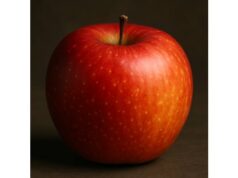
- ** vs. Apple (1 medium):** Similar calories; persimmon has more carotenoids but generally softer texture when ripe.
- ** vs. Orange (1 medium):** Orange offers more vitamin C; persimmon offers more provitamin A.
- ** vs. Mango (1 cup pieces):** Mango provides vitamin C and A; persimmon’s beta-cryptoxanthin profile and seasonal availability set it apart.
- ** vs. Banana (1 medium):** Banana has more potassium; persimmon delivers more carotenoids.
Smart swaps
- Trade bakery sweets for roasted Fuyu with toasted nuts.
- Replace part of the sugar in muffins with Hachiya purée.
- Add diced Fuyu to slaws instead of raisins for crunch and color.
FAQs
Can I eat the peel?
Yes, especially on Fuyu—it’s thin and edible and contains carotenoids and phenolics. Scrub gently before eating. With Hachiya, most people eat the custardy interior and discard the skin.
What if my Hachiya is still astringent?
Let it ripen until very soft. Freezing overnight and thawing can reduce astringency in a pinch.
Is dried persimmon healthy?
Yes—nutrient-dense and fiber-containing—but it is concentrated in sugars and calories. Treat as a small portion snack (e.g., 2–3 slices), and pair with nuts or cheese.
Can persimmon fit a diabetes-friendly diet?
Often, yes. Keep to one fruit at a time, pair with protein/fat, and prefer whole fruit over juices. Monitor your personal glucose response.
Who should limit persimmon?
People with high bezoar risk (post-gastric surgery, severe gastroparesis), those with strict potassium limits, or anyone with fruit anaphylaxis without a management plan should seek individualized advice.
References
- From Diospyros kaki L. (Persimmon) Phytochemical Profile and Health Impact to New Product Perspectives and Waste Valorization 2021 (Review)
- International tables of glycemic index and glycemic load values 2021: a systematic review 2021 (Systematic Review)
- A Rare Case of Gastric Phytobezoar (Diospyrobezoar) in a Healthy Adult 2024 (Case Report)
- EAACI guidelines on the diagnosis of IgE-mediated food allergy 2023 (Guideline)
- Nutrients: Total Dietary Fiber (g) 2019 (USDA Table)
Disclaimer
This article is for general education and does not replace personalized medical advice, diagnosis, or treatment. Always consult a qualified health professional for guidance tailored to your health conditions, medications, and nutrition goals. If you have symptoms of food allergy or significant gastrointestinal distress, seek medical care promptly.
If you found this guide useful, please consider sharing it with friends or on Facebook or X (formerly Twitter). Your support helps us continue creating balanced, evidence-informed nutrition resources.