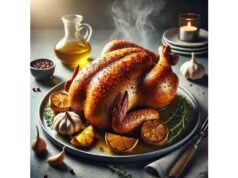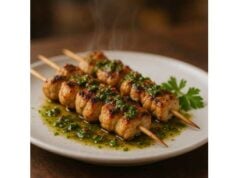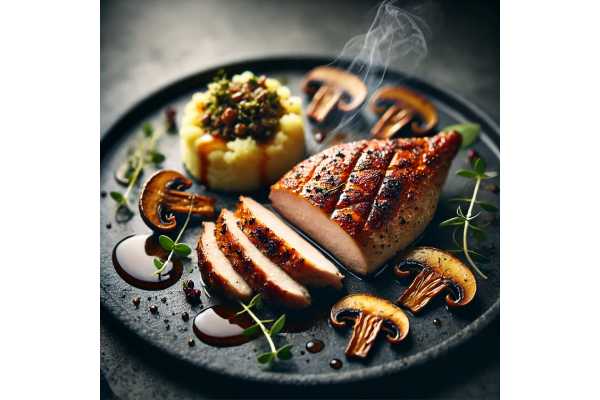
Pheasant sits at the intersection of heritage game and modern, lean cuisine. With a delicate, slightly sweet flavor, it adapts well to both quick weeknight cooking and slow, celebratory roasts. Skinless pheasant meat is naturally high in complete protein and relatively low in fat compared with many red meats. It supplies B vitamins that support energy metabolism, plus minerals such as selenium and phosphorus. You will find pheasant sold fresh or frozen from farms, or as wild-shot birds in season; the bird’s age, diet, and whether it was wild or farmed shape texture and flavor. In the kitchen, pheasant rewards gentle heat and moisture: pan-roasting the breast, braising legs, or confiting tougher cuts. Because many wild pheasants are harvested with shot, careful trimming and responsible sourcing matter for safety. This guide explains practical benefits, a realistic nutrition profile, evidence-based health insights, key risks and allergens, and how to choose, store, and cook pheasant so it stays tender and safe while retaining nutrients.
Quick Overview
- High-protein, lean game bird with versatile flavor; best when cooked gently to avoid dryness.
- Typical serving: 100–120 g cooked (about 3–4 oz), enjoyed 1–2 times per week as part of a varied diet.
- Safety first: cook all pheasant to 74 °C (165 °F) internal temperature; chill promptly and store within recommended time frames.
- Wild-shot pheasant can contain tiny lead fragments; children and pregnant people should choose birds sourced with non-lead ammunition.
- Those with poultry meat allergy or bird–egg syndrome should avoid pheasant and consult an allergist.
Table of Contents
- Pheasant: Detailed Overview
- Pheasant Nutrition Profile (per 100 g)
- Evidence-Based Health Benefits
- Risks, Allergies and Interactions
- Selecting, Quality, Sustainability and Storage
- Preparation, Cooking and Nutrient Retention
- Portions, Comparisons and FAQs
Pheasant: Detailed Overview
Pheasant (most commonly the common pheasant, Phasianus colchicus) is a lean game bird valued for a mild, slightly sweet flavor and fine-grained texture. Culinary traditions stretch from European autumn roasts with bread stuffing to East Asian stir-fries and aromatic soups. In many countries, you will see two broad sources:
- Farm-raised pheasant: More consistent in size and tenderness, typically processed under controlled hygiene and chilled or frozen promptly.
- Wild-shot pheasant: Seasonal, with deeper flavor and firmer texture, but variable size and fatness depending on habitat and age. Wild birds may have pellet channels or residual shot.
Cuts and formats. Breasts (often skinless) are suited to quick cooking, while legs, thighs, and wings benefit from moist heat (braise, confit, pressure-cook). Whole birds can be trussed and roasted but demand careful temperature control to keep the breast from overcooking before the legs are done. Minced pheasant is excellent for meatballs and burgers when mixed with a little added fat (e.g., olive oil or finely diced backfat) to improve juiciness.
Flavor and texture management. Because pheasant is lean, it can dry out if exposed to high, direct heat for too long. Simple techniques—light brining, marinating with oil and acid (e.g., yogurt, buttermilk, citrus), barding with thin fat, or sous-vide pre-cooking—help buffer heat and retain moisture. Resting the meat after cooking redistributes juices.
Nutrition positioning. Compared with many red meats, pheasant offers similar or higher protein per gram with less fat (especially saturated fat) when skinless. It also contributes niacin (vitamin B3), vitamin B6, B12 (variable), selenium, phosphorus, and zinc. Like other poultry, pheasant contains no dietary carbohydrates and is naturally gluten free.
When it shines. Pheasant is ideal when you want a protein-forward plate without heaviness: grain bowls, brothy noodles, leg confit with lentils, or roast breast with seasonal roots. It can replace chicken or turkey in most recipes, though cooking times are shorter for breasts and longer for legs, and seasoning can be slightly more assertive to match its game nuance.
Key safety context. All avian meats require thorough cooking to eliminate pathogens. Wild-shot pheasant also raises a separate consideration: microscopic lead fragments can be present around pellet channels if lead ammunition was used, so responsible sourcing and careful trimming matter, particularly for families with young children or during pregnancy.
Pheasant Nutrition Profile (per 100 g)
Unless noted, values refer to skinless, raw pheasant meat averages. Composition varies by cut (breast vs. thigh), age, diet, and whether the bird is wild or farmed. %DV uses adult Daily Values.
Macros and Electrolytes
| Nutrient | Amount (per 100 g) | %DV |
|---|---|---|
| Energy | 130–140 kcal | 6–7% |
| Water | ~72 g | — |
| Protein | 23–24 g | 46–48% |
| Total Fat | 3.5–4.0 g | 5–6% |
| Carbohydrate | 0 g | 0% |
| Sodium | 35–45 mg | 1–2% |
| Potassium | 250–300 mg | 5–6% |
Fats and Fatty Acids
| Nutrient | Amount | %DV |
|---|---|---|
| Saturated Fat | ~1.2 g | 6% |
| Monounsaturated Fat | ~1.1–1.3 g | — |
| Polyunsaturated Fat | ~0.6–0.8 g | — |
| Cholesterol | ~60–70 mg | —* |
*No current %DV established for cholesterol.
Vitamins
| Vitamin | Amount | %DV |
|---|---|---|
| Niacin (B3) | ~7–10 mg | 44–63% |
| Vitamin B6 | ~0.5–0.7 mg | 29–41% |
| Vitamin B12 | ~0.4–0.9 µg | 17–38% |
| Riboflavin (B2) | ~0.2–0.3 mg | 15–23% |
| Thiamin (B1) | ~0.10–0.15 mg | 8–13% |
Minerals
| Mineral | Amount | %DV |
|---|---|---|
| Selenium | ~15–25 µg | 27–45% |
| Phosphorus | ~250–300 mg | 20–24% |
| Zinc | ~1.0–1.5 mg | 9–14% |
| Iron | ~1.0–1.5 mg | 6–8% |
| Magnesium | ~20–25 mg | 5–6% |
| Calcium | ~10–20 mg | 1–2% |
Protein and Amino Acids (qualitative)
Pheasant provides complete, high–biological value protein with all essential amino acids. Like other lean poultry, it is especially rich in leucine, isoleucine, and valine (branched-chain amino acids) that support muscle protein synthesis.
Allergens and Intolerance Markers (overview)
Poultry meat allergy is uncommon but documented. A subset of patients with “bird–egg syndrome” sensitized to avian serum albumins can react to raw or undercooked poultry. Heat denaturation reduces, but does not eliminate, risk for some individuals. People with confirmed poultry allergy should avoid pheasant and carry emergency medication if prescribed.
Contaminants/Residues (context)
Wild-shot pheasants harvested with lead ammunition can harbor microscopic lead fragments along pellet tracks. Choosing birds harvested with non-lead shot (e.g., steel) and trimming wound channels reduces exposure, especially critical for children and during pregnancy.
Glycemic and Acid–Base Metrics
With 0 g carbohydrate, pheasant has no direct glycemic impact. Its protein and mineral profile yields a mildly acid-forming load; pairing with vegetables or legumes balances overall diet acid–base load.
Note: Values are representative averages to guide planning; real-world numbers vary by cut, season, husbandry, and preparation.
Evidence-Based Health Benefits
1) High protein density supports muscle and recovery.
At roughly 23–24 g protein per 100 g raw weight (about 27–30 g per 100 g cooked, depending on moisture loss), pheasant delivers concentrated, complete protein with essential amino acids—key for maintaining and rebuilding lean mass. For active adults or older adults aiming for 25–35 g protein per meal to stimulate muscle protein synthesis, a typical 100–120 g cooked portion of pheasant helps reach that target without excessive calories.
2) B vitamins aid energy metabolism.
Pheasant is a useful source of niacin (B3) and vitamin B6, both involved in converting macronutrients to cellular energy, as well as vitamin B12 (variable, typically higher in darker cuts). These vitamins contribute to normal neurological function and red blood cell formation. In practice, swapping pheasant for fattier meats can raise B-vitamin density per calorie in a week’s menu.
3) Selenium and phosphorus support antioxidant defenses and bone health.
Selenium acts within glutathione peroxidase enzymes that neutralize oxidative by-products. Pheasant commonly supplies 25–45% of the selenium DV per 100 g raw, aiding total intake when paired with grains, dairy, or nuts. Phosphorus contributes to bone mineral matrix and energy transfer (ATP), with pheasant providing roughly one-fifth to one-quarter of the DV per 100 g.
4) Lean-fat profile helps with calorie-aware eating.
Skinless pheasant is notably lean compared with many red meats, especially in the breast. Replacing processed or high-saturated-fat meats with pheasant on some days can lower saturated fat intake while maintaining satiety, which may benefit cardiometabolic goals when combined with more fiber from vegetables and whole grains.
5) Culinary flexibility makes healthy patterns easier to sustain.
Whether folded into barley risotto, served over farro and greens, or simmered in a bean stew, pheasant fits heartier, plant-forward meals. Because it adapts to herbs, citrus, mushrooms, and root vegetables, it encourages variety—one of the best predictors of micronutrient adequacy over time.
Practical application.
If you aim for 1–2 pheasant meals per week, alternate quick-cooked breast dishes with slow-cooked leg recipes. Add vegetables rich in potassium and vitamin C to round the plate. Use moist-heat or lower-temperature techniques to preserve juiciness and minimize charring; this not only improves texture but also avoids excess formation of heat-related by-products.
Risks, Allergies and Interactions
1) Foodborne illness risk if undercooked or mishandled.
Pheasant, like all poultry, must reach an internal temperature of 74 °C (165 °F). Use a tip-sensitive digital thermometer at the thickest point of breast and where the leg meets the body. Keep raw juices away from ready-to-eat foods; wash hands, tools, and cutting boards after contact with raw meat; and refrigerate within two hours (within one hour if ambient temperature is >32 °C / 90 °F).
2) Lead fragments in wild-shot birds.
When lead ammunition is used, pellets can fragment on impact and leave fine lead particles along wound tracts. These fragments can be too small to see or remove during routine dressing. Exposure is most concerning for fetuses, infants, and young children; households that include these groups should favor birds harvested with non-lead shot (e.g., steel) or verified lead-free sources. For any wild-shot bird of unknown ammunition, trim generously around pellet paths and avoid grinding meat from heavily damaged areas.
3) Poultry meat allergy and bird–egg syndrome.
True poultry meat allergy is rare but recognized. A related condition, bird–egg syndrome, involves IgE sensitization to avian serum albumins with potential reactions to raw or undercooked poultry and egg products. People with a history of reactions to chicken or turkey should avoid pheasant until evaluated by an allergist. Heat denaturation reduces some albumin allergenicity but does not guarantee safety.
4) Bones, shot, and dental hazards.
Wild-shot pheasant may contain intact pellets or bone fragments. Always inspect meat while trimming and use caution when serving to children or older adults.
5) Medication and condition considerations.
There are no common drug–nutrient interactions unique to pheasant. Individuals on sodium-restricted diets should watch added salt in brines and marinades; those with gout may wish to moderate portions of organ meats (if consumed) due to purine content.
Bottom line.
Cook thoroughly, store correctly, and source responsibly—especially if serving pregnant people or children. If you purchase wild-shot pheasant, ask for birds harvested with non-lead ammunition and visually inspect and trim pellet channels before cooking.
Selecting, Quality, Sustainability and Storage
Selecting quality pheasant
- Appearance: Fresh pheasant should look moist (not slimy), with firm, elastic flesh. Color ranges from pale (breast) to darker red-brown (leg). Avoid any gray, green, or sticky patches.
- Aroma: Clean, mild scent. Strong or sour odors suggest improper storage.
- Whole vs. portions: Whole birds suit roasts and confit projects. Skinless breasts are best for quick sautés; legs benefit from braising or confit.
- Farmed vs. wild: Farmed birds offer consistency and are typically younger and more tender. Wild birds vary more; older cocks may have robust flavor and firmer legs.
Sustainability and sourcing
- Ammunition choice: Prefer suppliers that use or require non-lead ammunition to reduce environmental deposition and potential dietary exposure.
- Local farms and short supply chains: Buying from reputable regional producers improves traceability and often animal welfare transparency.
- Whole-bird cooking: Using the whole bird (legs for confit, carcass for stock) reduces waste and stretches food value.
- Seasonal eating: In regions with regulated seasons, purchasing in-season wild birds supports sustainable harvest rules.
Storage and handling
- Refrigeration: Treat pheasant like chicken: store raw at ≤4 °C (≤40 °F) and cook within 1–2 days. Keep on a tray on the bottom shelf to prevent drips.
- Freezing: For best quality, freeze raw portions promptly. Well-wrapped breasts keep quality for about 9 months; legs and whole birds for up to 12 months at −18 °C (0 °F).
- Thawing: Thaw in the refrigerator on a tray (allow 12–24 hours for small birds, longer for whole). For quicker thawing, submerge vacuum-sealed packages in cold water, changing water every 30 minutes. Never thaw at room temperature.
- Leftovers: Chill within two hours; eat refrigerated leftovers within 3–4 days; reheat to steaming hot throughout.
Visual inspection for wild-shot birds
- During trimming, look for pellet entry points and bruised tissue along wound channels. Cut 1–2 cm beyond discolored areas. If you find a pellet, inspect the surrounding meat for gray flecks; discard heavily damaged portions rather than grinding them.
Preparation, Cooking and Nutrient Retention
Moisture management for a lean bird
- Brine or marinate: A 2–3% salt brine for 2–4 hours (shorter for small breasts) or a yogurt/buttermilk marinade improves juiciness and tenderness.
- Bard or baste: Lay thin fat (e.g., prosciutto, bacon) over the breast during roasting, or baste with pan juices or oil to prevent drying. Remove fat before final browning if desired.
- Cook legs low and slow: Braise thighs and legs at 150–160 °C (300–325 °F) until fork-tender; confit at 90–95 °C (195–203 °F) in oil for silky texture.
Safe internal temperatures and even cooking
- Poultry safety: Cook all pheasant (breasts, thighs, whole birds, ground meat) to 74 °C (165 °F) measured at the thickest part.
- Balancing breast and legs on whole birds: Spatchcocking, roasting breast-side up over a bed of vegetables, or starting breast-down helps. Some cooks separate breast and legs: roast or pan-roast the breast to 63–65 °C (145–149 °F) then finish to 74 °C while the legs braise separately.
- Sous-vide for precision: Pre-cook breast at 60–62 °C (140–144 °F) for 1–2 hours, then pan-sear and continue to 74 °C to finish; this method reduces overcooking while maintaining safety when properly executed.
Maximizing nutrient retention
- Use moist heat for water-soluble vitamins: Braising and gentle poaching reduce losses compared with hard boiling or high-heat roasting. Reuse braising liquids for sauces to capture dissolved nutrients.
- Minimal trimming: Trim visible pellet channels on wild-shot birds, but avoid excessive trimming that discards nutrient-rich muscle without need.
- Avoid charring: Very high heat can create undesired compounds; favor moderate searing followed by oven finishing or covered simmering.
- Mind the salt: If brining, account for added sodium. Season final dishes with herbs, citrus, and umami (mushrooms, tomatoes) to rely less on salt.
Simple, reliable methods
- Pan-roasted breast: Pat dry, season, and sear 2–3 minutes per side. Transfer to 175 °C (350 °F) oven until 74 °C (165 °F) internal; rest 5 minutes.
- Wine-braised legs: Brown lightly; deglaze with dry white wine, add stock, aromatics (thyme, garlic), and simmer covered until tender, 60–90 minutes.
- Confit: Salt legs overnight with garlic and herbs; rinse, submerge in neutral oil, and cook low until silky. Shred into grain bowls or tacos.
Portions, Comparisons and FAQs
Portions and frequency
- Standard serving: 100–120 g cooked pheasant (about 3–4 oz) provides 25–30 g protein depending on cut.
- How often: 1–2 times per week fits a varied pattern that also includes fish, legumes, eggs, and dairy for nutrient diversity.
- Who should limit: Children and pregnant people should avoid wild-shot pheasant from lead-based ammunition; opt for birds proven to be harvested with non-lead shot or farmed sources.
How pheasant compares
- Versus chicken breast: Similar protein; pheasant breast is lean and slightly more robust in flavor. It can overcook more quickly, so gentle heat matters.
- Versus turkey thigh: Pheasant thighs are smaller and usually leaner; both respond well to braising.
- Versus red meat: Pheasant offers high-quality protein with lower saturated fat than many red meats, supporting calorie-conscious or heart-aware menus.
- Micronutrients: Pheasant contributes niacin, vitamin B6, and selenium competitively. Iron is present but generally lower than in beef; pairing with vitamin C–rich sides can support iron absorption.
FAQs
- Is pheasant white or red meat? It is a game bird (avian) and considered white meat, though legs can appear darker and more flavorful due to higher myoglobin.
- Can I eat pheasant if I have an egg allergy? Egg allergy is different from poultry meat allergy. However, a specific condition called bird–egg syndrome can link sensitivity to both. Consult an allergist before trying pheasant if you have reacted to poultry or have complex egg allergy.
- Is pheasant safe during pregnancy? Yes—if thoroughly cooked and sourced carefully. Pregnant people should avoid wild-shot birds harvested with lead ammunition and follow strict refrigeration and reheating guidance.
- How do I make pheasant less dry? Brine or marinate, sear briefly, finish gently, and rest the meat. Consider sauces or moist-heat methods for legs.
- What about organ meats? Liver and hearts are edible and nutrient dense but richer in cholesterol and purines; enjoy occasionally and cook thoroughly.
References
- Cook to a Safe Minimum Internal Temperature (2024) (Guideline)
- Cold Food Storage Chart (2023) (Guideline)
- Implications for food safety of the size and location of fragments of lead shotgun pellets embedded in hunted carcasses of small game animals intended for human consumption (2022)
- Nutritional Composition and Heavy Metal Content in Breast and Thigh Muscles of Wild and Intensively Reared Common Pheasants (Phasianus Colchicus) (2020)
- Update on the bird–egg syndrome and genuine poultry meat allergy (2016) (Review)
Disclaimer
The information in this article is educational and general in nature. It does not replace personalized advice from your physician, registered dietitian, or other qualified health professional. Always follow local food safety guidance, cook poultry to safe internal temperatures, and seek medical care for suspected food allergies or adverse reactions.
If you found this guide helpful, please consider sharing it on Facebook, X (formerly Twitter), or your preferred platform. Your support helps us continue creating clear, evidence-informed resources. Thank you.