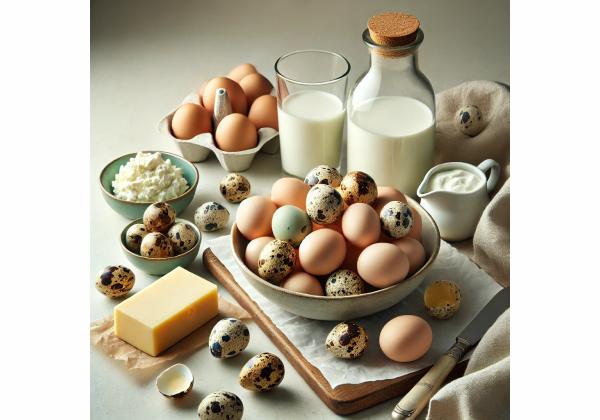
Pheasant eggs are a rare treat with a devoted following among hunters, chefs, and curious home cooks. About the size of two quail eggs, they have mottled shells, a deep golden yolk, and a rich, savory taste that stands up to roasting vegetables, foraged greens, and game meat. Like other avian eggs, pheasant eggs deliver complete protein and a concentrated mix of choline, vitamin B12, riboflavin, selenium, and fat-soluble pigments such as lutein and zeaxanthin. Because pheasant eggs typically have a slightly larger yolk proportion than hen eggs, they feel creamier and can add notable color and structure to baked goods. From a nutrition and safety standpoint, they behave much like chicken eggs: they’re satisfying, versatile, and easy to prepare, yet they still require careful handling to prevent foodborne illness. Whether you’re deciding how often to eat them, how to store and cook them, or how they compare with chicken and quail eggs, this guide covers what matters most—practical benefits, realistic risks, and simple kitchen advice grounded in what we know about eggs.
At a Glance
- Provides complete protein and ~290 mg choline per 100 g for muscle and brain support.
- Rich in lutein and zeaxanthin in the yolk; may support eye health when eaten regularly.
- Safety: treat as high-risk for Salmonella; cook until whites and yolks are firm.
- Typical serving: 2–3 pheasant eggs (≈60–90 g) up to several times per week within overall calorie needs.
- Limit or avoid if you have an egg allergy or a physician has advised restricting dietary cholesterol.
Table of Contents
- Pheasant eggs: detailed overview
- Pheasant eggs nutrition profile
- Evidence-based benefits of pheasant eggs
- Risks, allergies and interactions
- Selecting, quality, sustainability and storage
- Preparation, cooking and nutrient retention
- Portions, comparisons and FAQs
Pheasant eggs: detailed overview
Pheasant eggs come from several species in the Phasianus genus, most commonly the ring-necked pheasant raised on small farms. Compared with hen eggs, they are smaller (typically 25–30 g each), with thick shells colored olive, beige, or speckled brown. A distinctive feature is the yolk-to-white ratio: pheasant eggs generally have a higher yolk proportion than chicken eggs. That means a creamier texture, a deeper yellow color in finished dishes, and slightly higher energy density per gram. Cooks often describe the flavor as fuller and more savory than chicken eggs, without the pronounced gamey notes of duck or goose eggs.
Culinary uses mirror what you already do with hen eggs, scaled to size. Three pheasant eggs roughly equal one large chicken egg in recipes. They’re excellent soft-boiled (5–6 minutes), poached for salads, whisked into carbonara, set into mini shakshuka, or baked into custards. Because of their yolk richness, pheasant eggs shine in pastry: sabayon, lemon curd, brioche, and crème brûlée gain color and body. Their sturdy shells also make them good candidates for pickling.
From a nutrition standpoint, pheasant eggs deliver complete protein (all essential amino acids), plus choline for brain and liver function, vitamin B12 and riboflavin for energy metabolism, selenium for antioxidant defenses, and carotenoids (lutein and zeaxanthin) concentrated in the yolk. The fat profile resembles hen eggs, with a mix of monounsaturated and polyunsaturated fats alongside saturated fat. As with all shell eggs, they are cholesterol-containing foods; how that fits into your diet depends on your overall pattern of eating and your clinical context.
Availability varies by region and season. In many countries, it is illegal to collect wild pheasant eggs. Look for licensed farms and reputable specialty markets. Freshness matters: air cell size increases over time, thinning the white and weakening foaming and emulsifying performance. Farm-raised eggs labeled “pasture-raised” or “free-range” can vary in nutrient profile depending on feed, forage access, and season; richer yolk color often reflects higher carotenoid intake by the birds.
Key takeaway: treat pheasant eggs much like premium hen eggs—nutrient-dense, flavorful, and versatile—but buy from trustworthy sources, handle with care, and cook thoroughly unless you’re using pasteurized eggs.
Pheasant eggs nutrition profile
Below is a practical profile using values per 100 g edible portion (raw). Because public databases seldom list pheasant eggs explicitly, the numbers reflect whole hen’s eggs as the closest validated reference with adjustments noted where appropriate. Pheasant eggs are broadly comparable, though yolk-heavy eggs may run slightly higher in energy and fat.
Macros and electrolytes (per 100 g)
| Nutrient | Amount | %DV |
|---|---|---|
| Energy | 143 kcal | — |
| Water | 76.0 g | — |
| Protein | 12.6 g | 25% |
| Total fat | 9.5 g | 12% |
| Saturated fat | 3.1 g | 16% |
| Monounsaturated fat | 3.7 g | — |
| Polyunsaturated fat | 1.9 g | — |
| Cholesterol | 372 mg | — (no DV) |
| Sodium | 142 mg | 6% |
| Potassium | 138 mg | 3% |
Carbohydrates
| Nutrient | Amount | %DV |
|---|---|---|
| Total carbohydrate | 0.7 g | 0% |
| Sugars | 0.4 g | — |
| Fiber | 0.0 g | 0% |
Protein and amino acids (selected)
| Component | Amount | Notes |
|---|---|---|
| Protein (complete) | 12.6 g | Contains all essential amino acids |
| Leucine | ~1.1 g | BCAA, muscle protein synthesis |
| Lysine | ~0.9 g | Limiting in some grains—eggs complement cereals |
Vitamins
| Vitamin | Amount | %DV |
|---|---|---|
| Choline | 290–300 mg | 53% (DV 550 mg) |
| Vitamin B12 (cobalamin) | 1.1 µg | 46% |
| Riboflavin (B2) | 0.45 mg | 35% |
| Folate (B9, DFE) | 47 µg | 12% |
| Pantothenic acid (B5) | 1.4 mg | 28% |
| Vitamin D | 2.0 µg | 10% |
| Vitamin A (RAE) | 160 µg | 18% |
| Vitamin E (alpha-tocopherol) | ~1.0 mg | 7% |
Minerals
| Mineral | Amount | %DV |
|---|---|---|
| Selenium | 31 µg | 56% |
| Phosphorus | 198 mg | 16% |
| Zinc | 1.3 mg | 12% |
| Iron | 1.7–1.8 mg | 9–10% |
| Calcium | 50–60 mg | 4% |
Fats and fatty acids (approximate)
| Fatty acid class | Amount | Practical note |
|---|---|---|
| Saturated | ~3.1 g | Limit as part of overall diet |
| Monounsaturated | ~3.7 g | Oleic acid predominant |
| Polyunsaturated | ~1.9 g | Includes linoleic and a small amount of DHA |
Glycemic and acid–base metrics
- Glycemic impact: effectively zero (negligible available carbohydrate).
- PRAL (potential renal acid load): ~+4 to +5 per 100 g (moderately acid-forming).
Allergens and intolerance markers
- Main egg allergens: ovomucoid, ovalbumin, ovotransferrin, lysozyme; most reside in the white. Sensitive individuals may also react to yolk proteins (alpha-livetin).
Contaminants and residues
- The primary concern is microbial (Salmonella) rather than chemical. Industrial contaminants are unlikely when sourced from reputable farms; avoid collecting wild eggs.
Notes: Values reflect raw, whole eggs per 100 g. Pheasant eggs often have a higher yolk fraction than chicken eggs, which can raise energy, fat, cholesterol, vitamins A and D, and carotenoid content modestly relative to hen-egg values. Vitamin D varies with feed and sun exposure. No official %DV exists for cholesterol.
Evidence-based benefits of pheasant eggs
1) High-quality protein for strength and satiety
Egg protein contains all essential amino acids in proportions that support muscle maintenance and repair. A 100 g portion (~two large hen eggs or three to four pheasant eggs) delivers ~12–13 g of protein with a high digestibility score. When eaten at breakfast, eggs often increase satiety compared with grain-only meals, which can help manage overall daily energy intake.
2) Choline for brain and liver function
The yolk supplies ~290–300 mg choline per 100 g—over half the adult Daily Value. Choline supports neurotransmitter synthesis (acetylcholine), cell-membrane integrity (phosphatidylcholine), and methyl-group metabolism. Adequate intake is linked with normal fetal brain development, and adequate choline helps prevent accumulation of fat in the liver.
3) Eye-focused antioxidants (lutein and zeaxanthin)
Pheasant egg yolks, like hen yolks, concentrate lutein and zeaxanthin—pigments that accumulate in the macula. Regular consumption of eggs has been shown to raise blood levels of these xanthophylls; studies using two eggs daily (standard or enriched) increased circulating lutein/zeaxanthin and modestly improved macular pigment optical density over several months in adults. Bioavailability from yolk is high because carotenoids are delivered with natural phospholipids and fat.
4) Micronutrients that are hard to get elsewhere
Eggs contribute meaningful amounts of vitamin B12, riboflavin, selenium, and iodine (variable by feed and region). For individuals who eat little meat or dairy, eggs can help close common nutrient gaps. Selenium supports antioxidant enzymes (e.g., glutathione peroxidases), while B12 and riboflavin aid energy metabolism and red blood-cell formation.
5) Cardiometabolic context: focus on patterns, not single foods
Modern reviews of randomized trials and prospective cohorts generally find neutral cardiometabolic effects of moderate egg intake within healthy dietary patterns. For people without diabetes, one egg per day on average is often compatible with cardiometabolic goals when saturated fat and sodium are controlled. For those with type 2 diabetes or established cardiovascular disease, individualized advice is essential; overall diet quality, fiber intake, and replacement foods matter more than egg counts alone.
6) Culinary and practical advantages
Because pheasant eggs are yolk-forward, they excel in emulsions—mayo, aioli, hollandaise—and custards. Their firm whites still whip for meringues, though they may reach slightly lower foam volume than chicken whites. For bakers, substituting three pheasant eggs for one large hen egg yields rich brioche and golden sponge cakes.
Who benefits most?
- Active adults and older adults aiming to meet protein targets at breakfast.
- Pregnant individuals needing more choline (always follow your clinician’s guidance).
- People seeking practical sources of lutein and zeaxanthin who struggle to eat enough dark leafy greens.
Risks, allergies and interactions
Foodborne illness
Like all shell eggs, pheasant eggs can harbor Salmonella. The safest approach is to cook until both white and yolk are firm or use pasteurized in-shell eggs for recipes that remain undercooked (e.g., Caesar dressing, tiramisu). Keep eggs refrigerated at or below 40°F (4°C), avoid cracked shells, wash hands and utensils after contact with raw eggs, and consume cooked egg dishes promptly or refrigerate leftovers within two hours.
Allergies
Egg allergy is one of the most common pediatric food allergies, though many children outgrow it. The major allergens (ovomucoid, ovalbumin, ovotransferrin) are in the white; yolk proteins can also provoke reactions in some people. Heating can reduce—but not eliminate—allergenic potential. If you have a diagnosed egg allergy, avoid pheasant eggs unless your allergist has cleared a baked-egg challenge or supervised reintroduction. Cross-reactivity between avian eggs is common; tolerating chicken eggs but reacting to pheasant eggs (or vice versa) is possible but unusual.
Cholesterol and cardiometabolic health
Pheasant eggs contain cholesterol similar to hen eggs on a per-gram basis. Current guidance emphasizes overall dietary patterns: prioritize vegetables, legumes, whole grains, nuts, and unsaturated fats; limit saturated fat to help manage LDL cholesterol. If your clinician has asked you to restrict high-cholesterol foods—or if you have familial hypercholesterolemia—discuss egg intake personally rather than following general advice.
Biotin interference (raw whites)
Raw egg whites contain avidin, a protein that binds biotin and can reduce its absorption. Normal cooking denatures avidin, so cooked eggs do not pose this issue. Long-term high-volume consumption of raw whites (e.g., homemade protein shakes) is not recommended.
Medication and lab-test interactions
- Very high supplemental biotin (not eggs) can interfere with certain lab tests; standard dietary intakes from eggs do not usually cause problems.
- No direct drug–egg interactions are typical, but if you take immunosuppressants or are pregnant, follow food-safety best practices strictly.
Environmental and sourcing caveats
Collecting wild pheasant eggs is illegal in many regions. Buy from licensed farms with proper cold-chain handling. If you keep backyard pheasants, follow local veterinary guidance on vaccination, parasite control, and feed quality.
Who should limit or avoid?
- Anyone with confirmed egg allergy.
- People advised by a clinician to restrict dietary cholesterol or who have conditions requiring strict food-safety precautions (e.g., pregnancy, transplant recipients) unless using pasteurized eggs and thoroughly cooking.
Selecting, quality, sustainability and storage
How to choose quality pheasant eggs
- Source: Prefer licensed farms or reputable specialty markets. Ask about laying date and refrigeration practices.
- Shell check: Look for clean, intact shells with a matte finish; avoid cracks or thin, chalky spots.
- Float test at home (freshness check): Place in cold water. Very fresh eggs sink and lie flat; older eggs tip upright as the air cell enlarges. Discard floaters.
- Candling cues (optional): Holding a small light behind the egg reveals air-cell size and white clarity. A small air cell and stable yolk indicate freshness.
Labels and what they mean
- Free-range/pasture-raised: Indicates outdoor access; nutrient differences are possible (often darker yolks from higher carotenoid intake), but standards vary.
- Organic: Feed meets organic standards; not inherently safer from Salmonella.
- Omega-3-enriched: Feed includes flax/algae; yolks may contain more omega-3 and carotenoids.
Sustainability considerations
Eggs, as a category, have a relatively modest environmental footprint compared with many meats. Small pasture-based systems can support biodiversity when managed well, though productivity and disease risks differ from conventional barns. Buy what you will use, store cold, and minimize waste—simple choices that matter environmentally.
Storage best practices
- Refrigerate immediately at ≤40°F (4°C), ideally in the carton on a middle shelf (temperature is steadier than the door).
- Shelf life: Use within 3 weeks of purchase for best quality; hard-cooked eggs keep up to 1 week refrigerated.
- Freezing: Do not freeze whole in the shell. Beat and freeze yolks and whites together (or whites alone) in labeled containers; use within 1 year for best quality.
- Leftovers and meal prep: Cooked egg dishes should be chilled within 2 hours and eaten within 3–4 days (reheat to 165°F/74°C).
- Odor and appearance checks: A clean, neutral smell and cohesive whites are good signs; sulfur odor, pink/green hues, or unusual fluidity are reasons to discard.
Food-safety recap
Buy cold eggs, keep them cold, cook thoroughly (or use pasteurized eggs for undercooked recipes), and avoid cross-contamination on cutting boards and utensils. These simple steps prevent most egg-related illnesses.
Preparation, cooking and nutrient retention
Cooking times (pheasant egg size ≈ 25–30 g each)
- Soft-boiled (jammy yolk): 5–6 minutes in simmering water; chill briefly to stop cooking.
- Medium: 7–8 minutes.
- Hard-boiled: 9–10 minutes; overcooking can gray the yolk (iron–sulfur reaction).
- Poached: 2½–3 minutes in barely simmering water with a gentle swirl.
- Pan-fried: Medium heat with a covered pan to set the white and yolk without excessive browning.
- Baked custards: 160°F (71°C) internal temperature for safety.
Maximizing nutrition while cooking
- Protect heat-sensitive nutrients: Prolonged high heat can reduce some B-vitamins and carotenoids. Use gentle methods (poaching, soft-boiling) when texture allows.
- Pair with produce and healthy fats: Carotenoids are fat-soluble—serving eggs with leafy greens and olive oil can improve absorption.
- Avoid raw whites long-term: Cooking denatures avidin so biotin remains available.
- Mind the salt: Season with herbs, citrus, or chili instead of relying on sodium.
Kitchen science for better results
- Older vs. fresher eggs: Fresher eggs poach and fry more neatly (tighter whites). Slightly older eggs peel more easily when hard-boiled.
- Emulsions: Pheasant yolks have ample lecithin, stabilizing mayonnaise, aioli, hollandaise, and custards.
- Foams: Whisk whites in a clean, grease-free bowl; a pinch of acid (cream of tartar) helps stabilize. Expect slightly lower maximum volume than chicken whites due to protein ratios.
Simple recipe ideas (scale to appetite)
- Spring salad with poached pheasant eggs: Blanched asparagus, peas, lemon vinaigrette, shaved pecorino, and two poached eggs.
- Golden carbonara: Substitute three pheasant eggs for one hen egg plus yolk; toss with hot pasta, crisp pancetta, and black pepper.
- Herbed mini frittatas: Beat six pheasant eggs with chopped spinach, scallions, and feta; bake in muffin tins until just set.
- Pickled pheasant eggs: Hard-cook, peel, and marinate in a solution of vinegar, water, salt, garlic, and beet slices for color.
Food-safety checkpoints while cooking
Use a thermometer for custards and casseroles (160°F); cook visible whites and yolks to firmness for frying and boiling unless using pasteurized eggs. Wash hands, bowls, and tools after raw-egg contact.
Portions, comparisons and FAQs
How many pheasant eggs equal one chicken egg?
Roughly three average pheasant eggs (≈75–90 g total) equal one large hen egg in volume and binding power. In baking, start with this ratio and adjust by feel.
How often can I eat them?
For most healthy adults, several eggs across the week can fit into balanced eating patterns that emphasize vegetables, legumes, whole grains, fruits, nuts, and unsaturated fats. Your personal target depends on overall calories, saturated-fat limits, and clinical guidance.
Do pheasant eggs have more nutrients than chicken eggs?
They are broadly similar per gram. Because pheasant eggs have a larger yolk fraction, each individual egg can be a little richer in fat-soluble vitamins and carotenoids. On a per-100-g basis, differences are modest and largely influenced by the birds’ diet.
Are they good for children or during pregnancy?
Cook thoroughly for anyone at higher risk of severe foodborne illness, including pregnant people and young children. From a nutrient perspective, well-cooked eggs can support protein and choline needs. If your clinician recommends limiting eggs (due to allergy, cholesterol goals, or other reasons), follow that advice.
How do they compare with quail and duck eggs?
- Quail: Smaller with a high yolk ratio; similar rich taste. Five to six quail eggs approximate one hen egg.
- Pheasant: Between quail and chicken in size; savory and balanced. Three per hen egg.
- Duck: Larger than hen eggs, higher fat and energy per egg; excellent for baking but more assertive flavor.
What if I only have wild-sourced eggs?
Avoid collecting wild eggs where prohibited. Farmed eggs are the safe, legal choice and offer traceability, proper handling, and vaccination programs.
Any quick ways to add them to meals?
- Top grain bowls or vegetable sautés with two soft-boiled pheasant eggs.
- Make mini omelets with chopped greens for portable breakfasts.
- Whisk into soup just off the boil for ribbons of set egg (egg-drop style).
Suggested portion guide
- Light meal or snack: 2 pheasant eggs with vegetables and whole-grain toast.
- Main meal: 3 pheasant eggs plus a large serving of non-starchy vegetables and a whole grain.
- Baker’s swap: 3 pheasant eggs ≈ 1 large hen egg in custards and enriched doughs.
References
- What You Need to Know About Egg Safety 2024 (Guidance)
- Biotin – Health Professional Fact Sheet 2022 (Guideline)
- Eggs: Healthy or Risky? A Review of Evidence from High Quality Studies on Hen’s Eggs 2023 (Systematic Review)
- A Comparison of Egg Quality of Pheasant, Chukar, Quail and Guinea Fowl 2000 (Comparative Study)
- The ALGOVUE Clinical Trial: Effects of the Daily Consumption of Eggs Enriched with Lutein and Docosahexaenoic Acid on Plasma Composition and Macular Pigment Optical Density 2021 (RCT)
Disclaimer
This article is for general education and is not a substitute for personalized medical advice, diagnosis, or treatment. Nutrition needs and safety considerations vary widely based on health history, medications, and laboratory results. Always consult a qualified healthcare professional for guidance on egg intake, cholesterol management, allergies, and food-safety precautions appropriate to you.
If this guide helped you, please consider sharing it with friends or on Facebook or X to support our work creating clear, trustworthy nutrition resources. Thank you.