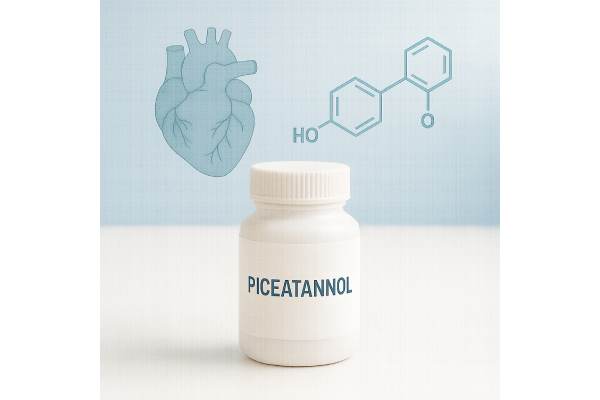
Piceatannol is a natural plant compound that often appears in the shadow of its better-known cousin, resveratrol. Chemically, it is a stilbene polyphenol with one extra hydroxyl group, and that small difference can translate into stronger antioxidant activity in several experimental models. You will find piceatannol in passion fruit seeds, grapes, berries, peanuts, and red wine, as well as in a few specialized extracts and cosmetic formulas.
Researchers are interested in piceatannol because it touches several pathways at once: it can neutralize reactive oxygen species, modulate inflammatory signaling, influence fat-cell development, and interact with enzymes involved in glucose metabolism and cellular aging. At the same time, human data are still relatively limited. A few small clinical trials and many cell and animal studies suggest potential benefits for metabolic health, skin protection, and age-related changes, but dosing, safety, and long-term effects remain open questions. This guide walks you through what is known so far—and where caution is still warranted.
Quick Overview for Piceatannol
- Piceatannol is a natural stilbene related to resveratrol, with strong antioxidant and anti-inflammatory activity in experimental models.
- Early research suggests possible support for metabolic health, body composition, skin integrity, and cellular aging, but human trials are still few and small.
- Human studies most often use 10–20 mg piceatannol per day for 1–8 weeks; higher supplemental doses lack robust safety data.
- Potential side effects include digestive discomfort, headache, drug–metabolizing enzyme interactions, and unknown long-term risks at high doses.
- People who are pregnant or breastfeeding, have serious chronic disease, or take multiple prescription drugs should avoid piceatannol supplements unless a clinician specifically recommends them.
Table of Contents
- What is piceatannol and how is it different from resveratrol?
- What are the main health benefits of piceatannol?
- How to take piceatannol: natural sources and supplement dosage
- What results can you expect from piceatannol?
- Is piceatannol safe and who should avoid it?
- What does the science say about piceatannol?
What is piceatannol and how is it different from resveratrol?
Piceatannol is a polyphenolic stilbene, known chemically as trans-3,3′,4′,5-tetrahydroxystilbene. It belongs to the same family as resveratrol, but has an additional hydroxyl (–OH) group on the aromatic ring. This seemingly small structural change affects how the molecule donates electrons, binds to proteins, and interacts with enzymes, which may explain why piceatannol sometimes shows stronger biological effects than resveratrol in laboratory studies.
In nature, piceatannol is found mainly in:
- Passion fruit (especially the seeds)
- Grapes and grape canes
- Berries such as blueberries
- Peanuts and almonds
- Certain teas and sugar cane products
The body can also produce piceatannol from resveratrol through specific cytochrome P450 enzymes. In other words, when you consume resveratrol-rich foods, a portion may be converted into piceatannol, adding to your overall exposure.
Functionally, both compounds share several features:
- They act as antioxidants, helping neutralize reactive oxygen species.
- They modulate inflammatory pathways, including NF-κB and related cascades.
- They can affect enzymes and receptors involved in glucose and lipid metabolism.
Where piceatannol stands out is in its higher potency in some contexts. Experimental work suggests that piceatannol can more strongly inhibit adipogenesis (the formation of new fat cells), may better improve insulin signaling in certain models, and can act as a “senotherapeutic” by influencing pathways linked to cellular senescence.
At the same time, piceatannol shares one of resveratrol’s main limitations: low oral bioavailability. After ingestion, it is rapidly conjugated (for example, by glucuronidation and sulfation) in the gut and liver. Only a fraction of the free compound reaches systemic circulation in its original form. This means that the impressive effects seen in cell culture at micromolar concentrations may not fully translate to human tissues after typical dietary doses.
In practice, you can think of piceatannol as a more hydroxylated, sometimes more potent cousin of resveratrol, with similar broad themes—antioxidant, anti-inflammatory, and metabolic modulation—but with its own pharmacokinetic profile and gaps in human data.
What are the main health benefits of piceatannol?
Most of what we know about piceatannol’s health effects comes from cell and animal research, plus a small number of human studies. The key potential benefits cluster around four domains: metabolic health, body composition, cardiovascular protection, and cellular aging and skin.
1. Metabolic health and insulin sensitivity
Several experimental models suggest that piceatannol can improve insulin signaling, reduce fasting glucose, and protect against diet-induced metabolic disturbances. It appears to:
- Enhance insulin receptor signaling and downstream pathways in insulin-resistant cells.
- Modulate enzymes involved in gluconeogenesis (glucose production) in the liver.
- Reduce inflammatory signaling in adipose tissue, which is strongly linked to insulin resistance.
In a randomized, placebo-controlled human study using 20 mg/day of piceatannol from passion fruit seed extract for eight weeks, overweight men showed improvements in fasting insulin, insulin resistance indices, blood pressure, and heart rate. Non-overweight men and women did not show clear benefits on these endpoints, suggesting that baseline metabolic risk may influence responsiveness.
2. Anti-obesity and body composition effects
Piceatannol has drawn attention as a potential anti-obesity agent, particularly due to its actions in fat cells and adipose-derived stem cells. Research shows that it can:
- Inhibit the differentiation of precursor cells into mature fat cells by down-regulating key transcription factors (such as PPARγ and C/EBPα).
- Reduce fat accumulation and lipogenesis (fat synthesis) in liver and adipose tissue models.
- Influence lipolysis and autophagy pathways that determine how fat is stored and mobilized.
Some studies directly compare piceatannol with resveratrol and report that piceatannol more strongly suppresses adipogenesis in human visceral adipose-derived stem cells. This does not mean it is a magic weight-loss pill, but it does support the idea that piceatannol-rich foods or extracts may modestly support healthier fat metabolism in the context of diet and lifestyle changes.
3. Cardiovascular and vascular support
By combining antioxidant and anti-inflammatory actions with possible improvements in lipid handling and blood pressure, piceatannol may support cardiovascular health. Experimental work indicates that it can:
- Reduce oxidative damage in blood vessel walls.
- Improve endothelial function and nitric oxide availability in some models.
- Modulate cholesterol metabolism and reduce markers associated with atherosclerosis.
These findings are encouraging, but they mainly come from preclinical research. Human data are still too sparse to claim that piceatannol alone prevents cardiovascular disease.
4. Skin, photoaging, and cellular aging
Piceatannol has been studied in the context of UV-induced skin damage, collagen breakdown, and cellular senescence:
- In skin cell models, it can reduce UV-induced reactive oxygen species, protect glutathione levels, and reduce matrix metalloproteinases that break down collagen.
- It has shown the ability to reduce the number of senescent mesenchymal stromal cells and modulate senescence-related pathways, making it a candidate “senotherapeutic” in experimental settings.
These findings underpin its growing use in some anti-aging skincare formulations, although human clinical trials in dermatology are still limited.
Overall, piceatannol looks promising as a multi-target polyphenol, but most evidence remains early-stage. It should be seen as a supportive component of a healthy lifestyle, not a stand-alone treatment for metabolic disease, obesity, or aging.
How to take piceatannol: natural sources and supplement dosage
Because piceatannol is not an essential nutrient and has no formally established daily requirement, there is no official “recommended dose.” When thinking about intake, it helps to separate dietary sources from concentrated supplements.
Dietary sources
You naturally encounter piceatannol when you eat certain plant foods. The richest known sources include:
- Passion fruit seeds and passion fruit seed extracts
- Grapes (particularly skins and canes) and red wine
- Berries (various Vaccinium species)
- Peanuts and almonds
- Some teas and sugar cane products
In whole foods, the absolute amount of piceatannol per serving is typically modest—measured in micrograms to low milligrams—yet it arrives along with fiber, other polyphenols, minerals, and vitamins. For most people, increasing piceatannol intake through a plant-rich diet is the safest and most sustainable strategy.
Supplement forms and studied doses
Several research groups have used standardized passion fruit seed extracts or purified piceatannol in capsule form. The commonly studied human regimens include:
- 10 mg/day of piceatannol for one week, which showed no meaningful effect on fat metabolism or metabolic markers in one small trial.
- 20 mg/day of piceatannol (often via passion fruit seed extract) for eight weeks, which improved insulin sensitivity and blood pressure in overweight men, with little effect in other groups.
Some commercial supplements list higher doses (for example, 20–50 mg per capsule), but these have not been extensively studied in long-term human trials. Because piceatannol affects drug-metabolizing enzymes in vitro and may interact with medications, jumping to high doses is not advisable.
Practical guidance if your clinician approves
If, after medical consultation, piceatannol supplementation is considered appropriate, a cautious, research-aligned approach would look like:
- Focusing first on diet: more passion fruit, grapes, berries, peanuts, and other plant foods.
- If a supplement is used, staying close to studied ranges: 10–20 mg/day for a limited period (for example, 4–8 weeks).
- Avoiding stacking piceatannol with multiple other high-dose polyphenol supplements that may compete for the same detoxification pathways.
- Monitoring blood work and symptoms, especially if you have metabolic, liver, or kidney conditions or take prescription drugs.
Because products vary widely in quality and labeling accuracy, choosing supplements that provide third-party testing for content and contaminants is essential. Still, for many people, carefully chosen food sources plus broader lifestyle changes will offer more predictable benefits than isolated high-dose piceatannol.
What results can you expect from piceatannol?
Expectations often determine whether a supplement feels “worth it.” With piceatannol, a realistic outlook is especially important, because the research base, while promising, is still small.
Time frame
In human trials that reported benefits, changes appeared over weeks, not days. The eight-week study using 20 mg/day piceatannol from passion fruit seed extract found improvements in insulin sensitivity and blood pressure only after completing the full course. Short-term supplementation for seven days at 10 mg/day did not meaningfully change fat metabolism or key metabolic markers.
If any benefit occurs, it is likely to be gradual and subtle—shifts in lab numbers, blood pressure, or body composition rather than dramatic changes you feel overnight.
Who seems most likely to benefit?
Based on early data:
- Overweight individuals with features of insulin resistance appear more responsive than lean, metabolically healthy people.
- People with already well-managed blood glucose and blood pressure may notice little to no effect.
- Responses may vary by sex and hormonal status, though current studies are too small to define clear patterns.
This fits a broader theme in nutrition science: compounds that modulate stress and metabolic pathways often show the biggest effects when those pathways are clearly disturbed.
What kinds of changes are plausible?
If piceatannol helps, the kinds of changes you might see (documented in clinical or experimental settings) include:
- Modest improvements in fasting insulin and insulin resistance indices.
- Small reductions in systolic and diastolic blood pressure.
- Slight improvements in inflammatory markers or oxidative stress biomarkers.
- Subtle changes in body composition or fat distribution over longer periods, particularly when combined with diet and exercise.
- Better resilience of skin cells to oxidative or UV-related stress, which may translate to skin benefits over time when used topically or ingested as part of a broader regimen.
However, piceatannol has not been shown to:
- Produce large, standalone weight-loss effects in humans.
- Replace standard treatments for diabetes, hypertension, or cardiovascular disease.
- Reverse established chronic illnesses or dramatically extend lifespan.
Interpreting your own experience
Because subjective effects like energy, mood, and appetite can be influenced by expectations, it helps to:
- Discuss any trial use with a clinician, especially if you have underlying conditions.
- Track objective markers where possible (blood pressure, lab tests, waist circumference) over several weeks.
- Make only one major supplement change at a time, so you can attribute any differences more clearly.
In short, piceatannol may offer incremental support in the right context, particularly for metabolic health, but it should be seen as a small piece of a much larger puzzle that includes diet, activity, sleep, and evidence-based medical care.
Is piceatannol safe and who should avoid it?
For a compound that has attracted substantial research interest, surprisingly few studies have directly examined piceatannol’s safety in humans. Most toxicology data come from cell and animal models, which do not fully capture long-term risks or interactions in people with complex medical histories.
Short-term tolerability
In the human studies that used doses of 10–20 mg/day for 1–8 weeks, piceatannol was generally well tolerated. Reported side effects, when present, were usually mild and nonspecific, such as:
- Digestive discomfort (bloating, loose stools, or nausea)
- Headache
- Slight changes in sleep or energy levels
No serious adverse events clearly attributable to piceatannol were reported in these small trials, but the sample sizes were modest and follow-up short.
Potential risks and theoretical concerns
Beyond what is visible in short studies, several issues need to be considered:
- Drug interactions: Piceatannol can inhibit certain drug-metabolizing enzymes (for example, UDP-glucuronosyltransferases) in vitro. In theory, this could slow the clearance of drugs that rely on these enzymes, increasing their blood levels and side effects.
- Hormone-sensitive tissues: As a polyphenolic stilbene, piceatannol may interact with hormone-related pathways. The clinical significance is not fully understood, especially in individuals with hormone-dependent cancers.
- Bleeding and clotting: Many polyphenols have mild antiplatelet or vascular effects. People on anticoagulants or antiplatelet drugs should be cautious with high-dose supplements.
- Liver and kidney function: Most metabolism and excretion occur through the liver and kidneys. In people with significant impairment, accumulation or altered metabolite profiles are possible, though not well studied.
Who should avoid piceatannol supplements unless specifically advised otherwise?
- Pregnant or breastfeeding people: There are no robust human safety data in pregnancy or lactation.
- Children and adolescents: Developing bodies and brains may respond differently; benefits and risks are not defined.
- Individuals with serious chronic disease: Especially uncontrolled cardiovascular disease, severe liver or kidney disease, or active cancer under treatment.
- People on multiple medications: Including anticoagulants, antiplatelet drugs, chemotherapy, immunosuppressants, and drugs with narrow therapeutic windows.
- Anyone with a history of serious reactions to grape, passion fruit seed extracts, or similar polyphenol-rich products.
For most generally healthy adults, increasing piceatannol through whole foods is considered low risk and can be part of a broader plant-rich diet. The uncertain territory begins with concentrated supplements, particularly at doses above those used in controlled studies or taken for many months without medical supervision.
The safest approach is to treat piceatannol as you would any bioactive compound with pharmacological potential: discuss it with your healthcare provider, start low if you use it at all, and discontinue it and seek medical advice if you notice worrisome symptoms such as jaundice, dark urine, unexplained bruising, palpitations, or marked mood changes.
Back to top ↑
References
- Piceatannol, a comprehensive review of health perspectives and pharmacological aspects 2024 (Systematic Review)
- The Therapeutic Potential of Piceatannol, a Natural Stilbene, in Metabolic Diseases: A Review 2017 (Systematic Review)
- The Effect of Piceatannol from Passion Fruit (Passiflora edulis) Seeds on Metabolic Health in Humans 2017 (RCT)
- Piceatannol Is Superior to Resveratrol at Suppressing Adipogenesis in Human Visceral Adipose-Derived Stem Cells 2021 (In vitro Human Cell Study)
- Biomolecular Evaluation of Piceatannol’s Effects in Counteracting the Senescence of Mesenchymal Stromal Cells: A New Candidate for Senotherapeutics? 2021 (Experimental Study)
Disclaimer
The information provided in this article is for general educational purposes only and is not intended to replace personalized medical advice, diagnosis, or treatment. Piceatannol is a bioactive compound with pharmacological effects, and concentrated supplements may not be appropriate or safe for everyone. Never start, stop, or change any medication or supplement regimen, including piceatannol, without consulting a qualified healthcare professional who is familiar with your medical history, laboratory results, and current medications. If you experience unexpected symptoms such as chest pain, shortness of breath, severe headache, neurological changes, or signs of allergic reaction, seek urgent medical care.
If you found this article helpful, you are kindly invited to share it on Facebook, X (formerly Twitter), or any platform you prefer, and to follow our work on social media. Your thoughtful support helps our team continue creating carefully researched, balanced content for readers who value reliable health information.