Pigeon peas—also called toor dal, arhar, gandules, or Congo peas—are small, nutty legumes that punch above their weight in everyday cooking. They deliver steady energy, plant protein, and ample fiber; they also bring folate, magnesium, potassium, and trace minerals that many diets lack. Culturally, they are core to dishes from Caribbean arroz con gandules and Filipino KBL to Indian dal and East African mbaazi wa nazi. On the farm, pigeon pea is a drought-tolerant nitrogen fixer that supports soil health and resilient harvests across tough seasons. In the kitchen, it is versatile in both dried and green forms: simmered into silky soups, pressure-cooked for quick dals, or folded into rice, salads, and stews. This guide translates the science into practical details—exact per-100-g nutrition, realistic benefits and risks, buyer’s notes, and kitchen strategies that protect color, texture, and nutrients. If you want an inexpensive, sustainable staple that works in weeknight meals and long-simmered classics, pigeon peas earn a place in your regular rotation.
Essential Insights
- A typical 100 g cooked serving provides about 121 kcal, ~6.8 g protein, and ~6.7 g fiber to support fullness and steady blood sugar.
- Standard portion and frequency: ½–1 cup cooked (80–160 g) several times per week fits most balanced eating patterns.
- Safety note: raw pea or bean sprouts can carry pathogens; at-risk groups should avoid them or cook thoroughly.
- Limit or seek guidance: people with legume allergies, advanced kidney disease (potassium and phosphorus), or those new to high-fiber diets prone to IBS symptoms.
Table of Contents
- Pigeon peas: detailed overview
- Pigeon pea nutrition profile (per 100 g)
- Evidence-based health benefits of pigeon peas
- Risks, allergies and interactions
- Selecting quality sustainability and storage
- Preparation cooking and nutrient retention
- Portions comparisons and FAQs
Pigeon peas: detailed overview
Pigeon pea (Cajanus cajan) is a hardy, bushy legume grown across South Asia, East and West Africa, the Caribbean, Central America, and parts of Oceania. The plant is unusually resilient: it tolerates heat, periods of drought, and poor soils while helping restore them through nitrogen fixation. That agronomic profile explains why pigeon pea remains a food security crop in drylands and a smart rotation partner for cereals.
Culinarily, pigeon peas appear in three common forms:
- Dried whole seeds (mature): earthy, nutty flavor; best for slow stews and pressure-cooked dishes where you want intact beans with a little bite.
- Split and skinned seeds (toor dal/arhar): cook faster and break down into a creamy texture, ideal for dals, soups, and purées.
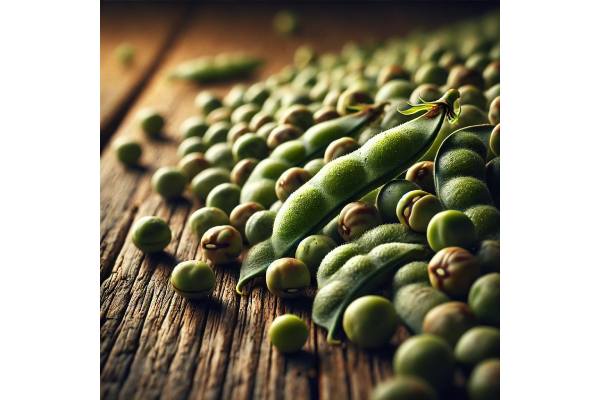
- Green pigeon peas (immature/fresh or frozen): tender seeds with a gentle sweetness, used like green peas in rice dishes, sautés, and salads.
Regional names hint at their reach: gandules in Puerto Rico and the Dominican Republic (famous in arroz con gandules); toor dal or arhar in India (staple in sambar and simple tadka dal); mbaazi in Swahili-speaking East Africa (often stewed with coconut milk); kadyos in the Philippines (in KBL—kadyos, baboy, langka). Each tradition uses seasoning frameworks that you can borrow freely: sofrito with olives and capers; mustard seeds, curry leaves, and asafoetida; ginger, garlic, and turmeric; coconut milk with chilies and lime.
From a nutrition standpoint, pigeon peas sit between lentils and chickpeas: more fiber and potassium than many beans per 100 g cooked, modest fat, and protein that rises when you move from green to dried split forms. The seeds carry folate, thiamin, magnesium, phosphorus, and trace minerals like copper and manganese. Like other pulses, they contain anti-nutrients such as phytate and tannins in raw form; regular household cooking (boiling, pressure cooking) reduces these factors to levels most people tolerate well.
As a pantry ingredient, pigeon peas are forgiving. Canned gandules cut prep time for rice dishes; split toor dal cooks quickly for weeknight soups; whole dried peas reward a slow simmer with deep, savory flavor. Their starch and fiber give soups body without cream and keep rice dishes moist with fewer added fats. Economically, a small bag stretches into multiple meals, freezes well, and adds plant diversity without complicating your grocery list.
In short, pigeon peas combine adaptability in the field with flexibility in the kitchen—qualities that support sustainable, satisfying meals year-round.
Pigeon pea nutrition profile (per 100 g)
Reference form: cooked, mature seeds (boiled, drained, no salt), per 100 g. Amounts reflect typical values; exact numbers vary by variety, age, and preparation. %DV uses current adult labeling standards.
Macros and electrolytes
| Nutrient | Amount (per 100 g) | %DV |
|---|---|---|
| Energy | 121 kcal | — |
| Protein | 6.8 g | 14% |
| Total fat | 0.4 g | 1% |
| Saturated fat | 0.1 g | 1% |
| Carbohydrate | 23.3 g | 8% |
| Dietary fiber | 6.7 g | 24% |
| Total sugars | — g | — |
| Sodium | ~5 mg | 0% |
| Potassium | ~384 mg | 8% |
| Water | ~69 g | — |
Carbohydrates
| Component | Amount (per 100 g) |
|---|---|
| Starch | ~16–18 g |
| Fiber (mixed soluble and insoluble) | ~6.7 g |
| Resistant starch/α-galactosides | Present; reduced by soaking, thorough boiling, and pressure cooking |
Fats and fatty acids
| Lipid | Amount (per 100 g) |
|---|---|
| Monounsaturated fatty acids | ~0.01 g |
| Polyunsaturated fatty acids | ~0.20–0.25 g |
| Linoleic acid (omega-6) | ~0.20 g |
| Alpha-linolenic acid (omega-3) | ~0.01 g |
| Cholesterol | 0 g |
Vitamins
| Vitamin | Amount (per 100 g) | %DV |
|---|---|---|
| Folate (DFE) | ~111 µg | 28% |
| Thiamin (B1) | ~0.15 mg | 13% |
| Riboflavin (B2) | ~0.06 mg | 5% |
| Niacin (B3) | ~0.8 mg | 5% |
| Pantothenic acid (B5) | ~0.32 mg | 6% |
| Vitamin B6 | ~0.05 mg | 3% |
| Vitamin C | 0 mg | 0% |
| Vitamin A (RAE) | 0 µg | 0% |
| Vitamin K | — | — |
Minerals
| Mineral | Amount (per 100 g) | %DV |
|---|---|---|
| Phosphorus | ~119 mg | 10% |
| Magnesium | ~46 mg | 11% |
| Potassium | ~384 mg | 8% |
| Calcium | ~43 mg | 3% |
| Iron | ~1.1 mg | 6% |
| Zinc | ~0.9 mg | 8% |
| Copper | ~0.27 mg | 30% |
| Manganese | ~0.50 mg | 22% |
| Selenium | ~3 µg | 5% |
Protein and amino acids (highlights)
| Amino acid (essential) | Amount (per 100 g) |
|---|---|
| Lysine | ~470 mg |
| Leucine | ~480 mg |
| Isoleucine | ~245 mg |
| Threonine | ~235 mg |
| Phenylalanine | ~580 mg |
| Valine | ~290 mg |
| Tryptophan | ~65 mg |
Limiting amino acids: methionine and cysteine (as with most pulses). Pair with grains, seeds, or nuts across the day to round out the amino acid pattern.
Bioactives and phytonutrients
- Polyphenols and flavonoids present in seed coats; content is higher in darker-colored varieties.
- Saponins and tannins contribute a slight bitterness that mellows with soaking and cooking.
Allergens and intolerance markers
- Legume proteins can trigger reactions in sensitized individuals; pea-family cross-reactivity is possible for some people.
Anti-nutrients
- Phytates and trypsin inhibitors decline markedly with boiling, pressure cooking, and fermentation.
- Lectins are inactivated by proper cooking.
Glycemic and acid–base metrics
- Glycemic tendency: generally low to moderate; thicker preparations (split dal) and mixed meals further reduce glycemic load.
- Acid–base: slightly base-forming (negative PRAL) in typical servings.
Footnote: Values reflect unseasoned, cooked seeds. Canned versions may contain added sodium; flavored mixes can add oils, sugars, or additives—check labels.
Evidence-based health benefits of pigeon peas
Cardiometabolic support when used as a swap. Pulses such as pigeon peas improve diet quality when they replace refined grains or processed meats. Trials and meta-analyses in adults suggest small but meaningful improvements in LDL cholesterol and fasting glucose, especially when consumption is regular (for example, ½–1 cup cooked daily across several weeks) and part of a pattern rich in vegetables, fruits, and whole grains. The combination of viscous and insoluble fibers with plant protein slows gastric emptying and reduces post-meal glucose spikes, which many people notice as steadier energy and fewer mid-afternoon cravings.
Nutrient density that closes common gaps. Per 100 g cooked, pigeon peas provide a notable 28% DV of folate, ~11% DV of magnesium, ~10% DV of phosphorus, and ~22–30% DV for manganese and copper—nutrients often underconsumed. Folate supports cell division and pregnancy outcomes; magnesium participates in energy metabolism and muscle function; copper and manganese assist antioxidant enzymes and connective tissue formation. In practical terms, a bowl of toor dal with vegetables and whole grains adds several under-appreciated micronutrients that convenience foods often lack.
Digestive and microbiome benefits. The ~6.7 g of fiber per 100 g cooked includes fermentable types that feed gut microbes. Their fermentation yields short-chain fatty acids (SCFAs) such as butyrate and propionate, which help maintain the intestinal barrier and influence metabolic signaling. Cooling and reheating leftover dal or rice with pigeon peas slightly increases resistant starch, a form of carbohydrate that further enhances SCFA production—a simple tactic with everyday meals.
Satiety and weight maintenance. Pigeon peas are low in energy density but rich in fiber and protein, attributes linked to greater fullness per calorie. Using dal or stewed pigeon peas to replace some meat or refined starch can lower meal calories while preserving texture and satisfaction. Because split forms thicken soups and sauces, you can rely on their natural creaminess rather than added cream or butter.
Sustainability co-benefits. Choosing pigeon peas supports resilient food systems: they fix atmospheric nitrogen, reduce synthetic fertilizer needs, and grow in dry conditions that challenge other crops. Rotations with pigeon peas may improve soil structure and biodiversity, and at home, dried and canned forms minimize food waste by storing well and cooking predictably.
Athletic and recovery uses. The blend of slow carbohydrates, potassium (~384 mg/100 g), magnesium, and plant protein makes pigeon peas a sound base for recovery bowls after moderate training, especially when paired with rice or flatbread and vegetables. For endurance athletes aiming for steady energy, a thick dal works well the night before a long session.
Practical benchmark: evidence that pulses help cardiometabolic markers often uses ~½ to 1 cup cooked daily. You do not need to eat pigeon peas every day—alternate with lentils, chickpeas, beans, and mung dal to broaden fibers and flavors while keeping portions consistent.
Risks, allergies and interactions
Allergy and cross-reactivity. Pigeon peas belong to the legume family. While allergy to pigeon pea is uncommon compared with peanut or soy, legume cross-reactivity can occur in sensitized individuals due to similar storage proteins. If you have a diagnosed legume allergy, introduce pigeon pea cautiously and seek guidance before using concentrated pea-family protein products.
Digestive tolerance and FODMAPs. Like other pulses, pigeon peas contain α-galactosides (fermentable oligosaccharides) that can trigger gas and bloating. Practical strategies include:
- start with ¼–½ cup cooked and increase gradually;
- cook thoroughly (pressure cooking helps);
- rinse canned peas;
- pair with digestion-friendly aromatics (ginger, cumin, asafoetida, fennel).
During an IBS flare, smooth dal or well-cooked stews may be better tolerated than firm, whole beans.
Kidney disease and minerals. Pigeon peas provide potassium and phosphorus in moderate amounts. People with advanced chronic kidney disease or those on potassium-restricted diets should tailor portions and cooking methods (for example, boiling in excess water and draining) with a renal dietitian.
Sprouts and food safety. Raw sprouts (including pea and bean sprouts) can harbor harmful bacteria because warm, humid sprouting conditions favor pathogen growth. Vulnerable groups—pregnant individuals, older adults, young children, and people with weakened immunity—should avoid raw sprouts or cook them thoroughly. Dried or canned pigeon peas that are fully cooked pose minimal microbial risk when handled properly.
Purines and gout. Pigeon peas carry moderate purines. Most people with gout can include modest portions as part of an overall plan that limits alcohol and high-purine meats. Discuss personal tolerance and flare patterns with your clinician.
Medication timing and high fiber. Large, high-fiber meals can interfere with the absorption of a few medications. When recommended by your clinician, separate critical medicines (for example, levothyroxine) from high-fiber meals by several hours.
Sodium in canned products. Standard canned gandules can be high in sodium. Choose “no salt added” when possible or drain and rinse well to reduce sodium before use. If you add salted stock, cured meats, or bouillon to rice and pea dishes, account for the total sodium in the pot.
Bottom line: for most healthy adults, pigeon peas are a safe, nutrient-dense staple. Those with legume allergies, advanced kidney disease, or active IBS should personalize approach and portions.
Selecting quality sustainability and storage
Buying forms and how to choose
- Dried whole pigeon peas: Look for beans that are clean, evenly sized, and free of cracks or insect damage. Older stock cooks slower and may never fully soften; buy from stores with good turnover.
- Split pigeon peas (toor dal): Choose uniform color (from pale yellow to deeper golden, depending on processing). Oily or dusty surfaces signal age or poor storage.
- Green pigeon peas (fresh or frozen): Fresh peas should be plump and glossy with tender skins; frozen bags should be free of large ice crystals or clumps (a sign of thaw-refreeze).
- Canned gandules: Scan labels for “no salt added.” Inspect cans for dents or bulges and check best-by dates.
Sustainability snapshot
- Nitrogen fixation and drought tolerance: Pigeon pea partners with soil microbes to fix nitrogen, reducing the need for synthetic fertilizers. Deep roots help stabilize soil and access subsurface moisture, making it valuable in dryland rotations.
- Intercropping and biodiversity: Farmers often intercrop pigeon pea with cereals or root crops to suppress weeds, break pest cycles, and diversify farm income.
- Shelf stability and low waste: Dried peas have long shelf life; split forms cook quickly and reduce energy use. Frozen green peas minimize spoilage at home.
Storage at home
- Dried whole or split: Keep in airtight containers in a cool, dark, dry place. Best quality for 12–18 months; older beans remain safe but may need longer cooking.
- Canned: Store in a cool pantry; refrigerate leftovers in a glass container and use within 3–4 days.
- Cooked dishes (dal, stews, rice with peas): Refrigerate within two hours; use within 3–4 days or freeze for up to 3 months in meal-sized containers.
- Green pigeon peas: Refrigerate fresh peas and use within 2–3 days; keep frozen peas sealed at −18°C (0°F) and use within 8–12 months for best texture.
Quality troubleshooting
- Beans stay hard: Very old beans, hard water, or early acid/salt additions can toughen skins. Use filtered water, add salt after hydration, and wait to add acidic ingredients (tomatoes, citrus, vinegar) until peas are nearly tender.
- Off flavors: Stale beans and long storage can dull flavors; toast dry split peas briefly before simmering to refresh aroma.
- Color and aroma in green peas: Overcooking mutes color and aromas. Cook just until tender and add bright herbs, citrus, or vinegar at the end.
Budget and meal planning
- Keep both split and whole pigeon peas: split for quick soups and weeknights; whole for weekend stews. A single 1-lb (454 g) bag yields multiple meals and freezes well, making it easy to plan batch cooks for busy weeks.
Preparation cooking and nutrient retention
Goal: maximize tenderness and digestibility while protecting vitamins and minerals.
Soaking and rinsing
- Split pigeon peas (toor dal): Usually no soaking needed. Rinse until water runs clear to remove surface starch that can foam.
- Whole dried peas: Optional 4–6 hour soak shortens cooking and improves even softness; change the water before cooking. If skipping soak, allow a longer simmer or use a pressure cooker.
Cooking methods
- Stovetop simmer (split):
- Rinse 1 cup split pigeon peas; add 3 cups water.
- Bring to a boil, skim foam, then simmer 20–30 minutes until creamy.
- Add salt after peas hydrate; finish with tempering (see below).
- Stovetop simmer (whole):
- Rinse 1 cup whole peas; soak if desired.
- Cook in 3–4 cups water until tender: 45–75 minutes soaked or 60–90+ minutes unsoaked, depending on age and water hardness.
- Pressure cooker/Instant Pot:
- Split: 6–10 minutes at high pressure; natural release.
- Whole: 15–25 minutes at high pressure; natural release.
- Add acids and most salt after cooking to avoid tough skins.
- Green pigeon peas (fresh or frozen):
- Simmer 10–15 minutes (fresh) or 5–8 minutes (frozen) until tender; drain well.
- For rice dishes, par-cook and finish steaming with the rice for even texture.
Tempering and flavor frameworks
- South Asian tadka: Bloom mustard seeds, cumin, and asafoetida in hot oil; add garlic, ginger, turmeric, and chilies; pour over cooked dal with salt, lemon, and cilantro.
- Caribbean sofrito: Sauté onion, bell pepper, garlic, and culantro or cilantro; add tomato paste, olives, capers, and sazón; fold in cooked pigeon peas and rice.
- East African coconut: Simmer peas with onion, tomato, chilies, and coconut milk; finish with lime.
- Mediterranean herb blend: Stew with onions, carrots, and tomatoes; finish with dill, parsley, or mint and a splash of vinegar.
Nutrient retention tips
- Use just enough water and keep some cooking liquid to reclaim minerals and B-vitamins.
- Add acidic ingredients late to protect texture and shorten cook times.
- Avoid baking soda unless water is very hard; while it softens skins, it can degrade thiamin and alter flavor.
- Cool and reheat to modestly increase resistant starch; reheat gently to maintain creaminess.
- Skim foam early rather than discarding cooking liquid later to keep minerals in the pot.
Batch cooking and freezing
- Cook large pots of dal or stewed pigeon peas; cool quickly, portion into 1–2 cup containers, and freeze up to 3 months.
- Freeze plain, very thick dal for maximum versatility; thin with stock or water when reheating and adjust seasoning freshly.
Portions comparisons and FAQs
Practical serving guidance
- Everyday portion for adults: ½–1 cup cooked (≈80–160 g) as a side or in mixed dishes, scaled up for athletes with higher energy needs.
- Children: Begin with 2–4 tablespoons cooked; increase gradually while monitoring tolerance.
- Frequency: Include pigeon peas (or other pulses) most days for cardiometabolic benefits—rotate across lentils, chickpeas, black beans, and mung beans to diversify fibers.
Pigeon peas compared with other pulses (per 100 g cooked)
- Pigeon peas vs lentils: Similar calories; pigeon peas often deliver slightly more potassium and copper, lentils may edge higher in iron depending on type.
- Pigeon peas vs chickpeas: Chickpeas are firmer and higher in fat; pigeon peas are creamier and often higher in folate per 100 g.
- Pigeon peas vs green peas: Pigeon peas are denser in fiber and minerals; green peas are lighter and cook faster.
- Split vs whole pigeon peas: Split cook quicker and become creamy; whole retain shape longer and suit rustic stews.
Budget and convenience
- Keep split toor dal for quick soups and canned gandules for rice dishes. A small bag of split peas produces multiple meals for very low cost per serving, and leftovers freeze well.
FAQs
Do I need to soak pigeon peas?
Split forms do not require soaking; whole peas benefit from a 4–6 hour soak for faster, more even cooking.
How do I reduce gas and bloating?
Increase portions slowly, cook thoroughly, and consider a short soak for whole peas. Spice bases with cumin, ginger, and asafoetida can help comfort.
Are canned pigeon peas healthy?
Yes—drain and rinse to lower sodium. Choose “no salt added” when available and season to taste at home.
Can athletes use pigeon peas for recovery?
Yes. Pair dal or stewed peas with rice, flatbread, and vegetables to replenish glycogen, fluids, potassium, and magnesium while providing protein for repair.
Are pigeon peas gluten free?
Naturally, yes. Cross-contact can occur in mixed facilities—check labels if you have celiac disease.
Can people with diabetes include pigeon peas?
Generally yes. Their fiber and protein help moderate post-meal glucose, especially when meals emphasize vegetables and whole grains.
Do sprouts from pigeon peas offer extra nutrition?
Sprouting can reduce anti-nutrients, but raw sprouts pose higher food safety risk. Cook sprouts thoroughly, and at-risk groups should avoid them.
References
- Nutrition Facts for Pigeon peas (red gram), mature seeds, cooked, boiled, without salt 2024 (Database)
- Legume consumption in adults and risk of cardiovascular disease and type 2 diabetes: a systematic review and meta-analysis 2023 (Systematic Review and Meta-analysis)
- Legumes and pulses – a scoping review for Nordic Nutrition Recommendations 2023 2024 (Scoping Review)
- Revisiting the Nutritional, Chemical and Biological Potential of Cajanus cajan (L.) Millsp. (Pigeon pea): A Review 2022 (Review)
- Guidance for Industry: Reducing Microbial Food Safety Hazards in the Production of Seed for Sprouting 2022 (Guidance)
Disclaimer
This material is educational and does not replace personalized medical advice, diagnosis, or treatment. Nutrition needs and tolerances vary by health status, medications, and goals. If you have a legume allergy, kidney disease, gout, or a digestive condition, consult your healthcare professional or a registered dietitian for individualized guidance before changing your diet.
If this guide helped you, please consider sharing it on Facebook, X (formerly Twitter), or any platform you prefer. Your support helps us continue creating clear, practical nutrition resources.