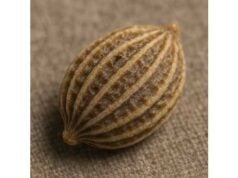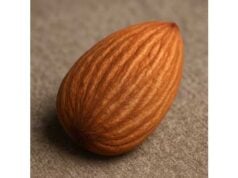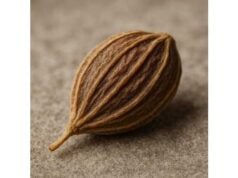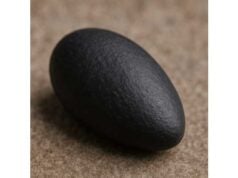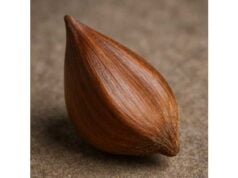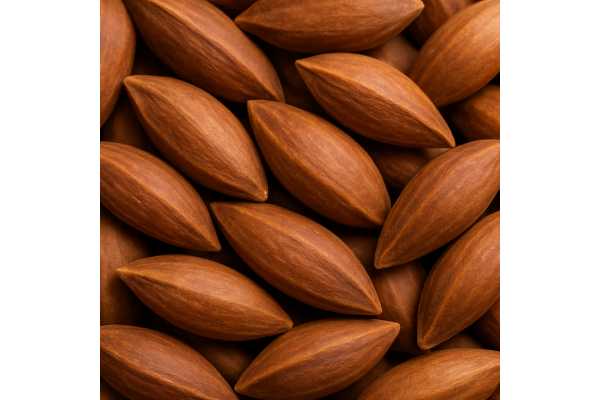
Pili nuts (Canarium ovatum) are a buttery, delicately sweet tree nut native to the Philippines. Their rich, melt-in-the-mouth texture comes from a unique fat profile: plenty of monounsaturated oleic acid alongside notable saturated fats. A small handful delivers meaningful amounts of magnesium, phosphorus, copper, manganese, and thiamin—nutrients tied to nerve function, energy metabolism, and antioxidant defenses. Because they’re naturally very low in carbohydrate, pili nuts suit low-carb and keto patterns and work well in sweet or savory dishes. You’ll find them raw, lightly roasted, or “activated” (soaked then dried), and increasingly as pili butter, snack mixes, and dairy-free “crumble” toppings.
Below, you’ll get a clear view of what makes pili nuts special, how their nutrition compares, evidence-based benefits and caveats, and practical guidance for buying, storing, and cooking them—plus answers to common questions on portions, allergies, and safety.
Nutrition Snapshot
- 100 g provides ~306 mg magnesium, ~583 mg phosphorus, ~0.96 mg copper, and ~0.93 mg thiamin.
- High in fats (about 81 g/100 g), mostly monounsaturated and saturated; very low in carbs (~4 g/100 g).
- Tree nut allergen; avoid if you have a diagnosed tree nut allergy.
- Typical serving: 28 g (about 15 kernels) up to several times per week as part of a balanced diet.
- People who must strictly limit saturated fat should keep portions modest and choose unsalted, uncoated nuts.
Table of Contents
- What Makes Pili Nuts Unique
- Pili Nuts Nutrition Profile
- Evidence-Backed Benefits of Pili Nuts
- Risks, Allergies and Interactions
- Buying Quality and Storing Pili
- Prep, Cooking and Nutrient Retention
- Portions, Comparisons and FAQs
What Makes Pili Nuts Unique
Pili nuts are the flagship nut of the Philippines, especially the Bicol region, where the trees thrive in warm, humid conditions. The kernels are ivory-colored and teardrop-shaped, with a texture many describe as “creamy like macadamias” yet even more delicate. That texture reflects their oil chemistry: a high total fat content (about 81 g per 100 g) dominated by oleic acid (the same heart-friendly monounsaturated fat that’s abundant in olive oil), plus meaningful amounts of palmitic and stearic acids. Unlike walnuts or flax, pili nuts are not a major source of omega-3 fatty acids; they contain modest linoleic acid (omega-6) and trace alpha-linolenic acid, depending on variety and growing conditions.
From a culinary perspective, pili nuts are versatile. Their mild sweetness complements both savory and sweet recipes. Light toasting coaxes out a browned-butter aroma; crushing them creates a coarse “panko” for chicken or vegetable coatings; blending yields pili butter that spreads like a dream and emulsifies sauces. In baking, whole or chopped kernels add richness to shortbreads, biscotti, and brittle; in savory cooking, they lend silkiness to pestos or dukkah, and body to grain-free granolas.
Nutritionally, pili nuts stand out within the nut family for three reasons:
- Mineral density: 28 g (about 15 kernels) contributes meaningful magnesium, phosphorus, manganese, and copper.
- Thiamin (vitamin B1): A small handful provides a sizable fraction of daily needs, supporting energy metabolism.
- Very low carbohydrate: Roughly 1 g carbs per 28 g serving (about 4 g per 100 g), making them friendly to low-carb patterns.
At the same time, they’re higher in saturated fat than most nuts. That doesn’t make them “bad”—but it does mean portion awareness is smart, particularly for people advised to limit saturated fat. The simplest way to enjoy the upside while minimizing downside is to rotate pili nuts with other nuts and seeds (e.g., almonds, pistachios, walnuts), keep servings to 28 g, and favor unsalted, uncoated products.
Culturally and economically, pili nut cultivation supports smallholder growers and artisan processors. Choosing brands that disclose origin and handling (e.g., harvest, drying, shelling, and storage practices) helps ensure freshness and supports responsible supply chains.
Quick ways to use pili nuts tonight
- Toast, chop, and fold into sautéed greens with lemon and garlic.
- Blitz into a 2-minute pesto with basil, olive oil, and parmesan (or nutritional yeast).
- Pulse with dates and cocoa for energy bites; roll in coconut.
- Stir a spoonful of pili butter into oatmeal or yogurt, or whisk into miso-honey dressings.
Pili Nuts Nutrition Profile
All values below are for raw, dried kernels per 100 g unless noted. %DV uses current U.S. Daily Values for adults.
Macros & Electrolytes (per 100 g)
| Nutrient | Amount | %DV |
|---|---|---|
| Energy | 729 kcal | — |
| Total fat | 80.7 g | 104% |
| Saturated fat | 31.8 g | 159% |
| Monounsaturated fat | 37.8 g | — |
| Polyunsaturated fat | 7.7 g | — |
| Carbohydrate | 3.9 g | 1% |
| Dietary fiber | — g | — |
| Total sugars | — g | — |
| Protein | 11.1 g | 22% |
| Sodium | 3 mg | 0% |
| Potassium | 514 mg | 11% |
Fats & Fatty Acids (per 100 g)
| Fatty Acid | Amount | Notes |
|---|---|---|
| Palmitic acid (16:0) | ~22.3 g | Saturated |
| Stearic acid (18:0) | ~9.3 g | Saturated; neutral effect on LDL for many people |
| Oleic acid (18:1) | ~37.8 g | Monounsaturated; predominant fatty acid |
| Linoleic acid (18:2, omega-6) | ~7.7 g | Polyunsaturated |
| Alpha-linolenic acid (18:3, omega-3) | trace–low | Varies by source and cultivar |
Vitamins (per 100 g)
| Vitamin | Amount | %DV |
|---|---|---|
| Thiamin (B1) | 0.93 mg | 78% |
| Folate (DFE) | 61 µg | 15% |
| Vitamin E (alpha-tocopherol) | — mg | — |
| Other B-vitamins | small–trace | — |
Minerals (per 100 g)
| Mineral | Amount | %DV |
|---|---|---|
| Magnesium | 306 mg | 73% |
| Phosphorus | 583 mg | 47% |
| Copper | 0.96 mg | 107% |
| Manganese | 2.36 mg | 103% |
| Zinc | 3.0 mg | 27% |
| Iron | 3.6 mg | 20% |
| Calcium | 147 mg | 11% |
Allergens & Intolerance Markers
| Marker | What to know |
|---|---|
| Tree nut proteins | Pili nuts are tree nuts; individuals with any tree nut allergy should avoid them unless cleared by an allergist. |
| Cross-contact | Processed on equipment shared with other nuts; check labels if you have multiple nut allergies. |
| FODMAPs/gluten | Naturally gluten-free; low FODMAP. Cross-contamination is possible in mixed facilities. |
Anti-nutrients (naturally occurring)
| Compound | Implication | Mitigation |
|---|---|---|
| Phytic acid (phytate) | Can reduce absorption of zinc, iron, calcium, magnesium in a meal | Soaking, sprouting/germination, fermentation, or pairing with vitamin C-rich foods can help |
| Tannins (trace) | Bitter/astringent notes; minor mineral binding | Light roast, soak, or cook within recipes |
Contaminants/Residues (handling-dependent, not intrinsic)
| Issue | Context | Practical tip |
|---|---|---|
| Aflatoxins (storage molds) | Can form in improperly dried/stored nuts | Choose reputable suppliers; prefer fresh crop, airtight opaque packaging; store cool and dry |
Glycemic & Acid–Base Metrics
| Metric | Value |
|---|---|
| Net carbohydrate | ~3.9 g/100 g |
| Glycemic index | Not established; expected minimal glycemic impact due to very low carbohydrate |
| PRAL (potential renal acid load) | Slightly acid-forming (approx. +6 per 100 g, estimate) |
Note on data: Nutrient figures above reflect composite analytical datasets for dried kernels; values vary by cultivar, origin, season, and processing (e.g., roasting).
Evidence-Backed Benefits of Pili Nuts
1) Supports energy metabolism and nerve function.
Pili nuts are unusually rich in thiamin (vitamin B1)—about 0.93 mg per 100 g. Thiamin acts as a coenzyme in carbohydrate and branched-chain amino acid metabolism, helping your cells convert fuel into usable energy. It also supports normal nerve conduction. While many nuts contain some thiamin, pili nuts belong to the higher tier, so even a small handful can meaningfully contribute to your day’s B-vitamin intake.
2) Delivers minerals essential for muscle, bone, and enzyme systems.
A 28 g serving contributes roughly 20% DV for magnesium and around 30% DV for manganese and copper (per 100 g, those exceed 70–100% DV). Magnesium participates in hundreds of enzymatic reactions, including muscle contraction and relaxation, blood glucose handling, and DNA repair. Copper helps form red blood cells and connective tissue and works with iron in iron transport; manganese is a cofactor in antioxidant enzymes like superoxide dismutase. Phosphorus (nearly half the DV per 100 g) supports bone mineral matrix and cellular energy (ATP).
3) Predominantly heart-friendly fat—if portions are right.
Pili nuts carry a high proportion of oleic acid, the same monounsaturated fatty acid prominent in olive oil. Replacing refined carbohydrates or part of your saturated fat with oleic-rich foods can support healthier LDL-to-HDL patterns. One nuance: pili nuts also contain more saturated fat than most nuts. In practice, that points to moderation—think 28 g portions—rather than avoidance. Used this way, pili nuts can fit within cardiometabolic-conscious eating patterns.
4) Helpful for lower-carb patterns and blood sugar steadiness.
With very low carbohydrate (~1 g per 28 g), pili nuts have a minimal direct impact on blood glucose. Paired with fruit or yogurt, they slow gastric emptying and blunt post-meal glucose rise. They can be an effective “anchor” for snacks where you want staying power without added sugars.
5) Antioxidant and bioactive potential.
Pili kernels and their oils contain tocopherols and carotenoids in varying amounts and phenolic compounds in the skin/testa. While the kernel’s vitamin E data are incomplete in some databases, the oil and testas show antioxidant capacity in laboratory analyses. In the kitchen, pairing pili nuts with polyphenol-rich foods (berries, herbs, dark greens) builds a broader antioxidant network.
6) Satiety and weight management context.
Like other nuts, pili nuts are energy-dense yet satiating. Chewing resistance, protein, and fat slow eating rate and prolong fullness. In free-living studies with mixed nuts, people often compensate at later meals. The takeaway: portion out your serving (a small palmful) and let the texture encourage slower eating.
Who benefits most?
- People needing magnesium support (athletes, those with higher stress loads).
- Individuals following keto or lower-carb patterns who want variety beyond almonds/macadamias.
- Home cooks seeking creaminess in dairy-free recipes (pesto, sauces, nut butters).
What to watch: if you’ve been counselled to minimize saturated fat, enjoy pili nuts in smaller portions and rotate with nuts lower in saturated fat (e.g., almonds, pistachios, peanuts).
Risks, Allergies and Interactions
Tree nut allergy: Pili nuts are tree nuts. Anyone with a diagnosed tree nut allergy should avoid them unless evaluated and cleared by an allergy specialist. As with other nuts, reactions can range from oral itching to anaphylaxis. Diagnostic workups rely on clinical history plus testing (skin prick tests, serum specific IgE) and, when necessary, supervised oral food challenges. Cross-contact is possible if pili nuts are processed on equipment shared with other nuts—check labels and manufacturer statements.
Storage safety (molds): Like many nuts, pili kernels can be susceptible to Aspergillus molds if drying and storage are poor, potentially leading to aflatoxin contamination. Reputable producers control moisture and temperature and test lots. For home storage, keep nuts cool, dark, and dry; refrigerate or freeze if you won’t finish a bag within a month, and discard any batch that smells musty, bitter, or “paint-like.”
Saturated fat and individual lipid goals: Per 100 g, pili nuts contain about 31.8 g saturated fat. Most people eat far less than 100 g at a time, but if you’ve been advised to limit saturated fat (e.g., elevated LDL-C, familial hypercholesterolemia), keep servings to ~28 g and rotate with nuts lower in saturated fat (walnuts, almonds, pistachios). Pairing pili nuts with olive-oil-based meals further shifts overall fat quality.
Choking risk: Whole nuts can pose a choking hazard for young children. Offer finely chopped nuts or thinly spread nut butters according to your pediatric professional’s guidance.
Medication and condition notes:
- Blood pressure medicines or potassium-restricted diets: Pili nuts provide modest potassium (~144 mg per 28 g). This is far less than high-potassium foods (bananas, potatoes), but if you require strict potassium restriction, include the contribution in your daily tally.
- Mineral balance: Phytate naturally present in nuts can bind some minerals. Most adults can offset this by eating mineral-rich, varied diets; pairing with vitamin C-rich foods (citrus, bell peppers) at the same meal can enhance non-heme iron absorption.
Allergen labelling tip: If you’re allergic to a different tree nut but curious about pili nuts, discuss supervised testing with an allergist. Self-testing at home is not safe.
Buying Quality and Storing Pili
What to look for at purchase
- Origin disclosure: Look for brands that name the growing region (commonly the Philippines). Clear origin and harvest timing are proxies for freshness and accountability.
- Processing style: “Raw,” “lightly roasted,” or “activated” (soaked then dehydrated). Roast level influences aroma and shelf life; lighter roasts preserve more delicate flavors.
- Ingredients list: Prefer single-ingredient products (“pili nuts”) or simple seasonings. Skip sugar glazes or heavy oils if you’re buying for everyday use.
- Packaging: Choose opaque, airtight packaging with a recent “harvested” or “best by” date. Resealable pouches reduce oxygen exposure. For large quantities, consider nitrogen-flushed or vacuum-sealed bags.
Freshness check at home
- Sight: Even color, intact kernels; no powdery residue (a sign of breakage or insect damage).
- Smell: Clean, nutty, faintly sweet. Discard if musty, sour, paint-like, or bitter odors appear.
- Taste/texture: Buttery, not waxy; no lingering bitterness or staleness.
Sustainability and sourcing considerations
- Pili trees can be cultivated in mixed agroforestry systems that support soil cover and biodiversity. Favor producers who describe post-harvest handling (timely drying, proper storage) and community partnerships. Choosing unsweetened products also lowers processing inputs and packaging.
Storage and shelf life
- Short term (≤1 month): Cool, dark pantry in original sealed pouch or airtight jar.
- Medium term (1–3 months): Refrigerate in airtight container to slow oxidation; keep away from moisture and odors.
- Long term (3–12 months): Freeze in well-sealed, moisture-proof bags. Thaw sealed at room temperature to avoid condensation.
- Avoid: Direct sun, warm cupboards over ovens, and frequent room-fridge cycling that introduces moisture.
Buying forms & uses
- Whole kernels: Snacking, salads, baking.
- Chopped pieces: Granola, crusts, coatings.
- Pili butter: Spreads, sauces, smoothies; a quick way to add creaminess.
- Seasoned mixes: Occasional treats—watch added sugars and oils.
pHilosophy for everyday shopping: Treat pili nuts as you would extra-virgin olive oil—seek freshness, minimal processing, and clear provenance.
Prep, Cooking and Nutrient Retention
Handling basics
- Toast lightly to deepen flavor: spread on a tray and bake at 150–160°C for 8–10 minutes, stirring once. Pull when just golden at the edges—carryover heat finishes the job.
- Dry-pan method: Medium-low heat, 4–6 minutes, tossing frequently. Remove when fragrant; a few light brown spots are fine.
- Cool quickly on a room-temperature tray to stop cooking and lock in crispness.
Reducing anti-nutrients while preserving quality
- Soak and dry (“activation”): Soak raw kernels in lightly salted water (about 1% salt) for 8–12 hours, drain, then dehydrate at ≤60°C until fully crisp. This process can reduce phytic acid and tannin content while maintaining flavor.
- Germinate (where available): Some artisan producers sprout nuts before drying; this can further lower phytic acid.
- Pairing for absorption: Combine pili nuts with vitamin C-rich foods (citrus, peppers) to enhance non-heme iron absorption in the same meal.
Minimizing nutrient losses and oxidation
- Gentle heat: Lower roasting temperatures help preserve delicate compounds and reduce oxidation compared with high-heat frying.
- Short exposure: Toast only what you’ll use; store the rest raw and roast just-in-time.
- Avoid moisture: Keep toasted nuts dry; moisture accelerates staling.
- Use acidity and herbs: Lemon juice, vinegar, rosemary, thyme, and oregano in dressings or marinades add flavor and contribute antioxidant polyphenols.
Everyday recipe ideas
- Pili pesto: Blend 1 cup basil, ½ cup pili nuts, 1 small garlic clove, 3–4 tbsp olive oil, 2–3 tbsp grated parmesan (or nutritional yeast), lemon zest, and salt.
- Savory crumble: Pulse toasted pili nuts with garlic, parsley, and a pinch of salt—sprinkle over roasted vegetables.
- Grain-free granola: Mix chopped pili nuts with coconut flakes, pumpkin seeds, cinnamon, and a touch of maple; bake low and slow.
- Creamy sauce: Whiz pili butter with warm water, miso, and rice vinegar for a silky dressing.
Food safety cues while cooking
- Stop toasting if nuts smoke or smell acrid; scorched residues taste bitter and indicate excessive heat.
- Use clean boards and containers to prevent cross-contact with allergens you avoid.
Portions, Comparisons and FAQs
Smart portions
- Standard serving: 28 g (~15 kernels).
- Frequency: Enjoy several times per week within a balanced eating pattern that includes a variety of nuts and seeds.
- Energy awareness: 28 g provides ~200 kcal. Pre-portion into small jars or snack bags if you tend to over-pour.
How pili nuts compare to other nuts (typical per 28 g)
- Pili: ~22.6 g fat, of which ~8.9 g saturated; very low carbs; notable magnesium, copper, manganese, thiamin.
- Macadamias: ~21.5 g fat, very low saturated fat relative to pili; mostly monounsaturated; mild in micronutrients.
- Pecans: ~20 g fat, lower saturated fat than pili; higher polyunsaturates; good manganese and thiamin.
- Walnuts: ~18.5 g fat with ALA omega-3 (~2.5 g); lower saturated fat; good copper and manganese.
- Almonds: ~14 g fat; higher protein and fiber; excellent vitamin E and magnesium; much lower saturated fat.
Who should limit or avoid pili nuts?
- Anyone with a tree nut allergy unless cleared by an allergist.
- People advised to strictly limit saturated fat; opt for small servings and rotate with nuts lower in saturated fat.
- Young children (whole nuts are a choking hazard); use thinly spread pili butter or finely chopped pieces instead.
FAQs
Are pili nuts keto-friendly?
Yes. They’re extremely low in carbohydrate and high in fat, so they fit well within ketogenic and low-carb diets.
Do “activated” or sprouted pili nuts have better nutrition?
Activation (soaking then dehydrating) can reduce phytic acid and may improve mineral bioavailability within the meal context. Overall macronutrient numbers remain similar. Choose the texture and taste you prefer.
Is pili oil good for high-heat cooking?
Pili oil is oleic-rich and semi-solid at room temperature due to its saturated fraction. Culinary uses are still emerging; for now, treat it like a specialty finishing oil or use in gentle sautés unless your product specifies a tested smoke point.
Can I eat them daily?
You can include a small serving daily if it fits your calorie and saturated-fat targets and you vary your overall nut and seed choices.
What about sodium?
Plain pili nuts are naturally very low in sodium. Seasoned products can be high—check labels if you’re limiting sodium.
Are they sustainable?
Pili trees can grow in mixed agroforestry systems. Look for brands that share sourcing and support local growers. As with any specialty crop, choosing minimally processed, unsweetened products tends to lower environmental and packaging footprints.
References
- Nutrition Facts for Dried Pilinuts 2025.
- Physicochemical properties of pili (Canarium ovatum) nut oil from Sabah, Malaysia 2024.
- EAACI guidelines on the management of IgE‐mediated food allergy 2024 (Guideline).
- Mycotoxins 2023 (Fact Sheet).
- Phytates as a natural source for health promotion 2023 (Review).
Disclaimer
This article provides general nutrition and safety information for educational purposes. It is not a substitute for personalized medical advice, diagnosis, or treatment. Always seek the guidance of your physician, registered dietitian, or qualified health professional with questions about allergies, medications, or specific health conditions before changing your diet.
If you found this guide useful, please consider sharing it with friends and colleagues on Facebook, X (formerly Twitter), or your preferred platform. Your support helps us continue creating clear, practical nutrition resources.