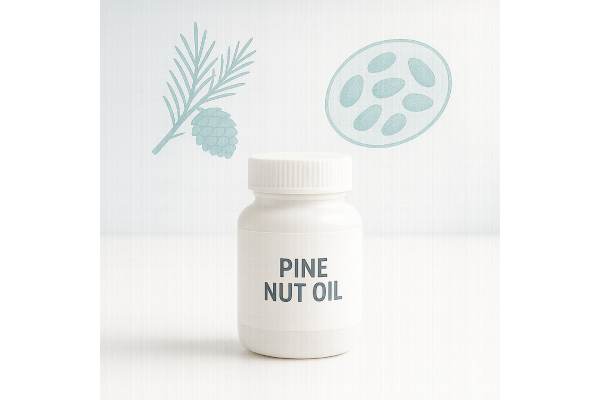
Pine nut oil is a fragrant, nutrient-dense oil pressed from the edible seeds of various pine species, most often Korean or Siberian pine. Traditionally used in parts of Asia and Eastern Europe, it has recently attracted attention as a functional food and supplement for heart health, metabolic support, and appetite control. Its unique feature is pinolenic acid, a rare fatty acid that may influence satiety hormones and inflammation pathways.
Today, pine nut oil is sold both as a gourmet culinary oil and in softgel form for more targeted use. Some people take it in the hope of supporting cholesterol levels, easing digestive discomfort, or helping with weight management when combined with diet and exercise. At the same time, it remains a concentrated source of calories and is not risk free, especially for people with allergies or complex medical conditions.
This guide walks you through how pine nut oil works, what the research actually shows, typical dosages, and important safety considerations before you decide whether it fits into your routine.
Key Insights on Pine Nut Oil
- Pine nut oil is rich in unsaturated fats and pinolenic acid, which may support cardiovascular and metabolic health.
- Pinolenic-acid rich pine nut oil can modestly reduce appetite and food intake in some controlled settings when taken before meals.
- Typical supplemental intakes range from about 1–3 g of pine nut oil per day in capsule form or 5–15 ml (1–3 teaspoons) as a culinary oil.
- Individuals with tree nut or pine allergies, gallbladder disease, or complex metabolic conditions should only use pine nut oil under professional guidance.
- As a high-calorie oil, excessive intake can counteract weight management efforts and may cause digestive symptoms in some people.
Table of Contents
- What is pine nut oil and how does it work?
- Key benefits of pine nut oil
- How to use pine nut oil in everyday life
- Pine nut oil dosage and how much to take
- Side effects of pine nut oil and who should avoid it
- What the research says about pine nut oil
What is pine nut oil and how does it work?
Pine nut oil is a cold-pressed or refined oil obtained from the kernels of pine cones, most notably from Korean pine (Pinus koraiensis), Siberian pine (Pinus sibirica), and stone pine species. These tiny seeds are naturally rich in fat, and pressing them yields an oil with a mild, nutty, slightly resinous aroma that many people enjoy in dressings and drizzles.
Nutritionally, pine nut oil is dominated by unsaturated fatty acids. The typical profile includes substantial amounts of linoleic acid (omega-6), oleic acid (omega-9), and smaller amounts of alpha-linolenic acid (omega-3). Its most distinctive component, however, is pinolenic acid, a rare polyunsaturated fatty acid that usually makes up roughly 14–19% of total fatty acids in certain pine species. This fatty acid belongs to a small group of unusual “delta-5” fatty acids that behave differently from more common dietary fats.
Researchers are interested in pinolenic acid because it appears to:
- Stimulate the release of satiety hormones such as cholecystokinin (CCK) and glucagon-like peptide-1 (GLP-1).
- Activate specific free fatty acid receptors in the gut and other tissues that influence appetite, insulin sensitivity, and energy expenditure.
- Modulate inflammatory pathways and possibly reduce the production of certain pro-inflammatory mediators.
Beyond pinolenic acid, pine nut oil contains:
- Natural vitamin E (mainly gamma-tocopherol), which contributes antioxidant activity.
- Phytosterols, which can modestly reduce intestinal cholesterol absorption.
- Minor bioactive lipids that may affect liver fat handling and immune function in experimental models.
It is important not to confuse pine nut oil with pine needle oil. Pine needle oil is an essential oil distilled from needles and twigs, used mainly in aromatherapy and cleaning products. It is not the same as culinary pine nut oil, and it should never be ingested in the doses discussed here.
Overall, pine nut oil appears to work through combined mechanisms: altering satiety signalling, supporting healthier lipid handling in the liver and bloodstream, and providing antioxidant and anti-inflammatory effects. These mechanisms are promising, but they do not make pine nut oil a stand-alone treatment for any disease.
Key benefits of pine nut oil
Most people consider pine nut oil for three overlapping reasons: metabolic health, cardiovascular support, and appetite regulation. While research is still developing, several potential benefits are worth highlighting.
1. Appetite control and weight management
Pinolenic acid-rich pine nut oil has been shown in controlled settings to increase levels of CCK and GLP-1, hormones that signal fullness and slow gastric emptying. In one human study involving overweight postmenopausal women, a single 3 g dose of Korean pine nut free fatty acids increased satiety hormone levels and reduced the anticipated amount of food participants expected to eat later that day. Other trials have found similar hormonal shifts, though effects on long-term weight loss are less consistent.
Animal studies suggest that when pine nut oil partially replaces other fats in a high-fat diet, it can reduce body fat gain and improve markers of metabolic health. Translating this to humans, pine nut oil may help some people feel fuller when used alongside a reduced-calorie diet, but it is unlikely to drive weight loss on its own.
2. Support for blood lipids and cardiovascular health
Pine nut oil’s combination of unsaturated fats, phytosterols, and bioactive fatty acids may have a favourable effect on blood lipids:
- Replacing part of the saturated fat in the diet with pine nut oil can help lower LDL (“bad”) cholesterol and triglycerides in animal models and may support a healthier lipid profile in humans when used as part of an overall heart-conscious eating pattern.
- Experimental work indicates that pine nut oil can enhance expression of liver receptors that clear LDL particles from the bloodstream, helping remove cholesterol more efficiently.
These effects appear modest and are best seen when the oil is part of a broader strategy that includes diet, exercise, and—where necessary—medication.
3. Inflammation, oxidative stress, and immune function
Laboratory and animal research indicates that pinolenic acid and its metabolite eicosatrienoic acid can reduce the production of certain inflammatory mediators, potentially dampening chronic low-grade inflammation. Studies also suggest beneficial shifts in immune cell responses and improvements in markers linked to metabolic inflammation.
For everyday use, this means that pine nut oil may fit well within an anti-inflammatory dietary pattern that emphasizes unsaturated fats, nuts, seeds, vegetables, and whole grains. Its effects will almost certainly be more subtle than those of prescribed anti-inflammatory medications, but they may contribute to long-term metabolic resilience.
4. Digestive comfort and mucosal support
Unrefined Siberian pine nut oil is sometimes marketed for reflux or gastritis. Experimental models have shown protective effects on the gastric mucosa and reduced markers of oxidative damage in the stomach and intestines. Human data here remain limited and small, so this use should be approached cautiously and in consultation with a healthcare professional, especially if symptoms could indicate a more serious digestive condition.
Taken together, pine nut oil looks promising as a supportive element in metabolic, cardiovascular, and digestive health, but it is still an adjunct—not a substitute—for medical care or comprehensive lifestyle changes.
How to use pine nut oil in everyday life
Pine nut oil can be used either as a food ingredient or as a concentrated supplement. The right approach depends on your goals, preferences, and medical situation.
Culinary uses
For many people, the most sustainable way to use pine nut oil is simply as part of their regular meals:
- Use it as a finishing oil over roasted vegetables, grain bowls, or grilled fish.
- Whisk it into salad dressings, combining it with lemon juice or vinegar, herbs, and a pinch of salt.
- Add a teaspoon to pesto or other nut-based sauces to intensify the pine flavour.
Because pine nut oil is relatively delicate, it is best used at low to moderate temperatures. Light sautéing is usually acceptable, but prolonged high-heat frying can degrade its beneficial fatty acids and create off flavours. For heat-stable cooking, keep using oils with higher smoke points and reserve pine nut oil for drizzling and dressing.
Supplement forms
Pine nut oil is also encapsulated in softgels, often standardized for pinolenic acid content. These products are typically marketed for:
- Appetite control and satiety support.
- Cholesterol and triglyceride management.
- General metabolic or inflammatory support.
Supplement labels commonly suggest one or two capsules, once or twice daily, taken before meals with a small amount of food. The exact amount of oil per capsule varies widely, so reading the label is essential.
If you are primarily interested in satiety support, taking pine nut oil shortly before a main meal may make the most sense, as this timing aligns with how appetite-related studies were designed. If your goal is general cardiometabolic support, spreading intake across the day or incorporating the oil into meals can be equally reasonable.
Storage and quality
To preserve freshness and protect the delicate fatty acids:
- Store pine nut oil in a cool, dark place; refrigeration after opening is often recommended.
- Choose products in dark glass bottles or opaque capsules to limit light exposure.
- Use opened bottles within a few months, or by the “best before” date.
- Discard the oil if it develops a bitter, paint-like, or rancid smell.
For supplements, choose brands that provide:
- Clear information on species used (for example, Korean or Siberian pine).
- Standardization for pinolenic acid content, if relevant to your goals.
- Evidence of quality control, such as independent testing for oxidation and contaminants.
However you use pine nut oil, it should fit into your total daily fat and calorie budget, not sit on top of an already high-fat diet.
Pine nut oil dosage and how much to take
There is no official recommended daily allowance for pine nut oil or pinolenic acid. Existing human and animal studies, along with typical culinary patterns, provide rough reference points rather than strict rules.
Culinary intake
When used as a food oil rather than a supplement:
- A common practical range is about 5–15 ml per day (roughly 1–3 teaspoons), incorporated into meals.
- This amount provides a meaningful contribution of unsaturated fat without overwhelming your daily calorie allowance, assuming other sources of added fat are adjusted accordingly.
If you already consume significant amounts of nuts, seeds, and oils, you may want to start at the lower end of this range and swap pine nut oil in place of other fats rather than simply adding more.
Supplemental doses used in research
Studies that looked at appetite and satiety often used:
- Single doses of around 3 g of pinolenic-acid rich pine nut oil (either as free fatty acids or triglycerides) taken in capsules shortly before a meal.
Animal studies on metabolic syndrome and obesity have typically used diets in which a portion of total fat was replaced with pine nut oil. When scaled to human diets, these interventions usually correspond to several grams of pine nut oil per day, but in controlled feeding settings rather than free-living conditions.
Practical dosage guidelines for adults
For generally healthy adults considering pine nut oil as a supplement, and assuming no allergies or major medical issues, practical ranges might look like:
- About 1–3 g per day from softgels (for example, one to three 1,000 mg capsules), ideally taken with or shortly before meals.
- Alternatively, 5–15 ml per day of culinary oil as part of meals, counting toward your total daily fat intake.
Key principles:
- Start low. Begin at the lower end of the range to see how your body responds, especially your digestion and appetite.
- Track your overall fat and calorie intake. Pine nut oil is energy-dense, with roughly 9 kcal per gram, similar to other oils.
- Combine it with diet and activity changes. For cholesterol, blood sugar, or weight goals, pine nut oil is only one small piece of a larger strategy.
Special populations
- People with known cardiovascular, liver, kidney, gallbladder, or metabolic diseases should only use pine nut oil therapeutically under the guidance of a healthcare professional, especially at doses above culinary use.
- Children, pregnant individuals, and those who are breastfeeding should not use pine nut oil supplements without direct medical advice. For these groups, small amounts from food are generally safer than concentrated capsules.
If your clinician has set strict limits on fat intake—for example, after pancreatitis or gallbladder surgery—pine nut oil may not be appropriate at all, even in small doses.
Side effects of pine nut oil and who should avoid it
Pine nut oil is a food-based product and is generally well tolerated in modest culinary amounts. However, side effects and specific risks do occur, particularly with higher doses or in susceptible individuals.
Common and mild effects
Some people report:
- Digestive discomfort, such as nausea, a heavy feeling in the stomach, mild cramping, or loose stools, especially with larger single doses.
- A sense of fullness that can be either welcome (for appetite control) or uncomfortable, depending on the individual and meal context.
Starting with small amounts and taking the oil with food rather than on an empty stomach may reduce these issues.
“Pine mouth” taste disturbance
A small number of people develop a delayed bitter or metallic taste in the mouth after eating certain pine nuts. This phenomenon, sometimes called “pine mouth,” can last several days. It appears to be related to specific pine species or storage conditions. While it is more commonly associated with whole nuts than with refined oils, a similar taste disturbance is possible with poorly controlled or contaminated products.
If you notice a strong, persistent bitter taste after using pine nut products, stop using them and allow time for the taste to resolve. Seek medical advice if the symptom persists or if you experience other concerning signs.
Allergic reactions
Because pine nuts are tree nuts, they can trigger allergic reactions in susceptible people. Symptoms may include:
- Itching, hives, or swelling.
- Tightness in the throat, wheezing, or difficulty breathing.
- Gastrointestinal distress.
Anyone with a known nut allergy, especially to pine nuts or related nuts, should avoid pine nut oil unless an allergy specialist confirms it is safe. Cross-reactivity with pine pollen or other tree pollens is also possible.
Who should be cautious or avoid pine nut oil
You should avoid pine nut oil supplements or seek medical advice first if:
- You have a known allergy to pine nuts, other tree nuts, or pine pollen.
- You have gallstones, a history of biliary colic, or have been advised to limit fat intake because fat can trigger symptoms.
- You have had pancreatitis or significant liver disease and are on a restricted-fat diet.
- You are pregnant, planning pregnancy, or breastfeeding, and considering doses beyond normal culinary use.
- You take medications that may interact with changes in fat intake, such as certain anticoagulants or weight-loss drugs that affect fat absorption.
As with any oil, overconsumption can also lead to unwanted weight gain if total calorie intake is not adjusted. People using pine nut oil for appetite control should monitor body weight, hunger, and satiety over several weeks rather than relying on single-day impressions.
Quality matters as well. Poorly stored or oxidized oil not only tastes bad but may contribute to oxidative stress. Choosing reputable brands, storing bottles properly, and respecting expiration dates reduces this risk.
What the research says about pine nut oil
The scientific picture for pine nut oil is promising but incomplete. The majority of detailed mechanistic work comes from laboratory and animal models, while human research is limited to relatively small trials with short follow-up.
Composition and mechanisms
Analytical studies consistently show that certain pine species produce oils with:
- High levels of linoleic and oleic acids, similar to many healthy plant oils.
- A substantial fraction of pinolenic acid, a delta-5 polyunsaturated fatty acid that is uncommon in other foods.
Pinolenic acid can be metabolized into eicosatrienoic acid, another unusual fatty acid that may influence inflammatory signalling and vascular function. Experimental work suggests that both compounds can:
- Enhance energy expenditure by promoting fatty acid oxidation.
- Activate free fatty acid receptors involved in appetite regulation (notably in the gut and hypothalamus).
- Reduce production of some pro-inflammatory mediators and modify immune cell activity.
These findings help explain why pine nut oil appears metabolically active beyond its calorie content.
Human trials on satiety and intake
Small randomized trials in adults have tested pinolenic-acid rich Korean pine nut oil as a pre-meal supplement. In one study in overweight postmenopausal women, a single 3 g dose of free fatty acids or triglycerides from Korean pine nuts:
- Increased circulating levels of CCK and GLP-1 compared with an olive oil placebo.
- Reduced participants’ “prospective food intake” ratings over several hours, suggesting a lower desire to eat later.
Other trials have reported similar hormonal changes, while at least one study found no significant difference in actual energy intake over time. Overall, acute effects on satiety signals look consistent, but the magnitude of real-world eating and weight changes remains modest and variable.
Animal work on weight and metabolic health
Several mouse and rat studies replacing part of dietary fat with Korean pine nut oil show:
- Less weight and fat mass gain on a high-fat diet.
- Better cholesterol and triglyceride profiles.
- Improvements in insulin sensitivity and markers of mitochondrial function.
- Changes in hypothalamic signalling pathways that control appetite and energy expenditure.
These data support the idea that pine nut oil can positively influence metabolic regulation, particularly in the context of a high-fat diet. However, doses and diet compositions in animal experiments do not always translate directly to everyday human eating patterns.
Inflammation and chronic disease contexts
Recent reviews have explored the potential use of pine nuts and pinolenic acid in inflammatory and autoimmune disorders, focusing on their ability to:
- Modulate immune cell function.
- Reduce pro-inflammatory signalling molecules.
- Improve metabolic disturbances that often accompany chronic inflammation.
At this stage, such applications are theoretical and based largely on preclinical evidence. Well-designed, long-term human trials in specific patient groups are still needed.
Bottom line from the evidence
- Pine nut oil clearly has bioactive properties related to satiety, lipid metabolism, and inflammation.
- Human studies demonstrate hormonal and short-term appetite effects, with mixed results on energy intake and no robust long-term weight-loss data yet.
- Cardiometabolic and anti-inflammatory benefits are well supported in animals and mechanistic models but less thoroughly tested in humans.
For now, pine nut oil is best viewed as a potentially useful adjunct to a balanced diet and lifestyle rather than a primary treatment. It may be particularly suitable for people who already tolerate nuts, enjoy its flavour, and are looking to optimize their fat choices within an overall health plan.
References
- A review of the functional effects of pine nut oil, pinolenic acid and its derivative eicosatrienoic acid and their potential health benefits 2021 (Review)
- The Beneficial Effects of Pine Nuts and Its Major Fatty Acid, Pinolenic Acid, on Inflammation and Metabolic Perturbations in Inflammatory Disorders 2023 (Review)
- The effect of Korean pine nut oil on in vitro CCK release, on appetite sensations and on gut hormones in post-menopausal overweight women 2008 (RCT)
- Dietary supplementation with Korean pine nut oil decreases body fat accumulation and dysregulation of the appetite-suppressing pathway in the hypothalamus of high-fat diet-induced obese mice 2022 (Animal Study)
Disclaimer
The information in this article is intended for general educational purposes only. It does not provide medical advice, diagnosis, or treatment and should not be used as a substitute for consultation with a qualified healthcare professional. Pine nut oil, like any supplement or dietary change, may not be appropriate for everyone, particularly individuals with existing medical conditions, allergies, or those taking prescription medications. Always speak with your doctor, pharmacist, or a registered dietitian before starting, stopping, or changing any supplement or health regimen, and seek urgent medical care if you experience signs of an allergic reaction or other serious symptoms.
If you found this guide useful, you are warmly invited to share it with others on Facebook, X (formerly Twitter), or any platform you prefer, and to follow our future work on social media. Thoughtful sharing helps our team continue to research, write, and refine high-quality health content for readers like you.