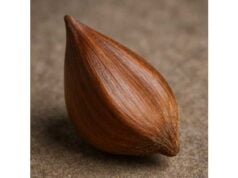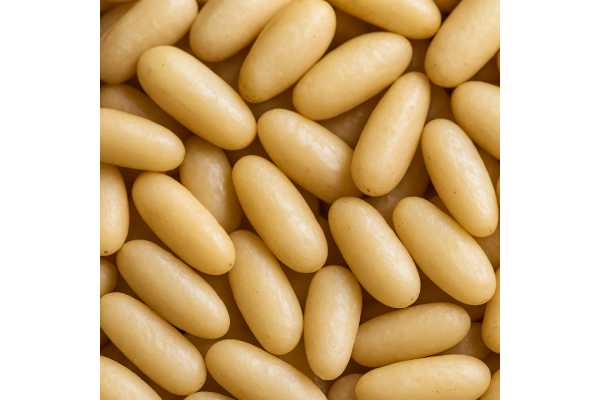
Pine nuts—also called pignoli—are the buttery, tender seeds of certain pine trees. They lend richness to pesto, add crunch to salads and pilafs, and bring a toasty aroma to cookies and granola. Beyond flavor, they deliver a dense package of nutrients: heart-healthy unsaturated fats, plant protein, magnesium, vitamin E, and trace minerals most diets miss. Their fat profile is unusual among nuts, featuring linoleic acid and a rarer fatty acid called pinolenic acid. Small studies suggest pine nut oil may influence satiety hormones, while the nuts themselves are naturally low in sodium and low in carbohydrates. The trade-off is energy density: a little goes a long way. Sourcing matters, since species and handling affect flavor, texture, and even the chance of a temporary bitter aftertaste known as “pine mouth.” This guide walks through what to know—nutrition, benefits, risks, quality, storage, and practical ways to cook with pine nuts while preserving nutrients.
Top Highlights
- Rich in unsaturated fats, vitamin E (≈62% DV/100 g), and magnesium (≈61% DV/100 g).
- May support appetite control and heart health when replacing saturated fats in meals.
- Typical portion is 28 g (about 1 ounce) up to several times per week within calorie goals.
- Allergen: tree nut–type reactions can occur; anyone with nut allergies should exercise caution.
- People with a history of severe nut allergies or on strict fat-restricted diets should limit or avoid.
Table of Contents
- Detailed Overview
- Nutrition Profile
- Evidence-Based Health Benefits
- Risks, Allergies and Interactions
- Selecting, Quality, Sustainability and Storage
- Preparation, Cooking and Nutrient Retention
- Portions, Comparisons and FAQs
Detailed Overview
Pine nuts are the edible seeds of several pine species, notably stone pine (Pinus pinea), Korean pine (Pinus koraiensis), Siberian pine (Pinus sibirica), and chilgoza (Pinus gerardiana). They’re harvested by curing cones, extracting seeds, and removing a hard shell to reveal a pale kernel with a mildly resinous, buttery taste. Culinary traditions use them in classic basil pesto, Mediterranean pastries, Levantine kibbeh, pilafs, roasted vegetable dishes, and as a finishing garnish for soups and salads.
Nutritionally, pine nuts skew toward fat—primarily unsaturated—making them energy dense but cardiometabolic friendly when they displace saturated fats. Their profile includes linoleic acid (an omega-6 polyunsaturated fatty acid), oleic acid (a monounsaturated fat also abundant in olive oil), and smaller amounts of alpha-linolenic acid (omega-3). They also contain pinolenic acid, a distinctive polyunsaturated fatty acid found mainly in certain pine species. Pine nuts provide plant protein, fiber, vitamin E, vitamin K, thiamin, niacin, magnesium, phosphorus, zinc, copper, and potassium, with virtually no sodium unless salted.
Quality varies by species and handling. Fresh kernels are ivory to pale straw, softly crunchy, and aromatic. Age, heat, light, and oxygen accelerate rancidity, causing a paint-like odor or bitter taste. Rarely, some lots—historically linked to nontraditional species—have been associated with “pine mouth,” a self-limited bitter or metallic taste occurring a day or two after eating affected nuts. This is separate from allergy and resolves without treatment.
For most people, moderate portions of pine nuts integrate easily into Mediterranean-style or plant-forward patterns. Think of them as a flavor-dense topping rather than a handful snack, especially if you’re managing weight. Toast lightly to heighten aroma, then sprinkle over dishes where a little richness elevates the whole plate.
Nutrition Profile
Below are typical values for unsalted pine nuts per 100 g with % Daily Value (%DV) where applicable. Exact composition varies by species and origin.
Macros & Electrolytes (per 100 g)
| Nutrient | Amount | %DV |
|---|---|---|
| Energy | 682 kcal | — |
| Total Fat | 69.3 g | 88.8% |
| Saturated Fat | 5.0 g | 25.0% |
| Carbohydrate | 13.2 g | 4.8% |
| Dietary Fiber | 3.6 g | 12.8% |
| Total Sugars | 3.6 g | — |
| Protein | 13.9 g | 27.9% |
| Sodium | 2 mg | 0.1% |
| Potassium | 604 mg | 12.9% |
| Magnesium | 254 mg | 60.5% |
| Phosphorus | 582 mg | 46.6% |
Fats & Fatty Acids (per 100 g)
| Component | Amount | Notes |
|---|---|---|
| Monounsaturated Fat | 19.0 g | Mainly oleic acid |
| Polyunsaturated Fat | 34.5 g | Predominantly linoleic acid |
| Omega-6 (linoleic) | 33.6 g | Characteristic of pine nuts |
| Omega-3 (ALA, trace) | 0.16 g | Small contribution |
| Oleic acid (18:1) | 18.2 g | Flavor, oxidative stability |
| Linoleic acid (18:2) | 33.6 g | Essential fatty acid |
| Palmitic acid (16:0) | 3.25 g | Primary saturated fat |
| Stearic acid (18:0) | 1.41 g | Saturated, neutral effect on LDL |
| Pinolenic acid | variable | Present in select species; see footnote |
Protein & Amino Acids (per 100 g)
Pine nuts provide ~14 g protein per 100 g with a nut-typical amino acid balance. They are not a complete protein source by themselves but complement legumes and grains.
Vitamins (per 100 g)
| Vitamin | Amount | %DV |
|---|---|---|
| Vitamin E (alpha-tocopherol) | 9.3 mg | 61.9% |
| Vitamin K | 54.6 µg | 45.5% |
| Thiamin (B1) | 0.36 mg | 29.8% |
| Niacin (B3) | 4.29 mg | 26.8% |
| Folate (B9) | ~10 µg | 2% |
| Vitamin C | ~0.2 mg | 0% |
Minerals (per 100 g)
| Mineral | Amount | %DV |
|---|---|---|
| Iron | 5.7 mg | 31.7% |
| Zinc | 6.4 mg | 58.4% |
| Copper | 1.36 mg | 150.8% |
| Potassium | 604 mg | 12.9% |
| Magnesium | 254 mg | 60.5% |
| Phosphorus | 582 mg | 46.6% |
| Sodium | 2 mg | 0.1% |
Bioactives/Phytonutrients
Pine nuts contain phytosterols (notably beta-sitosterol), phenolic compounds, and the distinctive fatty acid pinolenic acid in variable amounts depending on species. These components underpin proposed effects on satiety, lipids, and inflammation.
Allergens & Intolerance Markers
Confirmed allergens include storage proteins such as vicilins (for example, Pin k 2 identified from Korean pine). Heat does not reliably eliminate allergenicity.
Anti-nutrients
Phytates are present at typical nut levels; soaking or roasting can modestly lower phytate content and improve mineral bioavailability.
Additives & Fortification
Plain pine nuts are unfortified. Flavored or salted products may add sodium, sugars, or oils—check labels.
Contaminants/Residues
As with other nuts and seeds, pine nuts are susceptible to lipid oxidation; improper storage can generate off-flavors. Occasional reports of a transient taste disturbance (“pine mouth”) have been linked to specific species lots.
Glycemic & Acid–Base Metrics
Low available carbohydrate and presence of fat and fiber yield a minimal glycemic response when eaten in customary portions and as part of mixed meals.
Footnote: Pinolenic acid content is highest in oils from certain species (for example, Korean pine). Whole-kernel values vary with species and origin.
Evidence-Based Health Benefits
1) Heart-smart fat replacement
Pine nuts are rich in unsaturated fats—primarily linoleic and oleic acids. Replacing foods high in saturated fat with pine nuts or other unsaturated fat sources can help maintain healthier LDL cholesterol profiles. The vitamin E content (≈62% DV per 100 g) contributes antioxidant capacity within lipoproteins, while magnesium supports vascular tone and normal blood pressure. In practice, using a tablespoon or two of pine nuts to replace butter or heavy cream in sauces, or as part of olive-oil–based pesto, shifts the meal’s fat quality in a favorable direction.
2) Satiety signaling from pine nut oil components
Small human trials administering specific pine nut oils rich in pinolenic acid have reported acute increases in satiety hormones such as cholecystokinin and glucagon-like peptide-1, accompanied by reduced self-reported appetite before the next meal. While these data involve isolated oil rather than whole kernels, the findings align with everyday observations: nuts slow gastric emptying, add texture, and enhance satisfaction, helping some people manage portions of higher-carbohydrate dishes. Applying this strategically—tossing toasted pine nuts through greens, grains, or roasted vegetables—can make smaller servings feel complete.
3) Micronutrient density for metabolic support
A typical 28 g serving supplies meaningful amounts of magnesium, copper, zinc, and vitamin E. Magnesium participates in insulin signaling and muscle and nerve function. Copper and zinc act as cofactors in antioxidant enzymes and immune function. Vitamin E serves as a lipid-phase antioxidant. While no single serving corrects deficiencies, repeated small exposures contribute to daily baselines without adding sodium or refined sugars.
4) Plant sterols and lipid balance
Plant sterols naturally present in nuts compete with cholesterol for absorption in the gut. Though pine nut–specific sterol data vary, the pattern across nuts suggests modest support for LDL-lowering when sterol-containing foods consistently replace higher-saturated-fat choices within a balanced diet.
5) Inflammation-related mechanisms under study
Pinolenic acid has been investigated in preclinical and small clinical contexts for potential effects on inflammatory pathways and lipid metabolism. Early results suggest favorable shifts in certain markers; however, dosages, species, and preparations differ, and not all pine nut species supply equal amounts of pinolenic acid. Current evidence is hypothesis-generating rather than definitive for disease outcomes.
Bottom line on benefits: Pine nuts support heart-healthy eating patterns when used to replace saturated fats, add satisfying texture that may help appetite control, and contribute vitamin E and key minerals. These advantages are nutritional, culinary, and behavioral rather than pharmacologic—best realized as part of consistent meal patterns rather than one-off “superfood” doses.
Risks, Allergies and Interactions
Allergy risk
Pine nuts can cause IgE-mediated allergic reactions, ranging from oral itching to anaphylaxis. Identified allergens include seed storage proteins such as vicilins (for example, Pin k 2). Cross-reactivity with other nuts is not guaranteed, but co-allergy occurs in some individuals. Anyone with a history of nut anaphylaxis should avoid pine nuts unless cleared by an allergy specialist. Always read labels: cross-contact with other nuts is common in processing facilities.
“Pine mouth” (transient dysgeusia)
A separate phenomenon, sometimes called pine nut syndrome, is a delayed bitter or metallic taste that appears 12–48 hours after eating certain pine nuts and may last days to a couple of weeks. It’s self-limited and not an allergy. Reports have historically clustered around nuts from specific nontraditional species, though not all lots are implicated. If affected, abstain from pine nuts until symptoms resolve; hydration and palate-cleansing foods may offer comfort, but no specific treatment exists.
Rancidity and off-flavors
Because pine nuts are rich in polyunsaturated fats, they oxidize faster than many other nuts when exposed to heat, light, and oxygen. Rancid nuts taste bitter or paint-like and should be discarded. Oxidized oils and off-flavors are a quality concern rather than an acute toxicity, but they degrade nutritional value and enjoyment.
Medication and condition considerations
- Energy density: At ~190–200 kcal per 28 g, portions matter for weight management.
- Fat-restricted diets: Individuals with medical guidance to limit fat (e.g., certain pancreatic conditions) should use caution.
- Anticoagulants: Vitamin K content is moderate; maintain consistent intake rather than eliminating pine nuts.
- Infants and young children: Whole kernels can be a choking hazard; offer finely ground or as pesto thinned and mixed into soft foods as age-appropriate.
Food safety
As with all ready-to-eat nuts and seeds, rare contamination events have been documented across the category. Choose reputable brands, check best-by dates, and store appropriately (see next section) to reduce risk.
Selecting, Quality, Sustainability and Storage
How to select
- Look: Kernels should be uniformly ivory to pale straw with smooth surfaces. Avoid yellowed, oily, or spotted nuts.
- Smell: Fresh pine nuts smell mild and nutty. Sharp paint-like or crayon notes suggest rancidity.
- Taste: A sweet, buttery flavor with a faint resinous note is normal; bitterness indicates staleness or oxidation.
- Packaging: Prefer opaque, well-sealed bags or jars that limit light and oxygen. Vacuum-sealed or nitrogen-flushed packs extend shelf life.
Species and origin
Species drive subtle flavor and composition differences. Commonly sold pine nuts include stone pine (Mediterranean), Korean and Siberian pine (Northeast Asia), and chilgoza (Himalayan region). Blends are common in global supply chains. If you are sensitive to “pine mouth,” you may prefer brands that disclose species and origin and maintain tight quality controls.
Sustainability notes
Pine nut harvesting is labor-intensive and often done by hand. Purchasing from companies that document responsible sourcing, fair labor practices, and habitat protection supports long-term availability. Local or regional co-ops and producers that trace the species and harvest methods can improve transparency. Minimizing waste by storing correctly is also a sustainability win.
Storage for freshness and safety
- Short term: Keep unopened bags in a cool, dark pantry. Once opened, transfer to an airtight container.
- Long term: Refrigerate for up to 1–3 months or freeze for 6–12 months. Cold storage slows oxidation.
- Handling: Keep dry. Moisture and warmth accelerate spoilage.
- Cooking oil caution: Pine nut oil is highly unsaturated and oxidizes readily; store tightly capped in the refrigerator and use within weeks of opening, discarding at the first sign of staleness.
Quality troubleshooting
- Rancid taste or odor: Discard; do not mask with toasting.
- Pine mouth episode: Stop eating pine nuts until it resolves; consider a different brand or known species later.
- Textural dryness: Old nuts lose moisture—use in baked goods where texture matters less, but check for off-flavors first.
Preparation, Cooking and Nutrient Retention
Maximize flavor with minimal damage
Light toasting unlocks aroma by driving off moisture and initiating Maillard reactions at the surface. Because pine nuts are rich in polyunsaturated fats, they scorch and oxidize quickly. Aim for the gentlest path that develops flavor without darkening the core.
Toasting methods
- Skillet: Warm a dry, light-colored skillet over low to medium-low heat. Add pine nuts in a single layer. Stir or shake every 20–30 seconds for 3–5 minutes until just golden in spots. Immediately transfer to a cool plate.
- Oven: Spread on a light-colored sheet. Toast at 150–160°C for 6–8 minutes, stirring once. Pull as soon as edges tint; carryover heat finishes the job.
- Air-fryer or toaster oven: Use the lowest setting; check every minute to prevent scorching.
Nutrient retention strategies
- Add late: Sprinkle toasted nuts at the end of cooking to limit heat exposure.
- Use whole or coarsely chopped: Less surface area means fewer oxidation sites.
- Pair with antioxidants: Herbs (basil, parsley), garlic, and lemon in pesto complement vitamin E in pine nuts and help protect delicate fats in the dish.
- Mind the oil: If using pine nut oil, keep it for cold applications (drizzles, dips) rather than high-heat frying.
Practical uses
- Pesto variations: Classic basil, or try kale-parsley, cilantro-mint, or sun-dried tomato.
- Grain bowls and pilafs: Stir through farro, bulgur, or brown rice with roasted vegetables.
- Mediterranean and Levantine dishes: Sprinkle over hummus, muhammara, or sautéed greens; fold into kibbeh or stuffed vegetables.
- Baking: Add to biscotti, shortbread, or galettes; toast lightly first for depth.
- Breakfast: Top yogurt or oatmeal with a teaspoon of toasted pine nuts and fruit for texture and staying power.
Food safety and quality in cooking
Avoid deep-frying pine nuts; high temperatures accelerate oxidation. For sautéed dishes, toast separately and fold in off-heat. If a batch tastes even slightly bitter or stale after toasting, discard—flaws amplify with heat.
Portions, Comparisons and FAQs
Suggested portion
A standard portion is 28 g (1 ounce)—about 167 small kernels—providing roughly 190–200 kcal, 19 g fat, 4 g protein, and 1 g fiber. Many people find that 1–2 tablespoons (8–16 g) used as a finishing ingredient adds flavor and satiety with fewer calories.
How often can I eat pine nuts?
They fit well several times per week within calorie needs, especially when they replace less healthy fats. Rotate with other nuts and seeds to diversify nutrients and keep costs in check.
How do pine nuts compare to other nuts?
- Versus almonds: Pine nuts are higher in total fat and vitamin E per 100 g but typically lower in fiber.
- Versus walnuts: Pine nuts are lower in omega-3s but have a milder flavor and creamier texture.
- Versus pistachios: Pine nuts are richer and softer; pistachios provide more fiber per calorie.
- Versus pecans: Both are delicate and oxidation-prone; pine nuts are smaller and used more as a garnish.
Are pine nuts low carb?
They’re relatively low in carbohydrate and sugar for a nut, with most calories from fat. When combined with fibrous vegetables and proteins, they have a minimal glycemic impact.
Can children eat pine nuts?
Yes, when age-appropriate and in safe forms. For toddlers, use finely ground pine nuts in pesto or sauces to avoid choking. For any child with known nut allergies, consult an allergist first.
What about “pine mouth”?
If you develop a bitter or metallic taste a day or two after eating pine nuts, stop consuming them and allow symptoms to resolve—usually within days to a couple of weeks. Consider switching brands and choosing lots that disclose species and harvest details.
Budget tips
Buy small quantities, store cold, and use pine nuts where they matter most—finishing a dish—while using more economical nuts (e.g., almonds, sunflower seeds) for bulk.
Quick portion ideas
- 1 tablespoon toasted pine nuts over roasted broccoli with lemon.
- A spoonful of pesto stirred into whole-grain pasta plus extra vegetables.
- Pine nuts with berries and yogurt for texture without added sugar.
- A small sprinkle over tomato soup or hummus.
References
- Nutrition Facts for Pine Nuts 2025.
- The effect of Korean pine nut oil on in vitro CCK release, on appetite sensations and on gut hormones in post-menopausal overweight women 2008 (RCT).
- The Beneficial Effects of Pine Nuts and Its Major Fatty Acid, Pinolenic Acid, on Inflammation and Metabolic Perturbations in Inflammatory Disorders 2023 (Systematic Review).
- Characterization of pine nuts in the U.S. market, including DNA-based species identification 2012.
- A Trial Investigating the Symptoms Related to Pine Nut Syndrome (PNS) 2012.
Disclaimer
This article provides general nutrition and health information about pine nuts and related products. It is not a substitute for personalized medical advice, diagnosis, or treatment. If you have food allergies, chronic conditions, take prescription medications, or plan major dietary changes, consult a qualified healthcare professional. If you experience symptoms after eating pine nuts—especially signs of an allergic reaction—seek medical attention promptly.
If you found this guide useful, please consider sharing it on Facebook, X (formerly Twitter), or wherever you connect with others. Your support helps us continue creating reliable, practical nutrition resources.