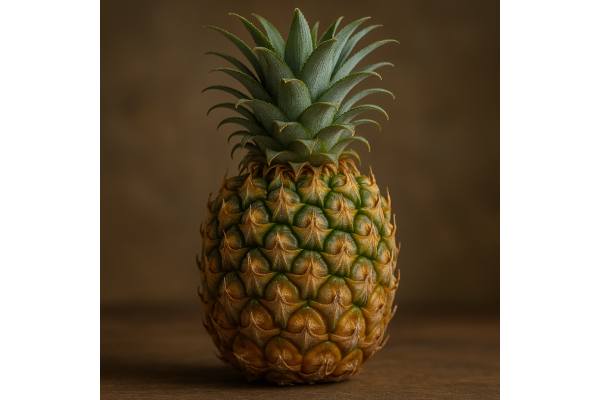
Sun-bright and unmistakably tangy-sweet, pineapple brings color and freshness to everything from fruit bowls to grilled mains. Beyond flavor, it offers practical nutrition: vitamin C for immune support, manganese for enzyme function, and a small but meaningful amount of fiber. Pineapple also contains bromelain, a group of proteolytic (protein-digesting) enzymes that explains why it tenderizes meat and why a long marinade can turn chicken silky-soft. Fresh, frozen, and canned versions each have a place; the best choice depends on your recipe, texture needs, and whether you want peak vitamin C or pantry-ready convenience. In this guide, you will learn how to pick a great pineapple, understand its nutrient profile with clear tables per 100 g, make the most of bromelain without overpromising, and store or cook pineapple to preserve its color and nutrition. We will also cover who should be cautious—especially around allergies, drug interactions with high-dose supplements, and mouth irritation—and provide portion and comparison tips you can use right away.
Nutrition Snapshot
- One 100 g serving delivers ~50 kcal, ~48 mg vitamin C (≈50% DV), and ~0.9 mg manganese (≈40% DV).
- Bromelain in fresh pineapple helps tenderize protein and may modestly support comfort during digestion.
- Typical serving: 1 cup chunks (165 g), 2–5 times per week within your fruit allowance.
- Safety note: Pineapple can cause oral irritation; supplements with bromelain may interact with anticoagulants—seek medical advice if on such therapy.
- Limit or avoid: People with confirmed pineapple or latex–fruit allergy, and those advised to restrict potassium or acidic foods.
Table of Contents
- Pineapple Basics: Detailed Overview
- Pineapple Nutrition Profile (per 100 g)
- Evidence-Based Health Benefits
- Risks, Allergies and Interactions
- Selecting, Quality, Sustainability and Storage
- Preparation, Cooking and Nutrient Retention
- Portions, Comparisons and FAQs
Pineapple Basics: Detailed Overview
Pineapple (Ananas comosus) is a bromeliad fruit native to South America that now thrives in tropical climates worldwide. Its golden flesh balances bright acidity with natural sweetness, and its perfume comes from a complex blend of esters and terpenes that intensify as the fruit ripens. In markets you will most often see Smooth Cayenne, MD-2, or Queen types; MD-2 dominates global supply because it is consistently sweet with lower acidity and reliable shelf life.
What sets pineapple apart. First, vitamin C: fresh pineapple delivers roughly half of a day’s value per 100 g—useful in seasons when other fresh fruit is scarce. Second, manganese, a trace mineral needed for antioxidant enzymes and connective tissue. Third, bromelain, a mixture of proteases present in higher amounts in the stem but also in the fruit. Bromelain’s culinary effect is easy to observe—short marinades quickly tenderize meat or tofu. Its physiological effects from food portions are milder than supplement doses but still relevant for comfort and texture.
Fresh vs. canned vs. frozen.
- Fresh has the most vitamin C and intact enzyme activity. It is best for salads, salsas, juicing, and quick sautés.
- Frozen is convenient for smoothies and baking; vitamin C retention is generally good, and texture holds in cooked dishes.
- Canned (especially in juice, not heavy syrup) is pantry-stable and budget-friendly, but typically has less vitamin C and no meaningful enzyme activity after heating. It excels in upside-down cakes, stir-fries, and tropical salsas where consistent dice matters.
Taste and texture cues. A ripe pineapple should feel heavy for its size, smell fragrant at the base, and yield slightly to firm pressure. Sugar-to-acid balance varies by variety; colder storage tempers aroma, so let refrigerated pineapples sit at room temperature 20–30 minutes before serving to wake up the scent.
Where pineapple shines in cooking.
- Fresh crunch: Add to cabbage slaw with lime and chili, fold into pico de gallo, or spoon over grilled fish.
- Caramelized: Char slices or spears on a hot grill or cast iron; browning deepens sweetness.
- Baked: Use chunks in muffins or a classic pineapple–upside-down cake (opt for canned for uniform shape).
- Savory balance: Pineapple cuts richness in pork, duck, and coconut curries and plays well with ginger, mint, and basil.
Nutrition identity in brief. Low in fat, modest in fiber, and high in vitamin C and manganese, pineapple is a lively way to diversify fruit intake within Mediterranean or DASH-style patterns.
Pineapple Nutrition Profile (per 100 g)
The tables below summarize the nutrient composition of raw pineapple per 100 g, with % Daily Value (%DV) for adults. Values vary by cultivar and ripeness; use these as practical averages.
Macros and Electrolytes (per 100 g)
| Component | Amount | %DV |
|---|---|---|
| Energy | 50 kcal | — |
| Water | 86.0 g | — |
| Carbohydrate | 13.1 g | — |
| Dietary fiber | 1.4 g | 5% |
| Total sugars | 9.9 g | — |
| Protein | 0.5 g | 1% |
| Total fat | 0.1 g | 0% |
| Potassium | 109 mg | 2% |
| Sodium | 1 mg | 0% |
Vitamins (per 100 g)
| Vitamin | Amount | %DV |
|---|---|---|
| Vitamin C (ascorbic acid) | 47.8 mg | 53% |
| Vitamin B6 (pyridoxine) | 0.112 mg | 7% |
| Thiamin (B1) | 0.079 mg | 7% |
| Riboflavin (B2) | 0.032 mg | 2% |
| Niacin (B3) | 0.5 mg | 3% |
| Folate (B9) | 18 µg | 5% |
| Vitamin A (RAE) | 3 µg | 0% |
| Vitamin K | 0.7 µg | 1% |
Minerals (per 100 g)
| Mineral | Amount | %DV |
|---|---|---|
| Manganese | 0.927 mg | 40% |
| Copper | 0.110 mg | 12% |
| Magnesium | 12 mg | 3% |
| Calcium | 13 mg | 1% |
| Phosphorus | 8 mg | 1% |
| Iron | 0.29 mg | 2% |
| Zinc | 0.12 mg | 1% |
Bioactives and Enzymes
| Compound | Typical presence | Notes |
|---|---|---|
| Bromelain (proteases) | Present in fresh fruit; higher in stem | Proteolytic; inactivated by heat; tenderizes meats and softens textures |
| Phenolics (e.g., gallic acid, catechins) | Present | Contribute to antioxidant capacity and flavor |
| Volatile esters/terpenes | Present | Drive aroma profile; vary by variety and ripeness |
Carbohydrates and Glycemic Context
| Metric | Estimate | Practical note |
|---|---|---|
| Glycemic Index (GI) | ~56–60 (medium) | Varies by ripeness and test method |
| Glycemic Load (GL) per 100 g | ~7–8 | Typically low GL in 100 g portions |
Label conventions: DV uses current adult values (e.g., Vitamin C 90 mg; Fiber 28 g; Manganese 2.3 mg; Copper 0.9 mg; Potassium 4700 mg). Heating (canning, cooking) lowers enzyme activity and may reduce vitamin C. Canned pineapple in juice retains many nutrients but usually has less vitamin C than fresh.
Evidence-Based Health Benefits
1) Strong vitamin C source for daily needs.
At roughly 48 mg per 100 g, pineapple helps cover close to half of a day’s vitamin C requirement. Vitamin C supports normal immune function, collagen formation for skin and connective tissues, and acts as a water-soluble antioxidant that is rapidly turned over. Because vitamin C is sensitive to heat and air, fresh or minimally heated pineapple preserves more than canned warmed options. For better absorption and comfort, spread vitamin C–rich foods across the day rather than relying on a single large serving.
2) Manganese for enzyme systems and connective tissue.
Pineapple is unusually rich in manganese for a fruit: about 0.9 mg per 100 g (≈40% DV). Manganese is a cofactor for superoxide dismutase (antioxidant defense) and enzymes involved in bone and cartilage formation. A cup of chunks (165 g) can push you well past 60% DV, which is helpful if your overall diet is low in whole grains, nuts, and legumes that usually supply this mineral.
3) Culinary and digestive utility from bromelain.
Bromelain’s most reliable benefits show up in the kitchen. Even short marinades tenderize meats and plant proteins by cutting peptide bonds. When eaten fresh, bromelain may contribute to a perception of easier digestion of protein-containing meals; this is a modest effect at food amounts and is deactivated by heat. While some clinical data suggest oral bromelain supplements can reduce pain or shorten burn debridement time in specific settings, those outcomes reflect supplement doses, not what you get from a bowl of fruit. It is fair—and practical—to view pineapple as a culinary enzyme source that supports comfort and variety rather than as a substitute for medical therapies.
4) Hydration and weight-aware swaps.
With ~86% water and ~50 kcal per 100 g, pineapple offers bright flavor with relatively few calories. Trading sugary desserts for fresh pineapple with unsweetened yogurt or toasted nuts increases nutrient density and adds protein or healthy fats that extend satiety. In smoothies, pair pineapple with spinach (for potassium and folate) or silken tofu (for protein) to slow gastric emptying and moderate post-meal glucose rise.
5) Diet quality and variety across seasons.
Frozen pineapple expands fruit diversity through winter, while canned in 100% juice supports budget and access. In both cases, portion awareness matters: one cup of chunks is a solid default serving that fits most balanced eating patterns. If you are potassium-restricted, track totals from all foods.
Practical ways to lock in benefits
- Choose fresh or frozen for highest vitamin C; add a fat source (nuts, tahini) when pairing with fat-soluble nutrients in a meal.
- For protein dishes, use short marinades (15–30 minutes) to tenderize without turning textures mushy.
- Prefer whole fruit to juice when you want fiber and a lower glycemic load per portion.
Risks, Allergies and Interactions
Oral irritation and sensitivity.
Fresh pineapple can cause a tingling or burning sensation in the mouth. Two factors contribute: acidity and bromelain activity on oral mucosa. Rinsing the mouth with water or pairing pineapple with dairy (e.g., yogurt, cottage cheese) helps. Cooking or canning largely inactivates bromelain and reduces this effect.
Allergy and cross-reactivity.
Pineapple allergy exists but is less common than reactions to some other fruits. Symptoms range from oral allergy syndrome (itchy mouth, lips, or throat) to systemic reactions. Some individuals with latex–fruit syndrome (cross-reactivity between latex and certain fruits) report pineapple sensitivity. People with a history of IgE-mediated food allergy should consult their allergy team before reintroducing or trialing pineapple.
Bromelain supplements vs. food.
Supplement doses of bromelain (hundreds of milligrams per day) may interact with anticoagulants or antiplatelet medications, potentially increasing bleeding risk, and can alter absorption of some drugs (e.g., certain antibiotics). The enzyme amounts in normal food portions of pineapple are far lower than in supplements, but if you take bromelain capsules or blends, review them with your clinician or pharmacist, especially before surgery or if you have a bleeding disorder.
Gastrointestinal concerns.
Acidic fruit can worsen reflux symptoms in some people. If you are highly sensitive, try small amounts with meals, choose well-ripened fruit (usually perceived as less sharp), or opt for cooked pineapple in savory dishes where fat and protein cushion acidity. For individuals following a low-FODMAP trial, portions of about ½–1 cup are a practical starting point; assess your personal tolerance.
Metabolic health and portions.
Whole pineapple has a medium GI but a low GL in 100 g portions. For glucose-aware patterns, stick to one cup at a time, and pair with protein or fats (nuts, seeds, yogurt). Avoid large fruit-only smoothies if you are actively moderating post-meal spikes.
Who should be cautious?
- Anyone with documented pineapple allergy or latex–fruit syndrome.
- Individuals on anticoagulants/antiplatelets or preparing for surgery (regarding supplement bromelain; discuss with your clinician).
- People with severe reflux or those advised to restrict potassium.
Bottom line: Fresh pineapple is safe for most people in food amounts. If you use bromelain supplements, involve your healthcare team.
Selecting, Quality, Sustainability and Storage
Choosing a ripe pineapple
- Look: Uniform golden color creeping from base toward the crown. Avoid deep cracks, soft wet spots, or mold near the eyes or crown.
- Feel: Heavy for its size; slight give without softness.
- Smell: A sweet, tropical aroma at the base; a fermented smell signals over-ripeness.
Ripeness myths clarified
- Leaf pull test: Loose leaves do not reliably indicate ripeness; rely on weight, aroma, and color instead.
- Color alone: Some varieties remain partly green even when ripe; trust the scent and heft.
Storage
- Whole: Keep at room temperature if you plan to cut within 1–2 days. For longer, refrigerate whole fruit up to 3–5 days.
- Cut: Store chunks in a sealed container in the refrigerator for 3–4 days. Vitamin C loss begins once cut; minimize air exposure.
- Frozen: Freeze pieces in a single layer, then transfer to bags; best quality for 3 months.
- Canned: Choose 100% juice versions to avoid added sugars; drain and rinse if you want to lower free sugars in savory dishes.
Sustainability and waste reduction
- Buy in peak season for your region’s supply chain.
- Use the core in smoothies or simmer it to infuse teas and syrups; it contains fiber and a bit of bromelain, though it is fibrous when raw.
- Compost peels and crowns where facilities allow.
- Opt for frozen when fresh quality is inconsistent; it reduces waste and often comes from fruit frozen near harvest.
Food safety
- Rinse the exterior under running water and scrub gently before cutting; knives can transfer surface microbes into the flesh.
- Use a clean cutting board; refrigerate cut fruit promptly.
- If a can is damaged (bulging, leaking, rusted), discard it.
Fair trade and origin
Pineapples are often grown far from where they are consumed. When available and affordable, consider fair trade or responsibly certified options to support better labor and environmental standards. For local sustainability, use pineapple judiciously in recipes where its unique character is irreplaceable rather than as a default sweetener.
Preparation, Cooking and Nutrient Retention
Cutting basics (safe and efficient)
- Twist off the crown.
- Slice off the base to create a flat stand.
- Trim the rind in vertical strips, removing the eyes.
- Quarter lengthwise; carve away the fibrous core if you want tender pieces (save core for simmering or smoothies).
- Dice or slice as needed.
Preserving vitamin C and color
- Serve soon after cutting for steepest vitamin C retention.
- Briefly chilling improves texture crunch but mutes aroma; return to room temp for 20–30 minutes before serving.
- A splash of citrus or a pinch of salt brightens flavor in savory applications.
Bromelain and heat
- Fresh pineapple contains active bromelain; heating or canning inactivates it.
- For meat or tofu marinades, keep times short (15–30 minutes) or the texture may become mushy; for tougher cuts, marinate briefly, then finish tenderizing with low-and-slow heat rather than long enzyme exposure.
- Dairy set with gelatin can fail if you add fresh pineapple due to bromelain’s proteolysis; use canned pineapple for gelatin desserts.
Techniques that work well
- Grill or broil: High heat caramelizes sugars and adds smoky notes; brush with a neutral oil to reduce sticking.
- Stir-fry: Add pineapple near the end to keep pieces intact and lightly warmed.
- Roast: Sheet-pan roasting concentrates sweetness for tacos, grain bowls, and pizzas.
- Blend: Fresh or frozen pineapple anchors smoothies; add greens and nut butter or yogurt for balance.
Recipe templates
- Chili-Lime Pineapple Salsa: Diced pineapple, red onion, jalapeño, cilantro, lime. Spoon over grilled fish or lentil tacos.
- Turmeric-Ginger Chicken with Pineapple: Sear chicken, add ginger, garlic, turmeric, and pineapple chunks; simmer with coconut milk; finish with lime and herbs.
- Roasted Pineapple with Tahini and Mint: Roast spears at 220°C (425°F) until caramelized; drizzle tahini and scatter mint.
Retention tips
- Prefer fresh/frozen for vitamin C; if using canned for baking, balance with other vitamin C sources in your day.
- Pair pineapple with iron-rich plant foods (beans, leafy greens) to take advantage of vitamin C’s support for non-heme iron absorption.
- If acidic foods trigger reflux, try cooked pineapple in mixed meals rather than raw as a stand-alone snack.
Portions, Comparisons and FAQs
Everyday portions
- Default serving: 1 cup chunks (165 g) ≈ 82 kcal, ~80 mg vitamin C, and ~1.5 mg manganese (values vary by brand and ripeness).
- Weekly rhythm: 2–5 servings per week fits comfortably into most balanced patterns; adjust to your energy needs and how many other fruits you eat daily.
- Glucose-aware tip: Keep to one cup per eating occasion and pair with nuts, seeds, yogurt, or eggs.
How pineapple compares (typical serving)
- Pineapple vs. orange: Orange usually provides more total vitamin C per fruit, but pineapple offers more manganese and unique enzyme activity.
- Pineapple vs. mango: Mango gives vitamin A precursors; pineapple provides bromelain and a sharper acid-sweet balance.
- Pineapple vs. kiwi: Both are high-vitamin-C fruit; kiwi has more fiber per serving, while pineapple brings culinary enzyme benefits.
- Pineapple vs. papaya: Papaya contains papain (another protease) and more vitamin A; pineapple is typically firmer and more acidic, better for grilling and salsas.
Smart swaps
- Replace sugar-heavy desserts with grilled pineapple and Greek yogurt.
- In stir-fries, swap sweet sauces for fresh pineapple to add brightness without syrups.
- Use canned in juice for baking consistency; use fresh/frozen when you want vitamin C and enzyme activity.
FAQs
Can I eat the core?
Yes. It is fibrous but edible and contains bromelain. Cut into small pieces or simmer to extract flavor for tea or syrups.
Does pineapple help digestion?
Fresh pineapple’s bromelain can help break down proteins, which some people perceive as gentler digestion with protein-rich meals. Effects are subtle at food amounts.
Is pineapple okay for diabetes?
Usually, yes in measured portions. Pineapple has a medium GI; keep to 1 cup, and pair with protein or fat to slow absorption and keep the GL modest.
Is canned pineapple less nutritious?
It is still nutritious but generally has less vitamin C and no active bromelain. Choose 100% juice versions; reserve canned for desserts or gelatin recipes.
Who should avoid pineapple?
Anyone with a confirmed allergy to pineapple, those who experience significant reflux from acidic foods, and people taking certain blood-thinning medications who are also considering bromelain supplements (consult your clinician).
References
- International tables of glycemic index and glycemic load values 2021: a systematic review 2021 (Systematic Review)
- Efficacy and safety of bromelain: A systematic review and meta-analysis 2023 (Systematic Review and Meta-analysis)
- EAACI guidelines on the management of IgE-mediated food allergy 2025 (Guideline)
- Pineapple (Ananas comosus): A comprehensive review of nutritional values, volatile compounds, health benefits, and potential food products 2020 (Review)
- Bromelain: Usefulness and Safety | NCCIH 2024 (NIH Fact Sheet)
Disclaimer
This article is educational and does not substitute for personalized medical advice, diagnosis, or treatment. Speak with a qualified healthcare professional about your specific conditions, medications, and nutrition needs—especially if you have food allergies, significant reflux, kidney disease, or if you are considering bromelain supplements. In an emergency or after a severe allergic reaction, seek immediate medical care.
If you found this guide helpful, please consider sharing it with friends or on Facebook or X (formerly Twitter). Your support helps us continue creating balanced, evidence-informed nutrition resources.