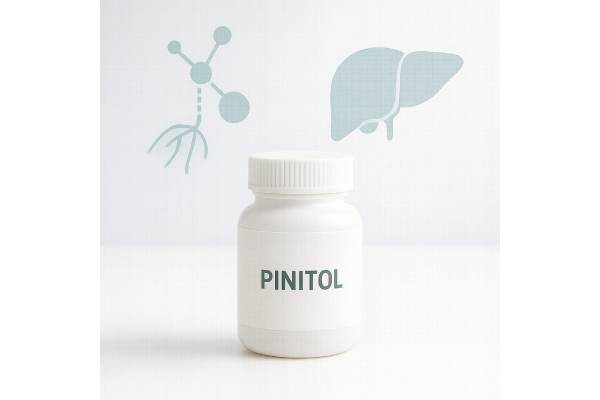
Pinitol is a naturally occurring compound found in carob pods, legumes, soy, and some tree resins. It belongs to the inositol family of “cyclitols” and is often marketed as a nutritional supplement for blood sugar support, metabolic health, and sometimes hormone balance. Interest in pinitol has grown because it appears to act as an insulin sensitizer and insulin mimetic, potentially helping cells respond better to glucose without acting like a drug.
At the same time, human research on pinitol is still relatively limited and far smaller than the evidence base for nutrients such as myo-inositol or vitamin D. A few randomized trials suggest benefits for people with type 2 diabetes or non alcoholic fatty liver disease, while other studies are neutral. This guide walks you through what pinitol is, how it seems to work, potential benefits and limitations, common dosage ranges, safety issues, and what current research really supports so you can have informed discussions with your healthcare professional.
Key Insights about Pinitol
- Pinitol is a plant derived inositol-like compound that may improve insulin sensitivity and support healthier blood sugar control.
- Human trials suggest possible benefits for non alcoholic fatty liver disease and some aspects of metabolic health, but evidence is still limited and mixed.
- Common supplemental intakes range from 300 to 1,200 mg per day, usually divided with meals, though optimal dosing is not firmly established.
- People with diabetes taking glucose lowering medication, pregnant or breastfeeding women, and those with serious liver or kidney disease should avoid pinitol unless specifically advised by a clinician.
Table of Contents
- What is pinitol and how does it work?
- Pinitol benefits for blood sugar and metabolism
- How to use pinitol in daily life
- Pinitol dosage guidelines for different goals
- Pinitol side effects and who should avoid it
- What research says about pinitol so far
What is pinitol and how does it work?
Pinitol is a naturally occurring plant compound classified as a cyclitol. The form used in supplements is usually D-pinitol, chemically known as 3-O-methyl-D-chiro-inositol. It is structurally related to inositols, which are involved in cell signaling and insulin action. Pinitol is found in carob, soybeans, peanuts, legumes, and some pine trees, although supplemental products typically use purified forms rather than simple food concentrates.
In the body, pinitol appears to act as an insulin mimetic and insulin sensitizer. That means it may help enhance the effects of insulin or improve how cells respond to insulin, rather than directly lowering blood sugar on its own. Experimental work suggests pinitol can influence inositol phosphoglycans and other second messenger systems that regulate glucose transport into muscle and fat cells. In some settings, this leads to improved glucose uptake and better control of blood sugar after meals.
There is also interest in pinitol’s potential antioxidant and anti inflammatory actions. Laboratory and animal studies indicate that pinitol may reduce markers of oxidative stress and modulate pathways involved in lipid synthesis and fat accumulation in the liver. This mechanistic profile is one reason it has been studied in non alcoholic fatty liver disease, metabolic syndrome, and diabetes related complications.
Unlike pharmaceutical drugs, pinitol is not standardized worldwide as a treatment, and there are no established therapeutic dosing guidelines. Instead, it is available as a dietary supplement that may be combined with other ingredients such as myo-inositol, chromium, or creatine. Because pinitol interacts with insulin related pathways, it needs to be viewed as a potentially active compound rather than a neutral “wellness” extract.
Overall, pinitol can be understood as a plant derived insulin sensitizer with additional metabolic and antioxidant effects that are still being clarified by research. It shows promise in specific metabolic conditions, but the evidence base is modest, and its role in routine care remains experimental.
Pinitol benefits for blood sugar and metabolism
The primary marketed benefit of pinitol is support for healthier blood sugar and insulin function. Several human studies in people with type 2 diabetes or insulin resistance have evaluated its effects on fasting glucose, hemoglobin A1c, and markers of insulin sensitivity. Some trials report improvements in glycemic control and insulin resistance when pinitol is taken for several weeks, especially at daily doses around a few hundred milligrams to about one gram.
In people with type 2 diabetes, pinitol has been associated with modest reductions in fasting blood glucose and improvements in markers that estimate insulin resistance. Some research has also observed favorable changes in adipocytokines such as adiponectin and leptin, which are hormones produced by fat tissue that influence metabolism and inflammation. These findings suggest that pinitol may not only affect glucose transport but also the broader endocrine environment around metabolic health.
Beyond direct blood sugar effects, pinitol has been studied for its influence on lipids and liver health, particularly in non alcoholic fatty liver disease. In a randomized trial in individuals with confirmed fatty liver, pinitol supplementation improved liver fat content and liver enzymes and lowered some markers of oxidative stress and postprandial triglycerides compared with placebo. These changes point to a potential hepatoprotective and lipid modulating effect, though more confirmatory trials are needed.
There is also emerging interest in pinitol for metabolic features of conditions such as polycystic ovary syndrome. However, the majority of robust human data in this area still center on myo-inositol and D-chiro-inositol, with pinitol playing a more secondary or exploratory role. It is better to think of pinitol as a potentially helpful adjunct in metabolic health rather than a primary or proven therapy.
Importantly, not all studies find significant benefits. Some trials in insulin resistant individuals have shown neutral effects, and overall sample sizes are small, with relatively short follow up. The variability may reflect differences in baseline metabolic status, diet and lifestyle, dose, and length of supplementation. As a result, pinitol should be viewed as promising but not yet predictable in its metabolic effects.
How to use pinitol in daily life
If you and your healthcare professional decide that trying pinitol makes sense, it is helpful to think through how it fits into your broader routine and goals. Pinitol is most commonly sold as capsules or powder. Standalone products provide a defined amount of D-pinitol per capsule, while combination formulas may mix it with other ingredients such as inositols, chromium, or herbal extracts aimed at blood sugar and metabolic support.
Most clinical trials have given pinitol once or twice daily with meals. Taking pinitol alongside food is a practical way to align its potential insulin sensitizing effects with the time when blood sugar typically rises. For example, some people take it with breakfast and dinner, especially if those are their larger meals. Powder forms can be mixed into water, smoothies, or other non alcoholic beverages, provided the taste is acceptable and the product instructions allow this.
Pinitol should not be used as a substitute for prescribed diabetes medication, lifestyle changes, or medical nutrition therapy. Instead, it can be considered as an adjunct within a larger plan that prioritizes consistent nutrition, regular physical activity, adequate sleep, and management of other risk factors such as high blood pressure or elevated lipids. It is also important to monitor blood sugar closely in the early phases of use, especially if you are already taking agents that can lower glucose.
When reading product labels, pay attention to the specific form and dose of pinitol, not just marketing language. Some formulas contain only small amounts per serving, while others approach the doses used in clinical trials. It is generally wise to start at the lower end of the suggested range and assess tolerance before increasing the amount.
Because dietary supplements are regulated differently from medications, product quality and purity can vary. Choosing brands that provide third party testing, clear labeling, and batch numbers is one practical way to reduce uncertainty. People with complex medical histories should involve their healthcare team so that pinitol use can be integrated safely into their overall care.
Pinitol dosage guidelines for different goals
There are no official dietary reference intakes or universally accepted therapeutic doses for pinitol. Available human studies and typical supplement labels, however, give a reasonable sense of the ranges that have been explored. Most clinical trials in adults have used doses between about 300 mg and 1,200 mg of pinitol per day, often split into one or two doses taken with meals.
For general metabolic support or as part of a broad wellness regimen in otherwise healthy adults, many products provide around 200 to 400 mg per day. This is often taken once daily, frequently with breakfast. At these lower intakes, the goal is usually gentle support for insulin sensitivity and postprandial glucose handling rather than treatment of a defined metabolic condition.
In studies involving people with type 2 diabetes or marked insulin resistance, daily pinitol intakes have tended to be higher, commonly in the range of 600 to 1,200 mg per day. These higher doses are more likely to be divided, for example 300 to 600 mg with breakfast and the same amount with dinner. In non alcoholic fatty liver disease trials, low dose groups have received around 300 mg per day and higher dose groups around 500 mg per day for several weeks.
For individuals taking pinitol as part of a combination formula designed for metabolic or hormonal health, the amount per serving can vary considerably. It is important to calculate the actual milligram amount of pinitol in such products instead of assuming that all ingredients are present at clinically meaningful doses. If you are already using other inositol supplements, total cyclitol intake should be considered when thinking about dose.
Children, adolescents, pregnant people, and breastfeeding women do not have well defined safe or effective pinitol dosing ranges and should not use pinitol supplements unless specifically directed and monitored by a qualified clinician. Similarly, people with advanced kidney or liver disease need individualized medical guidance, as the way their bodies handle supplements can differ from the general population.
Ultimately, any dosing plan for pinitol should be personalized. A cautious approach is to start at the lower end of the range used in studies, monitor for changes in blood sugar and overall well being, and adjust only under professional supervision.
Pinitol side effects and who should avoid it
In controlled studies in healthy volunteers and people with metabolic conditions, pinitol has generally been well tolerated. Short term supplementation at doses similar to or higher than those used in typical commercial products has not been associated with serious adverse events in the published research. However, the total number of participants studied is modest, and long term safety data are limited.
The most commonly reported side effects are mild digestive symptoms such as nausea, loose stools, or abdominal discomfort. These effects, when they occur, are usually transient and may be dose related. Taking pinitol with food, splitting the total daily amount into two smaller doses, or reducing the dose can sometimes help minimize gastrointestinal upset.
Because pinitol may enhance the action of insulin or improve insulin sensitivity, there is a theoretical risk of low blood sugar, especially in people taking diabetes medications that can themselves cause hypoglycemia. Individuals using insulin, sulfonylureas, or other glucose lowering agents should only use pinitol with close monitoring and under supervision so that medication doses can be adjusted if necessary. Symptoms such as shakiness, sweating, confusion, or unusual fatigue should be taken seriously and evaluated promptly.
Pinitol supplements are not recommended for pregnant or breastfeeding women due to a lack of targeted safety data. Similarly, children and adolescents should not receive pinitol unless part of a clinical trial or under specialist care. People with severe liver or kidney disease, or those awaiting transplant, need individualized advice, as alterations in metabolism and excretion may change the risk profile.
Anyone with known allergies to carob, soy, peanuts, or related legumes should approach pinitol with caution, particularly if the source of the ingredient is not clearly stated. Although purified pinitol is unlikely to contain large amounts of allergenic proteins, cross contamination is possible.
As with any supplement, it is essential to inform your healthcare team about pinitol use, especially if you are taking other medications, including over the counter products and herbal remedies. This allows your clinician to watch for potential interactions, interpret lab tests correctly, and help you weigh benefits against uncertainties in your specific situation.
What research says about pinitol so far
The research landscape for pinitol combines mechanistic laboratory work, animal experiments, and a relatively small number of human studies. Together, these suggest that pinitol is biologically active and may offer benefits in selected metabolic conditions, while also highlighting that more and larger trials are needed.
In healthy volunteers, studies examining the pharmacokinetics and endocrine effects of oral D-pinitol have found that it is absorbed and cleared in a predictable way and is generally well tolerated, even when given as single doses that are proportionally higher than those in routine supplements. These experiments help establish basic safety and inform how often pinitol might need to be taken to maintain stable blood levels over time.
In type 2 diabetes, randomized controlled trials have explored whether pinitol can meaningfully improve glycemic control. At least one study reported that daily supplementation improved markers such as fasting glucose, hemoglobin A1c, measures of insulin resistance, and certain adipocytokines over several months compared with placebo, suggesting clinically relevant metabolic shifts. Other investigations, however, have been neutral, underscoring that pinitol may not work equally well in all patient groups or dosing schemes.
Non alcoholic fatty liver disease is another area where pinitol has drawn attention. In a randomized, double blind, placebo controlled trial, pinitol given at 300 or 500 mg per day for twelve weeks led to improvements in liver fat, liver enzymes, oxidative stress markers, and some lipid parameters compared with placebo. These results, while encouraging, come from a single trial and need replication before pinitol can be considered a standard adjunct to NAFLD management.
Systematic reviews and narrative overviews that include pinitol conclude that it shows promise for glycemic and lipid control and has antioxidant and hepatoprotective potential, but they consistently emphasize the small number of trials, variability in design, and the absence of long term outcome data such as hard cardiovascular endpoints. Overall, pinitol remains an experimental nutraceutical rather than an established therapy.
For now, the most reasonable interpretation is that pinitol may be useful as part of a broader evidence based strategy for metabolic health and fatty liver disease in selected individuals, particularly when guided by clinicians familiar with the research. It should not replace lifestyle measures or medications with proven benefit but can be viewed as a possible adjunct that still requires further high quality study.
References
- Pharmacokinetics and Endocrine Effects of an Oral Dose of D-Pinitol in Human Fasting Healthy Volunteers 2022 (RCT)
- Effects of d-pinitol on diabetes mellitus: an updated review | Bulletin of the National Research Centre 2022 (Systematic Review)
- Effects of pinitol on glycemic control, insulin resistance and adipocytokine levels in patients with type 2 diabetes mellitus – PubMed 2012 (RCT)
- Pinitol consumption improves liver health status by reducing oxidative stress and fatty acid accumulation in subjects with non-alcoholic fatty liver disease: A randomized, double-blind, placebo-controlled trial 2019 (RCT)
- Inositol and Non-Alcoholic Fatty Liver Disease: A Systematic Review on Deficiencies and Supplementation 2020 (Systematic Review)
Disclaimer
The information in this article is for general educational purposes only and is not intended to provide medical advice, diagnosis, or treatment. Pinitol and other dietary supplements should not be used as a substitute for professional medical care or prescribed medications. Always consult a qualified healthcare professional before starting, changing, or stopping any supplement or treatment, particularly if you have a medical condition, are taking medications, are pregnant or breastfeeding, or are considering pinitol for a child or adolescent. Never disregard professional medical advice or delay seeking it because of something you have read here.
If you found this guide helpful, you are warmly invited to share it with others on Facebook, X (formerly Twitter), or any platform you prefer, and to follow our work on social media. Your thoughtful sharing helps support our team in continuing to create careful, evidence informed health content.