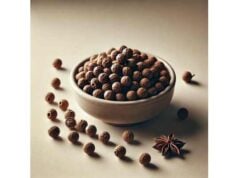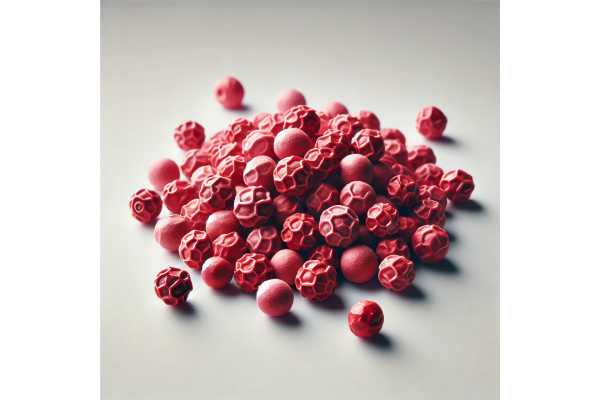
Pink peppercorns look like a playful twist on familiar black pepper, but they are in fact the dried berries of ornamental trees in the cashew family. Their rosy color and delicate, fruity aroma can brighten a dish visually and aromatically at the same time, which is why chefs scatter them over seafood, cheeses, salads, and desserts. Used whole, cracked, or lightly crushed, they bring a gentle, resinous heat rather than an intense burn.
Beyond their culinary charm, pink peppercorns contain aromatic essential oils and plant polyphenols that have been studied for antioxidant, antimicrobial, and other bioactive effects. At the same time, their botanical relationship to cashews and pistachios means they are not suitable for everyone. For some people with tree nut allergies, pink peppercorns can trigger significant reactions. This article walks you through what pink peppercorns really are, how they compare nutritionally with regular pepper, what current research suggests about benefits and risks, and how to select, use, and store them wisely in everyday cooking.
Pink Peppercorns Fast Facts
- Pink peppercorns are dried berries from trees such as Schinus terebinthifolius, with a sweet, fruity, mildly peppery flavor.
- They provide fiber and aromatic essential oils with antioxidant and antimicrobial activity when used as part of a varied diet.
- A typical culinary portion is about 0.25–0.5 teaspoon (roughly 0.5–1 g) per serving, used a few times per week according to taste and tolerance.
- People with known cashew or pistachio allergy, or a history of reactions to pink peppercorns, should avoid them completely unless cleared by an allergy specialist.
- Infants, young children, and pets should not be given pink peppercorn berries due to choking risk and potential gastrointestinal irritation or toxicity.
Table of Contents
- Pink peppercorns origin and culinary role
- Pink peppercorns nutrition and key compounds
- Health benefits linked to pink peppercorns
- Pink peppercorn risks allergies and interactions
- Buying and storing pink peppercorns sustainably
- Using pink peppercorns in cooking
- Portions comparisons and FAQs on pink peppercorns
Pink peppercorns origin and culinary role
Pink peppercorns are not true pepper in the botanical sense. Black, white, and green peppercorns all come from the climbing vine Piper nigrum. Pink peppercorns, by contrast, are the dried berries of trees in the genus Schinus, particularly Schinus terebinthifolius (often called Brazilian pepper tree) and Schinus molle (Peruvian pepper tree). These trees belong to the Anacardiaceae family, which also includes cashew, pistachio, and mango. The berries resemble peppercorns in size and shape, which is how they acquired their name.
Historically, pink peppercorns found favor in French cuisine, where they are sometimes labeled “baies roses” and used both for their gentle flavor and decorative value. Their taste is quite different from the sharp bite of black pepper: it is fruity, floral, slightly resinous, and mildly spicy, with notes that can recall juniper, citrus, or berries depending on the origin. Because of this soft profile, pink peppercorns pair well with delicate foods that might be overwhelmed by black pepper, such as fresh cheeses, cream sauces, white fish, scallops, and certain desserts.
From a botanical and ecological perspective, the trees that produce pink peppercorns are hardy evergreens with clusters of small, bright berries. In some regions they are ornamental street or garden trees; in others they are considered invasive, especially where they spread aggressively in warm climates. The berries are harvested when ripe, then dried to form the familiar pink husks sold to cooks. In blends, you may see pink peppercorns combined with black, white, and green peppercorns as a visually appealing “four-color” pepper mix.
Culinary uses extend well beyond grinder blends. Whole pink peppercorns can be pressed gently with the side of a knife or mortar to crack them, then sprinkled over:
- Soft goat cheese, brie, or ricotta
- Citrus-based salads, especially those with orange or grapefruit segments
- Light cream sauces or beurre blanc for fish or chicken
- Fruit-forward desserts like poached pears, chocolate truffles, or vanilla panna cotta
Their thin outer shell and relatively soft interior mean they crush easily and dissolve slightly into sauces. This makes them ideal as a finishing spice: they contribute aroma and a little bite without the hard, gritty fragments sometimes left by coarsely cracked black pepper. Used thoughtfully, they can provide a signature visual and flavor accent that feels refined but not fussy.
Pink peppercorns nutrition and key compounds
Pink peppercorns are a spice, so they are consumed in small amounts. Even so, it is useful to understand their basic nutrition profile. Commercial nutrition data for dried pink peppercorns typically show an energy value in the range of roughly 250–370 kcal per 100 g, with notable variation between brands due to moisture, fiber, and oil content. Per 100 g, they usually contain:
- Carbohydrates as the main macronutrient, often 40–70 g
- Significant dietary fiber (often above 25–30 g)
- Moderate amounts of fat (roughly 3–11 g)
- A modest amount of protein (around 6–11 g)
Because a realistic portion in cooking is only about 0.5–1 g per serving, their contribution to total calories, carbs, or fat in a meal is very small. The main nutritional role of pink peppercorns is therefore not as a macronutrient source, but as a carrier of flavor and micronutrient-rich phytochemicals.
The berries contain a complex mixture of essential oils and nonvolatile compounds. Analyses of Schinus species show that the essential oil fraction is rich in monoterpenes such as alpha-pinene, limonene, alpha-phellandrene, and other related molecules, along with sesquiterpenes like beta-caryophyllene. These are the same families of compounds that give many herbs and spices their characteristic aromas and contribute to antioxidant and antimicrobial activity in laboratory systems.
In addition to volatile constituents, pink peppercorns contain phenolic compounds and flavonoids, which may participate in free radical scavenging and modulation of oxidative processes. Laboratory studies of pink pepper essential oil and extracts report measurable antioxidant capacity, although the magnitude varies with extraction method, plant part, and growing conditions. It is important to remember that essential oils used in research are far more concentrated than the small amounts released from a pinch of crushed berries in a dish.
Mineral content in pink peppercorns can include small amounts of calcium, iron, and potassium, but again the amounts actually consumed in typical portions are modest. At the same time, pink peppercorns are essentially free of cholesterol, naturally low in sodium, and do not inherently add sugars to recipes. When used to build flavor in place of heavy sauces or added salt, they can indirectly support healthier overall nutrient patterns.
In summary, the nutritional significance of pink peppercorns lies less in calories or vitamins and more in their aromatic oils and polyphenols. These compounds shape both the sensory experience of a meal and, potentially, some subtle physiological responses when pink peppercorns are eaten regularly as part of a varied, plant-rich diet.
Health benefits linked to pink peppercorns
Research on pink peppercorns is still emerging and mostly focuses on extracts and essential oils rather than everyday culinary use. That means any discussion of health benefits should stay cautious and emphasize patterns rather than dramatic claims. Still, several themes appear consistently in recent laboratory and food science work on Schinus species.
First, many studies show that essential oils distilled from the fruits, leaves, and twigs of Schinus terebinthifolius display antioxidant activity in vitro. Assays such as DPPH radical scavenging and beta-carotene–linoleic acid methods indicate that these oils can help neutralize certain free radicals and slow lipid oxidation in model systems. This is one reason pink pepper essential oil has attracted interest in food preservation and active packaging, where its antioxidant and antimicrobial effects can help extend shelf life or protect products such as cheese against spoilage organisms.
Second, there is evidence of antimicrobial activity against a range of bacteria and yeasts. Essential oils and extracts from pink pepper have inhibited growth of foodborne pathogens, including some strains of Listeria and Staphylococcus, under experimental conditions. In food science, these properties are being explored as part of “clean label” strategies, where plant-derived compounds might reduce the need for synthetic preservatives in certain applications.
A third area of investigation is cytotoxic and antiproliferative activity. Some in vitro studies report that pink pepper essential oil can slow the growth of selected cancer cell lines or demonstrate measurable cytotoxic effects at specific concentrations. This is an intriguing finding for researchers, but it does not translate into a recommendation to consume large amounts of pink peppercorns in hopes of cancer prevention or treatment. The doses used in these experiments are much higher than would be achievable through normal culinary use and are applied directly to cells, not to a whole organism.
For everyday cooking, the most realistic health-related advantages of pink peppercorns are more modest and indirect:
- They add significant flavor, aroma, and visual impact with negligible salt, saturated fat, or sugar.
- They may make simple, nutrient-dense foods—such as steamed vegetables, legumes, whole grains, and lean proteins—more appealing, helping people enjoy healthy meals without relying on heavy sauces.
- Their aromatic oils contribute to overall dietary diversity of plant compounds, which is one characteristic of many traditional eating patterns linked to good health.
It is equally important to recognize what pink peppercorns cannot do. They should not be seen as a shortcut to improved immunity, weight loss, or disease prevention on their own. Nor should they replace evidence-based treatments for chronic conditions. Instead, think of them as one more tool in a flavor toolkit that makes wholesome eating more enjoyable and interesting, while providing some additional phytochemicals along the way.
Ultimately, the best way to use the developing science on pink peppercorns is to let it reassure you that, for most healthy individuals without allergies, modest culinary use is compatible with a health-conscious lifestyle and can be part of a diverse, plant-forward diet.
Pink peppercorn risks allergies and interactions
Safety is where pink peppercorns require particular attention. Although many people enjoy them without issue, their place in the cashew family means they carry a higher allergy and intolerance risk than black pepper for certain individuals.
Multiple clinical reports and small cohort studies have described cross-sensitization between pink peppercorns and cashew or pistachio allergy. In some series, a large majority of cashew- and pistachio-allergic participants show sensitization to pink peppercorn on testing, even if they have never knowingly eaten it. There are also documented cases of severe reactions, including anaphylaxis, after consuming foods seasoned with pink peppercorns in people with known tree nut allergies. This does not mean every individual with cashew or pistachio allergy will react, but it does mean that the risk is real and taken seriously by allergy specialists.
Because of this, anyone with a confirmed or strongly suspected allergy to cashews, pistachios, or related tree nuts should avoid pink peppercorns unless they have had a careful evaluation and a supervised challenge under specialist guidance. Spices and pepper blends may list pink peppercorn in the ingredient statement, but this is not guaranteed everywhere, and cross-contact can occur. For highly sensitive individuals, it may be wise to avoid mixed peppercorn blends and request clearer labeling when dining out.
Beyond allergy, the plants that produce pink peppercorns are recognized as potentially irritating or toxic at higher exposures in some poison information resources. Ingestion of larger quantities of Schinus molle berries has been associated with gastrointestinal symptoms such as vomiting and diarrhea, particularly in children. The sap and plant parts can irritate skin and mucous membranes in susceptible people, and there are reports of respiratory irritation from pollen or airborne particles. These issues are most relevant in settings where people have prolonged contact with the tree or consume unprocessed plant material rather than culinary amounts of dried berries, but they reinforce a cautious stance.
For pets and livestock, pink pepper trees and their berries are not considered harmless. There are reports of illness in animals that graze on the foliage or fruits, including digestive upset and general toxicity. Companion animals, especially dogs, should not be allowed to eat pink peppercorns or play with branches or berry clusters as toys.
Drug interactions specific to culinary quantities of pink peppercorns are not well documented. However, because they can provoke strong allergic reactions in a subset of individuals, any such reaction could complicate management of conditions like asthma, cardiovascular disease, or anaphylaxis to other triggers. People taking multiple medications, those with a history of severe allergies, or those managing complex chronic conditions should introduce new spices, including pink peppercorns, in small amounts and with awareness of how their body responds.
In summary, pink peppercorns are not inherently dangerous for everyone, but their use is not universally benign. They are clearly unsuitable for people with specific tree nut allergies and should be used with extra caution in young children and in households with vulnerable individuals or pets. For others, sensible moderation, clear labeling, and awareness of any symptoms after consumption go a long way toward safe enjoyment.
Buying and storing pink peppercorns sustainably
Thoughtful selection and storage of pink peppercorns help you get the best flavor while minimizing waste and unintended environmental impacts. Because they are a specialty spice, quality can vary widely between brands and sources.
When buying whole pink peppercorns, look for berries that are uniformly rosy to deep pink, with minimal browning or blackened spots. The husks should look plump and intact rather than crushed into powder. A quick sniff test is helpful: good-quality pink peppercorns smell sweet, fruity, and lightly spicy even through the packaging. A flat or dusty aroma can signal age or poor storage. Avoid containers with visible moisture, clumping, or any sign of mold.
You may see pink peppercorns sold as:
- Whole dried berries in jars or pouches
- Part of mixed “rainbow” peppercorn blends
- Brined or preserved in vinegar or light salt solutions
- Incorporated into specialty items such as flavored salts or spice rubs
Whole berries offer the best shelf life and flexibility, since you can grind or crush them as needed. Pre-crushed blends are convenient but lose volatile aroma more quickly. If you choose mixes, check labels carefully for other ingredients such as added salt or flavoring agents.
From a sustainability perspective, the picture is nuanced. In some regions, Schinus trees are invasive and can displace native vegetation; in others, they are cultivated or naturalized without major ecological issues. Because supply chains for spices are often complex, it is not always clear whether berries come from managed orchards, wild harvesting, or invasive population control. When possible, favor suppliers that provide transparency on origin and harvesting practices or that work with small growers using responsible methods. Organic certification can be a useful signal but is not the only marker of thoughtful production.
At home, store pink peppercorns in airtight glass jars or high-quality pouches, kept in a cool, dry, dark place away from the stove. Heat, light, and oxygen gradually degrade the essential oils that give them flavor and aroma. While they will not suddenly spoil, their quality slowly declines over months. As a rough guideline, whole pink peppercorns are typically at their best within 12–24 months of packing if kept sealed and protected from light. Once ground or crushed, they lose their aromatic intensity much faster, often within a few months.
To keep track, you can label jars with the purchase date and aim to use them within a year for optimal flavor and nutritional value. If you live in a very humid climate, consider splitting your supply into smaller containers so that only a small portion is opened frequently. Freezing is not usually necessary, but in areas prone to insect infestation in dry goods, some cooks store spices in the freezer in well-sealed containers to add an extra layer of protection.
By buying only what you will realistically use, choosing reputable suppliers, and storing pink peppercorns carefully, you support both better flavor in your kitchen and a more responsible approach to this distinctive spice.
Using pink peppercorns in cooking
In the kitchen, pink peppercorns excel as a finishing spice and as a way to add gentle heat where black pepper might feel too dominant. Their thin husk and relatively soft interior mean they crush easily between the fingers or under a knife, releasing vivid specks of color and fragrance.
Because they are delicate, it is usually best to avoid prolonged high-heat cooking that can flatten their aroma or scorch the sugars in the berries. Instead, consider three main approaches: gentle blooming, late addition, and infusion.
For gentle blooming, warm a small amount of oil or butter over low heat and add lightly crushed pink peppercorns for 30–60 seconds, just until fragrant. Then immediately add other ingredients such as shallots, garlic, or vegetables. This technique unlocks some of the aromatic oils so they infuse the fat, which in turn coats other components of the dish.
Late addition simply means crushing the peppercorns and sprinkling them near the end of cooking or directly at the table. This preserves their citrusy, fruity top notes and delivers a pleasant textural pop. It works particularly well for:
- Creamy sauces for fish, chicken, or pasta
- Soft cheeses, ricotta toast, and burrata salads
- Mixed green salads and composed plates with citrus or berries
- Simple dishes like scrambled eggs or roasted root vegetables
Infusion is a subtle but powerful method. Pink peppercorns steeped in cream, milk, or sugar syrup lend a gentle rosy, peppery aroma suitable for desserts and drinks. For example, you can:
- Gently heat 250 ml of cream with 1–2 teaspoons of lightly crushed pink peppercorns.
- Remove from the heat as soon as it steams, cover, and let steep for 15–20 minutes.
- Strain and use the infused cream to make ice cream, panna cotta, or whipped cream.
Similarly, a simple syrup infused with pink peppercorns can be used to sweeten cocktails, mocktails, or sparkling water, pairing especially well with citrus, gin, or herbal spirits.
When working savory, pink peppercorns are excellent with:
- Seafood: scattered over seared scallops, poached salmon, or ceviche
- Poultry: added to pan sauces for chicken or turkey, especially with white wine and tarragon
- Vegetables: combined with olive oil and lemon zest as a finishing sprinkle for asparagus, fennel, or roasted cauliflower
- Grains and legumes: stirred into final garnishes for farro salads, chickpea stews, or lentil dishes
One practical tip is to use a dedicated small spice grinder or mortar for pink peppercorns. They are softer and more resinous than black pepper, so grinding them in the same mill can sometimes gum up the mechanism or leave a lingering flavor that might not suit every dish. Many cooks simply crush them with the flat side of a knife or a rolling pin between sheets of parchment.
Finally, consider how pink peppercorns interact with other spices. They pair well with citrus zest, fennel, coriander seeds, and mild chilies, and they can soften the edge of more pungent peppercorns in a blend. As with any spice, start sparingly and build up. Their mild heat makes them approachable, but their floral flavor can dominate if used too heavily in very delicate dishes.
Portions comparisons and FAQs on pink peppercorns
Because pink peppercorns are used as a seasoning, portion guidance focuses on practical kitchen measures rather than strict milligram-per-kilogram calculations. For most healthy adults without relevant allergies, a sensible range is about 0.25–0.5 teaspoon (roughly 0.5–1 g) of lightly crushed pink peppercorns per serving. In a four-person dish, that translates to about 1–2 teaspoons total, added according to taste. Some people may comfortably enjoy a little more, while others will prefer less, especially if they are sensitive to aromatic spices.
As for frequency, there is no specific recommended daily allowance for pink peppercorns. In many kitchens, they appear occasionally rather than at every meal. Using them several times per week in varied dishes is a reasonable pattern for most people, as long as no adverse symptoms occur. Those with sensitive digestion, chronic gastrointestinal conditions, or a history of spice intolerance should introduce pink peppercorns gradually and watch for any discomfort.
Comparing pink peppercorns to black pepper highlights both similarities and differences. Both are low-calorie, low-sodium seasonings that add complexity without adding significant macronutrients. Black pepper tends to provide a sharper, more linear heat largely due to piperine, whereas pink peppercorns offer a sweeter, more floral profile with softer heat and more prominent aromatic top notes. In terms of health data, far more research exists for black pepper and piperine than for pink pepper, especially concerning drug interactions and bioavailability effects. For now, pink peppercorns should be treated as an interesting but less-studied relative within the broader family of pungent seasonings.
Common questions include:
Are pink peppercorns safe in pregnancy and breastfeeding?
In the absence of allergy, small culinary amounts are generally considered acceptable for most people. However, because pink peppercorns come from a family with known allergens and bioactive oils, those who are pregnant or breastfeeding and have a history of allergies or strong reactions to spices should consult their healthcare provider before using them regularly.
Are pink peppercorns suitable for children?
Due to choking risk and the potential for gastrointestinal irritation, whole pink peppercorns are not appropriate for infants or very young children. Older children who tolerate spices well might taste dishes in which a small amount of pink peppercorn has been finely crushed and well distributed, but any history of tree nut allergy is a strong reason to avoid them.
Can you grind pink and black pepper together?
You can, but it is often better to keep them separate. Pink peppercorns are softer and can clog some grinders, and their distinctive aroma is not ideal in every dish that calls for black pepper. Many people use a separate grinder or simply crush pink peppercorns by hand when needed.
Are pink peppercorns lower in sodium than other seasonings?
Yes. Like black pepper and most pure spices, pink peppercorns naturally contain very little sodium. When used in place of salty seasoning blends or as a way to make lightly salted food more interesting, they can support efforts to keep sodium intake in a healthy range.
Do pink peppercorns contain caffeine or other stimulants?
No. Their energizing feel comes from aroma and flavor, not from caffeine. Any stimulating effect is more about sensory experience than pharmacological action.
Putting all of this together, pink peppercorns can fit comfortably into many adults’ diets in small, regular amounts when no allergies or intolerances are present. Thoughtful use, careful attention to individual responses, and respect for allergy risks help ensure that this visually striking spice enhances meals without unexpected downsides.
References
- Cross-reactivity of pink peppercorn in cashew and pistachio allergic individuals 2019 (Clinical Study)
- Pink peppercorn: A cross-reactive risk for cashew- and pistachio-allergic patients 2019 (Clinical Report)
- Essential Oil from the Leaves, Fruits and Twigs of Schinus terebinthifolius: Chemical Composition, Antioxidant and Antibacterial Potential 2024 (Experimental Study)
- Pink pepper (Schinus terebinthifolius Raddi) essential oil: phytochemical composition and cytotoxic activity 2025 (Experimental Study)
- Pepperina (Schinus molle) 2024 (Poison Information Summary)
Disclaimer
The information in this article is intended for general educational purposes only and does not replace personal medical advice, diagnosis, or treatment. Pink peppercorns can provoke serious allergic reactions in some individuals, particularly those with cashew or pistachio allergy, and may not be appropriate for children, pregnant or breastfeeding individuals, or people with certain medical conditions. Never start, stop, or modify any treatment, medication, or dietary pattern based solely on this content. If you have questions about whether pink peppercorns are safe or appropriate for you, consult a qualified healthcare professional or registered dietitian familiar with your medical history and current medications.
If you found this guide useful, you are welcome to share it with others on Facebook, X (formerly Twitter), or any platform you prefer. Thoughtful sharing helps support the ongoing creation of careful, evidence-informed nutrition and food content.