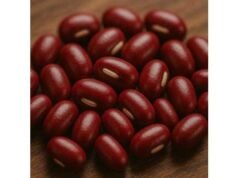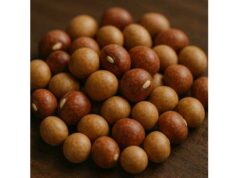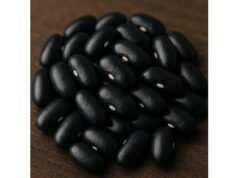
Pinto beans are one of the most versatile pantry staples: affordable, filling, and at home in everything from burritos to brothy soups. They deliver plant protein with a generous dose of fiber, potassium, folate, and iron—nutrients many people underconsume. Because pinto beans are naturally low in fat and sodium, they fit easily into heart-smart and diabetes-friendly eating patterns. Their slow-digesting carbohydrates and resistant starch support steady energy and a healthy gut environment. In the kitchen, pinto beans are forgiving: you can simmer them from dry, pressure-cook, or lean on drained and rinsed canned beans for weeknight speed. With careful soaking and proper cooking, they become creamy without falling apart, and they take on the flavors of aromatics, spices, and acids. Below, you will find a concise nutrition profile per 100 g, science-backed benefits, safety notes, smart shopping advice, storage tips, and practical cooking guidance—plus clear answers to common questions about portions, protein quality, and how pinto beans compare with other legumes.
Top Highlights
- High in fiber (≈9 g per 100 g cooked) and rich in folate, magnesium, and potassium for cardiometabolic support.
- Properly cooked pinto beans are safe; undercooked beans can cause gastrointestinal upset—cook until fully tender.
- Typical serving: ½ cup cooked (≈85 g) most days of the week or 1 cup (≈170 g) a few times weekly.
- People with significant FODMAP sensitivity, potassium-restricted diets, or legume allergies should limit or avoid.
Table of Contents
- Detailed overview of pinto beans
- Pinto beans nutrition profile
- Health benefits of pinto beans
- Pinto beans risks, allergies and interactions
- Selecting quality, sustainability and storage
- Preparation, cooking and nutrient retention
- Portions, comparisons and FAQs
Detailed overview of pinto beans
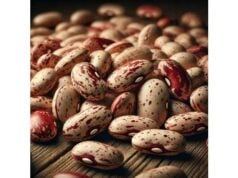
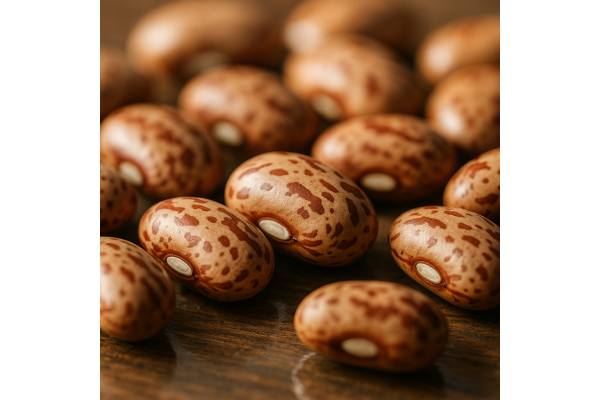
Pinto beans (Phaseolus vulgaris) are speckled, medium-sized beans cherished across the Americas, especially in Mexican and Southwestern cuisines. When raw, they show mottled tan and brown skins (hence “pinto,” meaning “painted”); after cooking they turn a uniform, rosy brown and develop a creamy, mashable interior. You will meet them most often in refried beans, stews, chiles, tacos, tostadas, and burritos, but they also excel in salads, grain bowls, and blended spreads.
As a member of the legume family, pinto beans supply a rare combination of protein plus fiber, with slow-digesting starches that release energy gradually. That combination supports satiety, steadier blood sugar, and heart health. Unlike animal protein, pinto beans contain almost no saturated fat and naturally contain no cholesterol. They also deliver key micronutrients—folate, magnesium, potassium, iron, and copper—commonly identified as shortfall nutrients in modern diets.
From a sustainability perspective, pinto beans are noteworthy: like other legumes, their roots partner with soil bacteria to capture nitrogen from the air and convert it into a usable form for plants. That biological nitrogen fixation reduces the need for synthetic fertilizers, supports soil structure, and lowers the climate footprint per gram of protein compared with most animal sources. Because beans store dry and travel well, they also minimize food waste.
Culinarily, pinto beans are wonderfully adaptable. Dry beans reward you with deep flavor and a silky texture if you give them time (or a pressure cooker). Canned beans shorten prep to minutes; a quick rinse reduces sodium while preserving convenience. Flavor carriers such as garlic, onion, cumin, oregano, smoked paprika, bay leaves, citrus, and chiles pair naturally with pintos. Their starch content makes them ideal for thickening soups and stews without added cream or roux, and their soft skins welcome mashing for dips and refried preparations.
Finally, pinto beans are accessible to almost every budget. An inexpensive bag of dry beans yields many servings of high-quality protein, and canned options are often under one euro or dollar per can. That cost-to-nutrition ratio makes them a standout in public health guidance and a strategic staple for personal meal planning.
Pinto beans nutrition profile
Serving basis: cooked pinto beans, per 100 g (about ½ generous cup). Amounts and % Daily Value (%DV) use current adult reference values.
Macros and electrolytes
| Nutrient (per 100 g cooked) | Amount | %DV |
|---|---|---|
| Energy | 143 kcal | — |
| Protein | 9.0 g | 18% |
| Total fat | 0.7 g | 1% |
| Saturated fat | 0.14 g | 1% |
| Carbohydrate | 26.2 g | 10% |
| Dietary fiber | 9.0 g | 32% |
| Total sugars | 0.34 g | — |
| Water | ~64 g | — |
| Sodium | ~1 mg | 0% |
| Potassium | 436 mg | 9% |
Carbohydrates
| Component | Amount | Notes |
|---|---|---|
| Starch | ~15.1 g | Slow-digesting; includes resistant starch after cooling. |
| Soluble/insoluble fiber | — | Mix varies with cooking; both types present. |
| Naturally occurring sugars | ~0.34 g | Very low sugar food. |
Fats and fatty acids (very low overall)
| Component | Amount | %DV |
|---|---|---|
| Monounsaturated fat | ~0.13 g | — |
| Polyunsaturated fat | ~0.24 g | — |
| Omega-3 (ALA, total) | ~0.14 g | — |
| Omega-6 (LA, total) | ~0.10 g | — |
Protein and amino acids (selected essential amino acids)
| Amino acid | Amount per 100 g |
|---|---|
| Lysine | ~0.63 g |
| Leucine | ~0.77 g |
| Isoleucine | ~0.43 g |
| Valine | ~0.52 g |
| Threonine | ~0.33 g |
| Phenylalanine | ~0.53 g |
| Methionine | ~0.12 g |
| Tryptophan | ~0.11 g |
| Histidine | ~0.25 g |
Vitamins
| Vitamin | Amount | %DV |
|---|---|---|
| Folate (DFE) | ~172 µg | 43% |
| Thiamin (B1) | ~0.19 mg | 16% |
| Vitamin B6 | ~0.23 mg | 13% |
| Choline | ~35 mg | 6% |
| Vitamin E | ~0.94 mg | 6% |
| Vitamin K | ~3.5 µg | 3% |
| Vitamin C | ~0.8 mg | 1% |
| Vitamin B12 | 0 µg | 0% |
| Vitamin D | 0 µg | 0% |
Minerals
| Mineral | Amount | %DV |
|---|---|---|
| Magnesium | ~50 mg | 12% |
| Phosphorus | ~147 mg | 12% |
| Iron | ~2.1 mg | 12% |
| Zinc | ~1.0 mg | 9% |
| Copper | ~0.22 mg | 24% |
| Manganese | ~0.45 mg | 20% |
| Selenium | ~6.2 µg | 11% |
| Calcium | ~46 mg | 4% |
Bioactives and anti-nutrients
| Component | Typical presence | What to know |
|---|---|---|
| Resistant starch | Present; higher after cooling | Feeds beneficial gut bacteria; supports butyrate production. |
| Phytate (phytic acid) | Moderate | Soaking/sprouting/cooking reduces levels, improving mineral bioavailability. |
| Tannins/phenolics | Low to moderate | Contribute antioxidant activity; minimal bitterness when cooked. |
Glycemic and acid–base metrics
| Metric | Value/Category |
|---|---|
| Glycemic impact | Generally low for cooked beans; portion size matters. |
| PRAL (acid–base) | Slightly alkaline-forming (≈−1.3 per 100 g, estimated). |
Notes: Values reflect cooked, boiled pinto beans without salt. %DV uses standard adult references (e.g., fiber 28 g/day, potassium 4700 mg/day, iron 18 mg/day, magnesium 420 mg/day, folate 400 µg DFE/day). Canned beans may differ, especially for sodium.
Health benefits of pinto beans
Supports heart health. Pinto beans combine low saturated fat with potassium, magnesium, and soluble fiber—nutrients that help manage blood pressure and cholesterol. Controlled trials of pulses (beans, chickpeas, lentils, peas) show average reductions in LDL cholesterol with roughly one daily serving (about 130 g cooked), reflecting fiber-mediated bile acid binding and replacement of higher-saturated-fat foods. The potassium-to-sodium ratio of unsalted pintos also favors healthy blood pressure.
Steadier blood sugar. The fiber and slow-digesting carbohydrate matrix in pinto beans helps blunt post-meal glucose spikes. In randomized trials and systematic reviews, adding pulses to meals can improve acute post-prandial responses and, over weeks, modestly lower fasting glucose and HbA1c in adults with and without type 2 diabetes. Mechanisms include delayed gastric emptying, reduced carbohydrate absorption rates, and improved insulin sensitivity from short-chain fatty acids (SCFAs) produced during fermentation of resistant starch in the colon.
Gut microbiome and digestive benefits. Cooked, cooled, and reheated pintos provide resistant starch and fermentable fibers that feed beneficial microbes (including butyrate-producing species). Butyrate supports the intestinal barrier and may modulate inflammation in the gut. Gradual introduction can help minimize gas as your microbiome adapts to higher fiber intake.
Satiety and weight management. Protein plus fiber is a proven appetite-control duo. Beans increase meal fullness and, when they displace refined carbohydrates or calorie-dense meats, can aid weight management without restricting portions harshly. Because pinto beans are low in energy density (≈143 kcal per 100 g), they add heft and satisfaction for relatively few calories.
Nutrient adequacy in plant-forward diets. Pintos are a practical source of folate, iron, magnesium, and zinc—nutrients of interest for women of reproductive age, older adults, and people reducing animal products. While beans are not a complete protein on their own, pairing with grains (corn tortillas, rice, barley) over the day supplies all essential amino acids.
Inflammation and metabolic markers. Beyond fiber, pinto beans contain phenolic compounds and micronutrients that may favorably influence inflammatory and oxidative stress markers when they replace more processed options. The overall pattern matters most: regular bean intake within a balanced dietary pattern appears to improve risk factors even when long-term disease outcomes vary across studies.
Practical takeaway. Aim for ½–1 cup cooked pinto beans on most days, folded into meals you already love: refried beans with eggs and salsa, bean-and-grain bowls with avocado and greens, or slow-simmered pots with tomatoes, onions, and spices. Consistency—more than perfection—drives the benefits.
Pinto beans risks, allergies and interactions
Undercooking risk. Like other common beans, pintos contain lectins that are neutralized by thorough cooking. Properly cooked beans are safe; undercooked beans can cause gastrointestinal upset (nausea, cramping). Make sure dry beans are simmered until completely tender. Avoid slow cookers on “low” for raw beans unless you first boil them or use “high” to reach a true simmer.
Gas and FODMAP sensitivity. Galacto-oligosaccharides (GOS) in beans can cause gas and bloating. Many people adapt over one to two weeks as gut microbes shift. To reduce symptoms, start with 2–3 tablespoons per meal, rinse canned beans well, or cook from dry with a soak-and-rinse method. Enzyme products that break down GOS may help some individuals. People following a strict low-FODMAP elimination should limit pintos until the re-introduction phase, then test tolerance.
Allergy and cross-reactivity. Legume allergy to pinto beans is uncommon but possible. Symptoms can include hives, itching, lip or throat swelling, wheeze, or anaphylaxis. People with known severe legume allergies (e.g., to peanuts or soy) should consult an allergist before adding new legumes, as cross-reactivity can occur in some cases.
Mineral interactions and anti-nutrients. Phytic acid in beans can bind minerals. Traditional prep methods (soaking, sprouting, thorough cooking, or using a salted soak) reduce phytic acid and increase mineral bioavailability. Eating beans alongside vitamin C-rich foods (tomatoes, citrus, peppers) can further enhance iron absorption from plant sources.
Sodium from canned beans. Standard canned beans can be high in sodium. Draining and rinsing under running water typically removes a third or more of the sodium. Choose “no-salt-added” or “reduced-sodium” products when available, especially if you are monitoring blood pressure.
Medical conditions and medications.
- Potassium-restricted diets: A 1-cup portion of unsalted cooked pinto beans provides roughly 745 mg potassium. People with advanced kidney disease or those advised to restrict potassium should discuss individualized portion limits.
- Gout and purines: Legumes contribute moderate purines; most guidelines still allow beans in gout-friendly patterns, but sensitive individuals should monitor symptoms and keep portions moderate.
- Digestive disorders: During flares of inflammatory bowel disease or after gastrointestinal surgery, a temporary lower-fiber plan may be necessary—work with your clinician.
Food safety for leftovers. Cool cooked beans promptly and refrigerate within two hours. Store leftovers in shallow containers and reheat to steaming hot. Discard if you notice off-odors or slime.
Selecting quality, sustainability and storage
Dry beans: how to choose. Look for uniform size and color with intact skins and minimal splits. Avoid bags with excessive broken beans, stones, or dust. Harvest year matters: very old beans (stored for years) take longer to cook and may never become fully tender. Specialty vendors sometimes label the harvest year; if you cook beans often, this can be worth seeking out.
Canned beans: smart picks. Choose “no-salt-added” or “reduced-sodium” products. Inspect the ingredient list: ideally just beans, water, and salt (or calcium chloride for texture). Rinse before use to reduce sodium. If cost is critical, compare unit prices—store brands often match national brands in quality.
Sustainability snapshot. Beans are resource-efficient proteins with a small greenhouse gas footprint compared with animal protein. As nitrogen-fixers, they enrich soil and reduce dependence on synthetic fertilizers. Crop rotations that include beans can improve biodiversity and break pest cycles. When you buy dried beans, you also minimize packaging per serving and reduce food waste because dry beans keep well for months.
Storage guidelines.
- Dry beans: Keep in an airtight container in a cool, dark cupboard. Best quality within 12 months; still safe beyond that but may require longer cooking.
- Canned beans: Store in a cool pantry. Use by the “best by” date for quality. Once opened, transfer leftovers to a glass or food-safe container, cover, and refrigerate up to 3–4 days.
- Cooked beans: Refrigerate 3–4 days or freeze up to 3 months. Freeze flat in labeled bags or small containers for easy portioning.
- Avoid moisture: Humidity can encourage mold and stale flavors in dry beans; keep lids tightly sealed.
Ethical and origin considerations. Many regions grow pintos, including the United States, Mexico, and parts of South America. Buying from growers who emphasize soil health or certified sustainable practices can amplify environmental benefits. When feasible, diversify your legume purchases (black beans, lentils, chickpeas) to spread demand and support crop rotations.
Reducing waste in the kitchen. Plan a “bean cook-once, eat-many” strategy: simmer a large pot on the weekend, then use beans in tacos, soups, salads, and dips. Save cooking broth—it is flavorful, nutrient-rich, and perfect for thinning refried beans or cooking rice. If you do not tolerate the broth due to FODMAPs, strain and rinse the beans, and freeze the broth separately for others in the household.
Preparation, cooking and nutrient retention
Soaking options (choose one).
- Overnight soak: Rinse and pick over 1 cup (200 g) dry pinto beans. Cover with 3–4 cups water plus 1 tablespoon (≈18 g) kosher salt (optional brine). Soak 8–12 hours; drain and rinse.
- Quick soak: Cover beans with water, bring to a boil for 2 minutes, turn off heat, cover, and rest 1 hour; drain and rinse.
A salted soak helps hydrate skins, reduces splitting, and can shorten cooking time. If you are sodium-sensitive, skip or reduce the salt and season later.
Stovetop method. Add soaked (or unsoaked, see below) beans to a pot with fresh water or low-sodium broth, 2–3 cm above the beans. Add aromatics (onion, garlic, bay, cumin, oregano). Bring to a steady simmer, partially cover, and cook until fully tender: soaked beans ~45–75 minutes, unsoaked ~90–120 minutes, depending on bean age and your altitude. Skim foam if desired. Add acid (tomatoes, vinegar, citrus) only when the beans are tender to avoid tough skins.
Pressure cooker/Instant Pot. After soaking, cook on high pressure for 8–12 minutes (natural release). For unsoaked beans, 25–30 minutes (natural release). Always verify tenderness; add a few minutes if needed.
Seasoning and texture. Salt in stages: a little early, then adjust near the end for depth without oversalting. Stirring vigorously near the end helps release starch to thicken brothy beans. For refried beans, reserve some cooking liquid, then mash and sizzle with a tablespoon of oil, lard, or neutral fat; loosen to the desired consistency with the reserved broth.
Nutrient-retention tips.
- Use the broth. Water-soluble vitamins and minerals leach into the cooking liquid. Keeping and serving some broth preserves nutrients and boosts flavor.
- Gentle heat. A steady simmer (not a harsh boil) minimizes skin breakage and nutrient loss.
- Minimal rinsing post-cook. Rinse canned beans before use to reduce sodium; for home-cooked beans, draining and aggressive rinsing after cooking is unnecessary and removes flavorful nutrients (except for people needing to lower FODMAPs).
- Batch-cook, cool fast. Divide hot beans into shallow containers to cool quickly before refrigerating—this protects quality and food safety.
- Cook, chill, reheat. Cooling increases resistant starch; reheating does not eliminate it, so you keep the gut-friendly benefits.
Common pitfalls to avoid.
- Undercooking. Beans must be creamy throughout, not chalky at the core. Taste several.
- Acid too early. Adding tomatoes or vinegar early can prolong cooking time dramatically.
- Old beans. If beans are very old, even a long cook may not soften them—use a pressure cooker or buy fresh stock.
- Too little water. Keep beans submerged; add hot water as needed to maintain a gentle simmer.
Portions, comparisons and FAQs
How much is a serving, and how often? A practical serving is ½ cup cooked (≈85 g). For most adults, enjoying beans most days—either ½ cup daily or 1 cup every other day—fits well within balanced energy needs. If you are new to beans, build up gradually to allow your gut to adapt.
How do pinto beans compare with other legumes?
- Pintos vs. black beans: Similar protein and fiber per 100 g; flavor is earthier and texture creamier in pintos. Black beans tend to hold shape better in salads.
- Pintos vs. kidney beans: Kidneys are larger and meatier; both deliver iron and potassium. Kidney beans require special care to avoid undercooking; pinto beans are more forgiving.
- Pintos vs. chickpeas: Chickpeas are firmer with slightly higher calories per 100 g and a nutty taste; pintos mash more easily for spreads and refried dishes.
- Pintos vs. lentils: Lentils cook faster and are smaller; pintos offer a creamier texture and a classic flavor for Mexican and Southwestern recipes.
Are pinto beans a complete protein? No single bean provides all essential amino acids in optimal ratios, but eating a variety of plant foods over the day (e.g., beans with grains, seeds, or nuts) provides complete protein. Complementarity does not need to occur in the same meal.
Are canned pinto beans healthy? Yes. Choose reduced-sodium or no-salt-added cans and rinse before use. The convenience and shelf-stability make it more likely you will meet fiber and legume intake goals.
What about refried beans? Traditional refried beans may include lard or oil and salt. You can make a lighter version using olive oil, spices, and a splash of broth. Restaurant versions vary widely; if you are watching sodium or fat, ask how they are prepared.
Do soaking and sprouting change nutrition? Soaking reduces some anti-nutrients (phytates and oligosaccharides), which can improve mineral absorption and digestibility for some people. Sprouting further reduces phytate and may slightly increase certain vitamins, but the overall macronutrient profile remains similar after cooking.
Can children and older adults eat pintos? Absolutely. For young children, mash well to reduce choking risk and start with small portions. For older adults, soft, well-cooked beans are gentle on teeth and provide valuable fiber, potassium, and folate.
Who should limit pinto beans? People with severe FODMAP sensitivity, those on potassium-restricted diets for kidney disease, individuals with a diagnosed legume allergy, and anyone whose clinician has advised temporary low-fiber intake should limit or avoid beans until cleared.
Budget and meal prep tips. Buy dry beans in bulk, cook a large pot, and freeze in 1-cup portions. Keep a can or two for busy nights. Stir beans into soups to stretch animal protein or replace it entirely, saving money without sacrificing satisfaction.
References
- Nutrition Facts for Cooked Pinto Beans 2025.
- Effect of dietary pulse intake on established therapeutic lipid targets for cardiovascular risk reduction: a systematic review and meta-analysis of randomized controlled trials 2014 (Systematic Review).
- Pulse consumption improves indices of glycemic control in adults with and without type 2 diabetes: a systematic review and meta-analysis of acute and long-term randomized controlled trials 2021 (Systematic Review).
- Legume consumption in adults and risk of cardiovascular disease or type 2 diabetes: a systematic review and meta-analysis 2023 (Systematic Review).
- Impact of Dietary Resistant Starch on the Human Gut Microbiome, Metaproteome, and Metabolome 2017 (Systematic Review).
Disclaimer
This article provides general nutrition and cooking information for educational purposes and is not a substitute for personalized medical advice, diagnosis, or treatment. If you have a medical condition (such as kidney disease, diabetes, digestive disorders, or food allergies), consult a qualified healthcare professional or registered dietitian before making significant dietary changes. In emergencies or if you experience signs of an allergic reaction, seek immediate medical care.
If you found this guide helpful, please consider sharing it on Facebook, X (formerly Twitter), or your favorite platform. Your support helps us continue creating clear, evidence-based nutrition resources.