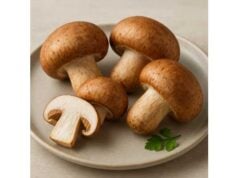
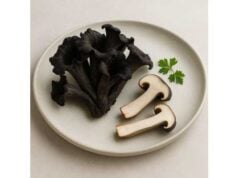
Pioppino mushroom (Cyclocybe aegerita, historically Agrocybe aegerita) is a Mediterranean favorite that has spread to kitchens worldwide for its chestnut-brown caps, slender ivory stems, and deep, woodsy aroma. Chefs love its ability to brown without turning soggy, adding a savory backbone to risottos, braises, noodles, and roasted vegetables. Nutrition-wise, pioppino is a low-calorie, high-moisture food that contributes fiber, B-vitamins, potassium, copper, and selenium. Like other edible fungi, it also contains beta-glucans and ergosterol (a vitamin D precursor), and it can develop meaningful vitamin D₂ if exposed to UV light after harvest. Because pioppino often grows on poplar or oak logs and is widely cultivated, quality varies: farmed clusters are tender and consistent; carefully foraged specimens offer concentrated flavor but require expert identification and clean habitat. This guide pulls together everything you need—how to select and store pioppino, the most nutrient-preserving ways to cook it, what health benefits are realistic, and where to be cautious about look-alikes, allergens, and heavy metals—so you can enjoy this mushroom with confidence.
Core Points
- Pioppino is a low-calorie source of fiber, B-vitamins, potassium, copper, and selenium with rich umami flavor.
- Beta-glucans and other fungal polysaccharides support immune balance and gut-friendly fermentation.
- Typical cooked serving: 100–150 g (3–5 oz) up to 1–2 times per week, adjusted to overall diet.
- Safety: never eat wild pioppino unless confirmed by an expert; mushrooms from polluted sites may accumulate heavy metals.
- People with known mushroom allergy, very young children, and those on immunosuppressive therapy should be cautious or avoid concentrated extracts.
Table of Contents
- Detailed Overview
- Nutrition Profile
- Evidence-Based Health Benefits
- Risks, Allergies and Interactions
- Selecting, Quality, Sustainability and Storage
- Preparation, Cooking and Nutrient Retention
- Portions, Comparisons and FAQs
Detailed Overview
Pioppino (also called black poplar mushroom or chestnut mushroom in some markets) is a wood-loving species prized in Italy, the Balkans, and East Asia. In the wild, its habitat includes decaying hardwoods—especially poplar, oak, and willow—where clusters of small to medium caps emerge on slender, slightly crisp stems. The caps are chestnut to dark caramel with paler margins; gills start pale and darken with maturity. Cultivated pioppino is grown on sterilized sawdust blocks or supplemented logs, offering consistency and clean flavor year-round.
What it tastes like: Expect a concentrated, earthy-umami profile without the mustiness some people associate with wild mushrooms. The cap is tender and silky, while the stem holds a pleasant bite. Browning brings out hazelnut and toasted grain notes. Pioppino shines in quick sautés, garlicky braises, soy-glazed stir-fries, and long-simmered broths where it lends structure without disintegrating.
Nutrition at a glance: Fresh pioppino is mostly water, low in fat, and provides modest protein along with fiber (including chitin and beta-glucans). Its micronutrient pattern mirrors other edible mushrooms—riboflavin (B2), niacin (B3), pantothenic acid (B5), copper, selenium, and potassium are standouts. If the mushrooms are exposed to UV light after harvest, ergosterol in their cell membranes converts to vitamin D₂, raising their vitamin D content.
Market forms: You will see pioppino as fresh clusters, trimmed caps and stems, or dried slices. Fresh clusters cook evenly; dried pioppino concentrates aromas for broths and sauces. Stems are flavorful—do not discard them; slice thinly or simmer for stock.
Sourcing choices: Cultivated pioppino is the safest pick for routine use. Foragers should understand regional look-alikes and confirm multiple features (cap color, spore print, substrate, odor). Because wood-decay fungi can reflect local soils, habitat quality matters.
Bottom line: Pioppino is a culinary workhorse and nutrition-conscious choice—easy to cook, big on savory payoff, and versatile across cuisines.
Nutrition Profile
How to use these tables
Values below summarize typical ranges for fresh pioppino per 100 g edible portion, drawing on laboratory analyses of Cyclocybe/Agrocybe aegerita, complemented by well-characterized ranges for edible mushrooms. Actual values vary by strain, substrate, harvest maturity, and moisture. Use for dietary planning; not a substitute for brand-specific labels.
Daily Values (%DV) assume a 2,000 kcal diet.
Macros and Electrolytes (per 100 g, fresh)
| Nutrient | Amount | %DV |
|---|---|---|
| Energy | 35–45 kcal | — |
| Water | ~90 g | — |
| Protein | 3.0–4.0 g | 6–8% |
| Total carbohydrate | 5–7 g | 2–3% |
| Total sugars | ~1–2 g | — |
| Dietary fiber | 2.0–2.8 g | 7–10% |
| Total fat | 0.4–1.0 g | 1% |
| Saturated fat | ~0.1–0.2 g | 1% |
| Sodium | 5–20 mg | 0% |
| Potassium | 300–380 mg | 6–8% |
Notes: Protein quality improves when pioppino is paired with grains or legumes. Fiber includes chitin and beta-glucans, which are not digested but support gut fermentation.
Vitamins (per 100 g, fresh)
| Vitamin | Amount | %DV |
|---|---|---|
| Riboflavin (Vitamin B2) | ~0.35–0.50 mg | 27–38% |
| Niacin (Vitamin B3) | ~3.5–5.5 mg | 22–34% |
| Pantothenic acid (Vitamin B5) | ~1.0–1.8 mg | 20–36% |
| Folate (Vitamin B9) | ~15–30 µg | 4–8% |
| Vitamin D₂ (UV-exposed) | 0.5–10 µg | 3–50% |
Vitamin D varies widely. UV exposure—sunlight or UV-B lamps post-harvest—can elevate D₂ several-fold. Cultivated products not UV-treated often provide little.
Minerals (per 100 g, fresh)
| Mineral | Amount | %DV |
|---|---|---|
| Copper | ~0.25–0.40 mg | 28–44% |
| Selenium | ~6–12 µg | 11–22% |
| Phosphorus | ~90–120 mg | 7–10% |
| Iron | ~0.5–1.0 mg | 3–6% |
| Zinc | ~0.6–1.0 mg | 5–9% |
| Magnesium | ~10–18 mg | 2–4% |
| Manganese | ~0.1–0.3 mg | 4–13% |
Context: Wild mushrooms from contaminated sites may accumulate heavy metals (notably cadmium); cultivated pioppino from reputable producers typically shows lower, regulated levels.
Fats and Fatty Acids (per 100 g, fresh)
| Lipid | Amount |
|---|---|
| Total fat | 0.4–1.0 g |
| Polyunsaturated fatty acids | ~0.2–0.5 g |
| Notable fraction | small amounts of linoleic acid; traces of alpha-linolenic acid |
Protein and Amino Acids (per 100 g, fresh)
| Metric | Value |
|---|---|
| Protein | 3.0–4.0 g |
| Amino acids | glutamic acid and alanine prominent; complements cereal proteins when combined in meals |
Bioactives / Phytonutrients
- Beta-glucans and other non-starch polysaccharides: support immune modulation and prebiotic fermentation.
- Ergosterol: converts to vitamin D₂ under UV; also contributes to antioxidant capacity.
- Phenolic compounds: small amounts contribute to free-radical scavenging.
Allergens and Intolerance Markers
- Chitin can be difficult to digest for some; thorough cooking improves tolerance.
- Mushroom protein allergy is uncommon but documented; reactions range from oral itching to anaphylaxis in sensitized individuals.
Contaminants / Residues
- Heavy metals: wood-loving wild species can concentrate cadmium, lead, or mercury depending on site; risk increases with age and cap tissue. Prefer cultivated or expertly sourced wild mushrooms from clean habitats.
Additives & fortification: Fresh pioppino rarely includes additives. Dried products may contain anti-caking agents or added salt; check labels. UV-treated products may advertise elevated vitamin D.
Evidence-Based Health Benefits
Nutrient density with few calories. Pioppino adds B-vitamins (especially riboflavin, niacin, and pantothenic acid), copper, selenium, and potassium without much energy, fat, or sodium. A 100–150 g cooked portion nudges daily intakes upward—useful for people seeking more micronutrients from plants while keeping calories modest.
Fungal polysaccharides and immune tone. Edible mushrooms contain beta-glucans, mannans, and other complex polysaccharides that interact with innate immune receptors (such as dectin-1) and help calibrate inflammatory responses. Human and preclinical research across edible mushroom species suggests improvements in immune surveillance and antioxidant enzyme activity when mushrooms displace more refined foods. While pioppino-specific clinical trials are limited, its cell-wall composition is consistent with these mechanisms.
Gut microbiome support. Because human enzymes do not break down beta-glucans and chitin, these fibers reach the colon intact, where microbes ferment them to short-chain fatty acids (SCFAs). SCFAs (acetate, propionate, butyrate) help maintain the intestinal barrier, influence glycemic regulation, and support immune tolerance. Regular, moderate inclusion of mushrooms in mixed meals encourages this effect.
Cardiometabolic implications. Pioppino’s potassium helps offset dietary sodium, supporting blood-pressure control. Copper and selenium assist antioxidant enzymes (e.g., superoxide dismutase and glutathione peroxidase). Replacing part of the meat in a recipe with mushrooms can reduce saturated fat and energy density while preserving savory impact—a practical swap linked to improvements in calorie balance and dietary quality.
Antioxidant capacity and cooking. Lab studies show that quick, dry-heat methods (grilling or microwaving) tend to preserve or even raise mushrooms’ measured antioxidant activity compared with boiling or deep-frying. Some of this effect comes from concentrating phenolics and forming Maillard-derived antioxidants on the surface.
Vitamin D potential with UV. Exposing sliced mushrooms to sunlight or UV-B for a short period after harvest can drive ergosterol conversion to vitamin D₂. This is an accessible, food-based way to add vitamin D to meals, particularly in winter or for people with limited sun exposure.
Satiety and culinary substitution. Pioppino’s meaty texture and umami allow it to replace part of the animal protein in recipes. Doing so increases fiber and reduces energy density—two changes that support satiety and weight management within balanced eating patterns.
What to expect realistically. Benefits accrue as part of an overall pattern that emphasizes vegetables, whole grains, legumes, nuts, and seafood. Pioppino can be a delicious contributor—especially when it replaces processed meats or provides vitamin D₂ via UV exposure—but it is not a standalone remedy.
Risks, Allergies and Interactions
Misidentification risk. If you forage, confirm multiple traits before eating any wild “pioppino”: cap color and shape, gill attachment and maturation, spore print (pioppino has a brown spore print), growth on hardwood logs, and odor. Do not rely on one feature or photos alone. When in doubt, do not consume.
Heavy metals from habitat. Wood-decay mushrooms can concentrate cadmium, lead, and mercury if the substrate or surrounding soil is contaminated. Caps generally accumulate more than stems, and older fruiting bodies more than young. Practical protection: choose cultivated producers with quality controls; if wild-harvesting, avoid sites near roads, dumps, industrial yards, or treated wood, and keep portions modest and infrequent.
Allergy and intolerance. True mushroom allergy is uncommon but documented, including cases of systemic reactions to edible species. More often, people experience digestive discomfort from chitin and other fibers when mushrooms are undercooked. Thorough cooking and smaller portions improve tolerance. Anyone with a history of mushroom allergy should avoid pioppino and carry appropriate medication as advised by their clinician.
Medication considerations. Whole cooked mushrooms have few confirmed drug interactions. However, concentrated extracts (capsules or tinctures) may modulate immune pathways; people on immunosuppressive therapy should avoid high-dose mushroom extracts unless cleared by their healthcare team. For those on anticoagulants, routine culinary amounts are generally acceptable.
Microbial contamination and spoilage. Mushrooms spoil quickly when warm and wet. Refrigerate promptly in a paper bag, use within 1–3 days, and cook to steaming hot. Discard any with a sour or fishy odor, sliminess, extensive bruising, or visible molds.
Populations who should limit or avoid.
- Pregnant or breastfeeding individuals: stick to commercially cultivated mushrooms from reputable vendors; avoid uncertain wild harvests.
- Young children: serve small, well-cooked portions due to fiber load and choking risk from slippery textures.
- Chronic kidney disease: speak with a renal dietitian about frequent, large portions of wild mushrooms (trace mineral loads vary).
- Gout-prone individuals: mushrooms contain purines; modest portions are usually tolerated, but monitor symptoms.
Bottom line: Choose cultivation or verified clean habitats, cook thoroughly, and tailor portions to tolerance and health status.
Selecting, Quality, Sustainability and Storage
Buying cultivated pioppino
- Look for tight clusters with firm, dome-shaped caps and pale, resilient stems. Avoid slimy, bruised, or waterlogged packs.
- Prefer producers who specify species (using the updated name Cyclocybe aegerita) and packing dates. Refrigerated distribution and breathable packaging keep quality higher.
Foraging responsibly (experts only)
- Harvest from clean hardwood stands far from roadsides, industrial zones, and treated timbers.
- Confirm multiple identifiers—substrate (hardwood logs), cap color and margins, gill color progression, odor, and spore print.
- Take only what you will use and leave small or very old specimens to mature and sporulate. Use a knife to cut at the base, minimizing disturbance to mycelium.
Sustainability pointers
- Favor local indoor cultivators who use agricultural by-products (e.g., hardwood sawdust) as substrate. This reduces transportation emissions and supports circular use of biomass.
- If foraging pressure is high in your region, limit wild harvests and choose cultivated products for routine cooking.
- Store and use efficiently to minimize food waste: plan two or three dishes per purchase (e.g., quick sauté on day one, noodle soup on day two, mushroom–herb omelet on day three).
Storage and handling
- Refrigeration: keep unwashed in a paper bag at 1–4 °C; best within 1–3 days.
- Cleaning: brush or wipe; a brief rinse is fine if gritty—dry thoroughly before cooking.
- Freezing: sauté in a little oil or butter first; raw freezing damages texture and can lead to mushiness. Cool, portion, and freeze flat.
- Drying: slice 5–7 mm thick and dehydrate at low heat with airflow until brittle. Store airtight and dark for up to 6–12 months. Rehydrate in warm water; strain and use the soaking liquid in soups or risottos.
- Powder: blitz dried stems and trimmings into a savory powder for rubs, sauces, and gravies.
Quality cues before cooking
- Caps should be dry to the touch, not tacky; stems should snap cleanly. A mild forest aroma is ideal; any sourness signals spoilage.
Preparation, Cooking and Nutrient Retention
Flavor goals: Keep the caps tender and silky, coax deep browning, and protect delicate B-vitamins and phenolic antioxidants.
Best overall methods
- Grilling or microwaving tends to preserve antioxidant capacity better than boiling or deep-frying, while minimizing added fat.
- Quick sauté/pan-sear in a wide, hot pan creates a mahogany crust and concentrates flavor without oversoftening the stems.
- Roasting at 200–220 °C (400–425 °F) suits mixed trays of vegetables—toss with oil toward the end to avoid oil-logging.
Step-by-step: 10-minute pan-sear
- Trim and dry. Slice away any tough stem ends; pat caps and stems dry to improve browning.
- Preheat a wide skillet over medium-high heat until hot.
- Add mushrooms first, fat second. Dry-sauté 1–2 minutes to drive off surface moisture, then add 1–2 teaspoons oil or butter per 300 g mushrooms.
- Do not crowd. Work in batches; crowding steams and stalls browning.
- Season late. Salt in the last 1–2 minutes to keep juices inside. Finish with garlic, thyme, or a splash of sherry or soy sauce.
- Rest briefly. Off heat, a squeeze of lemon lifts the savory notes.
UV-boosted vitamin D (optional)
- Spread sliced pioppino under midday sun or a UV-B lamp for a short period before cooking or drying. This converts ergosterol to vitamin D₂. Store UV-treated dried slices airtight and use within a few months.
Retention reminders
- Short time, higher heat preserves texture and much of the B-vitamins and antioxidants.
- If simmering in soups or sauces, serve the liquid to capture water-soluble nutrients.
- Avoid deep-frying for routine meals; it raises energy density and can reduce antioxidant activity.
- Cook through. Proper cooking improves digestibility and reduces risk from raw-consumption intolerance.
Simple pairings
- Olive oil, garlic, parsley, lemon zest.
- Soy sauce or tamari with mirin and scallions for a quick glaze.
- Polenta or farro bowls with sautéed pioppino, wilted greens, and a poached egg.
- Brothy noodles with ginger, white pepper, and sesame oil.
Portions, Comparisons and FAQs
Practical portions
- Typical cooked serving: 100–150 g (3–5 oz) cooked mushrooms.
- Frequency: 1–2 times per week is a sensible cadence for most adults, especially if choosing cultivated sources.
- Children: offer small, well-cooked pieces to reduce choking risk and test tolerance.
How does pioppino compare to other mushrooms?
- Flavor and texture: Deeper and woodier than button mushrooms, with a nutty sweetness similar to shimeji. Stems stay pleasantly al dente, unlike oyster mushrooms which soften quickly.
- Nutrition: Similar macro and micronutrient pattern to other edible mushrooms—low energy density, notable B-vitamins, copper, selenium, and potassium.
- Vitamin D potential: Like all mushrooms, pioppino requires UV exposure to deliver meaningful vitamin D₂. Commercial “vitamin D” mushrooms are typically UV-treated; you can replicate a smaller effect at home for dried slices.
- Contaminant risk: Cultivated pioppino is generally low-risk; wild, wood-loving species demand careful site selection.
Frequently asked questions
Can I eat the stems?
Yes. Trim only the very base; slice stems thinly if thicker than a pencil. They add texture and absorb sauces well.
Is raw pioppino safe?
Avoid eating raw mushrooms. Cooking improves digestibility and palatability and reduces chances of gastric upset.
What if I am sensitive to mushrooms?
Try small, well-cooked portions. If you have a diagnosed mushroom allergy—or have experienced hives, wheezing, or severe symptoms after eating mushrooms—avoid pioppino and seek medical advice.
How can I store leftovers?
Refrigerate promptly in a shallow container and use within 2–3 days. Reheat until steaming hot; avoid repeated reheats.
Can pioppino replace meat in recipes?
In many dishes, yes. Replace 25–50% of ground or sliced meat with chopped, browned pioppino to lower saturated fat and calories while keeping satisfying umami.
References
- Nutritional value, chemical composition, antioxidant activity and enrichment of cream cheese with chestnut mushroom (Agrocybe aegerita Brig. Sing.) 2015
- Effect of different cooking methods on nutritional value and antioxidant activity of cultivated mushrooms 2017
- A Review of Mushrooms as a Potential Source of Dietary Vitamin D 2018 (Systematic Review)
- The benefits of edible mushroom polysaccharides for health and disease 2023 (Systematic Review)
- Assessment of the Impact of Metals in Wild Edible Mushrooms on Human Health 2025 (Systematic Review)
Medical Disclaimer
This information is educational and not a substitute for personalized medical advice, diagnosis, or treatment. Always consult a qualified healthcare professional about allergies, medication interactions, and dietary changes—especially if you are pregnant or breastfeeding, managing a chronic condition, or planning to serve wild mushrooms to children. For foraging questions, seek identification from certified local experts.
If you found this article useful, please consider sharing it with friends or on Facebook, X, or any platform you prefer. Your support helps us continue producing practical, evidence-informed guides. Thank you.