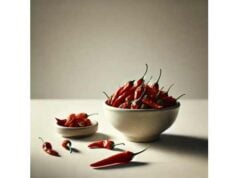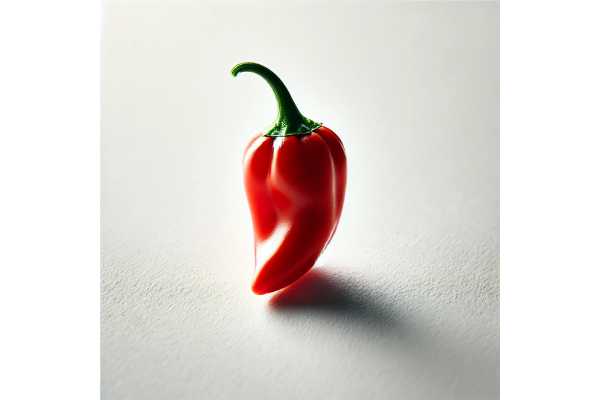
Piri piri, also written peri-peri or pili pili, is a small but powerful chili that has shaped the flavors of Portuguese and several African cuisines. Whether used fresh, dried, or blended into a tangy sauce, it brings bright heat, citrus notes, and a subtle smokiness that can transform simple grilled chicken, seafood, or vegetables. Today, piri piri appears on restaurant menus around the world, often as a signature marinade or table sauce.
Beyond its culinary appeal, piri piri belongs to the family of hot chili peppers that supply capsaicin, vitamin C, carotenoids, and other bioactive compounds. These can play supportive roles in metabolism, vascular function, and overall dietary quality when used sensibly. At the same time, the intensity of piri piri means it is not ideal for everyone, especially those with digestive conditions or low tolerance for spice. This guide explores what piri piri is, how it compares nutritionally, what research suggests about benefits and risks, and how to use it safely at home.
Piri Piri Quick Overview
- Piri piri is a small, very hot chili (typically tens of thousands to over one hundred thousand Scoville Heat Units) often used in African and Portuguese-inspired marinades and sauces.
- Like other hot chilies, piri piri provides capsaicin, vitamin C, and carotenoids that can support antioxidant defenses and metabolic health when eaten in moderation.
- A practical culinary serving is about 1–2 small fresh chilies or 0.5–1 teaspoon of piri piri sauce per person in a meal, used a few times per week according to individual tolerance.
- People with reflux, chronic gastritis, irritable bowel syndromes, hemorrhoids, or a history of chili-triggered symptoms should use piri piri cautiously or avoid it if it consistently provokes discomfort.
- Anyone with complex cardiovascular disease, chronic kidney disease, or who takes multiple medications should discuss large increases in very spicy foods with a healthcare professional.
Table of Contents
- Piri Piri origin and definition
- Piri Piri nutrition and active compounds
- Health effects linked to Piri Piri
- Piri Piri risks allergies and interactions
- Choosing quality Piri Piri products
- Cooking with Piri Piri for nutrition
- Piri Piri portions comparisons and FAQs
Piri Piri origin and definition
The term “piri piri” can refer to both the chili pepper itself and to the sauces and seasonings made from it. Botanically, most piri piri peppers belong to the species Capsicum frutescens, a relative of other small, upright hot chilies. The fruits are slender and usually only 2–4 centimeters long, ripening from green to bright red. Despite their size, they are fiery: estimates often place them roughly in the 50,000 to 175,000 range on the Scoville Heat Unit scale, which is several times hotter than typical jalapeños and comparable to many cayenne-type chilies.
Historically, piri piri is closely associated with Portuguese colonial routes in Africa, especially Mozambique and Angola, where local and European culinary traditions blended. The chilies themselves are thought to descend from varieties brought from South America, later adapted to African climates and tastes. Over time, cooks in coastal regions developed fresh and fermented sauces by combining piri piri with garlic, citrus juice, oil, herbs, and sometimes vinegar. These preparations became classic companions to grilled chicken, shellfish, and fish over open fires.
Today, “piri piri” on a label or menu may mean several related things. It may indicate the fresh chilies, dried pods, a dry spice blend, or a ready-to-use sauce. Some commercial sauces rely heavily on vinegar, salt, and added flavors, while others highlight fresh chilies, herbs, and lemon. In restaurants, piri piri chicken usually involves a two-step process: marinating poultry in a chili-citrus mixture and basting it while grilling or roasting.
Piri piri’s flavor combines sharp, direct heat with bright acidity and subtle fruitiness. Unlike some smoky chilies, it is more about clean fire and citrus than about roasted depth. This makes it particularly effective in cutting through richer foods such as grilled meats, oily fish, or cheese. It also pairs well with starchy sides like potatoes, rice, and bread, which help temper the heat.
The chili’s intensity means that even small amounts make a difference. One or two small pods can dramatically change the character of a pot of stew or a batch of sauce. For home cooks, this potency offers flexibility: you can build heat gradually and customize dishes for diners with different tolerances, simply by adjusting how much piri piri you add at each stage.
Piri Piri nutrition and active compounds
Most piri piri chilies are nutritionally similar to other small, hot red chilies. Standard nutrient data for hot red chili peppers suggest that 100 grams of raw fruit provide about 40 kilocalories, with approximately 1.9 grams of protein, 0.4 grams of fat, and 8.8 grams of carbohydrates, including around 1.5 grams of fiber. They are largely composed of water, making them a very low energy-density food. The same 100 grams provide a significant amount of vitamin C, plus vitamin A in the form of carotenoids, along with smaller amounts of B vitamins and minerals such as potassium and magnesium.
In reality, very few people eat 100 grams of piri piri at once—that would be uncomfortably hot for most. A more realistic serving is one or two small chilies, perhaps 5–10 grams total, or a teaspoon or two of piri piri sauce spread across a whole dish. At that level, direct contributions to daily calorie, carbohydrate, or protein intake are minor. However, the contribution to micronutrients and bioactive compounds can still be meaningful when piri piri is used regularly as part of a vegetable-rich, varied diet.
The standout component in piri piri is capsaicin, together with related capsaicinoids. These compounds are concentrated in the white inner membranes and, to a lesser extent, in the seeds and flesh. Capsaicin binds to TRPV1 receptors on sensory nerves, producing the characteristic burning sensation. This interaction sets off a cascade of physiological responses—including changes in blood flow, sweating, and sometimes a subtle increase in energy expenditure.
Beyond capsaicin, piri piri contains carotenoids such as beta-carotene and capsanthin, which contribute to its red color and act as antioxidants in laboratory settings. These pigments can help protect cell membranes from oxidative damage and support vitamin A status. Piri piri also provides polyphenols and small amounts of vitamin E, adding further antioxidant potential.
If you consider piri piri sauce rather than the fresh chili, the nutrition profile changes. Many sauces include oil, salt, sugar, and sometimes mayonnaise-like bases. A simple oil-and-lemon-based sauce will add extra calories from fat and some sodium but can remain relatively light if used sparingly. Creamier or heavily sweetened versions can be much more energy-dense and higher in sodium. Reading labels and, when cooking at home, measuring ingredients helps you understand what the sauce contributes beyond the chili itself.
Sodium, fat, and sugar in piri piri dishes mainly come from accompanying ingredients, not from the chili. This means piri piri can be part of a low-sodium, moderate-fat pattern if you keep an eye on the recipe as a whole. Used thoughtfully, it allows cooks to highlight flavor through spice and acidity rather than relying on heavy salting or very rich sauces.
Health effects linked to Piri Piri
Because piri piri is one form of hot chili, most of what we know about its health effects comes from broader research on chili peppers and capsaicin rather than from studies of piri piri alone. Large observational studies from different populations have explored how often people eat spicy foods and how this relates to long-term outcomes. Several of these analyses suggest that individuals who regularly consume chili-containing dishes may have a modestly lower risk of death from all causes, including cardiovascular and certain metabolic causes, compared with those who rarely eat spicy food.
These findings are not proof that piri piri or chilies directly extend lifespan, but they do support the idea that spicy foods can fit into, and possibly support, healthful dietary patterns. Multiple mechanisms are proposed. Capsaicin appears to slightly increase energy expenditure and fat oxidation for a short time after eating. In some controlled trials, regular intake of chili-containing meals is associated with small improvements in body composition markers or appetite regulation, such as feeling fuller or consuming fewer calories later in the day.
Chili peppers and their constituents also interact with lipid metabolism and vascular function. Research on red pepper and capsaicin suggests potential reductions in total cholesterol and triglycerides and possible improvements in the ratio of “good” to “bad” cholesterol in some settings. Capsaicin’s effect on blood vessels—including influences on nitric oxide and endothelial function—may help explain observed associations between spicy food intake and lower rates of certain cardiovascular events in some cohorts.
Another emerging topic is the relationship between spicy food and biological aging. Analyses that examine markers of metabolic and organ-specific aging sometimes find that higher spicy food consumption is linked to slightly more favorable profiles, particularly related to metabolic and kidney function. These associations remain an active area of research and do not yet translate into specific dosing recommendations, but they offer another line of evidence that moderate chili consumption can be compatible with healthy aging.
Beyond metabolism and cardiovascular outcomes, capsaicin has been examined for roles in pain modulation and digestive physiology. Topical capsaicin creams and patches are already used in medical practice for certain pain conditions, such as neuropathic pain, though this involves much higher local doses than those found in food. When ingested, capsaicin can interact with sensory nerves in the digestive tract, influencing motility, perception of fullness, and sensitivity to distension. Some studies suggest that, after an adaptation period, regular intake may decrease certain types of chronic abdominal discomfort, while others show that it can trigger symptoms in susceptible individuals.
For everyday eating, the most realistic health contribution of piri piri is modest and indirect. By making vegetable-heavy dishes, legumes, whole grains, and lean proteins more appealing, it may help you choose nutrient-dense meals more often. Its capsaicin and antioxidant content may add a small supportive effect on metabolic and cardiovascular health when combined with other healthy lifestyle choices. It should not, however, be viewed as a standalone treatment for high blood pressure, diabetes, obesity, or chronic pain. Any such conditions require individualized medical care, with piri piri playing, at most, a complementary role as part of an enjoyable, balanced diet.
Piri Piri risks allergies and interactions
For all its culinary charm, piri piri is not without risks. The most common problems are related to its pungency and how capsaicin interacts with the digestive tract. Capsaicin can irritate mucosal surfaces, causing burning in the mouth, throat, esophagus, and stomach. People with gastroesophageal reflux disease, functional dyspepsia, peptic ulcers, or certain forms of irritable bowel syndrome often find that spicy meals, including those made with piri piri, trigger or worsen heartburn, upper abdominal pain, or bowel urgency.
Clinical studies examining capsaicin’s effects on the upper digestive tract show a nuanced picture. In some experiments, acute exposure to capsaicin increases sensitivity and can provoke symptoms such as chest burning and heartburn, especially in individuals with reflux conditions. In others, after repeated exposure over days or weeks, some participants report decreased symptom intensity, suggesting a degree of adaptation. This variability underscores how personal responses to chili can be and why uniform advice is difficult. For practical purposes, if piri piri reliably worsens your symptoms, reducing or avoiding it is a sensible step.
There is also debate about the relationship between high chili intake and certain digestive tract cancers. Some observational studies from regions with very high consumption of extremely spicy foods have reported associations between heavy, long-term chili use and increased risk of cancers of the esophagus or stomach. Other research points to neutral or even protective associations for some cancer types. Reviews that pull these findings together generally emphasize that dose, preparation methods, background diet, and environmental factors all influence risk. For typical culinary use of piri piri in moderate amounts, especially as part of a varied diet rich in fruits and vegetables, current evidence does not justify strong concern, but it does support moderation rather than extreme consumption.
Allergic reactions to chili peppers, including piri piri, are less common than intolerance but still possible. Symptoms can range from oral itching and swelling to hives, wheezing, or, in rare cases, anaphylaxis. People who have reacted strongly to other Capsicum species or to spices containing chili should approach piri piri cautiously, ideally with guidance from an allergist if they have had severe reactions in the past.
On the skin and eyes, piri piri can cause intense burning if the juice or seeds come into contact with sensitive tissues. Handling the fresh chilies without gloves and then touching the face is a frequent cause of accidental irritation. Wearing disposable gloves, using utensils when seeding and chopping, and washing hands and cutting boards thoroughly after handling are simple but important safety practices.
Drug interactions from culinary amounts of piri piri are not well documented. High-dose capsaicin supplements and concentrated extracts may pose more meaningful interaction risks, including effects on blood clotting, blood pressure, or pain perception, but these scenarios differ from the small amounts used in cooking. Even so, people taking multiple medications—especially for cardiovascular conditions, blood thinning, or chronic pain—should inform their clinician if they plan to significantly change their intake of very spicy foods.
In summary, piri piri is best treated as a potent ingredient whose safety depends on context: your digestive health, allergy history, medications, and overall tolerance. For many people, moderate use is enjoyable and acceptable. For others, particularly those with active gastrointestinal disease or severe spice sensitivity, caution or avoidance is the wiser path.
Choosing quality Piri Piri products
The quality of piri piri you buy—whether fresh, dried, or as a sauce—shapes both flavor and nutritional impact. Fresh piri piri chilies should be firm, glossy, and vividly colored, with no soft spots, wrinkles, or signs of mold. Because they are small, they can dry out or spoil quickly, so look for pods that still feel plump rather than leathery. A clean, sharp chili aroma without any sour or musty notes is a good sign.
Dried piri piri chilies are widely available and convenient. They may appear as whole small pods or as part of mixed chili blends. When selecting dried chilies, choose ones with bright red to deep reddish-brown color, intact skins, and minimal dust or broken pieces at the bottom of the package. A faint but noticeable chili aroma through the packaging suggests they are not too old. If you open a bag and smell only cardboard or dust, the flavor is likely faded.
Piri piri sauces and seasonings require special attention to labels. Ingredients lists can vary dramatically. A simple, high-quality sauce often contains chilies, oil, acid (such as lemon juice or vinegar), garlic, salt, and herbs. Some commercial versions, however, are high in sodium, added sugars, thickeners, or flavor enhancers. If you are watching blood pressure or overall calorie intake, checking sodium per serving and total fat content helps you decide which products fit your needs. For dry piri piri spice blends, look out for added salt or sugar if you prefer to control those separately.
From a sustainability perspective, fresh and dried piri piri sourced from smaller, responsible producers can support local economies in regions where the chilies are traditionally grown. Because piri piri plants are relatively hardy and productive, they can be grown on a modest scale with limited inputs. However, as with many specialty crops, tracing supply chains is not always straightforward. Certifications such as fair trade or organic may be helpful signals but are not universally available. When possible, buying from reputable brands or shops that share sourcing information helps align your choices with your values.
At home, storage practices matter. Fresh piri piri should be kept in the refrigerator, ideally in a breathable bag or container that protects them from moisture accumulation while preventing rapid dehydration. They usually keep well for about a week. Dried chilies belong in an airtight container stored in a cool, dark, dry cupboard. Exposure to heat, light, and air gradually degrades their essential oils and color, leading to dull flavors. Whole dried pods generally retain quality longer than pre-ground powders.
For sauces, follow the label’s storage instructions. Many piri piri sauces are shelf-stable until opened and then require refrigeration. Using clean utensils, closing the bottle securely, and observing the “best by” date help maintain quality and safety. If a sauce develops off odors, visible mold, or separation that does not resolve with shaking, it is best to discard it.
Choosing good piri piri products and storing them carefully ensures that each use provides the expected flavor and heat, while also minimizing waste and avoiding unpleasant surprises at mealtime.
Cooking with Piri Piri for nutrition
Piri piri shines in the kitchen when used thoughtfully to build layers of flavor rather than simply to make food extremely hot. One of its most famous uses is in marinades for grilled chicken. A typical piri piri marinade combines crushed chilies with garlic, lemon or lime juice, a small amount of oil, herbs such as oregano or bay, and sometimes a touch of smoked paprika. The acidity helps tenderize the meat and contributes brightness, while the oil carries fat-soluble flavors from both herbs and chilies.
From a nutrition point of view, this style of cooking has several strengths. Grilling or roasting chicken with a modest amount of oil can keep total fat content moderate, especially if skinless cuts are used. The marinade’s intense flavor allows you to rely less on heavy cream-based sauces or large amounts of salt. Pairing piri piri chicken with vegetables, whole grains, or beans creates a meal that is both satisfying and nutrient dense.
For seafood, piri piri works well as both a marinade and a finishing drizzle. Lean fish fillets can be briefly marinated—often 15–30 minutes is enough—before grilling or baking, while shrimp can be tossed in piri piri sauce just before cooking. Shorter marination times help prevent the acidic components from over-softening delicate proteins. Serving fish or shellfish with a fresh piri piri-based salsa that includes chopped tomatoes, onions, herbs, and a bit of olive oil adds fiber and antioxidants while keeping the dish light.
Vegetable dishes also benefit from piri piri. Roasted cauliflower, sweet potatoes, or carrots tossed in a mixture of piri piri sauce and a little extra oil can emerge from the oven with a caramelized exterior and layers of heat and citrus. Stirring a spoonful of piri piri into lentil stews, bean soups, or chickpea dishes can transform their profile and help reduce reliance on processed meats for flavor.
Heat treatment influences nutrient retention. Vitamin C is sensitive to prolonged high temperatures, so some of the vitamin C in piri piri and other vegetables will be lost during extended cooking. However, capsaicin and many carotenoids are relatively heat stable, and cooking with a small amount of fat may even improve the absorption of fat-soluble pigments. One practical strategy is to use piri piri in two stages: include some in the marinade or base of the dish and add a little more near the end of cooking or at the table. This preserves bright aromas and may retain more heat-sensitive compounds.
For those who prefer milder dishes or are cooking for a mixed group, it can be helpful to keep the main dish relatively gentle and offer extra piri piri sauce at the table. This way, individuals can adjust their own portions according to tolerance. Homemade sauces also allow control over sodium and oil. Blending fresh or rehydrated piri piri with herbs, garlic, lemon, and just enough oil for texture can yield a vivid sauce with much less salt than many commercial versions.
Finally, remember food safety. Because piri piri sauces and marinades often contain fresh ingredients like garlic and herbs, any leftover marinade that has been in contact with raw meat should be discarded or boiled thoroughly before reuse. If you plan to use some as a finishing sauce, set that portion aside before adding raw poultry or seafood. These simple habits help capture the culinary benefits of piri piri while minimizing unnecessary risks.
Piri Piri portions comparisons and FAQs
Determining how much piri piri to use is as much art as science, but practical guidelines can help. For most adults who tolerate spicy food reasonably well, a starting point is about one small fresh piri piri chili or roughly 0.25–0.5 teaspoon of crushed piri piri per serving in a cooked dish. In a four-serving recipe, that equates to about 4 chilies or 1–2 teaspoons total. For sauces, a tablespoon or two spread across an entire batch of marinade is often enough to create noticeable heat without overwhelming every diner.
Frequency matters too. Many studies that investigate spicy foods classify “regular consumption” as eating chili-containing dishes more than once per week. In numerous traditional cuisines, people consume hot peppers daily without apparent harm when overall diets are balanced and individuals are healthy. For piri piri, enjoying it several times per week in moderate quantities is a reasonable pattern for most people who do not experience adverse symptoms. Those new to spicy foods or with known gastrointestinal sensitivity may prefer to start with smaller amounts and lower frequency.
In terms of heat level, piri piri sits in the “hot” to “very hot” category. Jalapeños might range from a few thousand to around ten thousand Scoville Heat Units, whereas piri piri often occupies a band several times higher. Cayenne pepper can overlap with piri piri in heat, but the flavor profiles differ. Habanero and other very hot chilies significantly exceed piri piri in both intensity and perceived burn. Because of this, piri piri can be a good middle ground for those who want more fire than jalapeños but who are not comfortable with the extreme end of the spectrum.
Common questions include:
Is piri piri good for weight loss?
Piri piri alone does not cause weight loss. However, capsaicin-containing chilies can slightly increase energy expenditure and may temporarily reduce appetite in some people. The realistic benefit is indirect: piri piri can make lower-calorie, nutrient-dense foods taste more exciting, which may support adherence to healthy eating plans over time.
Is piri piri safe in pregnancy and breastfeeding?
For many individuals, moderate amounts of spicy food are acceptable during pregnancy and breastfeeding. However, heartburn, nausea, and digestive sensitivity are common in these periods and may be aggravated by very spicy dishes. People who are pregnant or breastfeeding should follow their own tolerance and any personal medical advice. If piri piri provokes significant discomfort, it is sensible to limit or avoid it.
Can people with high blood pressure eat piri piri?
The fresh chili itself is naturally very low in sodium and does not directly raise blood pressure. However, many piri piri sauces and restaurant dishes are high in salt. Individuals managing hypertension should pay close attention to labels and choose lower-sodium recipes, using piri piri mainly for flavor rather than relying on salty commercial sauces.
Is piri piri suitable for children?
Young children are often more sensitive to capsaicin. Whole piri piri chilies also pose a choking risk. If introducing spicy foods to older children, start with milder peppers and very small amounts of piri piri blended into family dishes. Watch carefully for discomfort, and avoid any use in children with known digestive problems or a history of food-related distress.
How does piri piri compare with chili flakes or hot sauce?
Dried chili flakes often originate from different varieties and can have a smokier or earthier flavor, while generic hot sauces may include vinegar, sugar, and other ingredients. Piri piri tends to have a cleaner, citrus-driven profile. In many recipes, you can substitute piri piri for other hot chilies, but you may need to adjust quantity to match heat level and to account for differences in acidity and salt.
Ultimately, the “right” amount of piri piri is the amount that delivers pleasure and interest without causing lasting discomfort or overshadowing other flavors. Listening to your body and adjusting based on your own responses is the most reliable guide.
References
- Spicy Food and Chili Peppers and Multiple Health Outcomes: An Umbrella Review 2022 (Systematic Review)
- Capsaicin: An In-Depth Review of Its Chemical Properties, Health Benefits, and Challenges in Food Applications 2025 (Review)
- Acute Effects of Red Chili, a Natural Capsaicin Receptor Agonist, on Gastric Accommodation and Upper Gastrointestinal Symptoms in Healthy Volunteers and Gastroesophageal Reflux Disease Patients 2020 (Clinical Trial)
- A Review of the Effects of Capsicum annuum L. and Its Active Constituents on Human Health 2018 (Review)
- Chili Pepper Nutrition: Calories, Carbs, Protein, and Micronutrients per 100 Grams 2023 (Nutrient Database Summary)
Disclaimer
The information presented in this article is intended for general educational purposes only and is not a substitute for individualized medical advice, diagnosis, or treatment. Responses to spicy foods such as piri piri vary widely and may be influenced by existing medical conditions, medications, and overall diet. If you have gastrointestinal disorders, cardiovascular disease, metabolic conditions, allergies, are pregnant or breastfeeding, or take prescription drugs, consult a qualified healthcare professional or registered dietitian before making significant changes to your intake of very spicy foods. Never ignore or delay seeking professional medical advice because of information you have read online.
If you found this guide helpful, you are welcome to share it with friends, family, or colleagues on Facebook, X (formerly Twitter), or any platform you prefer. Thoughtful sharing supports the continued development of careful, evidence-informed nutrition and food content.