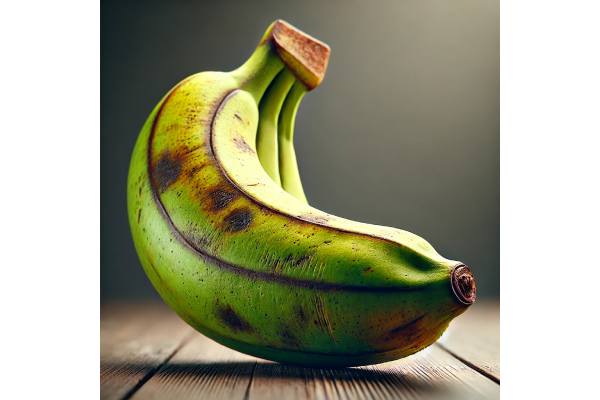
Plantains are the sturdy, savory cousin of dessert bananas—the workhorse starch that anchors meals across West and Central Africa, the Caribbean, and Latin America. Green and firm, they behave like a vegetable with a mild flavor and high starch; as the skin turns yellow and then nearly black, the flesh sweetens and caramelizes. That ripeness swing makes plantain unusually adaptable: you can boil and mash it like potatoes, roast wedges for grain bowls, or crisp slices into tostones, maduros, or chips. Nutritionally, plantain provides complex carbohydrates for steady energy, potassium and vitamin B6 for nerve and muscle function, and small amounts of fiber that rise when you choose greener fruit or cook and cool it to boost resistant starch. It is naturally gluten-free and pairs effortlessly with beans, fish, eggs, or leafy greens. This guide explains plantain’s nutrition per 100 g, evidence-based benefits, cautions (including latex–fruit cross-reactivity and frying pitfalls), and practical steps for selecting, storing, and cooking for great texture and flavor—whether you are making weeknight bowls or celebratory plates.
Essential Insights
- One cup cooked plantain (~150 g) supplies potassium, vitamin B6, and steady carbohydrates for active days.
- Greener plantain offers more resistant starch; very ripe and fried versions are higher in rapidly digestible carbs.
- Typical serving: ½ large fruit or 1 cup cooked (150 g), enjoyed 2–4 times weekly within your total carb goals.
- Safety note: people with latex–fruit syndrome or chronic kidney disease should review portions and preparation.
- Limit deep-fried chips and double-fried tostones; choose boiling, roasting, or air-frying to cut oil uptake.
Table of Contents
- Plantain basics detailed overview
- Plantain nutrition profile per 100 g
- Plantain health benefits evidence based
- Plantain risks allergies and interactions
- Select quality sustainability and store plantain
- Prepare cook and retain plantain nutrients
- Plantain portions comparisons and FAQs
Plantain basics detailed overview
Plantain (Musa spp.) is a starchy banana cultivated in tropical regions and eaten cooked at all ripeness stages. While dessert bananas are bred for sweetness and raw eating, plantains are bred for starch and culinary structure. That difference drives everything you do with them in the kitchen.
Ripeness stages and what they are best for
- Green (unripe): Dense, pale flesh, highest starch and lowest sugar. Best for savory preparations—boiling, steaming, roasting, baking, and the first fry in tostones or patacones. When cooled after cooking, green plantain develops resistant starch, which behaves like fiber in the large intestine.
- Yellow (ripe): Starch partially converted to sugars; slices brown and caramelize faster. Excellent for pan-roasting, baking, or sweet-savory sides.
- Very ripe (speckled to black skin): Soft, sweet, and aromatic. Ideal for maduros (sweet fried slices), quick breads, mashes, and fillings.
Culinary versatility across cuisines
- West and Central Africa: Fried plantain as dodo or aloco, spiced bites like kelewele (ginger, chili), boiled and pounded plantain, and plantain fufu variations.
- Caribbean: Dominican mangú (boiled, mashed green plantain), Puerto Rican mofongo (garlicky mashed fried plantain), Jamaican roasted plantain with fish.
- Latin America: Tostones/patacones (twice-cooked crisp rounds), tacacho (Peru), and sweet maduros alongside rice and beans.
Texture science you can use
- Starch to sugar conversion: Enzymes break long starch chains into sugars as plantain ripens, shifting both taste and glycemic impact.
- Amylose and structure: Higher amylose than dessert bananas helps plantain hold shape during frying or roasting.
- Retrogradation: Cooling cooked green plantain forms resistant starch (RS3). Reheating gently retains much of it, making leftovers a useful strategy for gut-friendly carbs.
Why plantain belongs in a modern kitchen
- Reliable starch for grain-free meals or cultures where cassava and yams are staples.
- Balanced plate partner: pairs with legumes, fish, eggs, and greens; vitamin C–rich sides (cabbage slaw, pepper sauces) support iron absorption from beans.
- Budget and storage friendly: Whole fruit keeps well at room temperature; green plantain stores longer than ripe and tolerates travel.
Whether you want slow-energy meal prep (boil, chill, and sear later) or caramel-edged comfort food (ripe roasted wedges), plantain makes it simple to meet taste and nutrition goals without relying on refined grains.
Plantain nutrition profile per 100 g
Basis: raw plantain, generic. Values are typical averages; variety, ripeness, and preparation cause natural variation.
Macros and Electrolytes (per 100 g)
| Nutrient | Amount | %DV |
|---|---|---|
| Energy | 122 kcal | — |
| Water | 64.9 g | — |
| Carbohydrate | 31.9 g | 12% |
| Dietary fiber | 2.3 g | 8% |
| Total sugars | 15.0 g | — |
| Protein | 1.3 g | 3% |
| Total fat | 0.4 g | 1% |
| Saturated fat | 0.1 g | 0% |
| Sodium | 4 mg | 0% |
| Potassium | 499 mg | 11% |
Vitamins (per 100 g)
| Vitamin | Amount | %DV |
|---|---|---|
| Vitamin B6 (pyridoxine) | 0.30 mg | 18% |
| Vitamin C (ascorbic acid) | 18 mg | 20% |
| Folate (B9, DFE) | 22 µg | 6% |
| Niacin (B3) | 0.6 mg | 4% |
| Thiamin (B1) | 0.05 mg | 4% |
| Riboflavin (B2) | 0.06 mg | 5% |
| Vitamin A (RAE) | 22 µg | 2% |
| Vitamin K | 0.7 µg | 1% |
Minerals (per 100 g)
| Mineral | Amount | %DV |
|---|---|---|
| Magnesium | 37 mg | 9% |
| Copper | 0.12 mg | 13% |
| Manganese | 0.15 mg | 7% |
| Phosphorus | 34 mg | 3% |
| Iron | 0.6 mg | 3% |
| Zinc | 0.14 mg | 1% |
| Calcium | 3 mg | 0% |
Carbohydrates
- Starch predominates in green plantain; sugars rise as it ripens.
- Resistant starch is highest in green fruit and increases after cook–cool cycles (e.g., boiled, chilled, then pan-seared).
- Glycemic context: GI varies by ripeness and method—boiled green plantain tends to a lower glycemic response than fried ripe slices; portion size still drives total impact.
Fats and Fatty Acids
- Naturally very low in fat. Cooking method determines actual fat intake; deep-frying can raise total fat substantially via oil absorption.
Bioactives and Phytonutrients
- Small amounts of carotenoids (lutein, beta-carotene) increase with ripeness.
- Phenolic compounds reside in peel and flesh; culinary relevance is minor compared with staple nutrients.
Allergens and Intolerance Markers
- Latex–fruit cross-reactivity may affect sensitive individuals.
- Some people report GI sensitivity to large portions of ripe fruit; test personal tolerance if following a structured GI plan.
Footnotes:
- %DV based on adult reference values (e.g., potassium 4700 mg, fiber 28 g, vitamin C 90 mg, vitamin B6 1.7 mg, magnesium 420 mg).
- Canned or fried products differ markedly—especially for fat, sodium, and vitamin C (heat- and storage-sensitive).
Plantain health benefits evidence based
1) Steady energy from complex carbohydrates
Green to yellow plantain delivers starch-based carbohydrates with minimal fat and moderate fiber. Compared with refined grains, cooked plantain—especially when cooled and reheated—can provide a slower release of glucose thanks to resistant starch. This makes it a practical base for active days, heavy training blocks, or physically demanding work when you want sustained energy without relying on ultraprocessed snacks.
2) Potassium for blood pressure and muscle function
A typical cup of cooked plantain contributes a meaningful share of potassium, a mineral that helps counterbalance sodium’s effect on blood pressure and supports normal muscle contraction. In real meals, pairing plantain with leafy greens, beans, or fish—themselves rich in potassium—creates a heart-smart plate that fits Mediterranean and DASH-style patterns.
3) Vitamin B6 and C for metabolism and connective tissue
Plantain is a reliable food source of vitamin B6, which participates in amino acid metabolism and neurotransmitter synthesis. You also get vitamin C, a cofactor for collagen formation and an antioxidant that protects lipids and proteins from oxidative stress. Because vitamin C is heat-sensitive, using gentle heat or adding fresh fruit as a garnish on cooked dishes helps keep more of it.
4) Gut support through resistant starch
Cooked and cooled green plantain forms resistant starch (RS3) that escapes digestion in the small intestine and is fermented by gut microbes into short-chain fatty acids such as butyrate. These metabolites help maintain intestinal barrier integrity and a favorable colonic environment. You do not need to eat raw plantain flour to benefit—simple tricks like boiling, cooling, and pan-searing the next day increase RS in everyday meals.
5) Gluten-free, grain-free versatility
For people avoiding gluten or rotating grains, plantain offers structure without wheat. Mashed green plantain forms pliable doughs (think mofongo or tostones “buns”) that hold fillings. Ripe plantain purée can replace a portion of added sugar and refined flour in quick breads, pancakes, or muffins while bringing moisture and caramel notes.
6) Practical performance food
Before long efforts, ripe plantain provides quicker carbohydrates; for recovery and electrolyte balance, pair plantain with salty proteins or brothy stews. If you experience GI distress with high-fiber pre-workout meals, choose yellow to ripe plantain and skip skins and heavy spices right before training.
7) Dietary pattern upgrades
In many households, the “swap” that sticks is replacing sweetened refined side dishes with roasted or boiled plantain plus beans or eggs. Over weeks, that trade reduces added sugars and increases nutrient density while preserving comfort-food pleasure—an underappreciated driver of long-term adherence.
Practical ways to lock in benefits
- Choose green plantain and a cook–cool approach for more resistant starch and gentler glycemic response.
- Combine with protein and healthy fats (beans, fish, eggs, nuts) for satiety and balanced macros.
- Add vitamin C–rich slaws or salsas to enhance iron absorption from plant proteins like beans or lentils served alongside plantain.
Plantain risks allergies and interactions
Allergy and cross-reactivity
True plantain allergy is uncommon but possible. Some individuals with latex–fruit syndrome experience oral itching or more significant reactions to certain fruits, including banana and, less commonly, plantain. Anyone with a history of IgE-mediated reactions to fruit should seek individualized advice, and people with anaphylaxis risk should have and know how to use their emergency medications.
Glycemic considerations
Ripeness and method matter. Ripe and fried plantain delivers more rapidly available sugars and calories than boiled green plantain. If you manage blood glucose, start with ½ large fruit (about 150 g cooked), favor green to yellow fruit, and pair it with protein or fat. Avoid large fruit-only smoothies made with very ripe plantain.
Potassium and renal health
Plantain contributes potassium, which is beneficial for most adults but may require limits in advanced chronic kidney disease or for people on certain medications. If you have potassium restrictions, track intake from all foods and discuss portion sizes with your renal dietitian.
Frying pitfalls
Deep-fried chips and double-fried tostones can absorb significant oil—especially if oil temperature fluctuates or the pan is crowded—raising calories and sometimes oxidized lipid exposure. High-temperature frying of starchy foods can form acrylamide when reducing sugars react with the amino acid asparagine. While occasional indulgence is fine for most people, make frying the exception, not the rule, and prefer baking, air-frying, or pan-searing with moderate oil.
Digestive sensitivities
Large servings of very ripe plantain can bother sensitive stomachs. Green cooked plantain may feel “heavier” if you are not used to resistant starch; build tolerance gradually and chew well. For reflux, roasting and serving with lean proteins and vegetables often feels gentler than eating large fried portions.
Infants and young children
Offer soft-cooked, mashed, or very thin slices; avoid hard, round pieces that pose a choking risk. Skip added salt; flavor with aromatic herbs or a little garlic and onion powder.
Food safety notes
Rinse the peel before cutting to reduce surface-to-flesh transfer. Refrigerate cooked plantain within 2 hours and reheat to steaming hot. Discard leftovers with off-odors or visible spoilage.
Who should limit or avoid?
- People with confirmed fruit allergy or latex–fruit syndrome unless cleared by their clinician.
- Individuals with strict potassium limits.
- Anyone for whom high-fat fried foods exacerbate reflux or cardiometabolic goals.
Select quality sustainability and store plantain
How to choose by ripeness target
- For boiling, mashing, or tostones: pick green, heavy fruit with smooth, firm skins and minimal blemishes.
- For roasting or sautéing: choose yellow plantains with scattered black freckles—sweetness without collapse.
- For maduros and baking: go for very ripe fruit with blackened skins and soft flesh; sweetness and aroma peak here.
Quick checks at the market
- Look: Intact skin without mold around tips or along scars.
- Feel: Even firmness end-to-end; avoid soft flat spots (internal bruising).
- Smell: Neutral to gently sweet; sour or fermented notes signal overripeness for savory uses.
Storage
- Room temperature: Keep whole plantains on the counter. Green fruit holds 5–7 days before yellowing; speed ripening by enclosing in a paper bag.
- Refrigerator: Slows ripening but darkens the peel; the flesh remains usable. Refrigerate only when you want to pause ripening at your ideal stage.
- Freezer: For ripe fruit, peel and slice; freeze on a tray, then store up to 3 months for smoothies or baking. For green fruit, parboil, cool, slice, and freeze for quick weeknight tostones.
Sustainability and waste reduction
- Use the core and ends in broths or to bulk out stews; they soften with longer cooking.
- Plan a ripeness ladder: buy some green and some yellow so you always have the right stage ready.
- Reserve deep-frying oil for limited uses; filter crumbs, avoid overheating, and discard when it darkens or smells off.
Budget and access tips
- Frozen sliced plantain (in some markets) offers consistent quality.
- Canned plantain is rare; if you find it, check the label for added salt or syrups.
- Seasonal gluts? Roast trays of wedges, then cool and freeze to reheat later.
Regional varieties
Common market types include Horn, French, and False Horn plantains; flavor and size vary, but ripeness rules travel well across varieties. In East Africa, matoke (cooking bananas) behave similarly in many recipes; lean on the same maturity cues even if the cultivar name differs.
Prepare cook and retain plantain nutrients
Fundamentals
- Peel smart: For green fruit, trim ends, score the skin lengthwise, and pry off strips with a knife or spoon; for yellow or black fruit, the peel slips off by hand.
- Prevent browning: Oxidation is mild with plantain, but cooking soon after cutting keeps color fresh.
- Salt strategy: Season the water, not just the surface; salting boils brings flavor to the center without heavy fat.
Methods and their nutrition trade-offs
- Boiling/steaming: Preserves structure and keeps fat negligible. Vitamin C is water- and heat-sensitive, but plantain’s contribution is modest; save that C with citrus slaw or peppers on the plate. Cooling after cooking raises resistant starch.
- Roasting: High heat (200–220°C / 400–425°F) caramelizes sugars with minimal oil. Brush slices lightly; flip once for even browning.
- Pan-searing: A thin film of oil in a hot pan creates crisp edges without deep-frying; ideal for yellow slices.
- Air-frying: Crisp with little oil; pre-cook green slices (microwave or boil) for creamy centers and crisp shells.
- Frying: For tostones, par-fry green rounds, flatten, then fry briefly again at steady temperature. Keep oil at 175–185°C (345–365°F); avoid overcrowding to limit oil absorption. For maduros, fry very ripe slices quickly to caramelize without saturating.
Flavor builders that add nutrition
- Aromatics: Garlic, ginger, scallion, and chiles add phytochemicals and dimension.
- Acids: Lime or vinegar brightens sweetness and can help temper greasiness in fried dishes.
- Herbs and seeds: Cilantro, parsley, sesame, or pumpkin seeds bring minerals and healthy fats.
Three template preparations
- Boiled and mashed (savory): Boil green chunks in salted water until tender. Mash with olive oil, garlic, and a splash of broth; fold in sautéed onions and chopped herbs. Serve with beans or grilled fish.
- Sheet-pan roasted wedges: Toss yellow wedges with a teaspoon of oil, paprika, and a pinch of salt. Roast until deeply golden; serve with yogurt sauce and slaw.
- Quick tostones (lighter): Microwave green rounds 3–4 minutes to par-cook. Smash between parchment, brush lightly with oil, and bake or air-fry until crisp; sprinkle with flaky salt.
Retention and safety notes
- Vitamin C: Keep some fresh produce on the plate to complement plantain’s modest C after cooking.
- Oil quality: Use fresh, high-oleic oils; discard oil that smokes, smells bitter, or darkens.
- Leftovers: Cool cooked plantain quickly, refrigerate, and reheat to steaming; the texture stays pleasant, and resistant starch remains significant even after reheating.
Plantain portions comparisons and FAQs
Real-world portions and planning
- Everyday serving: ½ large plantain or 1 cup cooked (≈150 g) suits most adults as the starch on a plate.
- Athletes: Choose ripe plantain closer to training for faster carbs; choose green cooked–cooled with protein and vegetables for recovery meals.
- Glucose-aware: Keep to one serving per meal; pair with beans, eggs, fish, or tofu, and include leafy greens or slaw.
How plantain compares (per typical serving)
- Plantain vs potato: Similar calories when boiled; plantain brings more vitamin B6 and magnesium, potato brings more vitamin C.
- Plantain vs rice (1 cup cooked): Plantain offers fiber and potassium with more chew; rice is lower in potassium and nearly fat-free when plain.
- Plantain vs dessert banana: Plantain has more starch and structure when green; dessert bananas are sweeter and designed for raw eating.
Frequently asked questions
Can I eat plantain raw?
Technically yes, but green plantain is chalky and hard to digest raw; flavor and digestibility improve with cooking. Very ripe plantain is soft and sweet raw, though most recipes still cook it for texture and caramelization.
Is the black skin a bad sign?
Not for ripe recipes. Blackened peel usually means the flesh is sweet and custardy—perfect for maduros or baking. Check for off-odors or mushy, leaking areas to rule out spoilage.
Will boiling remove too many nutrients?
Plantain is not a vitamin C powerhouse to begin with. The biggest nutrition wins come from method and pairing (e.g., boiling or roasting instead of deep-frying; serving with beans or greens). Save frying for special occasions.
Does plantain fit a low-FODMAP plan?
Tolerances vary. Many people do better with small portions of green, cooked plantain than with large servings of very ripe fruit. Start small and assess your response.
How can I cut oil when I crave tostones?
Par-cook (microwave or boil), then smash and air-fry with a light brush of oil. Keep pieces in one layer, and salt immediately after cooking.
Any food safety concerns with leftovers?
Cool quickly, store airtight in the refrigerator, and reheat thoroughly. Leftover plantain often tastes better the next day when pan-seared—plus you keep more resistant starch.
References
- Plantains, raw 2019
- International tables of glycemic index and glycemic load values 2021: a systematic review 2021 (Systematic Review)
- EAACI guidelines on the diagnosis of IgE-mediated food allergy 2023 (Guideline)
- Acrylamide Questions and Answers 2023 (Government Resource)
Medical disclaimer
This article is for general education and is not a substitute for personalized medical advice, diagnosis, or treatment. Discuss your nutrition choices and portion sizes with a qualified healthcare professional—especially if you live with diabetes, chronic kidney disease, food allergies, or gastrointestinal conditions. Seek urgent care for severe allergic reactions, persistent vomiting, or signs of dehydration.
If this guide was useful, please consider sharing it on Facebook, X (formerly Twitter), or any platform you prefer. Your support helps us continue producing balanced, evidence-informed nutrition content.