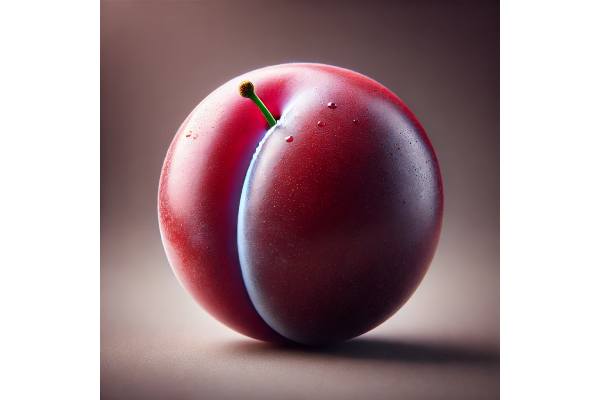
Plums are small stone fruits with outsized range. From crisp, tart skins to honeyed centers, they run the spectrum from bright red and gold to dusky purple with a natural waxy “bloom.” That diversity makes plums easy to love in both sweet and savory dishes: sliced into salads, roasted with chicken, simmered into quick compotes, or eaten fresh and cold. Nutritionally, they offer hydration, modest calories, and useful amounts of vitamin C, vitamin K, potassium, and copper—plus polyphenols concentrated in the peel. Compared with many desserts, a couple of ripe plums deliver satisfying sweetness with relatively low glycemic load. If you are curious about the famous laxative reputation of prunes, fresh plums are gentler, though they still contain natural sorbitol that supports regularity for some people. This guide gives a clear view of plum varieties and ripeness, a detailed per-100-gram nutrition profile, evidence-based benefits, risks and allergy notes (including pits and sulfites in some dried products), smart purchasing and storage, and cooking tips that help you keep more color, flavor, and nutrients.
Quick Overview
- One serving (2 small plums, ~150 g) provides vitamin C, vitamin K, potassium, and hydration with ~70 kcal.
- Pigmented peels carry anthocyanins and phenolic acids; eating the skin increases polyphenol intake.
- Typical intake: 1–2 servings (150–300 g) a few times weekly, adjusted to your carbohydrate goals.
- Safety note: avoid chewing pits; individuals with stone-fruit allergy or sulfite sensitivity should choose carefully.
- People with irritable bowels, chronic kidney disease, or strict low-FODMAP stages may need smaller portions.
Table of Contents
- Plum basics detailed overview
- Plum nutrition profile
- Evidence-based benefits of plums
- Risks, allergies and interactions
- Selecting quality, sustainability and storage
- Preparation, cooking and nutrient retention
- Portions, comparisons and FAQs
Plum basics detailed overview
Plums belong to the Prunus genus, the same family as peaches, apricots, cherries, and almonds. You will most often see two broad groups in markets:
- European plums (Prunus domestica): oval and usually blue-purple (think Italian prune plum). Their firm texture holds shape in baking and roasting, and the pit often separates cleanly (“freestone”).
- Japanese plums (Prunus salicina): rounder, juicier, and more aromatic with red, black, or yellow skins. These are common in summer produce bins and shine when eaten fresh or quickly cooked to jammy sauces.
Flavor and ripeness cues. Plums ripen off the tree. A good one feels heavy for its size and yields slightly to gentle pressure at the shoulders. The natural whitish bloom on the skin protects moisture and signals freshness; it rinses off easily. Color alone is not enough—some varieties remain red-skinned even when unripe. Smell for a fragrant, honey-like aroma near the stem and check for slight give. For baking or poaching, choose plums that are just tender; for eating out of hand, select fully aromatic fruit and chill briefly.
Peel vs flesh. Much of a plum’s color and phytonutrient content concentrates in the skin. Anthocyanins (the pigments behind red and purple hues) and phenolic acids (such as chlorogenic and neochlorogenic acid) live mostly in and just under the peel. Keeping the skin on raises total polyphenols and fiber, while peeling softens tannins if you prefer a gentler taste.
Fresh plums vs prunes (dried plums). Prunes are simply dehydrated plums, typically from European “prune-type” cultivars that dry well. Drying concentrates sugars and fiber (and sorbitol), which partly explains the classic digestive effects. Fresh plums are lighter, juicier, and lower in total sugars per bite, with a milder laxative effect and a crisper texture.
Culinary range.
- Fresh: sliced over yogurt, tucked into spinach salads with goat cheese, or eaten plain with nuts.
- Savory: roasted with chicken or pork, grilled and tossed with grains and herbs, or reduced into pan sauces.
- Sweet: cobblers, galettes, clafoutis, compotes, and quick chia “jams” that preserve the bright tartness.
- Fermented and preserved: plum vinegars and umeboshi-style condiments (specific species and methods) offer concentrated acidity and salt; use sparingly.
Why plums are practical. They travel well, portion easily (two fruits is a natural “handful”), and fit many dietary patterns—from Mediterranean to flexitarian to gluten-free baking—without excessive calories or complicated prep. If you maintain blood sugar targets, plums have low glycemic load per typical serving, especially when paired with protein or yogurt.
Plum nutrition profile
Basis: raw plum, per 100 g edible portion. Values are representative averages; exact amounts vary by variety and ripeness. %DV uses adult Daily Values (potassium 4700 mg; vitamin C 90 mg; vitamin K 120 µg; vitamin A 900 µg RAE; copper 0.9 mg; magnesium 420 mg; iron 18 mg; calcium 1300 mg; fiber 28 g; protein 50 g), rounded for readability.
Macros and electrolytes (per 100 g)
| Nutrient | Amount | %DV |
|---|---|---|
| Energy | 46 kcal | — |
| Water | 87.0 g | — |
| Carbohydrate | 11.4 g | 4% |
| Dietary fiber | 1.4 g | 5% |
| Total sugars | 9.9 g | — |
| Starch | 0.1 g | — |
| Protein | 0.7 g | 1% |
| Total fat | 0.3 g | 0% |
| Saturated fat | 0.02 g | 0% |
| Potassium | 157 mg | 3% |
| Sodium | 0 mg | 0% |
Vitamins (per 100 g)
| Vitamin | Amount | %DV |
|---|---|---|
| Vitamin C (ascorbic acid) | 9.5 mg | 11% |
| Vitamin K (phylloquinone) | 6.4 µg | 5% |
| Vitamin A (RAE) | 17 µg | 2% |
| Vitamin E (alpha-tocopherol) | 0.3 mg | 2% |
| Vitamin B6 (pyridoxine) | 0.03 mg | 2% |
| Folate (DFE) | 5 µg | 1% |
| Niacin (B3) | 0.4 mg | 3% |
| Thiamin (B1) | 0.03 mg | 3% |
| Riboflavin (B2) | 0.03 mg | 2% |
Minerals (per 100 g)
| Mineral | Amount | %DV |
|---|---|---|
| Copper | 0.06 mg | 7% |
| Magnesium | 7 mg | 2% |
| Manganese | 0.05 mg | 2% |
| Phosphorus | 16 mg | 1% |
| Iron | 0.2 mg | 1% |
| Calcium | 6 mg | 0% |
| Zinc | 0.1 mg | 1% |
Carbohydrates and glycemic context
- Plums are low in starch and moderate in sugars with low glycemic load per typical serving.
- One medium plum (~66 g) contains about 7–8 g carbohydrate; glycemic load typically falls around 2–3.
- Ripeness raises sugar concentration; pairing plums with protein (yogurt, nuts, cheese) further blunts post-meal glucose rise.
Bioactives/phytonutrients
- Pigmented varieties supply anthocyanins (e.g., cyanidin-3-glucoside) and phenolic acids (chlorogenic and neochlorogenic acids), especially in the peel.
- These compounds contribute to antioxidant capacity and the attractive color gradients from skin to center.
Allergens & intolerance markers
- Plums are part of the stone-fruit family; individuals with pollen-food allergy syndromes (e.g., birch-related oral itching) may react, most often to the peel.
- Natural sorbitol occurs in fresh plums (much less than in prunes) and can cause GI discomfort at higher intakes in sensitive people.
Contaminants/residues
- As with most produce, wash under running water before cutting to reduce surface residues and microbes.
- The pit (kernel) contains amygdalin; do not crush or chew pits, and keep them away from children and pets.
Notes: Dried plums (prunes) differ substantially—higher calories and fiber per 100 g, meaningful sorbitol, and altered vitamin C (heat-sensitive). Label-added preservatives vary by brand.
Evidence-based benefits of plums
1) Hydration and light energy for smart snacking.
With ~87% water and only ~46 kcal per 100 g, plums refresh without heavy calories. Their natural balance of water and sugars helps bridge the gap between meals, especially in hot weather or after light activity. Compared with many packaged snacks, two plums (about 150 g) deliver sweetness with a modest carbohydrate dose and zero sodium.
2) Everyday vitamins and minerals that add up.
Plums provide vitamin C for collagen synthesis and antioxidant protection, vitamin K for normal blood clotting and bone processes, and potassium that offsets sodium’s effect on blood pressure. You also get copper for connective tissue and iron metabolism, plus a little magnesium. On their own, these are modest amounts; consistently choosing fruit across the week is what builds meaningful intake.
3) Polyphenol-rich peels that support a balanced diet.
The peel concentrates anthocyanins and phenolic acids that scavenge reactive species and may help maintain a favorable oxidative balance. While no single fruit “cures” anything, including colorful fruits like plums is a simple way to raise polyphenol diversity—an attribute associated with resilient dietary patterns such as Mediterranean eating.
4) Gentle digestive support.
Fresh plums contain fiber and sorbitol—a sugar alcohol that can draw water into the colon—at levels lower than prunes but still noticeable for some people. This combination can help maintain regularity when paired with adequate fluids and activity. If you are sensitive to FODMAPs, start with ½–1 fruit and assess comfort.
5) Bone-health link via dried plums.
Although this guide focuses on fresh plums, research on prunes (dried plums) is relevant: consistent intake has been shown to preserve bone mineral density in postmenopausal women at practical doses. If you enjoy both forms, alternating fresh plums with small portions of prunes is a way to combine hydration with fiber density across the week.
6) Better swaps that reduce added sugars.
Plum slices bring bright acidity and perfume to yogurt, cottage cheese, and grain bowls, displacing syrups or ultra-sweet toppings. Roasted plums can replace part of the added sugar in desserts by contributing natural sweetness and body, especially in crisps and galettes.
7) Glycemic friendliness in context.
Fruits are not interchangeable in their post-meal effects. Plums typically produce a low glycemic load when eaten in standard portions. That makes them a smart fruit choice for people targeting steadier glucose, particularly when combined with protein or fat in a balanced snack (e.g., plums, nuts, and plain yogurt).
Practical ways to capture the benefits
- Eat the skin when possible for more color and polyphenols.
- Pair with protein (yogurt, ricotta, tofu) to slow digestion and improve satiety.
- Use roasted or poached plums as naturally sweet elements in savory dishes to reduce added sugars elsewhere.
- Choose ripe but not mushy fruit for fresh eating; choose slightly firmer fruit for roasting and baking.
Risks, allergies and interactions
Allergy and cross-reactivity.
Plums are stone fruits and can trigger oral allergy syndrome in individuals sensitized to certain pollens (notably birch). Symptoms include mouth or throat itch and mild swelling, usually after raw fruit. These proteins can be heat-labile, so cooked plums may be tolerated when raw are not. In contrast, lipid transfer protein–mediated reactions (more often described with peach) tend to be heat-stable and can be more serious; anyone with systemic symptoms (hives, wheeze, vomiting, dizziness) needs personalized medical advice and an emergency plan.
Sorbitol and digestive comfort.
Plums contain sorbitol, a fermentable carbohydrate that may cause bloating or diarrhea at higher intakes in susceptible people (including those in strict low-FODMAP phases). Start with ½–1 fruit and space servings through the day. Prunes contain considerably more sorbitol than fresh plums; adjust portions accordingly.
Cyanogenic compounds in pits.
Plum pits (kernels) contain amygdalin, which can release cyanide when crushed and metabolized. Do not chew or crack pits, and keep them out of reach of children and pets. Accidental swallowing of an intact pit typically passes without issue but may pose a choking risk.
Added sulfites in some dried fruits.
While many prunes are unsulfited, some dried fruits may contain sulfites as color preservatives. Individuals with sulfite sensitivity (or asthma exacerbated by sulfites) should read labels and choose unsulfited products.
Potassium considerations.
Each serving contributes potassium—useful for most people but important to track if you live with chronic kidney disease or take medications that affect potassium handling. Your renal dietitian can tailor safe portions.
Medication interactions and general cautions.
- High-fiber or high-sorbitol foods may alter the absorption of some medications when taken simultaneously. Separate doses by a couple of hours if advised by your clinician or pharmacist.
- For diabetes or gestational diabetes, prefer modest portions (1–2 fruits) and combine with protein or fat. Monitor personal responses.
Food safety.
Rinse plums under running water before cutting. Refrigerate cut fruit promptly, and use within 2–3 days for best flavor. Discard fruit with mold, off-odors, or fermenting leakage.
Who should limit or avoid?
- Anyone with confirmed stone-fruit allergy, unless specifically cleared by an allergist.
- People with sulfite sensitivity when considering certain dried fruit products.
- Those on potassium-restricted diets should plan portions with their clinician.
Selecting quality, sustainability and storage
How to choose great plums
- Look for bloom: a whitish natural coating that signals minimal handling and helps retain moisture.
- Color cues: each variety has its own palette; rely on aroma and a slight give near the stem more than color alone.
- Weight test: choose fruits that feel heavy for their size—a sign of juiciness.
- Avoid: splits, oozing sap, and deep punctures (fast spoilage pathways).
Ripening strategy
- Plums ripen at room temperature. To speed things up, place them in a paper bag with an ethylene-producing fruit (e.g., banana).
- Once ripe and aromatic, refrigerate to hold peak condition for 3–5 days. Bring to room temperature before eating to restore flavor.
Storage that reduces waste
- Store unwashed plums on the counter. Rinse just before eating to avoid moisture-related spoilage.
- If many ripen at once, slice and freeze on a tray, then bag for up to 6 months. Use in smoothies, sauces, or baking.
- Turn borderline fruit into roasted compote (no- or low-added sugar) to rescue quality and extend use.
Sustainability tips
- Buy in season from regional growers when possible to minimize transport emissions and support biodiversity of cultivars.
- Keep a ripeness ladder at home: a mix of firmer and softer fruit reduces last-minute waste.
- Use the whole edible portion: pits for non-culinary crafts or compost (never for eating), peels left on for nutrients.
Budget-friendly ideas
- Late-season bins often discount slightly soft fruit—perfect for jam, compotes, and baking.
- Frozen plum pieces (if available) are cost-stable and reduce prep time.
- Shelf-stable prunes complement fresh plums: a small bag lasts weeks for occasional use in oatmeal or braises.
Varieties worth knowing
- Black or red Japanese plums: juicy, great fresh and for quick roasts.
- Yellow plums (e.g., Mirabelle in some regions): delicate, floral flavor, superb for jams.
- Italian prune plums: oval, firm, freestone; excellent for tarts and dehydrating.
Food safety and handling
- Separate damaged fruits from the pile to avoid “one bad plum spoiling the bunch.”
- Keep cut fruit below 5°C (41°F) and consume soon after cutting to maintain vitamin C and texture.
Preparation, cooking and nutrient retention
Prep basics
- Rinse briefly under running water.
- Pit by slicing along the seam, twisting halves apart, then lifting the stone. With clingstone varieties, cut around the pit in wedges.
- Keep the peel for color, texture, and polyphenols unless a recipe specifically benefits from peeling.
Cooking methods and trade-offs
- Fresh/raw: maximal vitamin C and crisp texture; pair with protein (yogurt, ricotta, cottage cheese) and nuts for balanced snacks.
- Roasting: halves or wedges at 200–220°C (400–425°F) concentrate flavor with minimal added sugar. A small brush of oil and a pinch of salt deepen caramel notes.
- Poaching: simmer in lightly sweetened or spiced liquid until just tender; reserve the syrup as a sauce. Poaching preserves shape and is gentle on delicate varieties.
- Sautéing: quick high-heat slices with butter or olive oil for pancakes, oats, or savory sauces.
- Grilling: halved plums caramelize nicely; grill cut-side down to mark, then flip briefly.
- Microwave stewing: a fast, low-mess path to compote, useful for meal prep.
Retention pointers
- Vitamin C is heat-sensitive and water-soluble; brief cooking and minimal liquid help preserve it. Serve cooked plums with a fresh vitamin C–rich side (e.g., citrus zest, berries, or a crunchy cabbage slaw) to balance the plate.
- Polyphenols like anthocyanins can degrade with prolonged high heat. Favor short cook times, avoid overcooking, and keep peels on for more retention.
- Sugar swaps: roast or stew plums to concentrate natural sweetness; then reduce added sugars in crumbles or sauces. A small amount of acid (lemon juice, vinegar) heightens perceived sweetness without more sugar.
Flavor builders that add nutrition
- Warm spices (cinnamon, star anise, cardamom) and ginger complement plums while adding antioxidant-rich compounds.
- Herbs (thyme, mint, basil) make savory dishes brighter.
- Seeds and nuts (pistachio, almond, walnut) contribute magnesium and healthy fats for better satiety.
Three adaptable templates
- Sheet-pan roasted plums: Halve, pit, toss with a teaspoon of oil, a pinch of salt, and lemon zest; roast till edges caramelize. Serve with strained yogurt and toasted nuts.
- Skillet plum sauce (savory): Sauté shallot, add sliced plums and a splash of broth and vinegar; simmer to a glaze for chicken, tofu, or tempeh.
- Chia-set compote: Simmer chopped plums with a little water, lemon, and spice; sweeten lightly if needed and stir in chia. Spoon over oats or pancakes.
Leftovers and safety
- Cool cooked fruit quickly; store airtight ≤3 days.
- Reheat to steaming for sauces or enjoy cold in parfaits and salads.
- Freeze compotes in small jars to reduce waste and allow quick thawing.
Portions, comparisons and FAQs
How much is a serving?
A practical serving is 2 small plums (about 150 g) or 1 large fruit, fitting well as the carbohydrate component of a snack or dessert. For children, ½–1 small fruit is often appropriate.
Who benefits most from plums?
- Active adults looking for light, hydrating carbs around low-to-moderate activity.
- People building balanced plates who want color and freshness without heavy syrups.
- Those seeking variety among fruits with lower glycemic loads.
Plums vs prunes (dried plums).
Prunes are concentrated: more fiber and sorbitol per bite, higher calories, and no vitamin C to speak of after drying. They are useful in small amounts (think 30–50 g) for regularity or to enrich oatmeal and braises. Fresh plums, in contrast, are lighter, refreshing, and easier to eat in larger volumes without overwhelming sugar or GI discomfort.
Plums vs peaches and apricots.
Plums generally offer more anthocyanins (in dark-skinned varieties) and a sharper sweet-tart profile. Peaches tend to be juicier with more aroma; apricots are smaller with intense flavor and often higher provitamin A carotenoids.
Plums and blood sugar.
Standard servings have low glycemic load. Combine with protein (yogurt, nuts, cheese) for even steadier responses. If you monitor glucose, test personal patterns as ripeness and pairing matter.
Can I eat the skin?
Yes, and it is nutritionally advantageous for polyphenols and fiber. If peel texture bothers you, try quick cooking to soften tannins or slice very thin.
Are pits dangerous?
Do not chew, crush, or process pits. The kernel contains amygdalin, which can release cyanide when broken down. Intact pits are primarily a choking hazard; discard them promptly.
Sulfites and dried fruit.
Some dried fruit products use sulfites to preserve color. If sulfites trigger symptoms for you, choose unsulfited labels and track tolerance.
Practical weekly plan
- Breakfast: yogurt, roasted plums, pumpkin seeds.
- Lunch: spinach, lentils, goat cheese, sliced plums, olive oil, and vinegar.
- Dinner: seared tofu with skillet plum-ginger sauce and brown rice.
- Snack: one or two fresh plums with a few almonds.
Bottom line.
Plums are a versatile, colorful way to add hydration, fiber, and distinctive phytonutrients to meals and snacks. Thoughtful prep—keeping skins on, short cooking, smart pairings—makes them as practical as they are delicious.
References
- FoodData Central 2025
- International tables of glycemic index and glycemic load values 2021: a systematic review 2021 (Systematic Review)
- EAACI guidelines on the management of IgE-mediated food allergy 2025 (Guideline)
- Natural Toxins in Food 2024 (Government Resource)
- Prunes preserve hip bone mineral density in a 12-month randomized controlled trial in postmenopausal women 2022 (RCT)
Medical disclaimer
This guide is educational and does not replace personalized medical advice, diagnosis, or treatment. Always consult your healthcare professional—especially if you manage diabetes, kidney disease, food allergies, gastrointestinal disorders, or need individualized nutrition guidance. Seek urgent care for severe allergic reactions, breathing difficulty, fainting, or signs of poisoning.
If you found this article helpful, please consider sharing it on Facebook, X (formerly Twitter), or any platform you prefer. Your thoughtful shares help us continue producing accurate, reader-focused nutrition content.