Poblano chiles occupy a special place in Mexican cooking and in many modern home kitchens. Mild in heat but bold in flavor, they bring gentle warmth, earthy depth, and a subtle fruitiness that works just as well in slow braises as it does in fresh salsas. When dried, poblanos become ancho chiles, a staple of rich sauces such as mole. When roasted and peeled, they are the star of famous dishes like chiles rellenos.
From a nutrition perspective, poblano chiles are low in calories yet rich in vitamin C, fiber, and several other micronutrients. Their moderate capsaicin content is much lower than that of very hot peppers, which makes them more comfortable for many people while still contributing beneficial plant compounds. At the same time, preparation methods and portion sizes influence how “healthy” a poblano dish is in practice. This guide covers what poblano chiles are, their nutrition profile, potential health effects, safety considerations, and practical ways to buy, cook, and enjoy them.
Poblano Nutrition Snapshot
- One cup (about 150 g) of raw poblano chile provides roughly 30 calories, around 2–3 g of fiber, and more than a full day’s vitamin C for most adults.
- Regularly including poblanos in meals can improve overall vegetable intake and add carotenoids and other antioxidants with very little sodium or fat.
- A practical serving is about 1 medium poblano (70–100 g) several times per week, especially when used in place of higher-calorie or heavily processed ingredients.
- People with reflux, chronic gastritis, or irritable bowel syndromes may still experience symptoms from roasted or spicy poblano dishes and should adjust intake to their comfort.
- Individuals with a history of chili or nightshade allergy, or who are on strict low-potassium diets, should discuss regular poblano use with a healthcare professional.
Table of Contents
- Poblano chile culinary background
- Poblano chile nutrition and compounds
- Poblano chile health benefits
- Poblano chile risks and sensitivities
- Selecting and storing poblano chiles
- Cooking poblano chiles for nutrients
- Poblano chile portions and FAQs
Poblano chile culinary background
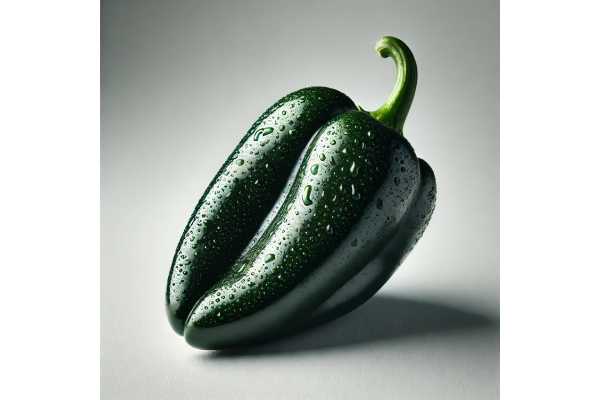
Poblano chiles are a variety of Capsicum annuum, the same species that includes bell peppers, jalapeños, and many other familiar types. Poblanos are medium-sized, typically 10–15 cm long, with a broad, heart-like shape and deep green color when unripe. As they mature, they turn darker and eventually red-brown; fully ripened and dried, they are known as ancho chiles, one of the foundational ingredients in classic Mexican sauces.
The chile takes its name from Puebla, a central Mexican state where it plays an important role in regional cuisine. It appears in iconic dishes such as chiles en nogada (stuffed poblanos with walnut sauce and pomegranate) and various styles of chiles rellenos, where roasted peppers are filled with cheese, meat, or beans and then baked or fried. Its relatively mild heat allows it to be used in generous quantities without overwhelming a dish, which is one reason it is favored in recipes that highlight the flavor and texture of the pepper itself.
In terms of heat, poblano chiles usually fall between about 1,000 and 2,000 Scoville Heat Units, although there is natural variation. This places them above bell peppers (which have essentially no measurable heat) but well below jalapeños and far below chilies like serrano or habanero. Many people describe poblanos as “mildly spicy” or even “barely spicy,” especially after roasting and peeling, processes that can soften perceived heat.
Culinary uses are diverse. Fresh poblanos are often:
- Roasted over an open flame or under a broiler until charred, then peeled and used in strips or stuffed
- Diced into soups, stews, and chili to add flavor with gentle heat
- Sautéed with onions and aromatics as a base for egg dishes, grains, or beans
- Blended into creamy green sauces and salsas with tomatillos, cilantro, and garlic
Ancho chiles, the dried form, are soaked and blended into complex sauces with layers of sweetness, smokiness, and mild heat. Many households keep both fresh poblanos and dried anchos in their pantry, using them interchangeably in some contexts and together in others to create depth of flavor.
Because poblanos are relatively large and have a thick wall, they contribute a satisfying bite and visual presence on the plate. This makes them particularly helpful when designing meals that emphasize vegetables as the central focus, rather than as a side. Stuffed poblanos, for example, can serve as a main course built around beans, grains, and vegetables with a modest amount of cheese or meat, offering a nutritionally balanced, high-fiber meal that still feels hearty.
Poblano chile nutrition and compounds
Poblano chiles are low in calories yet comparatively rich in certain vitamins and plant compounds. A commonly cited reference portion is 1 cup (about 150 g) of raw poblano, which provides roughly 30 calories, about 1 g of protein, less than 1 g of fat, and around 7 g of carbohydrates, including roughly 2.5 g of fiber. This makes poblanos a very low energy-density food that can add volume and texture to meals without significantly increasing caloric intake.
Micronutrient-wise, poblanos stand out for their vitamin C content: a cup of raw poblano can deliver more than the daily value for most adults. Vitamin C supports immune function, collagen formation, and antioxidant defenses. Poblanos also contribute smaller amounts of vitamin A (mostly as beta-carotene), some B vitamins such as riboflavin and vitamin B6, and minerals such as potassium and iron. While the absolute quantities of these nutrients may not be high compared with supplements, they contribute meaningfully as part of an overall pattern rich in vegetables and fruits.
Like other Capsicum annuum varieties, poblano chiles contain capsaicin, though at much lower concentrations than very hot chilies. Capsaicin is the compound responsible for the sensation of heat. Even in mild peppers, it still plays a role in taste and may provide subtle physiological effects. In poblanos, the capsaicin level is low enough that many people can enjoy them without the intense burning associated with hotter varieties, yet high enough to add a gentle warmth that can support the flavors of a dish.
Poblanos also contain a range of carotenoids and polyphenols. The green color of unripe poblanos reflects chlorophyll and certain carotenoids; as the pepper ripens and turns red, levels of pigments such as beta-carotene and capsanthin rise. These compounds act as antioxidants in experimental systems, helping to neutralize free radicals and protect cell structures from oxidative damage. When dried into ancho chiles, the concentration of these pigments changes again, and the dried form can be particularly rich in certain carotenoids.
Dietary fiber is another relevant component. With about 2–3 g of fiber per cup, poblanos can contribute to daily fiber goals when used generously. Fiber supports digestive health, helps regulate bowel movements, and can assist in moderating post-meal blood sugar rises when consumed as part of a balanced meal containing other fiber sources.
Sodium content in fresh poblanos is naturally very low, and they contain no cholesterol. This means that the health impact of poblano-based dishes depends largely on what else is included. A roasted poblano stuffed with beans, brown rice, vegetables, and a moderate amount of cheese will differ substantially in nutrition from a poblano stuffed with processed meats and large amounts of high-fat cheese.
In summary, poblanos offer a favorable mix of low calories, useful fiber, high vitamin C, modest potassium and iron, and mild capsaicin and carotenoid content. They are not a singular superfood, but they fit very well into a nutrient-dense, plant-forward eating pattern.
Poblano chile health benefits
The potential health benefits of poblano chiles arise from both their specific nutrient content and their membership in the broader chili pepper family. Much of the research on chili-related health effects does not focus on poblanos specifically but on Capsicum species and capsaicin intake in general. Still, these findings can help inform how we think about poblano’s role in a healthy diet.
Large observational studies from various regions have examined associations between spicy food consumption and long-term health outcomes. When data from these cohorts are combined in meta-analyses, they often show a modest reduction in all-cause and cardiovascular mortality among people who regularly consume chili-containing foods compared with those who rarely eat them. These associations suggest that including chili peppers in meals several times per week can be compatible with, and may slightly support, cardiovascular and metabolic health when other lifestyle factors are favorable.
Reviews that summarize clinical and experimental research on capsaicin and Capsicum fruits describe several mechanisms that may contribute to these observations. Capsaicin appears to:
- Slightly increase energy expenditure and fat oxidation for a short period after eating
- Influence appetite and satiety signals, sometimes reducing subsequent calorie intake in controlled settings
- Modulate lipid metabolism, with some trials suggesting small improvements in cholesterol and triglyceride levels
- Interact with the gut microbiome and inflammatory pathways in ways that might support metabolic health
Because poblano chiles are relatively mild, a single serving does not deliver as much capsaicin as hotter chilies. However, they can be eaten in larger quantities, and their use often encourages higher overall vegetable intake. For example, a stew rich in poblanos, tomatoes, beans, and whole grains delivers a matrix of fiber, vitamins, minerals, and phytochemicals that together influence blood sugar control, blood lipids, and weight management more powerfully than the chile alone.
Vitamin C, abundant in raw poblanos, supports immune function and helps protect against oxidative stress. Higher habitual intake of vitamin C–rich fruits and vegetables has been associated with better cardiovascular health and lower risk of some chronic diseases, though these relationships reflect overall dietary patterns rather than any single ingredient. The fiber in poblanos adds to total daily fiber intake, which is linked with improved digestive health, more stable blood sugar, and modest reductions in cholesterol over time.
Another angle is culinary. Poblanos make it easier to construct meals that are satisfying but not overly rich. Their flavor and mild heat allow cooks to:
- Rely less on processed meats or heavy cream-based sauces
- Highlight beans, lentils, and whole grains as central components of a meal
- Use modest amounts of cheese or meat for flavor rather than as the bulk of the dish
This shift in meal structure—from meat-centered to vegetable-centered plates—aligns with many eating patterns associated with lower risk of chronic disease.
It is important to keep expectations realistic. Poblano chiles, by themselves, are not medicines and cannot counteract the effects of an otherwise unbalanced diet or sedentary lifestyle. Their benefits are most meaningful when they help you enjoy high-quality, plant-rich meals more often, making “healthy” choices feel satisfying and sustainable rather than restrictive.
Poblano chile risks and sensitivities
Although poblanos are milder than many other chilies, they are not completely risk free. Most concerns center on digestive comfort, individual sensitivities, and the way poblano-containing dishes are prepared.
Capsaicin, even at modest levels, can irritate the mucosal lining of the mouth, esophagus, and stomach in some individuals. People with gastroesophageal reflux disease, functional dyspepsia, peptic ulcers, or certain types of irritable bowel syndrome often report that spicy foods worsen burning, pain, or bloating. Clinical studies examining chili ingestion in people with reflux conditions suggest that capsaicin can intensify sensations of heartburn and reduce the time it takes for symptoms to peak after a meal, even though it does not necessarily change acid exposure or gastric emptying. For sensitive individuals, this can make already uncomfortable symptoms more intrusive.
Poblano dishes can also involve other triggers. Many popular recipes feature frying, creamy sauces, or large amounts of cheese, all of which can add fat and may slow gastric emptying or worsen reflux in some people. In such cases, it can be difficult to disentangle the effects of the chile itself from the rest of the dish. For someone with digestive issues, a simpler preparation—such as roasted poblanos in a broth-based soup—may be more tolerable than heavily fried or cream-laden versions.
Allergic reactions to poblano chiles are relatively uncommon but possible. Poblanos are part of the nightshade family, which also includes tomatoes, potatoes, and eggplants. Some individuals report adverse reactions to nightshades as a group, though true immunologically mediated allergies are less frequent than nonspecific intolerance or symptom associations. Potential allergic symptoms can include oral itching, swelling of lips or tongue, hives, wheezing, or, in rare cases, more severe reactions. Anyone who has experienced such symptoms after eating peppers or other nightshades should seek evaluation from a qualified allergy professional.
Another aspect to consider is contact irritation. Handling poblano chiles, especially when cutting and removing seeds, can transfer capsaicin to the skin and eyes. While poblanos are milder than many chilies, they can still cause burning if juice or residue enters the eyes, nose, or small skin cuts. Wearing gloves when handling large amounts, avoiding touching the face, and washing hands and cutting surfaces thoroughly are simple, effective precautions.
For people taking multiple medications or managing serious chronic conditions, culinary amounts of poblano chiles are unlikely to cause direct drug interactions. However, in individuals with unstable heart disease, severe reflux, or certain motility disorders, uncomfortable symptoms or stress responses provoked by spicy meals could complicate symptom monitoring. As with any significant dietary change, it is wise for such individuals to mention their use of spicy foods when discussing symptom patterns with their healthcare team.
Children can usually tolerate mild poblano dishes more easily than very hot chilies, but their sensitivity varies. Whole poblanos should be cut into age-appropriate pieces to avoid choking risk, and very spicy fillings or sauces should be used cautiously.
Overall, poblanos are safe for most people when eaten in moderate amounts as part of balanced meals. Those with known digestive, allergy, or chronic health concerns should tailor their intake to personal tolerance and professional guidance.
Selecting and storing poblano chiles
Choosing good-quality poblano chiles improves both flavor and nutritional value. In markets, fresh poblanos should have smooth, glossy skin with a deep green color and minimal blemishes. The pepper should feel firm and heavy for its size, with no soft spots, shriveling, or mold. Some natural variation in shape and minor surface marks is normal, especially in peppers grown with fewer cosmetic interventions, but large bruises or areas of collapse suggest internal spoilage.
Occasionally, you may find poblanos that are partially red or fully ripened. These can be sweeter and slightly more aromatic than green ones, and they are perfectly safe to use, though their appearance in certain traditional dishes may differ from expectations. When buying poblanos for stuffing, look for ones with broad, even walls and enough cavity space to hold fillings.
Dried poblano chiles, sold as anchos, should be pliable rather than brittle, with a deep reddish-brown color and a pronounced aroma when you open the package. Anchos that are very dusty, faded, or hard as wood are likely old and will contribute less flavor and fewer active pigments to your cooking.
Once at home, fresh poblanos should be stored in the refrigerator, ideally in the crisper drawer. Placing them in a breathable bag or loose produce sack helps maintain humidity without trapping excess moisture, which can accelerate spoilage. Under these conditions, they often keep for about one week, sometimes longer. Inspect them regularly and use any that show early signs of softening first.
If you know you will not use poblanos within a week, roasting and freezing is an effective preservation strategy. To do this, roast the peppers, peel off the charred skins, remove seeds if desired, let them cool, then lay them flat on a tray to freeze. Once frozen, transfer them to an airtight container or freezer bag. Frozen roasted poblanos work very well in soups, sauces, and casseroles, and they retain much of their flavor and many of their nutrients, though texture becomes softer.
Dried anchos should be kept in airtight containers in a cool, dark cupboard away from heat sources. Light, warmth, and oxygen gradually degrade the aromatic compounds and carotenoids in the skins. If you live in a humid or insect-prone environment, storing anchos in well-sealed jars or even in the freezer can help prevent infestation and mold. Always discard any dried chiles that develop visible mold or a musty smell.
From a sustainability standpoint, poblanos are relatively resource-efficient compared with many animal-based foods. Supporting growers who use responsible water and soil practices, and reducing food waste by using both fresh and preserved forms, can make your use of poblanos more environmentally friendly. Buying only as many as you will realistically cook within a week, and planning dishes that use the whole pepper (including trimmings in stocks or salsas), also helps minimize waste.
By taking a little care in selecting and storing poblanos, you ensure that each pepper you cook with offers the best possible flavor and nutritional value.
Cooking poblano chiles for nutrients
How you prepare poblano chiles affects both taste and nutrient retention. One of the most common methods is roasting, which deepens flavor and makes the thick skin easier to remove. Poblanos can be roasted directly over a gas flame, under a broiler, on a grill, or in a very hot dry skillet until the skin blisters and blackens. Afterward, they are typically placed in a covered bowl or bag for a few minutes, allowing steam to loosen the skins, which are then peeled away.
Roasting at high heat for short periods tends to preserve more vitamins than long, slow cooking, but some losses are inevitable, particularly for heat-sensitive vitamin C. On the other hand, roasting can enhance the bioavailability of certain carotenoids by softening cell walls. When poblanos are then cooked with a small amount of fat, such as olive oil, avocado oil, or the natural fat present in meat or cheese, absorption of these fat-soluble compounds is improved.
To make the most of both flavor and nutrition, consider balancing raw and cooked poblano preparations in your diet. For example:
- Use thinly sliced fresh poblano in salads or fresh salsas for maximum vitamin C and a crisp texture.
- Include roasted poblanos in warm dishes like soups, stews, and casseroles for deeper flavor and enhanced carotenoid availability.
Stuffed poblanos are a popular preparation that can be designed to support health goals. For a fiber- and protein-rich option, you might:
- Roast poblanos until charred, then peel and gently slit along one side to remove seeds.
- Prepare a filling of cooked beans or lentils, brown rice or quinoa, sautéed onions and vegetables, herbs, and a modest amount of cheese or lean ground meat if desired.
- Stuff the peppers and bake until heated through and lightly browned.
This approach centers the meal on legumes, whole grains, and vegetables, with poblanos providing structure and flavor rather than relying on heavy breading or deep frying.
Soups and stews are another excellent vehicle. A simple roasted poblano and corn soup, for instance, can combine onions, garlic, potatoes, roasted poblanos, corn, and stock. Blending part of the soup adds creaminess without cream, while the remaining chunks provide texture. Such dishes deliver fiber, vitamins, and complex carbohydrates in a comforting format.
For those concerned about fat or sodium, homemade preparations offer control. When making creamy poblano sauces, you can rely on soaked cashews, pureed white beans, or low-fat dairy instead of large amounts of cream, and season with herbs, lime juice, and roasted garlic to reduce dependence on salt. Poblano’s rich flavor helps make these lighter options satisfying.
Finally, remember food safety when working with poblanos. If you roast and store large batches, cool them promptly and refrigerate roasted peppers within two hours. Use refrigerated roasted poblanos within a few days unless frozen. When preparing stuffed poblano dishes with meat or dairy, cook them to appropriate internal temperatures and avoid leaving leftovers at room temperature for extended periods.
With thoughtful cooking techniques, poblanos can anchor dishes that are flavorful, satisfying, and aligned with many nutrition goals.
Poblano chile portions and FAQs
Because poblano chiles are mild and relatively low in capsaicin, portion guidance focuses more on overall vegetable intake and dish composition than on heat limits. For most healthy adults, a reasonable serving is one medium poblano (about 70–100 g) in a meal. In a stew or mixed dish, that might mean 1–2 poblanos spread across two to four servings. In a stuffed pepper dish, each person might eat one entire poblano as a main portion.
Including poblano-based dishes several times per week fits comfortably within common recommendations for vegetable intake, especially when the rest of the plate features other vegetables, whole grains, and lean proteins. Because poblanos are so low in calories and sodium, the main limiting factors are digestive tolerance and the richness of the overall recipe. A poblano stew loaded with vegetables and beans is different from one dominated by high-fat meats and cheese.
Some frequently asked questions include:
Are poblano chiles good for weight management?
They can be helpful indirectly. Poblanos are low in calories and can add bulk, flavor, and satisfaction to meals, especially when used in high-fiber, high-protein dishes. Their mild heat and robust taste may help people enjoy plant-forward meals that are naturally lower in energy density.
Are poblanos safe for people with high blood pressure?
Fresh poblanos are naturally very low in sodium and contain potassium, which supports healthy blood pressure regulation. The concern arises with prepared dishes and sauces that may be high in salt. If you are managing hypertension, focus on homemade recipes with modest salt and emphasize poblanos as a flavor vehicle rather than relying on salty processed components.
Do poblano chiles cause heartburn?
They can in some individuals, especially if roasted or served in rich, fatty dishes. People with reflux or upper digestive conditions often notice patterns between spicy or acidic meals and worsening symptoms. If you suspect poblanos are a trigger, try smaller portions, less fat, or milder preparations, and observe how your symptoms respond.
Can children eat poblano chiles?
Many children tolerate mild poblano dishes better than hot chilies. When introducing them, start with small amounts in familiar foods, ensure that peppers are cooked to a soft texture, and watch for any signs of discomfort. Whole peppers should be cut into manageable pieces to reduce choking risk.
How do poblanos compare with bell peppers nutritionally?
Both are low-calorie, high-vitamin C vegetables. Poblanos usually have more capsaicin and may provide slightly different profiles of carotenoids and polyphenols, while bell peppers, especially red ones, can provide very high levels of certain carotenoids and vitamin C. In practice, using both types across the week maximizes variety and nutrient coverage.
For most people, the “right” amount of poblano comes down to taste preferences, digestive comfort, and how the peppers are prepared. When they are used to build meals rich in vegetables, legumes, and whole grains, poblano chiles can be a flavorful part of a balanced diet.
References
- What Are Poblano Peppers? Nutrition, Benefits, and Uses 2020 (Nutrition Summary)
- Spicy Food and Chili Peppers and Multiple Health Outcomes: An Umbrella Review 2022 (Systematic Review)
- Association of Spicy Chilli Food Consumption With Cardiovascular and All-Cause Mortality: Meta-Analysis of Prospective Cohort Studies 2021 (Meta-Analysis)
- Acute Effects of Red Chili, a Natural Capsaicin Receptor Agonist, on Gastric Accommodation and Upper Gastrointestinal Symptoms 2020 (Clinical Trial)
- Capsaicin: An In-Depth Review of Its Chemical Properties, Health Benefits, and Challenges in Food Applications 2025 (Narrative Review)
Disclaimer
The information in this article is intended for general educational purposes only and does not replace personalized medical advice, diagnosis, or treatment. Individual responses to poblano chiles and other spicy foods vary, especially in people with digestive disorders, cardiovascular disease, allergies, pregnancy, or other medical conditions. Always consult a qualified healthcare professional or registered dietitian before making significant changes to your diet, particularly if you have existing health concerns or take prescription medications. Never ignore or delay seeking professional advice because of something you have read online.
If you found this article useful, you are welcome to share it on Facebook, X (formerly Twitter), or any platform you prefer. Thoughtful sharing helps support the continued development of careful, evidence-informed nutrition content.