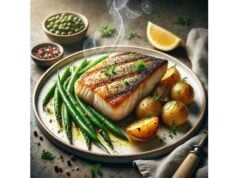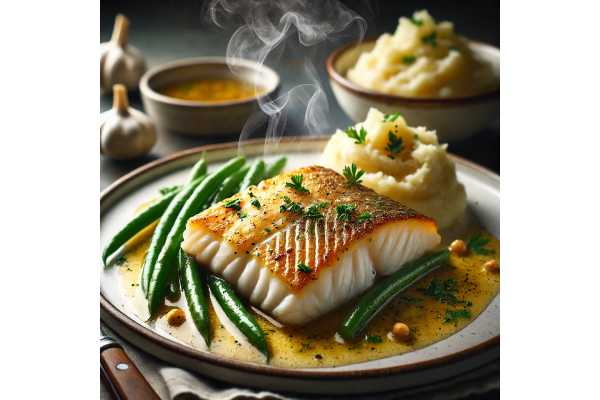
Pollock—best known as Alaska pollock (Gadus/Theragra chalcogrammus) and its close cousin Atlantic pollock (Pollachius virens)—is a lean, mild white fish that’s easy to cook and even easier to enjoy. It delivers quality protein with few calories, adds helpful micronutrients like vitamin B12, selenium, iodine, and phosphorus, and fits into weeknight cooking without fuss. Because pollock is abundant and efficiently harvested, it’s widely used for fillets, fish tacos, chowders, and value-friendly frozen portions. The flesh is tender but not fragile, taking well to quick pan sears, baking, steaming, and poaching. As with other marine fish, safe handling is important: cook to a food-safe internal temperature or use validated freezing if you plan a raw-style dish. In this guide, you’ll find precise nutrition per 100 g, evidence-based benefits, safety notes for special groups, smart buying and storage tips, and practical cooking methods that keep fillets juicy while preserving vitamins.
Key Takeaways
- Lean protein: ~72 kcal, 16.4 g protein, and 0.7 g fat per 100 g raw (Alaska pollock).
- Typical cooked portion: 150–170 g once or twice weekly within a varied seafood pattern.
- Safety: cook to 63 °C/145 °F or use validated freezing before raw/cured dishes to reduce parasite risk.
- Limit or avoid: people with finfish allergy; those who are pregnant or feeding young children should follow national “lower-mercury” guidance.
- Best uses: quick pan-sear, bake, steam, or poach; add light sauces to protect moisture and flavor.
Table of Contents
- Pollock Overview
- Pollock Nutrition Profile
- Evidence-Based Health Benefits
- Risks, Allergies and Interactions
- Selecting, Quality, Sustainability and Storage
- Preparation, Cooking and Nutrient Retention
- Portions, Comparisons and FAQs
Pollock Overview
Pollock is a cold-water fish with a clean, gently sweet flavor and a fine flake that suits quick, simple cooking. Alaska pollock—the species most often seen in supermarkets and frozen fillets—remains one of the world’s most abundant wild fisheries. Atlantic pollock is darker in flesh and flavor, cooks much the same, and works well in heartier dishes. Both are naturally low in fat and carbohydrates and provide a solid amount of protein per bite.
From a nutrition perspective, pollock contributes vitamin B12 for nerve and blood health, selenium for antioxidant and thyroid function, iodine for thyroid hormone synthesis, and phosphorus for energy metabolism. While pollock isn’t as rich in long-chain omega-3s as salmon or herring, it still delivers marine EPA and DHA in modest amounts and serves as a dependable, lower-calorie protein.
In the kitchen, pollock is versatile. Thin fillets cook in minutes; thicker cuts can be baked or gently poached. The neutral taste makes pollock ideal for family meals and meal prep because it takes on seasonings without dominating the plate. Pair it with citrus and herbs for brightness, or give it a crisp coating for fish tacos and sandwiches. Because pollock is lean, a little oil, butter, or a yogurt-based sauce helps preserve moisture and carry fat-soluble flavors.
As with other marine fish, raw or undercooked pollock can carry anisakid larvae, so proper freezing or thorough cooking is essential. Mercury levels are generally lower than in long-lived predators, making pollock a frequent “best choice” in national seafood guidance. Still, rotating fish species across the week supports both nutrition and sustainability.
Pollock Nutrition Profile
Basis and rounding
The tables below use raw Alaska pollock per 100 g. Cooking changes moisture and density; see Section 6 for retention tips. % Daily Value (%DV) uses adult reference DVs (protein 50 g; total fat 78 g; saturated fat 20 g; carbohydrate 275 g; fiber 28 g; sodium 2,300 mg; potassium 4,700 mg; calcium 1,300 mg; iron 18 mg; magnesium 420 mg; phosphorus 1,250 mg; zinc 11 mg; selenium 55 µg; iodine 150 µg; vitamin D 20 µg; vitamin B12 2.4 µg; vitamin E 15 mg; thiamin 1.2 mg; riboflavin 1.3 mg; niacin 16 mg; vitamin B6 1.7 mg; folate 400 µg). Sensible rounding applied.
Macros and Electrolytes (per 100 g raw)
| Nutrient | Amount | Unit | %DV |
|---|---|---|---|
| Energy | 72 | kcal | — |
| Protein | 16.4 | g | 33% |
| Total Fat | 0.7 | g | 1% |
| Saturated Fat | 0.1 | g | 1% |
| Carbohydrate | 0.0 | g | 0% |
| Fiber | 0.0 | g | 0% |
| Sodium | 68 | mg | 3% |
| Potassium | 216 | mg | 5% |
| Water | 83 | g | — |
Fats and Fatty Acids
| Component | Amount | Unit | Notes |
|---|---|---|---|
| Monounsaturated Fat | 0.2 | g | — |
| Polyunsaturated Fat | 0.2 | g | — |
| Omega-3 (total) | 0.3 | g | EPA ≈ 0.1 g; DHA ≈ 0.2 g |
| Omega-6 (total) | 0.0 | g | — |
| Cholesterol | 49 | mg | — |
Vitamins (per 100 g raw)
| Vitamin | Amount | Unit | %DV |
|---|---|---|---|
| Vitamin D | 0 | µg | 0% |
| Vitamin B12 (cobalamin) | 2.0 | µg | 83% |
| Niacin equivalents | 5.6 | mg | 35% |
| Vitamin B6 (pyridoxine) | 0.04 | mg | 2% |
| Thiamin (B1) | 0.03 | mg | 3% |
| Riboflavin (B2) | 0.09 | mg | 7% |
| Folate | 5 | µg | 1% |
| Vitamin E | 0.6 | mg | 4% |
| Vitamin A (RAE) | 0 | µg | 0% |
Minerals and Trace Elements (per 100 g raw)
| Mineral | Amount | Unit | %DV |
|---|---|---|---|
| Phosphorus | 120 | mg | 10% |
| Magnesium | 30 | mg | 7% |
| Calcium | 12 | mg | 1% |
| Zinc | 0.4 | mg | 4% |
| Selenium | 27 | µg | 49% |
| Iodine | 56 | µg | 37% |
Allergens and intolerance markers
Contains finfish proteins (notably parvalbumins), the dominant allergens in many fish species.
Contaminants/residues (context)
Pollock generally falls in lower-mercury categories relative to larger, long-lived predators; levels vary by harvest area and fish size. Following national guidance and rotating species across the month can further reduce exposure.
Footnotes
Values reflect raw fish without fortification or additives. Cooking methods that reduce moisture can concentrate nutrients per 100 g cooked; breading and frying change fat and energy content.
Evidence-Based Health Benefits
1) High-quality protein with few calories
At roughly 16.4 g protein and only ~72 kcal per 100 g, pollock offers a protein-dense option that supports satiety without adding many calories. That makes it practical for weight-conscious meal planning, athletic recovery, and older adults who need more protein to maintain muscle while keeping energy intake in check. A typical cooked portion of 150–170 g supplies ~25–28 g protein—enough to stimulate muscle protein synthesis for most adults when paired with resistance exercise and balanced meals.
2) B12 and selenium support
Pollock contributes meaningful vitamin B12 and selenium. B12 supports red blood cell formation and neurologic function. Selenium is a cofactor for antioxidant enzymes (e.g., glutathione peroxidases) and is involved in thyroid hormone metabolism. For people whose diets are light on red meat or shellfish, pollock offers a reliable way to meet these nutrients without excessive saturated fat.
3) Iodine for thyroid health
With ~56 µg iodine per 100 g, pollock helps fill a nutrient that varies widely with local soils and dairy intake. Adequate iodine supports thyroid hormone synthesis, which influences metabolic rate, growth, and development. Using iodized salt is one strategy; adding marine fish like pollock offers dietary diversity while keeping sodium modest.
4) Cardiometabolic dietary patterns
Eating fish regularly is a hallmark of heart-supportive dietary patterns. While pollock’s long-chain omega-3s are moderate compared with oily fish, replacing higher-saturated-fat meats with lean fish shifts overall intake toward more favorable fats and lower energy density. A simple, sustainable approach is to anchor the week with one lean fish night (e.g., pollock, cod) and one oily fish night (e.g., salmon, herring, sardines).
5) Digestible, quick-cooking protein
Fish muscle fibers and connective tissue break down faster than those in land meats, so pollock is naturally tender and easy to digest when cooked. Quick pan sears, steaming, or poaching preserve moisture and B-vitamins, making pollock a good choice for people with smaller appetites or those recovering from illness who need nutrient-dense, gentle meals.
6) Everyday versatility at a friendly price
Because pollock is abundant and often sold frozen soon after catch, it balances quality with value. It’s ideal for tacos, fishcakes, chowders, and tray bakes. The neutral flavor stands up to bold spices (garlic, paprika, harissa) and bright herbs (dill, parsley, cilantro). For nutrient density, serve with fiber-rich sides (beans, lentils, whole grains) and plenty of colorful vegetables.
How to realize these benefits
- Plan two seafood meals per week: one lean (pollock) and one oily (e.g., salmon).
- Combine pollock with potassium- and fiber-rich sides (greens, legumes) to round out the meal.
- Use moist-heat or short, hot cooks to protect vitamins and texture.
Risks, Allergies and Interactions
Finfish allergy
Pollock contains finfish allergens (parvalbumins). People with confirmed fish allergy should avoid pollock. Cross-reactivity between fish species is common; tolerating one species does not guarantee tolerance to others.
Parasites in marine fish
Like many marine fish, pollock can harbor anisakid larvae. Symptoms after ingesting live larvae can include abdominal pain, nausea, and vomiting. Prevention is straightforward: cook to an internal temperature of 63 °C/145 °F. For raw or lightly cured dishes (ceviche, cold-smoked, gravlax), validated freezing steps are necessary and are best handled by commercial suppliers who monitor exact temperatures and hold times. Marinating, salting, and cold-smoking alone do not reliably kill parasites.
Mercury and other contaminants
Pollock is generally a lower-mercury choice. National guidance classifies it among fish that can be eaten more often, especially when rotating species from the lower-mercury list. Specific levels vary by harvest area and fish size; for locally caught fish, defer to regional advisories. Choosing reputable retailers and mixing species across the month a) distributes exposure and b) broadens nutrient intake.
Special populations
- Pregnant or breastfeeding individuals and young children: center weekly seafood on lower-mercury species; include pollock regularly within guidance limits; always cook thoroughly.
- Sodium-restricted diets: pollock is naturally low in sodium; watch added salt in brines, coatings, and sauces.
- Anticoagulants and supplements: standard culinary amounts of pollock are not a concern; discuss high-dose fish-oil supplements with your clinician.
Food handling and storage safety
Keep raw fish at ≤4 °C/40 °F, use within 1–2 days, or freeze promptly. Thaw in the refrigerator or in sealed packaging under cold running water. Prevent cross-contamination: sanitize knives, boards, and countertops after handling raw fish.
Selecting, Quality, Sustainability and Storage
Choosing good pollock
- Look: fillets should be moist, translucent, and free of drying around the edges; no excessive gaping.
- Smell: clean and ocean-fresh—never sour or “ammonia-like.”
- Texture: flesh should spring back to light pressure.
- Cut: skin-on fillets provide structure and help prevent overcooking; skinless fillets are convenient for breading or poaching.
- Frozen quality: well-handled pollock is often frozen at sea. Choose vacuum-sealed portions with minimal ice crystals and no signs of freezer burn.
Alaska vs Atlantic pollock (kitchen notes)
- Alaska pollock: paler, very mild, thin fillets that cook quickly; popular in frozen portions and fillet blocks for value-minded meals.
- Atlantic pollock: slightly darker, fuller flavor; works well in chowders, stews, and roasted dishes where a more assertive taste is welcome.
Sustainability snapshot
Alaska pollock is one of the world’s most abundant managed fisheries, with quotas and bycatch controls tuned to stock assessments. Atlantic pollock is also managed regionally with gear and area rules. Consumer take-aways: buy from reputable suppliers, vary species across the month, and lean toward fisheries with transparent management and handling practices.
Storage at home
- Refrigeration: cook within 1–2 days of purchase; store on ice in the coldest refrigerator zone and drain melted ice as needed.
- Freezing: double-wrap or vacuum-seal to prevent freezer burn; label clearly and use within 3–6 months for best quality.
- Thawing: overnight in the refrigerator; or sealed and submerged in cold water, changing the water every 30 minutes until pliable.
- Leftovers: refrigerate cooked pollock within 2 hours and enjoy within 3–4 days; reheat gently to avoid drying.
Environmental and personal health balance
Choosing smaller fillets and mixing low-mercury species (pollock, cod, shrimp, salmon, sardines) reduces contaminant exposure and spreads demand across multiple fisheries, supporting resilience and diet diversity.
Preparation, Cooking and Nutrient Retention
Pre-cook setup
- Pat dry well. Surface moisture hinders browning and promotes sticking.
- Season simply. Salt just before cooking; add pepper, lemon zest, garlic, or herbs.
- Protect moisture. Brush with a thin film of oil or butter; a light dusting of flour or fine breadcrumbs can shield the surface during a quick pan-sear.
Cooking methods that suit pollock
- Quick pan-sear: Heat a nonstick or well-seasoned pan over medium-high with a thin layer of oil or butter. Cook 1–3 minutes per side for typical 2–3 cm fillets. Baste to finish.
- Bake/roast: 200–220 °C (400–425 °F) for 8–12 minutes depending on thickness. Add lemon, capers, and a dab of butter or olive oil.
- Steam/en papillote: Seal with herbs, citrus, and sliced vegetables; steam 6–8 minutes (or bake the parchment packet at 200 °C / 400 °F for ~10 minutes).
- Poach: Simmer gently in lightly salted water, fish stock, or milk with bay leaf and onion until just opaque.
- Chowders and soups: add pollock near the end; gentle heat keeps flakes intact.
Food-safe temperature
Cook fish to an internal temperature of 63 °C/145 °F at the thickest point. Visual cues: opaque flesh that flakes with a fork while remaining juicy. Remove from heat just shy of done; carryover heat finishes the cook.
Nutrient retention strategies
- Short, gentle heat preserves B-vitamins and keeps texture tender.
- Moist-heat methods (steam, parchment, poach) limit water-soluble vitamin loss relative to prolonged high-heat frying.
- Smart saucing: finish with yogurt-dill, lemon-tahini, or a quick pan emulsion; these add flavor and fat-soluble carriers without heavy batters.
- If breading/frying: use fresh oil, avoid repeated high-temperature cycles, and drain briefly on paper to limit oxidation and excess surface fat.
Flavor pairings
Pollock’s mildness welcomes citrus, dill, parsley, chives, smoked paprika, garlic, capers, mustard, and miso. For a full meal, anchor the plate with fiber-rich grains or legumes and a colorful vegetable medley.
Portions, Comparisons and FAQs
What is a sensible portion?
A practical cooked portion for adults is 150–170 g (about 5–6 oz), which typically begins as ~180–220 g raw. Within a varied seafood pattern, enjoy pollock once or twice weekly and pair it with one weekly serving of oily fish to balance omega-3 intake.
How does pollock compare to cod or salmon?
- Pollock vs cod: both are lean, mild white fish with similar calories and cooking times; pollock is slightly softer and often better value in frozen portions.
- Pollock vs salmon: salmon carries more omega-3s and fat-soluble vitamins per gram; pollock is lower in calories and useful for lighter meals. Many households schedule one lean fish night (pollock/cod) and one oily fish night (salmon/herring/sardines).
Is pollock good for weight management?
Yes. Its high protein-to-calorie ratio supports satiety with minimal energy. Combine with fiber-rich sides—beans, barley, farro, or roasted vegetables—to extend fullness.
Can I eat pollock during pregnancy?
Pollock generally falls in the lower-mercury category and can be eaten regularly within national guidance. Always cook fish thoroughly. If you catch fish locally, follow regional advisories for that water body.
What about bones—are they a hazard?
Commercial skinless fillets are commonly pin-boned, but small bones can remain. Run fingers along the centerline and remove any with tweezers. Serve children bite-size pieces and encourage slow chewing.
Budget-smart ideas
- Buy value packs of frozen fillets; thaw only what you need.
- Turn leftover cooked pollock into fishcakes with mashed potatoes, onion, herbs, and lemon zest.
- Save trimmings for fish stock to enrich soups and sauces.
Three fast, flavorful meals
- Sheet-pan pollock with tomatoes and olives: roast 8–10 minutes at high heat; finish with parsley and lemon.
- Pollock tacos with lime-cabbage slaw: quick-sear spice-rubbed fillets; flake into warm tortillas with slaw and yogurt-chipotle sauce.
- Poached pollock with dill yogurt: simmer gently in milk or stock; top with lemon, capers, and a dollop of yogurt-dill.
References
- Alaska pollock, raw 2024.
- Advice about Eating Fish 2024.
- About Anisakiasis 2024.
- 2021 Dietary Guidance to Improve Cardiovascular Health 2021 (Guideline).
Medical Disclaimer
This information is for general education and is not a substitute for personalized medical advice, diagnosis, or treatment. Nutrition and safety needs vary by health status, age, pregnancy, medications, and local advisories. Consult a qualified healthcare professional or registered dietitian for guidance tailored to you, especially when pregnant, breastfeeding, immunocompromised, or preparing food for young children.
If this guide was useful, please consider sharing it with friends or colleagues on Facebook, X (formerly Twitter), or any platform you prefer. Your support helps us continue producing clear, evidence-based articles.