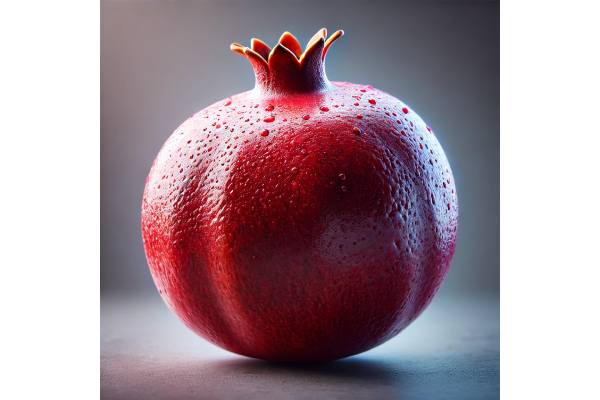
Juicy, jewel-red pomegranate arils bring a bright pop of sweetness, crunch, and color to both savory and sweet dishes. Beyond the flavor, this fruit delivers fiber, vitamin C, vitamin K, potassium, and a dense mix of polyphenols—most notably punicalagins and other ellagitannins that your gut can convert into urolithins. Together, these nutrients and bioactives support heart health, help counter everyday oxidative stress, and make pomegranate an easy way to add plant variety to your week. You can enjoy it fresh, as juice, stirred into yogurt, tossed onto salads and grain bowls, or cooked down into pomegranate molasses, a tart, syrupy staple in Middle Eastern kitchens. Whole fruit stores well, and the arils freeze beautifully—so you can keep a stash for quick breakfasts, snacks, or garnish. Below, you’ll find a balanced, evidence-led guide to what pomegranate offers, how to buy, store, and use it, who might need to take care, and practical ways to keep more of its nutrients through prep and cooking.
Top Highlights
- Provides fiber (4 g per 100 g) and polyphenols that support cardiometabolic health.
- Typical serving: ½ cup arils (≈85–90 g), enjoy 3–5 times weekly as part of a varied diet.
- Safety note: rare seed protein allergies exist; juice can add substantial sugars if portions are large.
- People on potassium-restricted diets or with warfarin therapy should discuss portions with a clinician.
Table of Contents
- Pomegranate: What to Know
- Pomegranate Nutrition Profile (per 100 g)
- Evidence-Based Benefits of Pomegranate
- Pomegranate Risks, Allergies and Interactions
- Choosing and Storing Pomegranates Sustainably
- Preparing Pomegranate and Preserving Nutrients
- Portions, Comparisons and FAQs
Pomegranate: What to Know
Pomegranate (Punica granatum L.) is an ancient fruit, prized across Mediterranean, Middle Eastern, South Asian, and Caucasus cuisines for its striking arils—translucent sacs that hold the juice and a crunchy edible seed. Modern nutrition research has focused on two attributes: its meaningful fiber content and its unusually rich mix of phenolic compounds. The standout class is the ellagitannins (especially punicalagins), which the body cannot absorb intact. Instead, your gut microbes transform them into metabolites called urolithins. These metabolites circulate in the body and are thought to contribute to several of pomegranate’s observed health effects. The precise benefits can vary from person to person because urolithin formation depends on your gut “metabotype.”
From a day-to-day perspective, pomegranate is easy to fold into meals. Sprinkle arils over green salads or roasted vegetables for contrast, blend into smoothies for sweetness without added sugar, fold into pilafs with herbs and toasted nuts, or finish stews and braises with a handful for brightness. Pomegranate molasses—reduced juice with a sweet-sour bite—acts like a seasoning: a spoonful sharpens dressings, glazes, and marinades.
Whole pomegranates are durable for a fresh fruit: in the refrigerator, they can last up to two months under proper conditions, far longer than most berries. That long shelf life makes it practical to buy in season (typically fall through winter) and enjoy at your pace. If you’re new to seeding, there are splash-free techniques that take minutes and preserve the arils’ texture. This guide distills the essentials: what’s in pomegranate, what the research currently supports, practical kitchen tips, and when to be cautious.
Pomegranate Nutrition Profile (per 100 g)
Below are nutrient amounts for raw pomegranate arils per 100 g, with % Daily Value (%DV) where applicable. Values can vary with variety, ripeness, and growing conditions.
Macros & Electrolytes
| Nutrient | Amount (per 100 g) | %DV |
|---|---|---|
| Energy | 83 kcal | — |
| Total carbohydrate | 19.0 g | 7% |
| Dietary fiber | 4.0 g | 14% |
| Total sugars | 14.0 g | — |
| Protein | 2.0 g | 4% |
| Total fat | 1.0 g | 1% |
| Saturated fat | 0.0 g | 0% |
| Sodium | 3 mg | 0% |
| Potassium | 236 mg | 5% |
Vitamins
| Vitamin | Amount (per 100 g) | %DV |
|---|---|---|
| Vitamin C (ascorbic acid) | 10 mg | 11% |
| Vitamin K (phylloquinone) | 16 µg | 13% |
| Folate (DFE) | 38 µg | 10% |
Minerals
| Mineral | Amount (per 100 g) | %DV |
|---|---|---|
| Calcium | 10 mg | 1% |
| Magnesium | 12 mg | 3% |
| Phosphorus | 36 mg | 3% |
Bioactives / Phytonutrients (qualitative)
Pomegranate provides ellagitannins (notably punicalagins), ellagic acid, anthocyanins (e.g., cyanidin, delphinidin glycosides), and other phenolics. These lack established DVs but are of research interest for oxidative stress and inflammatory signaling.
Carbohydrate specifics
Most sugars occur as glucose and fructose within the arils; fiber is predominantly insoluble with some soluble fractions. Glycemic impact depends on portion size and matrix (whole arils vs. juice). Whole arils offer fiber that blunts post-meal glucose compared with juice.
Glycemic & acid–base notes
Glycemic index values differ widely by product and testing method. As a practical guide, modest portions of whole arils (½ cup) fit most balanced meal plans, while juice has a higher glycemic load per serving due to lower fiber. Pomegranate is generally alkalizing in potential renal acid load models.
Labeling notes: %DV uses current U.S. adult reference values (e.g., fiber 28 g/day, potassium 4700 mg/day). Fortified products (e.g., pomegranate beverages with added vitamins) will differ.
Evidence-Based Benefits of Pomegranate
Heart and blood pressure support. Pomegranate intake has been associated with favorable changes in blood pressure in adults. Across randomized trials of juice and extracts, pooled results show a meaningful average reduction in systolic and diastolic blood pressure. While effect size varies by dose, duration, and product type, the overall trend favors improvement—consistent with pomegranate’s polyphenol content, endothelial effects, and modest potassium contribution. Whole arils, juices, and standardized extracts have all been studied; whole-food approaches also add fiber that benefits cardiometabolic risk.
Antioxidant and anti-inflammatory actions. The fruit’s ellagitannins (especially punicalagins) and anthocyanins contribute to high total polyphenol content. After you eat pomegranate, gut microbes metabolize ellagitannins into urolithins, which then circulate and can influence inflammatory pathways and cellular stress responses. Because urolithin formation depends on your microbiome, individual responses differ. This personal variability helps explain why some people see larger cardiometabolic changes than others in similarly designed studies.
Exercise recovery and vascular function. Several trials using juice or polyphenol-rich extracts report improvements in measures tied to endothelial function and exercise recovery (e.g., perceived soreness, certain performance metrics). Mechanisms proposed include improved nitric oxide bioavailability and reduced exercise-induced oxidative stress. Benefits, when observed, tend to be modest and are best considered alongside fundamentals like training, sleep, and overall diet quality.
Metabolic health context. Pomegranate arils provide fiber (about 14% DV per 100 g), which supports satiety, regularity, and a healthier post-meal glucose pattern when arils replace refined sweets. The fruit also supplies vitamin C and K along with potassium, aligning with overall dietary patterns known to support cardiometabolic targets. For people reducing added sugars, using arils to sweeten yogurt or salads is a practical swap that raises nutrient density.
Culinary utility that drives adherence. A food’s health impact depends on consistent, enjoyable intake. Pomegranate’s bright flavor helps replace added sugars in sauces and dressings, and its visual appeal nudges vegetables and whole grains from “good for you” to “craveable.” That simple boost in usability often matters more than any single bioactive.
What to expect. In research, blood-pressure changes can appear after several weeks of regular intake. Real-world outcomes will vary by total diet, microbiome, baseline risk, sleep, stress, and activity level. Treat pomegranate as a helpful component, not a cure-all.
Pomegranate Risks, Allergies and Interactions
Allergies. Pomegranate allergy is uncommon but documented. Identified allergens include seed storage proteins in the 2S albumin family—similar in class to some nut and seed allergens. Reactions can range from oral itching to systemic symptoms. If you’ve reacted to other seeds or have a history of multiple food allergies, introduce pomegranate cautiously and discuss with an allergist.
Digestive tolerance. Whole arils include a crunchy seed; most people digest them without issue, but very large portions can cause bloating or discomfort. Juice lacks fiber and concentrates sugars; if you’re sensitive to fructose loads or working on glycemic targets, keep portions modest and pair with protein or fat.
Medication considerations. Laboratory and small clinical studies suggest pomegranate is unlikely to produce “grapefruit-like” drug interactions for most medications at typical intakes. That said, isolated case reports (e.g., with warfarin) exist, and pharmacokinetics can be idiosyncratic. If you take narrow-therapeutic-index drugs (warfarin, certain antiarrhythmics, immunosuppressants), avoid large, abrupt increases in pomegranate juice or extract without medical guidance. For statins, available human data suggest no clinically relevant interaction at usual beverage amounts; still, confirm with your prescriber if you plan to add daily juice or a concentrated supplement.
Kidney and electrolyte issues. Pomegranate provides potassium. People with advanced kidney disease or on potassium-restricted diets should count arils and juices within their daily allowance.
Added-sugar products. Commercial beverages and “pomegranate drinks” can vary widely. Some are 100% juice; others are blends with added sugar. Read labels if you’re tracking sugars or calories, and consider stretching juice with sparkling water or choosing whole arils more often.
Food safety. As with all fresh produce and juices, buy from reputable sources, refrigerate promptly, and observe use-by dates. If making fresh juice, wash the fruit’s exterior before cutting to avoid transferring microbes to the arils.
Bottom line: for most healthy adults, moderate pomegranate intake as part of a varied diet is safe and beneficial. If you manage complex medications, kidney disease, or have suspected seed allergies, personalize portions with your clinician.
Choosing and Storing Pomegranates Sustainably
How to choose ripe fruit. Look for pomegranates that feel heavy for their size (a sign of juiciness) with taut, unbroken skin that ranges from deep pink to crimson. Minor surface scuffs are cosmetic; avoid soft spots, cracks, or leaking juice. The fruit’s calyx (crown) should be dry and intact.
Season and availability. Peak season in many regions is fall through winter. Off-season fruit may be imported; quality is still good if handled well in transit. If you’re cost-conscious, buy in season and freeze arils for later.
Storage basics.
- Room temperature: 1–2 weeks away from direct sun, best for fruit you’ll use soon.
- Refrigerator (whole): up to about 2 months when kept cold and humid. Store in the crisper to reduce moisture loss.
- Refrigerator (arils): 5–7 days in a sealed container; add a paper towel to catch excess moisture.
- Freezer (arils): up to 6–12 months. Spread on a tray to freeze individually, then transfer to an airtight bag.
Postharvest tips that protect quality. Pomegranates lose water and can shrivel if humidity is too low. In commercial settings, they’re held near 90–95% relative humidity and about 41–45°F to balance water loss with chilling sensitivity. At home, the crisp drawer approximates these conditions; a reusable produce bag helps retain humidity. Avoid stacking heavy items on top of fruit to prevent bruising.
Sustainability notes.
- Food waste: Long refrigerator life plus freezability make pomegranates “low waste” for a fresh fruit—buying a few at once can reduce trips and packaging.
- Whole-fruit use: Save peels for zesting into spice blends or infusing vinegars. Compost peels and membranes if you don’t use them.
- Smart substitutions: Pomegranate arils can stand in for out-of-season berries, lowering transport-related spoilage.
Buying formats and labels. Pre-seeded arils are convenient but cost more per ounce and have a shorter shelf life. If buying juice, check that it’s 100% pomegranate if that’s your intent; “pomegranate drink” often includes added sugars or other juices. For molasses, the ingredient list ideally reads “pomegranate juice” only.
Preparing Pomegranate and Preserving Nutrients
Quick, low-mess seeding methods.
- Water-bowl method: Score the skin into quarters, break apart under water, and dislodge arils with your thumbs; membranes float, arils sink. Drain and pat dry.
- Spank method: Cut the fruit in half “equator style,” hold cut-side down over a bowl, and firmly tap the rind with a wooden spoon to release arils. Finish by hand to avoid crushing.
Both methods minimize splatter and protect arils from bruising. If you’ll store arils for several days, keep them dry to discourage mold.
Maximizing nutrients. Vitamin C is sensitive to heat and oxygen; anthocyanins in the juice can degrade with prolonged heat and high pH. To retain more:
- Prefer fresh arils or quick-cooked applications.
- Add arils at the end of cooking (e.g., to finish pilafs or stews) for texture and vitamin retention.
- When making reductions or pomegranate molasses, use gentle heat and avoid long holds at high temperature.
- Store juice cold, limit light exposure, and use within a few days once opened.
Everyday ways to use pomegranate.
- Breakfast: Stir arils into Greek yogurt with oats and toasted walnuts; blend ½ cup arils into a smoothie for sweetness without added sugar.
- Salads and grains: Toss with bulgur, quinoa, or wild rice, plus herbs and citrus.
- Mains: Use pomegranate molasses to glaze salmon or roasted eggplant; whisk into dressings with olive oil and mustard.
- Snacks and desserts: Combine with citrus segments and mint; fold into dark chocolate bark for a fiber-rich sweet.
Juice vs. whole arils. Juice offers concentrated polyphenols but removes fiber and increases glycemic load per cup. If you enjoy juice, moderate the portion (e.g., 120–180 mL) and pair it with a meal. Whole arils deliver fiber and slower sugar absorption; for most people, they’re the day-to-day best bet.
Food-safety reminders. Rinse the whole fruit before cutting, dry with a clean towel, and keep cut fruit refrigerated. If preparing juice, sanitize tools and use within 3–4 days.
Portions, Comparisons and FAQs
Practical portions. A standard serving is ½ cup arils (≈85–90 g), providing roughly 75–80 kcal, ~2 g protein, ~1 g fat, ~19 g carbohydrate, ~4 g fiber, and ~14 g natural sugars. Most people can enjoy 3–5 servings per week within a balanced, plant-forward pattern. If you drink juice, think ½ to ¾ cup (120–180 mL) as a typical portion, less for children.
Comparisons to similar foods.
- Arils vs. juice: Arils provide fiber and more chewing satisfaction; juice concentrates polyphenols but also sugar.
- Pomegranate vs. berries: Berries usually have slightly fewer sugars per 100 g but comparable polyphenol richness; alternating boosts variety.
- Pomegranate vs. grapes: Pomegranate offers more fiber per calorie and a more tart flavor profile that pairs well with savory dishes.
Weight and blood sugar goals. Whole arils fit well into calorie- and carb-aware plans because fiber increases fullness. If you track carbs or GL, count a ½ cup as ~1 carb choice (≈15–19 g carbohydrate). Pair with protein or fat (yogurt, nuts, cheese) to further moderate post-meal glucose.
FAQs
- Can I eat the seeds? Yes—the crunchy seed inside each aril is edible and supplies fiber and phytochemicals.
- Is pomegranate low FODMAP? Small portions of arils are generally tolerated by many people; individual tolerance varies. Start with ¼–½ cup and assess your response.
- What about pomegranate molasses? It’s a reduced juice with a sweet-sour punch. A teaspoon goes a long way in dressings and glazes; despite the intense flavor, it’s mostly sugars, so use as a condiment.
- Safe for kids? Yes, in age-appropriate portions and textures. For toddlers, supervise to ensure arils are chewed; consider lightly pressing arils to flatten if needed.
- Best way to freeze? Spread dry arils on a lined tray, freeze until firm, then pack airtight. Use straight from frozen in smoothies or defrost briefly for salads.
Takeaway: Choose whole arils most often, enjoy juice mindfully, and let pomegranate’s flavor help you eat more plants overall.
References
- The effects of pomegranate consumption on blood pressure in adults: A systematic review and meta-analysis 2024 (Systematic Review)
- An Overview of the Health Benefits, Extraction Methods and Improving the Properties of Pomegranate 2023 (Review)
- International tables of glycemic index and glycemic load values 2021: a systematic review 2021 (Systematic Review)
- Isolation, Characterization and IgE Binding of Two 2S Albumins of Pomegranate Seeds 2024
- Pomegranates | SNAP-Ed 2024
Disclaimer
This guide is educational and is not a substitute for personalized medical advice, diagnosis, or treatment. If you have a medical condition, take prescription medications (especially warfarin or other drugs with narrow therapeutic ranges), follow a potassium-restricted plan, or have possible food allergies, consult your healthcare professional for individualized guidance before making significant dietary changes.
If you found this article useful, please consider sharing it with friends or colleagues on Facebook, X, or your favorite platform. Your support helps us continue creating clear, reliable nutrition resources.