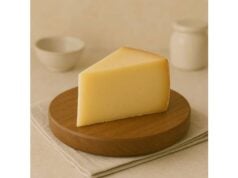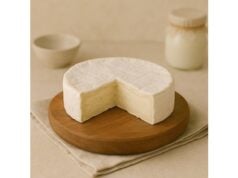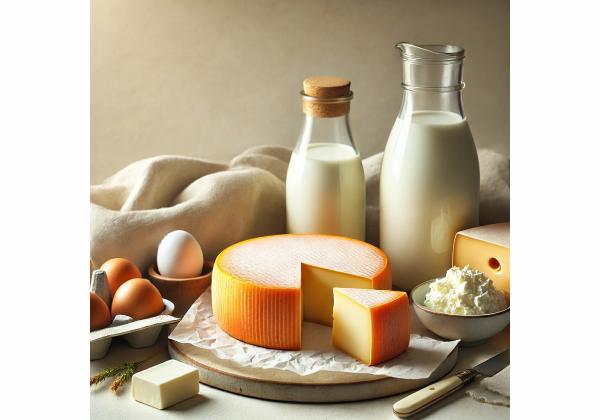
Pont-l’Évêque is one of Normandy’s classic washed-rind cheeses—square, soft, and richly aromatic. Made from cow’s milk under France’s protected designation (AOP), it ripens to a supple, custardy paste with a golden rind and a balanced flavor that’s savory, lactic, and gently nutty. In the kitchen it’s wonderfully versatile: slice it for a cheese board, melt it on burgers or gratins, or whisk small cubes into a cream sauce for pasta and mushrooms. Nutritionally, Pont-l’Évêque delivers high-quality protein, abundant calcium for bones and teeth, and vitamin B12 to support nerve health. Because it’s a soft, surface-ripened cheese, it’s also higher in moisture and sodium than many hard cheeses, and—like most washed-rind cheeses—naturally low in lactose after ripening. If you’re choosing cheese for a pregnancy-safe board, opt for products clearly labeled pasteurized and handle them with care. Below, you’ll find a practical guide to understanding Pont-l’Évêque’s nutrition, health effects, safe use, quality cues, storage, cooking tips, and smart portions—so you can enjoy it with confidence and intention.
Top Highlights
- Good source of protein (~21 g/100 g) and calcium (~660 mg/100 g) that support muscle and bone health.
- Choose pasteurized Pont-l’Évêque and refrigerate promptly to reduce soft-cheese safety risks.
- Typical portion: 30 g (about 1 oz), enjoyed up to 2–3 times weekly within a balanced diet.
- People with dairy allergy, salt-sensitive hypertension, or strong histamine intolerance should limit or avoid.
Table of Contents
- Pont-l’Évêque: Detailed Overview
- Pont-l’Évêque Nutrition Profile
- Evidence-Based Health Benefits
- Risks, Allergies and Interactions
- Selecting, Quality, Sustainability and Storage
- Preparation, Cooking and Nutrient Retention
- Portions, Comparisons and FAQs
Pont-l’Évêque: Detailed Overview
Pont-l’Évêque is a traditional, square, washed-rind cow’s-milk cheese from Normandy, France. The name comes from the town of Pont-l’Évêque in Calvados, and its protected status (Appellation d’Origine Protégée, AOP) defines the region, milk type, and methods used. The rind is lightly washed and brushed during maturation, encouraging a tawny orange-to-gold flora that lends savory aromas and a mellow, meaty depth without the sharp punch of stronger washed-rind styles. Inside, the paste is pale butter-yellow, soft and supple at peak ripeness, with tiny openings (eyes) and a thin cream line just beneath the rind. Flavor is balanced: buttery and lactic at the core, with a toasted-nut and mushroom finish near the rind.
Production typically uses thermized or pasteurized cow’s milk (raw-milk versions exist domestically in France). Curd is cut gently to retain moisture, molded into its distinctive square shape, lightly salted, and matured for a few weeks. During this time, a surface community (including Brevibacterium linens and related bacteria) colors and protects the rind while contributing savory notes and the cheese’s characteristic aroma.
Culinary uses are broad because Pont-l’Évêque melts smoothly but holds its character. Try it:
- On a board with crisp apples or pears, toasted hazelnuts, and country bread.
- Melted on a steak sandwich, burger, or croque-style toast.
- Stirred into a pan sauce with shallots, thyme, and a splash of cider for chicken or mushrooms.
- As a gratin topper for leeks, potatoes, or cauliflower, where it browns attractively.
Compared with brie or camembert, Pont-l’Évêque is slightly firmer and often a touch saltier; compared with pungent washed-rind powerhouses (like Époisses), it’s gentler and more approachable. Its moisture and protein content make it satisfying in small portions—use that to your advantage when balancing rich flavors with overall diet quality.
Pont-l’Évêque Nutrition Profile
How to read this section. Values below are typical per 100 g of Pont-l’Évêque at retail. Actual labels vary by dairy, season, and ripeness. Percent Daily Value (%DV) uses current U.S. Nutrition Facts DVs for adults and children 4+.
Macros & Electrolytes (per 100 g)
| Nutrient | Amount | %DV |
|---|---|---|
| Energy | 330 kcal | — |
| Protein | 21.0 g | 42% |
| Total Fat | 27.0 g | 35% |
| Saturated Fat | 17.0 g | 85% |
| Trans Fat (naturally occurring) | ~0.5–1.0 g | — |
| Cholesterol | 90 mg | 30% |
| Total Carbohydrate | 0.5 g | 0% |
| Total Sugars (lactose) | ~0.5 g | 0% |
| Dietary Fiber | 0 g | 0% |
| Sodium | 650 mg | 28% |
| Potassium | 100 mg | 2% |
Notes: Ripening reduces lactose to very low levels; sugars shown are primarily residual lactose. Sodium reflects salt used for flavor, safety, and texture.
Fats & Fatty Acids (per 100 g)
| Component | Amount |
|---|---|
| Total Fat | 27.0 g |
| Saturated Fatty Acids | 17.0 g |
| Monounsaturated Fatty Acids | ~8.0 g |
| Polyunsaturated Fatty Acids | ~1.0 g |
| Cholesterol | 90 mg |
Context. Dairy fat is a mix of >400 fatty acids; the main MUFA is oleic acid. Pont-l’Évêque contains small amounts of naturally occurring ruminant trans fats (e.g., vaccenic acid) and conjugated linoleic acid (CLA).
Vitamins (per 100 g)
| Vitamin | Amount | %DV |
|---|---|---|
| Vitamin A (RAE) | 260 µg | 29% |
| Vitamin B12 (cobalamin) | 2.0 µg | 83% |
| Riboflavin (B2) | ~0.30 mg | 23% |
| Vitamin D | ~0.5 µg | 3% |
| Vitamin K2 (menaquinones) | present (variable) | — |
Minerals (per 100 g)
| Mineral | Amount | %DV |
|---|---|---|
| Calcium | 660 mg | 51% |
| Phosphorus | 410 mg | 33% |
| Zinc | 3.0 mg | 27% |
| Iodine | variable (trace–moderate) | — |
Allergens & Intolerance Markers
- Contains: cow’s-milk proteins (casein, whey), milk fat, natural surface cultures; a regulated allergen.
- Lactose: typically ≤1 g/100 g after ripening, but individual tolerance varies.
- Biogenic amines: tyramine and histamine can accumulate during ripening; levels vary by make and storage.
Glycemic & Acid–Base Metrics
- Glycemic impact: negligible (≤0.5 g carbohydrate per 100 g).
- PRAL (acid load): cheese is acid-forming; emphasize vegetables/fruit for balance if relevant to your dietary pattern.
Footnotes: Values are representative of European composition tables and typical producer nutrition labels for washed-rind soft cow’s-milk cheeses. Fortification is uncommon in traditional AOP cheeses; vitamin D and K2 reflect natural content.
Evidence-Based Health Benefits
1) Bone and dental support from calcium and phosphorus. Pont-l’Évêque supplies about half the daily value for calcium per 100 g, plus phosphorus. Together with its complete proteins, these minerals support bone remodeling and enamel maintenance across the lifespan. Even smaller, typical portions (30 g) meaningfully contribute to daily calcium intake when combined with leafy greens, yogurt, or fortified foods.
2) High-quality protein for satiety and muscle maintenance. With ~21 g protein per 100 g, the cheese provides all essential amino acids. Protein-rich foods at meals can improve satiety and help preserve lean mass during weight management or in older adults when paired with resistance activity. A practical serving (30 g) delivers ~6–7 g protein—helpful when stacked with eggs, legumes, or grains through the day.
3) B12 and vitamin A for nerve, blood, and vision health. Pont-l’Évêque provides a robust amount of vitamin B12, important for red blood cell formation and neurological function, and preformed vitamin A (retinol) to support vision, immune function, and epithelial integrity. These fat-soluble vitamins are better absorbed when consumed with dietary fat—already present in cheese.
4) Cardiometabolic neutrality when eaten moderately as part of a balanced diet. Contemporary analyses suggest that cheese intake—within the context of varied dietary patterns—shows neutral to modestly favorable associations with cardiovascular outcomes and mortality compared with equivalent calories from refined carbohydrates or processed meats. Several mechanisms could explain this: calcium-fatty acid interactions forming insoluble soaps in the gut; fermentation-driven bioactives; and the food matrix effect, which alters lipid absorption and impacts the microbiome. That said, individual responses vary, and sodium and saturated fat still matter for many people (see Risks).
5) Culinary versatility that supports portion control. Because Pont-l’Évêque is aromatic and flavorful, small amounts deliver strong sensory satisfaction. Using 20–30 g to finish a dish—rather than building a meal around cheese—can enhance enjoyment without overshooting energy or sodium goals. Pair with fiber-rich sides (roasted vegetables, whole grains) to moderate meal glycemic load and improve fullness.
Putting it into practice.
- Add a thin slice to a warm grain bowl with mushrooms and herbs.
- Fold 25–30 g into an omelet with spinach to boost protein and calcium at breakfast.
- Use a modest layer on vegetable gratins; bake until just bubbling to maximize impact with minimal quantity.
Risks, Allergies and Interactions
Food safety—soft cheese basics. Soft, surface-ripened cheeses carry a higher risk of contamination if made from unpasteurized milk or mishandled after packaging. People at increased risk for severe illness—including pregnant individuals, older adults, and those with weakened immunity—should choose pasteurized Pont-l’Évêque from reputable producers, keep it refrigerated (≤4 °C / 40 °F), and discard if the pack is visibly swollen, slimy, or smells off in an unusual way. Always rewrap tightly and store away from raw meats to avoid cross-contamination.
Allergy. Pont-l’Évêque contains cow’s-milk proteins (casein, whey) and can trigger IgE-mediated or non-IgE dairy allergy. Symptoms range from hives and GI upset to, rarely, anaphylaxis. People with confirmed milk allergy should avoid all dairy cheeses and use appropriate alternatives.
Lactose intolerance. Ripened cheeses typically contain very little lactose, and many people with lactose intolerance tolerate small portions (e.g., 15–30 g) without symptoms—especially when eaten with other foods. Tolerance is individual; start with a small amount and observe.
Sodium and blood pressure. At ~650 mg sodium per 100 g (about 180–200 mg per 30 g slice), Pont-l’Évêque is moderately salty. Those with salt-sensitive hypertension or chronic kidney disease should keep portions small and balance the day’s sodium from other foods.
Saturated fat and LDL-cholesterol. Pont-l’Évêque contains ~17 g saturated fat per 100 g. While the whole-food cheese matrix may blunt some lipid effects compared with isolated saturated fats, people with elevated LDL-cholesterol or those following cardiology advice should moderate intake, emphasize unsaturated fats elsewhere (olive oil, nuts, fish), and keep portions modest.
Biogenic amines (histamine, tyramine). Washed-rind and aged cheeses can accumulate biogenic amines as they ripen—levels vary widely by make and storage. Sensitive individuals (especially those on monoamine oxidase inhibitors or with histamine intolerance) may experience flushing, headache, or palpitations; if so, choose fresher cheeses with shorter ripening or dairy alternatives.
Medication considerations.
- MAOIs: Tyramine-rich foods can precipitate hypertensive episodes. If you take MAOIs, consult your clinician and consider avoiding aged/washed-rind cheeses.
- Antibiotics/antimicrobials: No direct interaction, but foodborne illness risk is more problematic during and after antibiotics; use pasteurized products and strict refrigeration.
- Calcium-rich meals can slightly impair absorption of certain medications (e.g., some thyroid meds, specific antibiotics) when taken together; separate dosing when instructed by your clinician.
Selecting, Quality, Sustainability and Storage
What to look for at the counter.
- Labeling: Seek “Pont-l’Évêque AOP” and pasteurized (if you need pregnancy-safe). A best-before date and dairy name are standard.
- Appearance: A square (often ~10–12 cm per side) with a thin, dry-to-tacky rind colored straw-to-light orange. The paste should be even, pale yellow, and supple, without free liquid.
- Aromas: Clean, lactic, and savory with mild washed-rind notes (hay, cellar, lightly meaty). Avoid strong ammonia or acrid smells, which can indicate over-ripeness or temperature abuse.
Sustainability pointers.
- Season and locality: Milk composition shifts with pasture seasons; buying from producers who pasture cows and manage manure well supports lower environmental impacts per kilogram of cheese.
- Packaging: Choose minimal, recyclable wraps. Paper-backed foil protects the rind and reduces waste compared with heavy plastic.
- Food waste: Plan portions. Use leftover rinds to flavor soups or broths; freeze grated odds and ends for gratins (texture will be softer after thawing, but flavor remains excellent).
Storage for safety and flavor.
- Refrigerate promptly at ≤4 °C / 40 °F. Keep cheese wrapped (original paper/foil) inside a lidded box to protect aromas and prevent drying.
- Once opened, enjoy within 5–7 days at peak. If the rind becomes slimy, the paste tastes excessively bitter/ammoniated, or blue/black molds appear that aren’t part of the rind flora, discard.
- For service, remove from the fridge 30–45 minutes before eating so the paste softens and aromas bloom. Return leftovers to cold storage quickly.
Smart buying tips.
- Ask your monger which batch is “young” (firmer, lactic) vs. “à point” (softer, more aromatic) and choose according to your recipe.
- For melting, slightly riper wheels give creamier flow. For a composed cheese board, pick a younger square that slices neatly.
Preparation, Cooking and Nutrient Retention
Handling and prep. Wash hands and knives. Trim only if the rind is excessively damp or the paper sticks; otherwise, keep the edible rind—it holds concentrated flavor. Cut Pont-l’Évêque into neat squares or slim rectangles so each piece has rind and paste, preserving structure and minimizing waste.
Heat behavior. Pont-l’Évêque melts smoothly around 55–60 °C (130–140 °F). Gentle heat yields a silky, cohesive melt; high heat can cause oiling-off and a split sauce. To retain nutrients and texture:
- Low and slow: For sauces, melt small cubes off heat into a warm béchamel or reduced stock/cream, whisking to emulsify.
- Gratin finishing: Bake at moderate temperature until just bubbling and browned; prolonged high heat drives off moisture and increases oil separation.
- Pan controls: If searing on toast, pre-melt slices briefly under a broiler, then finish on the toast to limit time over high heat.
Pairings that add balance.
- Fiber: Serve with roasted leeks, fennel, or mushrooms to offset richness and increase fullness.
- Acid: Apples, pears, or a sharp vinaigrette cut through fat and refresh the palate.
- Whole grains: Buckwheat galettes, barley risotto, or whole-grain toast provide texture and minerals.
Retention of key nutrients. Calcium and B12 are heat-stable under typical cooking; mild losses are minimal. Protein quality is unchanged by melting, though prolonged high heat can firm proteins and squeeze out fat. Sodium and saturated fat are inherent; manage by portioning and balancing the plate.
Simple applications (each serves 2).
- Warm leek gratin topper: Steam sliced leeks until tender, lay in a dish, top with 40–60 g Pont-l’Évêque, and broil just to brown.
- Mushroom pan sauce: Sauté mushrooms and shallots; deglaze with dry cider; off heat, whisk in 30–40 g diced cheese to thicken—no cream needed.
- Savory galette: Fold 30 g into a buckwheat crepe with spinach and a soft-cooked egg.
Portions, Comparisons and FAQs
Recommended portion and frequency. For most healthy adults, ~30 g (about 1 oz) per sitting is a practical portion. Enjoy 2–3 times per week within a balanced pattern that favors vegetables, fruits, whole grains, legumes, nuts, and fish. If you’re managing blood pressure or LDL-cholesterol, limit to 15–25 g and prioritize unsalted, unsaturated fats elsewhere that day.
How Pont-l’Évêque compares to other cheeses (per 30 g):
- Pont-l’Évêque: ~100 kcal, 6–7 g protein, 8 g fat (5 g saturated), ~180–200 mg sodium, ~200 mg calcium.
- Brie: similar calories and fat, often slightly lower sodium, milder rind aroma.
- Camembert: comparable fat, slightly tangier; portion strategy is the same.
- Gruyère/Comté (hard, aged): higher protein and calcium per gram, often higher sodium; stronger flavor in smaller portions.
- Fresh mozzarella: lower fat and saturated fat; higher moisture; gentler flavor.
Who should limit or avoid?
- Pregnant individuals, older adults, and immunocompromised people should choose pasteurized cheese and manage storage strictly.
- People with cow’s-milk allergy should avoid all dairy cheeses.
- Those on MAOIs should avoid aged/washed-rind cheeses due to tyramine.
- Salt-sensitive hypertension or CKD: use smaller portions and monitor daily totals.
Can people with lactose intolerance eat it? Often yes, in small portions, because ripening reduces lactose to very low levels. Test tolerance cautiously and combine with other foods.
Is the rind edible? Yes. It contributes aroma and texture. If a piece tastes too intense, trim lightly rather than removing the whole rind.
How long does it keep once opened? Typically 5–7 days under refrigeration, well wrapped. Flavor peaks within the first few days.
Smart swaps and pairings to lighten the load.
- Use 20 g as a finish rather than 50–60 g as the base.
- Pair with crunchy raw vegetables or whole-grain toasts to increase volume and fiber.
- Balance the day with unsalted nuts, olive oil, legumes, and fruit.
References
- Daily Value on the Nutrition and Supplement Facts Labels 2024 (Guidance)
- Pont-l’Évêque | INAO 2025 (Official AOP Product Sheet)
- Raw Milk | Food Safety 2024 (Guidance)
- Effect of Cheese Intake on Cardiovascular Diseases and Mortality: An Updated Meta-analysis 2022 (Systematic Review)
- A review of biogenic amines in fermented foods 2024 (Review)
Disclaimer
This guide is educational and is not a substitute for personalized medical advice, diagnosis, or treatment. If you have a medical condition (such as dairy allergy, hypertension, kidney disease, pregnancy, or are taking MAOIs), consult your healthcare professional for individualized recommendations before changing your diet.
If you found this helpful, please consider sharing it on Facebook, X (formerly Twitter), or any platform you prefer—your support helps us continue creating clear, high-quality, evidence-based guides.