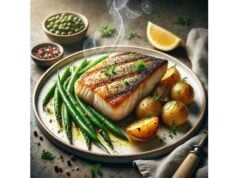
Porgy—often sold as scup in the U.S. and grouped with sea breams—offers lean, mild, slightly sweet flesh that cooks fast and pairs with almost any seasoning. It delivers complete, high-quality protein with virtually zero carbohydrates, plus valuable micronutrients like selenium, vitamin B12, phosphorus, and potassium. While not as oily as salmon, porgy still supplies meaningful long-chain omega-3s (EPA and DHA) that support heart and brain health. Whole fish are common and affordable, making porgy a smart choice for weeknight meals and for grilling or roasting on the bone. Sustainability is another plus: well-managed Mid-Atlantic scup fisheries and bycatch utilization mean you can enjoy porgy while supporting responsible seafood. As with any wild fish, safe handling and basic cooking know-how help you maximize nutrition and minimize risks from bones, parasites, and environmental contaminants.
Top Highlights
- Lean, 100 g serving provides ~19 g complete protein and beneficial omega-3s
- Naturally rich in selenium and vitamin B12 for thyroid and nervous system support
- Typical portion: 100–150 g cooked fish per serving, 2–3 times weekly as part of varied seafood intake
- Choose sustainably caught U.S. scup when possible; store cold and cook to 63°C (145°F)
- People who are pregnant, breastfeeding, or young children should favor lower-mercury choices and follow official fish-consumption advice
Table of Contents
- Detailed Overview
- Nutrition Profile
- Evidence-Based Health Benefits
- Risks, Allergies and Interactions
- Selecting, Quality, Sustainability and Storage
- Preparation, Cooking and Nutrient Retention
- Portions, Comparisons and FAQs
Detailed Overview
Porgy (Stenotomus chrysops), called scup along the U.S. Atlantic coast and grouped with the Sparidae (sea breams), is a versatile, budget-friendly white fish. Its flesh is firm yet flaky, with a delicate sweetness that welcomes citrus, herbs, and Mediterranean flavors. Compared with richer species like salmon or mackerel, porgy is lean. That means fewer calories per bite and a clean taste that suits pan-searing, roasting, grilling, and steaming.
Nutritionally, porgy is a high-protein, low-carb food that contributes essential micronutrients many people fall short on—particularly selenium (a key antioxidant cofactor for enzymes like glutathione peroxidase), vitamin B12 (important for red blood cells and nerve function), and phosphorus (bone and energy metabolism). It also supplies potassium and choline. While porgy’s total fat content is modest, the fat it does contain includes marine omega-3s (EPA and DHA), which are valuable even at moderate amounts.
Culinarily, porgy shines as a whole fish because its small size cooks evenly and retains moisture around the bones. That said, fillets are increasingly available. Expect fine rib and pin bones; a few quick passes with tweezers make for a better dining experience. Because the skin crisps beautifully, porgy is a favorite for weeknight “skin-on” pan fries. On the grill, scoring the skin helps prevent curling and encourages even heat penetration.
From a sustainability standpoint, U.S. scup fisheries are actively managed with quotas and seasonal controls. When you buy domestically landed porgy from reputable sources, you typically support a fishery with rebuilding measures and habitat protections. For shoppers seeking variety beyond heavily demanded species, porgy is a sensible—and often underappreciated—alternative.
Finally, safety: as a wild fish, porgy can carry parasites if consumed raw or undercooked; proper freezing or thorough cooking addresses this. Like other marine fish, porgy may contain trace contaminants, but it generally falls into moderate-to-low mercury categories compared with large predatory fish. Choosing trusted purveyors and following consumption advice for sensitive groups ensures benefits outweigh risks.
Nutrition Profile
Scope: Values below reflect raw scup/porgy per 100 g edible portion. Cooking alters weight and certain heat-sensitive nutrients; see “Preparation, Cooking and Nutrient Retention” for tips. Percent Daily Values (%DV) use U.S. labeling DVs for adults and children ≥4 years (2,000 kcal diet).
Macros and Electrolytes (per 100 g)
| Nutrient | Amount | %DV |
|---|---|---|
| Energy | ~105 kcal | — |
| Protein | ~18.9 g | 38% |
| Total fat | ~2.7 g | 3% |
| Saturated fat | ~0.6 g | 3% |
| Carbohydrate | 0 g | 0% |
| Fiber | 0 g | 0% |
| Sugars | 0 g | — |
| Cholesterol | ~45 mg | 15% |
| Sodium | ~45 mg | 2% |
| Potassium | ~310 mg | 7% |
| Water | ~77 g | — |
Notes: Porgy is naturally very low in carbs and sodium, with a favorable potassium-to-sodium ratio.
Fats and Fatty Acids
| Component | Amount | %DV |
|---|---|---|
| Omega-3 (EPA + DHA, total) | ~1.0 g | — |
| Omega-6 | ~0.1 g | — |
| Monounsaturated fat | ~1.0 g | — |
| Polyunsaturated fat | ~0.7 g | — |
Why it matters: Even ~1 g EPA+DHA per 100 g is a meaningful contribution toward heart-healthy patterns.
Protein and Amino Acids
| Item | Amount |
|---|---|
| Complete protein | ~18.9 g |
| Key essential amino acids | Well-balanced profile typical of finfish |
Why it matters: High biological value protein supports muscle repair and satiety.
Vitamins
| Vitamin | Amount | %DV |
|---|---|---|
| Vitamin B12 (cobalamin) | ~1.5 µg | 62% |
| Vitamin B6 (pyridoxine) | ~0.30 mg | 18% |
| Niacin (B3) | ~4.4 mg | 28% |
| Folate (DFE) | ~15–20 µg | 4% |
| Vitamin A (RAE) | ~30 µg | 3% |
| Choline | ~80–90 mg | 15–17% |
| Vitamin D | Trace–low (varies) | — |
Minerals
| Mineral | Amount | %DV |
|---|---|---|
| Selenium | ~46–52 µg | 84–95% |
| Phosphorus | ~200 mg | 16% |
| Magnesium | ~30 mg | 7% |
| Calcium | ~30 mg | 2% |
| Iron | ~0.5 mg | 3% |
| Zinc | ~0.5 mg | 5% |
| Iodine | Varies with habitat | — |
Contaminants and Residues (typical for wild finfish)
| Category | Typical Considerations |
|---|---|
| Methylmercury | Generally moderate-to-low in smaller, short-lived species like porgy; varies by location and fish size |
| Selenium:Mercury balance | Marine fish usually provide selenium; favorable Se:Hg ratios may be protective |
| Persistent pollutants (PCBs, dioxins) | Low in lean, small fish; trim skin/fat if concerned |
Footnote: Nutrition figures reflect raw porgy/scup averages from standard nutrient databases for finfish. Cooking methods (e.g., steaming vs. frying) change moisture and fat uptake and can modestly affect micronutrient retention.
Evidence-Based Health Benefits
1) Heart-friendly protein with marine omega-3s
Porgy provides high-quality protein with modest calories and roughly 1 g of EPA+DHA per 100 g raw. Diets that include seafood one to two times weekly are consistently associated with lower risk of coronary events and related mortality. Omega-3s help maintain normal heart rhythm, support endothelial function, and can modestly lower triglycerides as part of an overall healthy diet. Even lean fish contribute when eaten regularly alongside plant foods, whole grains, and unsalted nuts.
2) Selenium for antioxidant defenses and thyroid function
A single 100 g portion of porgy can supply ~85–95% of the selenium Daily Value. Selenium is a cofactor for glutathione peroxidases and deiodinases—enzymes that protect cell membranes from oxidative stress and convert thyroid hormones to their active forms. In seafood, selenium often coexists with trace mercury; a favorable selenium-to-mercury balance supports safer fish consumption and overall micronutrient adequacy.
3) Vitamin B12 for nerves and blood
Porgy is a reliable source of vitamin B12, providing over half the DV per 100 g. B12 helps maintain myelin (the protective sheath around nerves) and is essential for red blood cell formation. Adequate B12 intake supports energy metabolism and can help prevent deficiency-related anemia, especially in people with low animal-food intake or absorption challenges.
4) Satiety and weight-management support
With ~19 g of complete protein and little fat or carbohydrate per 100 g, porgy is nutrient-dense and satiating. Replacing processed meats or refined-carb entrées with lean seafood can reduce meal calories while preserving satisfaction, particularly when meals include fiber-rich vegetables and whole grains.
5) Cognitive and vision support across the lifespan
Marine omega-3s play structural and functional roles in the brain and retina. While porgy is not as omega-3-rich as the oiliest species, routine inclusion of lean fish helps build weekly totals and encourages a pattern of seafood diversity, beneficial for both pregnant people (choosing low-mercury options) and older adults interested in maintaining cognitive health.
6) Potassium for healthy blood pressure patterns
A 100 g portion of porgy contributes ~7% DV for potassium with very low sodium. Within a balanced eating pattern, higher potassium intakes support healthy blood pressure responses to sodium.
7) Bone and muscle maintenance
Phosphorus and protein support bone matrix and muscle repair. Porgy is easy to chew when cooked properly, making it a practical option for older adults aiming to meet protein goals without heavy meats.
How porgy fits into weekly goals
For most adults, aiming for 2–3 seafood meals per week (totaling ~225–340 g cooked fish) provides a practical balance of benefits. Combine porgy with some higher-omega-3 choices (e.g., sardines, salmon) across the week for coverage of fatty acid needs while keeping variety high and costs manageable.
Risks, Allergies and Interactions
Fish allergy
Porgy, like all finfish, can trigger IgE-mediated allergies. Reactions range from hives to anaphylaxis. People with diagnosed fish allergy should avoid porgy unless cleared by an allergist. Note that finfish and shellfish allergies are distinct; tolerance to one does not guarantee tolerance to the other.
Bones and choking hazards
Porgy is bony. Small pin bones may remain in fillets, and whole fish have fine rib bones. Debone carefully and consider serving flaked fish to young children or anyone at risk of choking.
Parasites and raw consumption
Wild finfish may harbor parasites (e.g., Anisakis). If eating raw or undercooked preparations, use fish that has been properly frozen according to time–temperature parameters, or choose commercially frozen “sushi-grade” product from reputable suppliers. Cooking to a safe internal temperature eliminates parasite risk.
Methylmercury and contaminants
Mercury accumulates with age and size in predatory fish. Porgy is a smaller, lean species and generally contains lower mercury than large predators, though levels vary by region and specimen size. Sensitive groups—those who are or may become pregnant, breastfeeding individuals, and young children—should follow official fish-choice charts that emphasize lower-mercury species and appropriate portion sizes. Trimming skin and visible fat has limited effect on mercury (which is in muscle) but can reduce exposure to fat-soluble pollutants where relevant.
Medication interactions
Regular fish intake is compatible with most medications. People on anticoagulants who also take concentrated omega-3 supplements should consult a clinician; routine dietary fish at typical portions rarely causes bleeding problems, but individual factors matter.
Food safety timing
Seafood spoils quickly. Keep porgy at ≤4°C (≤40°F), cook or freeze promptly, and observe safe thawing practices (refrigerator, cold-water changes, or sealed sous-vide baths kept below 5°C until cooking). Discard fish with ammonia-like odors or sticky/slimy surfaces.
Who should limit or avoid
- Anyone with known finfish allergy
- People who cannot safely manage bones (toddlers, individuals with swallowing disorders)
- Those advised to restrict seafood mercury (choose lower-mercury options and follow portion guidance)
- Immunocompromised individuals should avoid raw fish
Selecting, Quality, Sustainability and Storage
How to choose fresh porgy
- Eyes: Clear and bulging, not sunken or cloudy.
- Gills: Bright red to pink, free of slime.
- Skin: Metallic sheen with tight scales; no browning or dryness.
- Aroma: Clean, slightly briny; avoid strong “fishy” or ammonia notes.
- Fillets: Moist, translucent; edges not splitting; minimal gaping.
Sustainability signals
- Prefer U.S.-landed scup/porgy from the Mid-Atlantic/New England fisheries managed under quotas and seasonal measures.
- Look for credible eco-ratings or fishmonger transparency (gear type like handline or trawl, vessel/port).
- Rotate choices: mix porgy with oily species and farmed options certified for responsible practices to spread pressure and diversify nutrients.
Seasonality and availability
Porgy is more abundant in markets during warmer months when inshore migrations occur, though frozen fillets can provide year-round access. Frozen-at-sea options often preserve texture and safety.
Storage and handling
- Refrigeration: 1–2 days on ice (set fish on a rack over ice in a tray to prevent waterlogging).
- Freezing: For best quality, use within 3–6 months. Vacuum sealing limits freezer burn.
- Thawing: Overnight in the refrigerator; or sealed and submerged in cold water, changing every 30 minutes.
- Leftovers: 3–4 days refrigerated; reheat gently to preserve texture.
Smart shopping tips
- Ask for skin-on fillets if pan-searing; skin protects delicate flesh.
- If buying whole fish, request gutted and scaled with fins trimmed; have the fishmonger butterfly or score for grilling.
- For raw applications, confirm proper freezing documentation from the supplier.
Preparation, Cooking and Nutrient Retention
Safe internal temperature
Cook finfish to 63°C (145°F) or until flesh is opaque and flakes easily with a fork. This ensures parasite and pathogen control while preserving moisture if you avoid overcooking.
Fillet prep basics
- Pat fillets dry.
- Pin-bone with tweezers; run fingers along the centerline to feel for bones.
- Lightly score the skin to prevent curling in the pan.
- Season simply (salt, pepper, lemon zest) to highlight porgy’s sweetness.
Whole fish prep
- Have the fish cleaned. Score diagonal slashes on each side to allow even heat and seasoning penetration.
- Stuff cavity with citrus, garlic, and herbs (parsley, thyme, fennel fronds).
- Oil the skin lightly to encourage crisping.
Cooking methods and nutrient impacts
- Steaming/poaching: Maximizes moisture and preserves B-vitamins and minerals; minimal fat added.
- Baking/roasting (200–230°C / 400–450°F): Even heat; retains omega-3s; use a thermometer to avoid dryness.
- Pan-searing: Quick; crisp skin; small amount of high-smoke-point oil; finish in oven for thicker fillets.
- Grilling: Great for whole fish; use a clean, oiled grate; fish baskets help reduce sticking.
- Deep-frying: Increases fat and energy; some omega-3 loss to heat and oil exchange—occasional treat.
Retention pointers
- Avoid excessive heat/time to reduce losses of heat-sensitive vitamins (B6, B12) and preserve moisture.
- Marinate lightly in acid (lemon, vinegar) and oil to enhance flavor and slow surface oxidation; blot before cooking.
- Salt judiciously; porgy’s natural potassium helps keep the potassium-sodium balance favorable.
Flavor pairings
- Mediterranean: Lemon, olive oil, oregano, capers, cherry tomatoes.
- East Asian: Ginger, scallion, soy, sesame oil (finish with citrus).
- Caribbean: Lime, allspice, cilantro, Scotch bonnet (moderate heat).
- Modern pantry: Brown butter + herbs; miso-citrus glaze; fennel-orange gremolata.
Simple 20-minute pan-seared porgy (serves 2)
- 2 skin-on porgy fillets (120–150 g each)
- Salt and pepper; lemon zest
- 1–2 tsp neutral oil; 1 tsp butter
- Optional: capers, chopped parsley, lemon wedges
- Pat fillets dry; season. 2) Heat oil in nonstick or steel pan over medium-high. 3) Lay fillets skin-side down; press gently for 10–15 seconds. 4) Cook mostly on the skin (3–4 minutes), then flip ~1 minute. 5) Add butter; baste; finish to 63°C (145°F). 6) Scatter capers and parsley; serve with lemon.
Portions, Comparisons and FAQs
Recommended serving and frequency
- A typical cooked serving is 100–150 g (about a palm-sized fillet).
- As part of a balanced pattern, include 2–3 seafood meals per week. Mix porgy with a few higher-omega-3 species to meet overall EPA+DHA goals.
How does porgy compare to…
- Salmon: Salmon is fattier and much higher in omega-3s per serving; porgy is leaner with fewer calories and still provides B12 and selenium.
- Cod: Both are lean; porgy typically offers slightly more omega-3s and a sweeter flavor.
- Sardines: Sardines are much richer in omega-3s and calcium (if bones are eaten). Use porgy for delicate, versatile applications; sardines for concentrated omega-3s.
- Snapper (red): Porgy has a similar mild profile at a lower price, though it is bonier.
Is porgy good for meal prep?
Yes. Cooked fillets keep 3–4 days refrigerated. Reheat gently (low oven or steam) to avoid drying. Cold flaked porgy is excellent in grain bowls, tacos, or salads.
Can I eat porgy skin?
Absolutely—when scaled and cooked crisp, the skin is flavorful. It also protects delicate flesh and can retain micronutrients located near the surface.
Does porgy contain mercury?
All wild fish can contain trace mercury. Porgy is smaller and generally lower than large predators. Sensitive groups should prioritize lower-mercury species overall and observe official portion and frequency guidance.
Is porgy suitable for pregnancy?
Porgy can fit into pregnancy diets when chosen from lower-mercury options and eaten in the recommended weekly amounts. Emphasize thorough cooking, excellent hygiene, and trusted sources.
Budget ideas
Buy whole fish and ask for scaling and gutting; you’ll often pay less per kilogram than for trimmed fillets. Use trimmings for broth (strain well to catch bones), then freeze in ice-cube trays for quick sauces.
Quick troubleshooting
- Dry fish: Overcooked; use a thermometer and rest briefly.
- Sticking to pan: Insufficient preheating or moisture on the surface; pat dry and preheat oil.
- Strong smell: Not fresh; buy from a high-turnover counter and cook within 1–2 days.
References
- Nutrition Facts for Fish, scup, raw 2024 (Database)
- Advice about Eating Fish 2024 (Guidance)
- Dietary Guidelines for Americans, 2020–2025 2021 (Guideline)
- Mercury and selenium levels in 19 species of saltwater fish from New Jersey as a function of species, size, and season 2011 (Observational Study)
- Cook to a Safe Minimum Internal Temperature 2024 (Guidance)
Medical Disclaimer
The information in this article is for educational purposes only and is not a substitute for personalized medical advice, diagnosis, or treatment. Always consult a qualified healthcare professional about your specific health needs, medical conditions, medications, and appropriate fish choices and serving sizes, especially if you are pregnant, breastfeeding, have a seafood allergy, or are preparing food for young children.
If you found this guide useful, please consider sharing it on Facebook, X (formerly Twitter), or your preferred platform. Your support helps us keep producing clear, helpful nutrition content. Thank you.