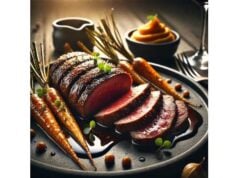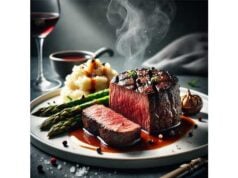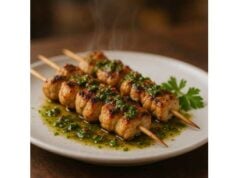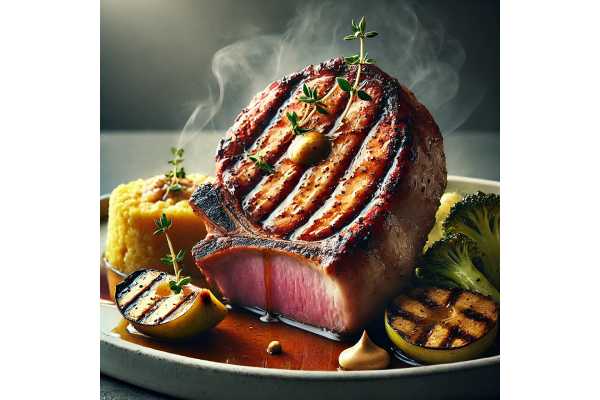
Pork is one of the world’s most versatile proteins, prized for its wide range of cuts—from delicate tenderloin and quick-searing chops to slow-cooking shoulder and richly flavored belly. Properly trimmed, many pork cuts are lean, high in complete protein, and naturally rich in thiamin (vitamin B1), selenium, and other B vitamins that support energy metabolism. Pork’s neutral, savory profile welcomes global seasonings, so it adapts to weeknight stir-fries, nourishing soups, weekend roasts, and meal-prep staples. Safety matters: whole-muscle pork is safe at 63 °C (145 °F) with a rest, while ground and sausage require 71 °C (160 °F); careful chilling protects quality and reduces risk. Thoughtful choices—favoring minimally processed cuts, smart cooking methods, and balanced portions with vegetables and whole grains—help you enjoy pork’s culinary flexibility while aligning with current health guidance. This guide covers benefits, a detailed per-100-gram nutrition profile, evidence-based health insights, risks and allergens, how to buy and store wisely, cooking techniques that protect nutrients, and practical portion tips and comparisons.
Key Takeaways
- Lean pork provides high-quality protein with notable thiamin, vitamin B6, and selenium per 100 g.
- Standard serving: about 85–120 g cooked (3–4 oz), enjoyed up to a few times weekly within total red meat limits.
- Safety first: cook whole cuts to 63 °C (145 °F) with a 3-minute rest; cook ground or sausage to 71 °C (160 °F).
- Processed pork (bacon, hot dogs, many deli meats) adds sodium and curing agents; keep intake minimal.
- People with alpha-gal syndrome, certain religious restrictions, or pork-cat allergy should avoid pork.
Table of Contents
- Pork: Detailed Overview
- Pork Nutrition Profile (per 100 g)
- Evidence-Based Health Benefits
- Risks, Allergies and Interactions
- Selecting, Quality, Sustainability and Storage
- Preparation, Cooking and Nutrient Retention
- Portions, Comparisons and FAQs
Pork: Detailed Overview
Pork is meat from domesticated pigs, a staple protein across Asia, Europe, the Americas, and parts of Africa. It spans an unusually broad spectrum of textures and fat levels. Tenderloin and top loin chops are naturally lean; shoulder (butt) and belly are richly marbled; ham and bacon are cured and often smoked. This diversity lets home cooks match the cut to the cooking method and nutrition goal.
Cuts and best uses
- Tenderloin: Very lean, mild, and fast-cooking; best roasted or pan-seared to gentle doneness.
- Loin chops/roast: Lean with a thin fat cap; ideal for quick sears plus a short oven finish, or for evenly heated roasts.
- Shoulder (Boston butt/picnic): High connective tissue; excels in low-and-slow braises, pulled pork, and stews.
- Belly/side: Fatty and flavorful; used for roasted belly, bacon, and lardons.
- Ham: From the hind leg; fresh (uncured) or cured and often smoked; sold cooked or cook-before-eating.
- Ribs: Spare ribs and baby backs benefit from gentle roasting or smoking.
- Ground pork and sausages: Versatile in dumplings, patties, sauces, and meatballs; fat content varies widely.
Nutrition positioning
Trimmed lean pork supplies concentrated, complete protein with notable thiamin—higher than most other red meats—plus vitamin B6 and selenium. Many cuts contain little to no carbohydrate, and sodium remains modest in fresh, unseasoned meat. Processed pork products are a different category: curing and smoking add sodium and nitrite/nitrate and often elevate saturated fat. Using fresh pork most of the time and reserving processed versions for occasional use helps align with mainstream health recommendations.
Flavor and texture management
Because some lean cuts cook quickly, dryness can occur if heat is too high or prolonged. Moisture-protective strategies include brining (2–3% salt), quick marinades with a little oil and acid (citrus, yogurt, or vinegar), and temperature control (reverse-sear, gentle roasting, or sous-vide). For tough cuts, collagen transforms into gelatin with time and heat, delivering succulent, shreddable texture.
Cultural and personal considerations
Pork is prohibited in certain faiths, and many people avoid it for cultural or ethical reasons. A tick-bite–associated allergy (alpha-gal syndrome) can cause reactions to mammalian meats, including pork. If pork doesn’t fit your diet, similar culinary roles can be filled by chicken thighs, turkey breast, or tofu-tempeh combinations, each with different nutrient profiles.
Bottom line: Pork can be part of a balanced pattern when you emphasize fresh, lean cuts, cook to safe internal temperatures, and pair with vegetables, legumes, and whole grains.
Pork Nutrition Profile (per 100 g)
Unless noted, values below reflect cooked, lean pork loin (trimmed, roasted). Numbers vary with cut, trimming, breed, feed, and moisture loss; treat as practical planning averages. %DV uses current adult Daily Values.
Macros and Electrolytes
| Nutrient | Amount (per 100 g) | %DV |
|---|---|---|
| Energy | ~200–210 kcal | 10% |
| Water | ~60–65 g | — |
| Protein | ~28–30 g | 56–60% |
| Total Fat | ~7–8 g | 10–12% |
| Carbohydrate | 0 g | 0% |
| Sodium | ~60–75 mg | 3% |
| Potassium | ~350–400 mg | 7–9% |
Fats and Fatty Acids
| Nutrient | Amount | %DV |
|---|---|---|
| Saturated Fat | ~2.5–3.0 g | 13–15% |
| Monounsaturated Fat | ~3.0–3.5 g | — |
| Polyunsaturated Fat | ~0.8–1.0 g | — |
| Cholesterol | ~80–90 mg | —* |
*No established %DV for cholesterol.
Vitamins
| Vitamin | Amount | %DV |
|---|---|---|
| Thiamin (Vitamin B1) | ~0.8–1.0 mg | 67–83% |
| Vitamin B6 | ~0.5–0.6 mg | 29–35% |
| Niacin (Vitamin B3) | ~7–10 mg | 44–63% |
| Vitamin B12 | ~0.6–0.8 µg | 25–33% |
| Riboflavin (Vitamin B2) | ~0.2–0.3 mg | 15–23% |
| Pantothenic Acid | ~0.7–1.0 mg | 14–20% |
Minerals
| Mineral | Amount | %DV |
|---|---|---|
| Selenium | ~30–40 µg | 55–73% |
| Phosphorus | ~200–240 mg | 16–19% |
| Zinc | ~2.0–2.5 mg | 18–23% |
| Iron | ~0.8–1.1 mg | 4–6% |
| Magnesium | ~20–25 mg | 5–6% |
Protein and Amino Acids
Pork provides complete protein with all essential amino acids. It is rich in leucine, isoleucine, and valine (branched-chain amino acids) that drive muscle protein synthesis. Creatine and taurine occur naturally in modest amounts; they contribute to cellular energy handling and osmoregulation.
Bioactives
Carnosine and coenzyme Q10 are present at low levels; their contribution is minor in typical servings but adds nuance to meat’s antioxidant and energy-related profile.
Allergens and Intolerance Markers
Allergy to pork is uncommon. Two notable patterns exist: alpha-gal syndrome (tick-bite–related mammalian meat allergy) and pork-cat syndrome (IgE cross-reactivity to porcine and feline serum albumins), the latter often presenting with reactions to raw or undercooked pork. Individuals with confirmed allergy should avoid pork and carry prescribed medication.
Contaminants/Residues
Fresh pork is regulated to minimize veterinary drug residues. Processed pork may contain nitrite/nitrate curing salts and smoke-derived compounds; sodium is typically high. As with all meats, avoid heavy charring to limit heat-derived by-products.
Glycemic and Acid–Base Metrics
With 0 g carbohydrate, pork has no direct glycemic effect. As a protein-rich food, it is mildly acid-forming; balancing meals with vegetables and legumes helps maintain overall dietary acid–base balance.
Fortification note: Values apply to unfortified fresh pork; processed products may add vitamins (rare) or markedly increase sodium.
Evidence-Based Health Benefits
High-quality protein for strength and recovery
A 100–120 g cooked serving of lean pork typically provides 26–34 g of complete protein—enough to anchor a meal aimed at the 25–35 g per-meal target often used to support muscle protein synthesis. This is helpful for athletes and for older adults seeking to preserve lean mass.
Thiamin advantage for energy metabolism
Pork is notably rich in thiamin (vitamin B1), a cofactor in carbohydrate and branched-chain amino acid metabolism. Adequate thiamin supports normal nerve function and helps convert dietary energy into ATP. Including lean pork once or twice weekly can materially contribute to thiamin intake in patterns that otherwise lean on poultry and fish.
Selenium and B6 for cellular defenses
Typical lean servings provide meaningful selenium, integral to glutathione peroxidases that limit oxidative by-products, and vitamin B6, which supports amino acid metabolism and immune function. Together with niacin and B12, these nutrients form a cluster that supports energy pathways, red blood cell production, and normal neurological function.
Satiety with portion control
Compared with many refined carbohydrate options, pork-centered meals—especially when paired with vegetables and intact grains—tend to increase satiety per calorie. Choosing leaner cuts (tenderloin, loin chops, center-cut roast) keeps saturated fat modest while maintaining flavor and fullness.
Culinary flexibility supports healthier patterns
Pork’s adaptable flavor profile and cut diversity make it easy to vary preparations in a balanced weekly plan: a citrus-herb tenderloin with quinoa and salad; miso-ginger stir-fried pork with a generous vegetable mix; or slow-cooked shoulder folded into bean-heavy tacos with crunchy slaw. This flexibility encourages consistency—one of the strongest predictors of long-term dietary success.
Practical tip
If you enjoy red meat several times per week, rotate pork with fish and legume-based meals, and keep processed pork—bacon, hot dogs, many deli meats—as occasional items. For whole-muscle pork, a quick thermometer check and a short rest ensure safety without overcooking, preserving tenderness and nutrients.
Risks, Allergies and Interactions
Undercooking and mishandling
All meats can harbor harmful bacteria if undercooked or cross-contaminated. For pork, safety guidelines specify 63 °C (145 °F) with a 3-minute rest for whole-muscle cuts (tenderloin, chops, roasts). Ground pork and fresh sausage require 71 °C (160 °F) because grinding distributes surface bacteria throughout. Reheat leftovers thoroughly and refrigerate promptly within two hours (one hour if ambient temperature is high).
Processed pork and long-term risk
Cured and smoked products (bacon, many hams, hot dogs, sausages) often contain sodium nitrite/nitrate and salt. Regularly high intakes of processed meat are linked with increased colorectal cancer risk in large evidence syntheses. Keeping processed pork to “little, if any” and limiting total red meat portions per week align with mainstream prevention recommendations. When you do choose processed options, select lower-sodium varieties, limit portions, and pair with fiber-rich foods.
Allergy considerations
- Alpha-gal syndrome (AGS): A tick-associated allergy to a carbohydrate (alpha-gal) found in mammalian meats can trigger delayed reactions to pork and other red meats. People with AGS should avoid pork and review non-food products that may contain mammal-derived ingredients with their clinician.
- Pork-cat syndrome: Sensitization to cat serum albumin can cross-react with pork, sometimes causing reactions to raw or undercooked pork; evaluation by an allergist is important.
Parasites and wild meats
Modern commercial pork is managed to minimize parasite risk; proper cooking temperatures eliminate concern. Wild boar and undercooked offal carry higher risk and should be fully cooked and handled with extra care.
Sodium and blood pressure
Fresh pork contains modest sodium, but brines, marinades, rubs, and processed items can quickly raise totals. People with hypertension should monitor salt added during prep and choose fresh cuts more often.
Medication and condition notes
- Gout and hyperuricemia: Organ meats (liver, kidney) are high in purines; limit frequency if you are sensitive.
- MAOI therapy: Aged, fermented sausages may be high in tyramine; discuss with your clinician if you use MAO inhibitors.
- Religious and cultural restrictions: Pork is not permitted in some faiths; choose alternative proteins that meet your dietary pattern and values.
Bottom line: Use a thermometer, store correctly, favor fresh over processed, and individualize choices if you have allergies or specific medical needs.
Selecting, Quality, Sustainability and Storage
Choosing the cut
- For lean meals: Tenderloin, center-cut loin chops/roast, sirloin chops.
- For slow cooking and shredding: Shoulder (Boston butt), picnic.
- For special-occasion richness: Ribs, belly.
- For convenience: Pre-trimmed medallions or stir-fry strips—verify that they are plain, not injected with salt solutions.
What to look for
- Color and texture: Fresh pork ranges from pale pink to light red with fine, moist muscle; avoid dull, sticky, or gray patches.
- Fat quality: A small, creamy-white fat cap on roasts protects moisture. Excess surface fat can be trimmed at home.
- Packaging: Vacuum-sealed cuts offer longer shelf life and minimal drip; avoid puffed packages or off odors after opening.
- Additives: Some “enhanced” pork is injected with saline or phosphates for juiciness. If you monitor sodium, select unenhanced cuts.
Sustainability snapshot
- Environmental footprint: Pork’s average greenhouse gas emissions per kilogram are typically lower than beef and higher than poultry; exact numbers vary by region, feed, manure management, and farming practices.
- Antibiotic stewardship: Look for producers that publish stewardship metrics and certify no routine antibiotic use. Third-party labels and local transparency can help, though standards vary.
- Waste reduction: Buy the right size cut for your household, repurpose leftovers (noodle bowls, grain salads, tacos), and convert bones/trim into stock.
Refrigeration and freezing
- Refrigerate fresh chops, roasts, and steaks for 3–5 days; ground pork for 1–2 days.
- Freeze chops, roasts, and steaks for 4–12 months for best quality; ground pork 3–4 months.
- Thaw in the refrigerator on a tray (allow up to 24 hours for thick roasts); for faster thawing, use cold-water submersion with frequent water changes. Never thaw at room temperature.
- Leftovers keep 3–4 days refrigerated; freeze for longer storage.
Food prep hygiene
- Keep raw juices away from salads, fruit, and cooked foods.
- Use separate cutting boards for raw meat and ready-to-eat items.
- Wash hands, knives, and surfaces after handling raw pork.
- Marinate in the refrigerator; discard used marinade or boil if reusing as a sauce.
Label literacy
- “Natural” indicates minimal processing, not farming method.
- “Uncured” on bacon or ham often means natural sources of nitrite (celery powder); sodium and nitrite may still be present.
- “No added hormones” is common on pork but largely a marketing statement in many regions where hormones are not permitted in pig production.
Preparation, Cooking and Nutrient Retention
Match method to cut
- Tenderloin and chops: Quick sear plus gentle oven finish or sous-vide. Overcooking dries them; aim for 63 °C (145 °F) and rest.
- Roasts (loin): Roast at moderate heat (160–175 °C / 325–350 °F) to the same internal temperature; rest 10 minutes before slicing.
- Shoulder: Low-and-slow (braise, slow cooker, smoke) melts connective tissue for shreddable texture.
- Belly and ribs: Slow roasting or smoking renders fat and develops crust; finish with brief high heat for color without heavy charring.
- Ground and sausage: Cook to 71 °C (160 °F); juices should run clear, and no pink remains.
Moisture and tenderness strategies
- Brine: 2–3% salt in water for 1–4 hours (shorter for medallions) increases water-holding and seasoning.
- Marinade: A little oil, acid (citrus, vinegar, yogurt), and aromatics (garlic, herbs) improve juiciness and browning.
- Reverse-sear: Start low (110–120 °C / 230–250 °F) to near target, then sear briefly for a golden crust with minimal overcooking.
- Resting: A 3–10 minute rest (shorter for thin cuts) evens temperature and retains juices.
Preserving nutrients
- Gentle heat: Moderate temperatures reduce losses of heat-sensitive B vitamins.
- Short cook times for lean cuts: Faster methods limit vitamin diffusion and moisture loss.
- Use the juices: Deglaze pans with stock or wine to capture flavorful, nutrient-bearing drippings.
- Avoid excessive char: Very high surface temperatures can form unwanted compounds; marinades with herbs, garlic, and spices add antioxidants and reduce formation.
Reliable templates
- Citrus-garlic tenderloin: Brief brine; rub with citrus zest, garlic, and pepper; roast to 63 °C (145 °F); rest; slice over farro and greens.
- Paprika-rubbed chops: Season with sweet paprika, thyme, and a touch of brown sugar; sear, then oven-finish; serve with roasted carrots and yogurt-herb sauce.
- Slow-braised shoulder: Brown lightly; add onions, tomatoes, chilies, and stock; braise covered until fork-tender; shred into bean-heavy tacos with cabbage slaw.
- Ginger-scallion ground pork: Stir-fry with mushrooms and snap peas; finish with rice vinegar; serve over brown rice or noodles.
Food safety reminders
- Measure internal temperature at the thickest point away from bone.
- For smoked and barbecued pork, temperature—not color or “pink ring”—determines doneness.
- Store leftovers promptly; chill shallow for rapid cooling.
Portions, Comparisons and FAQs
Portions and frequency
- Typical serving: 85–120 g cooked (3–4 oz) provides roughly 26–34 g protein, depending on cut.
- Weekly planning: If you eat red meat, aim for no more than about three portions per week (roughly 350–500 g cooked total), and keep processed meat to “little, if any.” Fill other days with fish, legumes, eggs, and poultry for variety and fiber balance.
How pork compares
- Pork tenderloin vs. chicken breast: Protein is similar; tenderloin usually has slightly more fat but remains lean; flavor is richer and stands up to bolder seasoning.
- Pork loin vs. beef sirloin: Loin is typically lean with milder flavor; iron content is lower than beef, while thiamin is higher.
- Shoulder vs. chuck roast: Both reward slow cooking; pork shoulder often contains more intramuscular fat and connective tissue, yielding succulent shredded meat.
- Bacon vs. fresh pork: Bacon’s sodium and curing agents move it into the “processed meat” category; enjoy sparingly and emphasize fresh cuts most of the time.
Who should limit or avoid pork
- People with alpha-gal syndrome or pork-cat syndrome (allergy).
- Individuals on sodium-restricted diets should minimize processed pork and brined products.
- Those with religious or cultural restrictions will select alternative proteins.
- People with gout may limit organ meats due to purine content.
FAQs
- Is slightly pink pork safe? Color alone is not a reliable guide. Whole-muscle pork is safe at 63 °C (145 °F) with a 3-minute rest, even if pink; ground pork must reach 71 °C (160 °F).
- What are the leanest everyday choices? Tenderloin, center-cut loin chops, and sirloin chops. Trim visible fat and cook gently.
- How can I reduce sodium when cooking pork? Skip pre-brined “enhanced” products, season with herbs and spices, finish with citrus or vinegar, and limit processed items.
- What sides boost nutrient balance? Roasted vegetables, leafy salads, beans/lentils, intact whole grains (farro, barley, brown rice), and fruit-forward salsas.
- Are organ meats healthy? Pork liver is nutrient dense (vitamin A, B12, iron) but high in cholesterol and purines; enjoy in small amounts and not daily.
Take-home: Choose lean cuts most often, keep processed products occasional, cook to safe temperatures, and build balanced plates rich in plants.
References
- Cook to a Safe Minimum Internal Temperature (2024) (Guideline)
- Cold Food Storage Chart (2023) (Guideline)
- Limit consumption of red and processed meat (2024) (Guideline)
- Thiamin – Health Professional Fact Sheet (2023) (Fact Sheet)
- About Alpha-gal Syndrome (2025) (Guidance)
Disclaimer
This guide is educational and not a substitute for personalized medical advice, diagnosis, or treatment. Always follow local food safety guidance, use a food thermometer to verify safe internal temperatures, and discuss allergies, medical conditions, and dietary changes with your healthcare professional.
If you found this article useful, please consider sharing it on Facebook, X (formerly Twitter), or your preferred platform. Your support helps us continue creating clear, practical, evidence-informed resources.