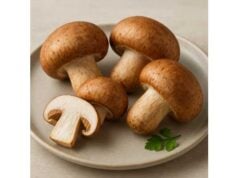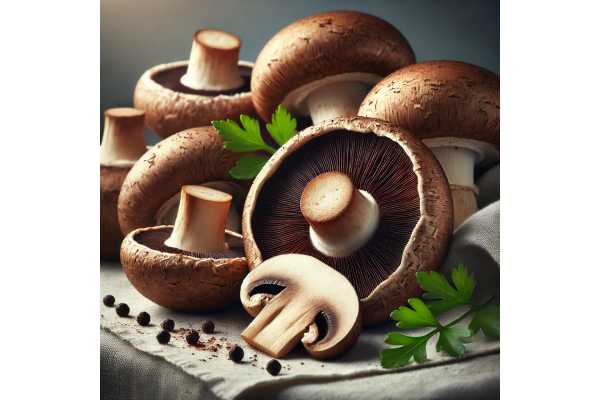
Portobello mushrooms (the mature form of Agaricus bisporus) deliver big, steak-like caps, deep umami, and weeknight versatility. Grilled or roasted, they concentrate flavor and stay pleasantly meaty; sliced or diced, they anchor tacos, grain bowls, and pastas without driving up calories or saturated fat. Nutritionally, portobellos are mostly water yet pack meaningful B-vitamins (riboflavin, niacin, pantothenic acid) plus copper, selenium, potassium, and fiber. Like all culinary mushrooms, they provide beta-glucans—fermentable fibers that support a balanced gut microbiome—and ergosterol, a compound that can convert to vitamin D₂ with UV exposure. Because portobellos are widely cultivated, quality is consistent and year-round, and they’re far easier to source safely than wild foraged species. This guide shows you how to choose, store, and cook portobellos for the best taste and texture, how to preserve their nutrients, where the real health benefits lie (and where they don’t), and the practical risks to know—so you can enjoy them often and with confidence.
Nutrition Snapshot
- Low calorie and sodium; good source of riboflavin, niacin, pantothenic acid, copper, selenium, and potassium per 100 g.
- UV-exposed portobellos can contribute vitamin D₂; quick, dry-heat cooking helps retain antioxidants.
- Typical cooked serving: 100–150 g (3–5 oz), enjoyed 2–4 times weekly in mixed meals.
- Safety note: avoid raw; cook thoroughly to improve digestibility and flavor.
- People with confirmed mushroom allergy or severe FODMAP sensitivity should limit or avoid.
Table of Contents
- Detailed Overview
- Nutrition Profile
- Evidence-Based Health Benefits
- Risks, Allergies and Interactions
- Selecting, Quality, Sustainability and Storage
- Preparation, Cooking and Nutrient Retention
- Portions, Comparisons and FAQs
Detailed Overview
Portobello mushrooms are the fully mature stage of Agaricus bisporus, the same species sold as cremini (mid-aged) and white button (young). As the cap expands to 10–15 cm, gills darken from pink to chocolate brown, water gradually evaporates, and texture firms, producing a satisfying chew and robust aroma. This maturity also explains why portobellos behave differently in the pan: they release more moisture early, then brown aggressively once surface water steams off.
Culinary profile: Portobellos contribute a layered umami built from natural glutamates and 5′-nucleotides. They take to high heat, smoke, acid, and herbs without losing their identity. Think: brushed with olive oil and balsamic, grilled and sliced over farro; roasted “burger” caps topped with pesto; or minced with walnuts and lentils to create a richly savory bolognese. Because the caps are broad and relatively flat, you can treat them like cutlets—sear and deglaze, bread and bake, or stuff and roast.
Economics and availability: Cultivation is standardized, so prices are predictable and waste is low. You can plan around them as a primary protein replacement or flavor amplifier. They store well for 4–6 days with minimal trimming loss, and stems (often discarded) are excellent finely chopped in sautés or blended into fillings.
Nutrition snapshot: Per 100 g raw, portobellos typically provide ~22–30 kcal; 2–4 g protein; ~3–5 g carbohydrate with ~1–2 g fiber; and only ~0.3–0.5 g fat. Micronutrients are where they shine: riboflavin, niacin, pantothenic acid, copper, selenium, potassium, and phosphorus. UV-exposed or “vitamin D” portobellos can supply meaningful vitamin D₂.
Everyday advantages: They help lower meal energy density, offer a low-sodium savory option, and substitute cleanly for 25–50% of meat in mixed dishes without sacrificing satisfaction. For plant-leaning eaters, portobellos add texture and browning cues that many meat alternatives struggle to deliver.
What they’re not: A cure-all. Benefits are best viewed through dietary pattern shifts—more vegetables and legumes; less processed meat; better overall fiber and mineral intake—rather than medicinal claims for a single mushroom.
Nutrition Profile
How to use these tables
Values below are per 100 g edible portion (raw portobello). Ranges reflect natural variability among cultivars and growing conditions. % Daily Values (%DV) use common adult reference intakes.
Macros and Electrolytes (per 100 g)
| Nutrient | Amount | %DV |
|---|---|---|
| Energy | 22–30 kcal | — |
| Water | 90–92 g | — |
| Protein | 2.1–3.5 g | 4–7% |
| Total carbohydrate | 3.3–5.0 g | 1–2% |
| Total sugars | 1.5–2.9 g | — |
| Dietary fiber | 1.0–2.2 g | 4–8% |
| Total fat | 0.3–0.5 g | 0–1% |
| Saturated fat | ~0.1 g | 0% |
| Sodium | 5–15 mg | 0% |
| Potassium | 300–420 mg | 6–9% |
Notes: Fiber includes chitin and beta-glucans. Potassium helps counterbalance sodium in mixed meals.
Vitamins (per 100 g)
| Vitamin | Amount | %DV |
|---|---|---|
| Riboflavin (Vitamin B2) | 0.35–0.50 mg | 27–38% |
| Niacin (Vitamin B3) | 3.5–6.0 mg | 22–38% |
| Pantothenic acid (Vitamin B5) | 1.2–2.0 mg | 24–40% |
| Folate (Vitamin B9) | 15–35 µg | 4–9% |
| Vitamin D₂ (UV-exposed) | 1–10 µg | 5–50% |
Vitamin D₂ varies widely and depends on UV exposure and storage. Cooking causes some loss; serving the cooking juices helps retain water-soluble vitamins.
Minerals (per 100 g)
| Mineral | Amount | %DV |
|---|---|---|
| Copper | 0.25–0.40 mg | 28–44% |
| Selenium | 6–12 µg | 11–22% |
| Phosphorus | 90–120 mg | 7–10% |
| Iron | 0.4–1.0 mg | 2–6% |
| Zinc | 0.5–1.0 mg | 5–9% |
| Magnesium | 8–16 mg | 2–4% |
| Manganese | 0.05–0.20 mg | 2–9% |
Fats and Fatty Acids
| Lipid | Amount |
|---|---|
| Total fat | 0.3–0.5 g |
| Predominant fatty acids | linoleic (n-6), palmitic; traces of alpha-linolenic (n-3) |
Protein and Amino Acids
| Metric | Value |
|---|---|
| Protein (g/100 g) | 2.1–3.5 |
| Highlights | Glutamic acid and alanine are prominent; complements grain proteins when combined in meals |
Bioactives / Phytonutrients
- Beta-glucans and other non-starch polysaccharides: fermentable fibers linked with immune balance and gut health.
- Ergosterol: precursor that converts to vitamin D₂ with UV.
- Phenolic compounds and small peptides: contribute to antioxidant capacity, enhanced by browning.
Allergens and Intolerance Markers
- Rare true allergy exists; symptoms vary from oral itching to systemic reactions in sensitized individuals.
- Chitin can be tough to digest; thorough cooking improves tolerance.
Glycemic and Acid–Base Metrics
- Glycemic load is negligible per typical serving; mushrooms contain little available starch.
- Mushrooms are generally alkaline-forming after digestion.
Additives & fortification: Fresh mushrooms contain no additives. Packaged or marinated products may include salt, oils, or acids; some portobellos are UV-treated for vitamin D₂ and labeled accordingly.
Evidence-Based Health Benefits
Micronutrient density for few calories. Portobellos add B-vitamins (riboflavin, niacin, pantothenic acid), copper, selenium, and potassium with minimal energy and virtually no saturated fat or sodium. For people aiming to lower energy density without sacrificing flavor, this is an easy win.
Immune and inflammatory tone through fungal polysaccharides. Beta-glucans in mushroom cell walls engage pattern-recognition receptors on innate immune cells. Rather than “boosting” immunity, they tend to normalize responses—supporting surveillance while discouraging chronic, low-grade inflammation. Regular inclusion in mixed meals can contribute to a more balanced immune baseline.
Gut microbiome support. Non-digestible mushroom fibers reach the colon, where microbes ferment them into short-chain fatty acids (SCFAs) such as acetate and butyrate. SCFAs help maintain the intestinal barrier and encourage immune tolerance. People often notice better tolerance when portobellos are cooked thoroughly and eaten with other fiber-rich foods.
Heart-smart substitutions. Replacing 25–50% of ground meat with minced portobello in burgers, meatloaf, or ragu lowers saturated fat and calorie density while preserving savory depth and browning. Using grilled portobello caps as a “burger” reduces refined buns and condiments by encouraging more vegetable-forward builds.
Antioxidant activity and cooking method. In studies comparing cooking methods, grilling and microwaving tend to preserve or enhance measured antioxidant capacity of mushrooms relative to boiling or deep-frying. Browning reactions generate additional antioxidant Maillard compounds; serving the pan juices captures water-soluble nutrients.
Vitamin D potential after UV. Exposing sliced mushrooms to sunlight or UV-B lamps can raise vitamin D₂ content substantially, and UV-exposed mushrooms have demonstrated bioavailability. Buying labeled “vitamin D” mushrooms or preparing UV-exposed batches at home can help close intake gaps—especially useful for people who avoid supplements.
Weight-management support via satiety and culinary patterning. Mushrooms add volume, chew, and umami at low energy cost. When they replace part of the meat in a dish, people often report equal satisfaction with fewer calories. Over weeks and months, these swaps meaningfully influence overall dietary patterns.
Pragmatic bottom line. Portobellos are a flavorful, flexible ingredient that fits into Mediterranean-style and plant-forward eating. Their benefits show most when they help you cook more vegetables, rely less on processed meats, and build meals around whole foods.
Risks, Allergies and Interactions
Allergy and intolerance. True mushroom allergy is uncommon but real. Symptoms range from oral itching to hives or respiratory issues in sensitized people. More commonly, individuals experience digestive discomfort from chitin and other structural fibers, especially with undercooked mushrooms. Thorough cooking, smaller portions, and combining with other foods improve tolerance. Anyone with a prior reaction should avoid mushrooms and consult a clinician.
Raw consumption is not advised. Raw portobellos can be tough and may upset the stomach. Cooking improves palatability and digestibility and reduces potential microbial risk from surface handling during production and retail.
Agaritine considerations. Agaricus species contain small amounts of agaritine (a hydrazine derivative) that decreases with cooking and storage. Culinary preparation—slicing, sautéing, grilling, roasting—significantly reduces agaritine content, and typical dietary exposures from cooked servings are considered low. Avoid consuming large quantities of raw mushrooms.
Medication interactions. Culinary amounts have no established drug interactions. Mushroom extracts or concentrated powders can modulate immune activity; people on immunosuppressive therapy or with autoimmune conditions should avoid high-dose supplements unless medically supervised.
Intestinal gas and FODMAP sensitivity. Some individuals sensitive to fermentable carbohydrates or polyols report gas or bloating after mushroom meals. Strategies: cook thoroughly, keep portions modest (100–150 g cooked), and pair with low-FODMAP sides if needed.
Food safety and storage. Like other fresh produce, mushrooms can spoil if left warm. Refrigerate promptly in a paper bag (not sealed plastic) and cook within 4–6 days. Discard caps that are slimy, sour-smelling, or deeply bruised. Reheat leftovers until steaming hot.
Special populations.
- Pregnant or breastfeeding: enjoy thoroughly cooked, commercially grown mushrooms; avoid raw and lightly marinated preparations.
- Young children: serve small, soft pieces to lower choking risk; introduce gradually to monitor tolerance.
- Kidney concerns: mushrooms contribute potassium; people on potassium-restricted diets should count portions within their plan.
Selecting, Quality, Sustainability and Storage
How to choose portobellos
- Cap and gills: Look for firm, broad caps with a dry, matte surface. Open gills should be deep brown but not wet or slimy. Slight cracking at the cap edge is fine.
- Stem and texture: Stems should be dense and smooth. Avoid caps that feel waterlogged or collapse when pressed.
- Aroma: Clean, earthy, and slightly sweet—never sour or fishy.
Storing and handling
- Refrigeration: Keep unwashed in a paper bag at 1–4 °C. Airflow prevents condensation and slime.
- Cleaning: Brush or wipe; a quick rinse is okay if gritty—dry thoroughly before cooking.
- Shelf life: 4–6 days when properly stored; cook sooner if caps weep liquid or feel tacky.
Batch prep to reduce waste
- Roast a tray (425 °F/220 °C, ~15–20 min) with minimal oil; chill quickly and refrigerate. Use across sandwiches, salads, grain bowls, and omelets all week.
- Save stems and trim for mince or to enrich broths and sauces; dry leftover slices at low heat and grind into mushroom powder for rubs.
Sustainability notes
- Cultivated mushrooms have a favorable resource profile per kilogram (land and water). Buying local reduces transport and keeps caps fresher.
- Use the whole mushroom. If only caps are needed for a recipe, chop stems into sautés or freeze for stock.
When quality flags
- Persistent steaming in the pan means the mushrooms were crowded or too wet. Cook in wider pans, pre-heat properly, and salt late to prevent premature water loss.
- Bitter or metallic notes usually reflect scorching, old oil, or excessive charring; adjust heat and fat accordingly.
Flavor pairings
- Brightening acids: balsamic, sherry vinegar, lemon juice.
- Herbs and aromatics: thyme, rosemary, garlic, shallot, parsley.
- Counters and complements: aged cheeses, toasted nuts, miso, soy sauce, tomato paste.
Preparation, Cooking and Nutrient Retention
Principles for better flavor and nutrition
- Drive off surface water first; then brown.
- Favor quick, dry-heat methods (grilling, microwaving, high-heat sautéing) to preserve antioxidants and B-vitamins.
- Capture juices: serve pan deglaze or roasting liquids to keep water-soluble nutrients in the meal.
Step-by-step: Grilled portobello steaks
- Prep (10 min): Wipe caps; remove stems (reserve). Score the cap surface lightly.
- Marinade (optional, 15–30 min): 2 tsp olive oil + 1 tsp balsamic + pinch salt + cracked pepper + thyme.
- Grill: Medium-high heat. Place caps gill-side down 4–5 min; flip, brush with marinade, 3–4 min more.
- Finish: Rest 2 minutes; slice. Add lemon zest or a spoon of salsa verde.
Step-by-step: Weeknight roasted slices
- Preheat oven to 220 °C (425 °F).
- Slice caps 1–1.5 cm thick; pat dry.
- Toss lightly with olive oil (1–2 tsp per 300 g), black pepper, and smoked paprika.
- Spread on a wide sheet; roast 10–15 min, flipping once.
- Deglaze hot pan with a splash of broth or sherry; pour over to serve.
Portobello “blend” for hearty sauces
- Finely mince 300 g portobello and brown in a dry pan until moisture evaporates; add 1 tbsp olive oil, then onion, garlic, and tomato paste. Fold into 300 g cooked lentils or 250 g lean ground meat for a lighter ragù with classic richness.
Vitamin D tip
- If you buy UV-labeled portobellos or briefly expose sliced mushrooms to midday sun/UV-B before cooking or drying, you can meaningfully increase vitamin D₂ in your dish. Store UV-enhanced batches airtight and away from light; use within a few weeks for best potency.
Retention reminders
- Grill or microwave to preserve antioxidant activity relative to boiling or deep-frying.
- Roast hot and fast to minimize drip loss; salt late.
- If simmering, drink the broth—many water-soluble nutrients move into the liquid.
- Cook through. Heat softens chitin and improves tolerance.
Quick flavor variations
- Smoky-sweet: paprika, maple, chili flakes.
- Herby-bright: lemon, parsley, capers.
- Umami-deep: miso, soy, butter, and a splash of mushroom stock.
Portions, Comparisons and FAQs
Practical portions and frequency
- Typical cooked serving: 100–150 g (3–5 oz).
- How often: 2–4 times per week fits well for most adults within varied diets.
- For kids: finely slice or dice; cook until tender; start with small servings.
How do portobellos compare to other mushrooms?
- Versus white button: deeper flavor, lower moisture after cooking, and sturdier texture.
- Versus cremini: similar taste but larger surface area for browning and stuffing.
- Versus shiitake or oyster: different aroma profile (portobello is toastier and malt-like), but all share low calories and useful B-vitamins.
- Vitamin D potential: depends on UV exposure rather than species; look for labeled “vitamin D” mushrooms or DIY exposure.
Frequently asked questions
Can I eat the gills and stems?
Yes. Gills darken sauces; scrape them only if you want a lighter color. Stems are flavorful—mince into sautés or stocks.
Why do my mushrooms steam instead of brown?
Crowding and surface moisture. Use a wide, hot pan; dry the slices; cook in batches; salt late.
Are portobello “burgers” nutritious?
They’re low in calories and saturated fat. Build with whole-grain buns, vegetables, and modest sauces to keep the meal balanced.
Do mushrooms provide complete protein?
No—like most plants and fungi, they’re not complete on their own. Combine with grains, legumes, nuts, or seeds for complementary amino acids.
Can I freeze them?
Yes, after cooking. Raw freezing damages texture; sauté or roast first, cool quickly, then freeze in portions.
References
- A Review of Mushrooms as a Potential Source of Dietary Vitamin D 2018 (Systematic Review)
- Effect of different cooking methods on nutritional value and antioxidant activity of cultivated mushrooms 2017
- Cadmium and Lead Content in Selected Fungi from Poland and Their Edible Safety Assessment 2021
- Mushrooms: a food-based solution to vitamin D deficiency to include in dietary guidelines 2024 (Systematic Review)
- Domestic cooking methods affect nutrient, phytochemicals, and flavor content in mushroom soup 2019
Medical Disclaimer
This article is for general education and does not replace personalized medical advice, diagnosis, or treatment. Always speak with a qualified healthcare professional about food allergies, medication interactions, and dietary changes—especially if you are pregnant or breastfeeding, managing a chronic condition, or considering significant shifts in your eating pattern. If you suspect a food allergy or experience adverse symptoms after eating mushrooms, stop consuming them and seek medical care.
If this guide was useful, please consider sharing it on Facebook, X (formerly Twitter), or your favorite platform. Your support helps us continue creating clear, practical nutrition resources.