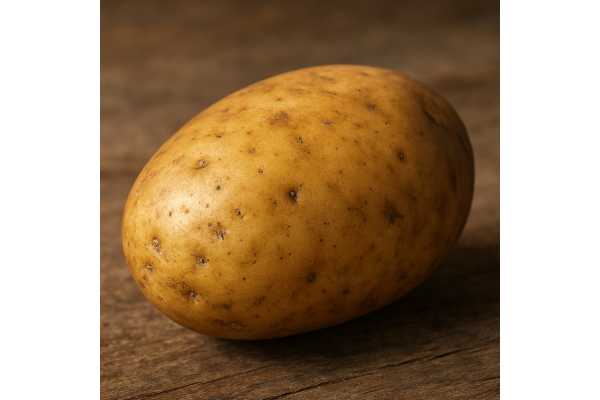
Potatoes are one of the world’s most familiar foods, yet their reputation swings from “comfort staple” to “carb to avoid.” In reality, the story is more balanced. A plain potato is a nutrient-dense tuber that supplies complex carbohydrates, fibre, vitamin C, vitamin B6, potassium, and a range of protective plant compounds. The way potatoes are prepared and what you eat with them matters far more than the potato itself.
From a culinary view, potatoes are remarkably versatile. Waxy varieties hold their shape in salads and stews, while starchy ones make fluffy mash and crisp roast edges. Across cultures, they appear in everything from simple boiled sides to elaborate layered bakes and dumplings.
At the same time, potatoes belong to the nightshade family and contain natural glycoalkaloids, which require some basic handling knowledge. Deep-fried, ultra-processed potato products also have a very different health profile from boiled or baked potatoes. This article walks you through the nuances: how potatoes contribute to nutrition and health, when they may pose concerns, and how to choose, store, cook, and portion them wisely.
Core Points for Potatoes
- A 100 g serving of boiled potato with skin provides about 80–90 kcal, mainly from complex carbohydrates, plus fibre, vitamin C, vitamin B6, and potassium.
- Plain boiled or baked potatoes can support satiety, blood pressure control, and performance when used in balanced meals, while frequent deep-fried potatoes are linked to higher cardiometabolic risk.
- A typical serving is about 120–150 g cooked potato (one medium tuber), enjoyed several times per week within a varied pattern that also includes whole grains, legumes, and non-starchy vegetables.
- Green, very bitter, or heavily sprouted potatoes should be avoided because of higher glycoalkaloid levels, and people with advanced kidney disease or strict carbohydrate limits should discuss potato portions with their clinician or dietitian.
Table of Contents
- Potato History Cultivation and Uses
- Potato Nutrition Profile in Depth
- Evidence Based Benefits of Potatoes
- Safety Allergies and Interactions from Potatoes
- Selecting Storing and Sourcing Potatoes
- Preparing Potatoes and Preserving Nutrients
- Potato Portions Comparisons and Common Questions
Potato History Cultivation and Uses
The potato (Solanum tuberosum) originated in the Andean region of South America, where Indigenous communities domesticated many varieties thousands of years ago. It was brought to Europe in the 16th century and gradually spread across the globe, becoming a major staple because it yields high amounts of energy and nutrients from a relatively small area of land. Today, potatoes are one of the most important food crops worldwide.
Botanically, potatoes are underground storage organs known as tubers. The plant belongs to the nightshade family, along with tomato and eggplant. This family naturally produces defensive compounds (glycoalkaloids) to protect against pests; understanding how to manage these safely is part of responsible use, which we will cover later.
From a culinary standpoint, potatoes are exceptionally adaptable. Broadly, varieties can be divided into:
- More starchy types (often called “floury”), such as some russet or baking potatoes, which become fluffy inside and crisp on the outside when roasted or baked.
- More waxy types, which hold their shape better and suit salads, gratins, and stews.
- All-purpose types that sit between these ends of the spectrum.
Common uses include:
- Boiled or steamed as a simple side, often with herbs and a small amount of fat.
- Baked whole, served with toppings such as yogurt, beans, or vegetables.
- Mashed, sometimes mixed with other roots or legumes.
- Roasted in the oven with a light coating of oil and spices.
- Added to soups, curries, and stews for body and mild sweetness.
- Incorporated into dumplings, gnocchi, breads, and pancakes.
Culturally, potatoes carry strong comfort associations, yet that does not inherently make them “bad” foods. Problems arise when they are heavily processed, deep-fried, or routinely paired with large amounts of salt, added fats, and processed meats.
In nutrition terms, potatoes are best thought of as starchy vegetables or complex carbohydrate foods that can replace or complement grains. A boiled potato has a different health impact from refined white bread or sugary snacks, even if the calorie content is similar. When combined with non-starchy vegetables, lean proteins, and healthy fats, potatoes can contribute to satisfying, nutrient-dense meals rather than undermining them.
Potato Nutrition Profile in Depth
Potato nutrition varies slightly with variety and cooking method. The following data focus on 100 g of boiled potato cooked in the skin, flesh only, without added salt, which is close to two-thirds of a medium potato.
Macros and Electrolytes (per 100 g boiled, with skin)
| Nutrient | Amount (per 100 g) | Approx. % Daily Value |
|---|---|---|
| Energy | 78–87 kcal | 4% |
| Water | ~77 g | — |
| Total carbohydrate | ~17–20 g | 6–7% |
| Dietary fibre | ~1.8–2.2 g | 6–8% |
| Total sugars | ~0.8–1 g | — |
| Protein | ~2 g | 4% |
| Total fat | ~0.1–0.2 g | <1% |
| Sodium | ~5–10 mg | <1% |
| Potassium | ~320–420 mg | 7–9% |
These numbers show that a boiled potato is mostly water and carbohydrate, with modest protein, minimal fat, and a meaningful contribution to daily potassium intake. Potassium supports normal fluid balance, muscle function, and blood pressure regulation.
Carbohydrates, Fibre, and Glycemic Aspects
| Carbohydrate Component | Amount (per 100 g) | Notes |
|---|---|---|
| Total carbohydrate | ~17–20 g | Mostly starch |
| Dietary fibre | ~1.8–2.2 g | Mostly insoluble, some soluble fibre |
| Estimated net carbs | ~15–18 g | Total carbohydrate minus fibre |
Boiled potatoes have a relatively high glycemic index when eaten alone, meaning they can raise blood glucose quickly. However, glycemic load for typical portions is moderate, and the impact on blood sugar is strongly influenced by:
- Portion size.
- Cooking method (boiled and cooled potatoes form more resistant starch).
- What else is on the plate (protein, fat, and fibre from other foods slow absorption).
Vitamins (per 100 g boiled, with skin)
| Vitamin | Amount (per 100 g) | Approx. % Daily Value |
|---|---|---|
| Vitamin C | ~8–12 mg | 9–13% |
| Vitamin B6 (pyridoxine) | ~0.2 mg | ~12% |
| Niacin (vitamin B3) | ~1.1 mg | 7% |
| Pantothenic acid (vitamin B5) | ~0.5–0.6 mg | 10–12% |
| Folate (vitamin B9, total) | ~15–20 µg | 4–5% |
| Thiamin (vitamin B1) | ~0.08–0.09 mg | 7–8% |
| Riboflavin (vitamin B2) | ~0.02–0.03 mg | 2–3% |
Vitamin C content is higher in potatoes than many people realise, especially when they are cooked with the skin and eaten soon after preparation. Vitamin B6 and pantothenic acid support energy metabolism and nervous system function.
Minerals (per 100 g boiled, with skin)
| Mineral | Amount (per 100 g) | Approx. % Daily Value |
|---|---|---|
| Potassium | ~320–420 mg | 7–9% |
| Magnesium | ~20–23 mg | 5–6% |
| Phosphorus | ~40–50 mg | 5–7% |
| Copper | ~0.15–0.2 mg | 15–20% |
| Iron | ~0.3–0.4 mg | 2–3% |
| Zinc | ~0.3 mg | 3% |
Copper and potassium are particularly notable. Copper plays a role in iron metabolism and connective tissue health; potassium is central to cardiac and muscular function.
Bioactives and Phytonutrients
Potatoes also contain:
- Phenolic acids such as chlorogenic acid, which contribute to antioxidant activity.
- Carotenoids and anthocyanins in coloured potatoes (yellow, red, purple flesh), with potential antioxidant and anti-inflammatory roles.
- Resistant starch, especially in cooled and reheated potatoes, which behaves similarly to fibre and may support gut health and insulin sensitivity.
The amount of these compounds varies widely by variety and preparation. Coloured potatoes and those eaten cooled or as leftovers often deliver more of these benefits.
What About Added Fats and Salt?
The basic nutrient profile of potatoes changes dramatically when large amounts of fat and salt are added:
- Boiled or baked potatoes remain very low in fat.
- Roasted potatoes can contain 5–6 g of fat per 100 g, depending on oil use.
- Deep-fried chips and crisps can contain 10–34 g of fat per 100 g, often with a high proportion of saturated or previously used frying oils.
From a health perspective, it is more accurate to distinguish plain potatoes from potato-based ultra-processed foods rather than treating all potato dishes as equal.
Evidence Based Benefits of Potatoes
Recent research has moved away from simplistic “potatoes are bad” narratives toward a more nuanced understanding. When minimally processed and prepared in healthier ways, potatoes can support several aspects of health.
Satiety and Weight Management Context
Because potatoes are water-rich and fibre-containing, they provide substantial volume for relatively few calories. Experimental studies that compare different carbohydrate foods often find that boiled potatoes score high on satiety scales. This means they can help people feel full on fewer calories, especially when they are:
- Served in moderate portions.
- Combined with vegetables and protein.
- Not deep-fried or loaded with high-fat toppings.
Large observational analyses increasingly suggest that total potato intake alone is not a strong independent predictor of weight gain once overall dietary pattern and preparation methods are considered. However, high intakes of fried potatoes, especially fries and crisps, are more consistently linked with weight gain and higher cardiometabolic risk.
Cardiometabolic Health
For many years, concerns about potatoes focused on their high glycemic index. Newer cohort and meta-analytic data paint a more differentiated picture:
- Total potato consumption, especially boiled or baked, often shows little to no clear association with cardiovascular disease, hypertension, or composite cardiometabolic outcomes when adjusted for lifestyle and dietary patterns.
- Processed and deep-fried potato products (fries, crisps) show more consistent links with higher risk of type 2 diabetes and cardiometabolic disease.
- Replacing frequent fried potato servings with whole grains is associated with lower risk of type 2 diabetes and improved cardiometabolic profiles, while simply replacing fries with other refined starches may not offer the same benefit.
Mechanistically, any adverse effects of fried potato dishes likely come more from high energy density, refined oils, and formed compounds such as acrylamide than from the potato itself.
Blood Pressure and Vascular Health
Potatoes provide meaningful potassium with little sodium when eaten plain. Higher potassium intake is associated with:
- Lower blood pressure in many individuals.
- Reduced risk of stroke in population studies when combined with lower sodium intake.
Boiled or baked potatoes can therefore fit within blood pressure-friendly eating patterns, provided they are not heavily salted or served mainly as vehicles for processed meats and high-sodium sauces.
Athletic Performance and Recovery
For physically active people and athletes, potatoes can be a useful source of:
- Quickly available carbohydrate for fuelling training or competition.
- Potassium and fluid to support muscle contraction and rehydration.
- Vitamin C and B6 to support tissue repair and energy metabolism.
Boiled or mashed potatoes, sometimes seasoned lightly and combined with a little salt and protein, are increasingly used as whole-food fuel options in endurance sports settings.
Gut Health and Resistant Starch
When potatoes are cooked, cooled, and later eaten chilled or reheated (for example, in potato salad or as leftovers), some of their starch forms resistant starch. This starch resists digestion in the small intestine and is fermented by gut bacteria in the colon, producing short-chain fatty acids that:
- Support intestinal barrier integrity.
- May improve insulin sensitivity.
- Help maintain a more favourable gut microbial environment.
This does not mean that all potatoes must be eaten cold, but it highlights that including some cooled potato dishes can enhance the variety of fermentable fibres in the diet.
Overall, evidence suggests that how often you eat deep-fried potato products and what you eat with potatoes matters far more than whether you eat boiled or baked potatoes at all. Minimally processed potatoes can be part of cardiometabolic-friendly, plant-forward diets in appropriate portions.
Safety Allergies and Interactions from Potatoes
Despite being widely consumed, potatoes do have safety considerations, particularly relating to natural toxins, cooking by-products, and specific health conditions.
Glycoalkaloids (Solanine and Chaconine)
Potato plants naturally produce glycoalkaloids, mainly α-solanine and α-chaconine, as defence chemicals. In typical concentrations in sound, properly stored tubers, these compounds are considered safe. However:
- Levels rise in potatoes that are exposed to light (leading to green patches), badly damaged, or heavily sprouted.
- High intakes can cause gastrointestinal and neurological symptoms such as nausea, vomiting, diarrhoea, headache, and in severe cases, more serious effects.
Practical safety guidance includes:
- Avoid eating potatoes that are green under the skin, taste unusually bitter, or have extensive sprouting and shrivelling.
- Peel away any localised green areas or discard the potato if a large portion is affected.
- Store potatoes in a cool, dark place rather than on a sunny windowsill or under bright kitchen lights.
Food safety authorities consider typical glycoalkaloid exposure from well-handled potatoes to be safe for the general population, but they continue to monitor levels and processing factors.
Acrylamide in Fried Potatoes
When starchy foods like potatoes are cooked at high temperatures (especially deep-fried or heavily browned), acrylamide can form via reactions between sugars and amino acids. Acrylamide is classified as a probable human carcinogen based on animal data.
You can reduce acrylamide exposure by:
- Favouring boiling, steaming, and baking over deep-frying.
- Avoiding very dark, burnt, or overly crisp fries and crisps.
- Soaking raw potato sticks briefly and patting them dry before oven baking, which can reduce surface sugars and limit acrylamide formation.
Occasional crisp or fry consumption is unlikely to dominate cancer risk, but routine reliance on deeply browned fried potatoes is not advisable.
Allergies, Intolerances, and Nightshade Sensitivity
True potato allergy is relatively rare but can occur, especially in individuals with other food allergies. Symptoms may include:
- Oral itching or tingling.
- Hives or swelling.
- Gastrointestinal discomfort.
- In severe cases, breathing difficulty or anaphylaxis.
Potatoes are also nightshades. Some people report non-allergic intolerance to nightshades (potato, tomato, pepper, eggplant), often in the context of inflammatory conditions. Evidence for broad nightshade elimination is limited, but an individual trial, supervised by a clinician or dietitian, can help clarify personal tolerance.
Kidney Disease and Potassium
Because potatoes are relatively high in potassium, individuals with:
- Advanced chronic kidney disease.
- Those on dialysis.
- People given specific low-potassium diets.
may need to limit portion sizes or use strategies such as boiling and discarding the cooking water (which reduces potassium somewhat). Any changes should be guided by a nephrologist or renal dietitian, since overly strict potassium restriction can also be harmful.
Blood Sugar Management and Diabetes
For people living with diabetes, potatoes can raise blood glucose, particularly when eaten in large portions or alone. However, they can still fit into many diabetes-friendly patterns when:
- Portion sizes are moderate (for example, one medium potato).
- Potatoes are boiled, baked, or steamed rather than fried.
- Meals include protein, fat, and non-starchy vegetables to slow absorption.
- Overall carbohydrate intake is balanced across the day.
Recent large studies suggest that frequent fried potato consumption is consistently associated with higher diabetes risk, while baked or boiled potatoes in moderate amounts have a much smaller effect. Replacing some potato servings with whole grains may offer additional protection.
Food Safety and Storage Hazards
A few additional safety notes:
- Foil-wrapped baked potatoes held at warm room temperature for long periods can, in rare cases, create conditions favourable for Clostridium botulinum growth. Cooked potatoes should be kept hot above safe temperatures or cooled rapidly and refrigerated.
- Leftover cooked potatoes should be stored promptly in the refrigerator and used within a few days.
With these precautions in mind, potatoes remain a safe food for most people.
Selecting Storing and Sourcing Potatoes
Thoughtful selection and storage of potatoes improve taste, reduce waste, and minimise safety risks.
Choosing Potatoes by Use
Different textures suit different dishes:
- Starchy (floury) potatoes: Ideal for baking, mashing, and roasting where you want a fluffy interior.
- Waxy potatoes: Better for boiling, salads, gratins, and soups where you want slices to hold shape.
- All-purpose potatoes: Flexible across methods, convenient if you do not cook large volumes of any single dish.
When shopping, look for:
- Firm, smooth tubers with intact skin.
- Minimal blemishes, cuts, or bruises.
- No or minimal green patches.
- Short, tiny sprouts at most (ideally none).
Avoid potatoes that are:
- Very soft, shrivelled, or rubbery.
- Strongly green over large areas.
- Heavily sprouted with long shoots and wrinkled skin.
Storing Potatoes at Home
Correct storage helps maintain quality and keep glycoalkaloids in a safe range:
- Temperature: Store in a cool, well-ventilated place, ideally around 4–10 °C. Very cold storage (like a refrigerator) encourages sugar formation, which can affect flavour and acrylamide formation in frying. For most households, a cool pantry or cellar is ideal if available.
- Light: Keep potatoes in the dark to prevent greening. Use opaque or paper bags, cardboard boxes, or covered baskets rather than clear plastic on a bright countertop.
- Humidity: Potatoes prefer relatively high humidity but not condensation. Perforated bags or open paper bags help balance airflow and moisture.
- Timing: Use older potatoes first. Rotate your stock so that new purchases go behind existing ones.
If you must store potatoes in the refrigerator due to climate or space, it is better to use them in boiled or steamed dishes rather than high-temperature frying, to limit acrylamide formation from increased sugars.
Preparing Before Cooking
Before cooking:
- Brush off excess dirt if present.
- Rinse under running water.
- Scrub with a vegetable brush if you plan to cook with the skin.
- Trim away any sprouts or green patches; peel more deeply in those areas if needed.
Potato skins provide extra fibre, minerals, and phytonutrients, so cooking with the skin on is often nutritionally advantageous when quality is good and the skin is palatable.
Sustainability and Environmental Considerations
Potatoes can align well with sustainable eating patterns:
- They produce high yields of energy and nutrients per unit land and water compared with many other staples.
- In many regions, they can be grown without protected cultivation, reducing energy use relative to some out-of-season vegetables.
- They store well, reducing food waste and the need for long-distance refrigerated shipping.
From a sustainability perspective, the main issues are:
- The environmental impact of intensive monoculture farming, which can be mitigated by crop rotation and integrated pest management.
- The resource and health costs of processing potatoes into deep-fried, ultra-processed products.
Choosing locally grown potatoes in season, supporting producers using good soil and pest-management practices, and cooking them at home in simpler ways can make potatoes part of a lower-impact diet.
Preparing Potatoes and Preserving Nutrients
Potatoes are forgiving in the kitchen, but details of preparation influence both health impact and enjoyment.
Basic Preparation
- Wash potatoes thoroughly under running water.
- Scrub if cooking with skins; peel if the skin is very tough, heavily blemished, or if you prefer a smoother texture.
- Cut into pieces suited to your dish: whole, halved, wedges, cubes, or slices.
- For even cooking, aim for similar size pieces in the same pot or tray.
Keeping potatoes in large pieces or whole during boiling can help limit loss of water-soluble vitamins.
Health-Conscious Cooking Methods
- Boiling or steaming
Simple boiling or steaming preserves the low-fat nature of potatoes. To reduce nutrient loss: - Use just enough water.
- Keep cooking time to what is necessary for tenderness.
- Use the cooking liquid in soups or mashes when you can.
- Baking
Baking whole potatoes concentrates flavour and keeps nutrients inside the skin. Pricking the skin allows steam to escape and reduces bursting. Top with lighter options such as beans, yogurt, olive oil, and vegetables rather than only high-fat meats and cheese. - Roasting
Toss pieces lightly in oil rather than drenching them. Use moderate oven temperatures and turn pieces once or twice. Herbs and spices (paprika, rosemary, garlic, thyme) add flavour without extra salt. - Microwaving
Microwaving in the skin with minimal added water is fast and tends to preserve vitamin C well. It can be a practical option for nutrient-conscious meals when time is short. - Cooling and reheating
Cooking potatoes ahead, cooling them, and later eating them cold or gently reheated increases resistant starch content. This may slightly reduce their immediate glycaemic impact and support gut health.
Methods to Limit
- Deep-frying and heavily pan-frying
These methods substantially increase energy and fat content and create more acrylamide. Fries and crisps can be occasional foods rather than everyday staples, especially for people concerned about weight, heart health, or diabetes. - Very high-temperature, prolonged browning
Dark brown or burnt edges may taste appealing but involve more acrylamide formation. Aim for golden rather than deep brown when roasting or baking.
Practical Meal Ideas
- Boiled new potatoes with olive oil, lemon, and herbs as a side to fish and steamed vegetables.
- Baked potato stuffed with lentil and vegetable stew, topped with a spoonful of yogurt.
- Roasted potato wedges with skins, served alongside a large salad and grilled tofu or chicken.
- Potato and vegetable soup using the cooking liquid, blended for a creamy texture without cream.
- Leftover boiled potatoes turned into a salad with beans, leafy greens, and a vinaigrette.
These options demonstrate how potatoes can sit comfortably in balanced, nutrient-dense meals when methods and portions are thoughtful.
Potato Portions Comparisons and Common Questions
Understanding how much potato to eat and how it compares with other carbohydrate foods helps you use it confidently rather than avoiding it altogether.
Practical Portions and Frequency
For most adults:
- A standard cooked portion is about 120–150 g (one medium potato or 4–6 small new potatoes).
- As part of main meals, this serving can appear several times per week within a balanced diet that also includes whole grains, legumes, and a variety of vegetables.
- Those with higher energy needs (very active individuals, adolescents) can comfortably have larger portions; those with lower energy requirements or strict carbohydrate limits may choose smaller servings.
Rather than focusing solely on grams, it can help to visualise:
- Roughly a quarter of the plate as starchy foods (potato, whole grains, or similar).
- Half the plate as non-starchy vegetables.
- The remaining quarter as protein foods.
Potatoes Compared with Other Carbohydrate Foods
Potatoes vs white rice
- Similar calories per cooked 100 g.
- Potatoes usually provide more vitamin C, potassium, and some B vitamins.
- Both can have relatively high glycemic indices; whole grains generally have more fibre and lower glycaemic impact.
Potatoes vs whole grains
- Whole grains such as oats, barley, or brown rice typically contain more fibre and some additional micronutrients.
- Potatoes offer more vitamin C and potassium but less fibre per energy unit in most cases.
- Replacing some potatoes with whole grains often improves cardiometabolic markers, especially in high-risk individuals.
Potatoes vs sweet potatoes
- Sweet potatoes provide more beta-carotene (provitamin A) and often more fibre.
- White potatoes tend to offer more potassium and sometimes more vitamin C, depending on preparation.
- Both can fit into healthy diets; variety is beneficial.
Potatoes vs bread and refined grain products
- A plain boiled potato is generally less processed, with no added fat, sugar, or salt, and provides more potassium and vitamin C than many refined breads.
- Heavily salted, fried, or processed potato products can lose this advantage.
Common Questions
Do potatoes cause weight gain?
No single food causes weight gain on its own. Weight change reflects total energy balance and lifestyle. Plain boiled or baked potatoes can be part of weight-management diets, especially when they replace more processed carbohydrates and are not paired with very energy-dense toppings.
Are potatoes bad for people with diabetes?
Potatoes are a source of carbohydrate and can raise blood glucose, but they are not automatically “off limits.” Boiled or baked potatoes in measured portions, eaten with protein, fats, and non-starchy vegetables, can be part of a personalised diabetes plan. Frequent consumption of deep-fried potatoes is more clearly associated with higher diabetes risk and is best minimised.
Should people avoid potatoes on low-carb or ketogenic diets?
Strict ketogenic diets usually restrict potatoes because of their carbohydrate content. People following more moderate carbohydrate reduction may include small portions occasionally. The decision depends on individual goals and medical advice.
Are potato skins healthy or risky?
Healthy potato skins are rich in fibre and contain many minerals and phytonutrients. They are beneficial when the potato has been stored correctly and shows no significant greening or damage. Green or very bitter skins should be removed, and heavily affected potatoes discarded.
Are coloured potatoes healthier?
Potatoes with yellow, red, or purple flesh contain extra pigments such as carotenoids and anthocyanins. These compounds have antioxidant and potential anti-inflammatory properties. Including a range of potato colours can slightly broaden your intake of these phytonutrients.
By treating potatoes as a nutrient-dense staple, prepared simply and eaten in context with other whole foods, you can enjoy them regularly without undermining health goals.
References
- Potatoes 101: Nutrition Facts and Health Effects 2022 (Evidence-Based Overview)
- Potatoes, boiled, cooked in skin, flesh, without salt: Detailed Nutrition Data 2023 (Nutrient Database)
- Risk Assessment of Glycoalkaloids in Feed and Food, in Particular in Potatoes and Potato-Derived Products 2020 (EFSA Scientific Opinion)
- Potato Consumption and Risk of Cardio-Metabolic Diseases 2020 (Systematic Review)
- Total and Specific Potato Intake and Risk of Type 2 Diabetes 2025 (Prospective Cohort and Meta-Analysis)
Disclaimer
This article is intended for general informational purposes only and does not provide personalised medical, nutritional, or dietary advice. Individual needs and risks depend on factors such as age, health conditions, medications, and overall lifestyle. People with conditions including diabetes, kidney disease, cardiovascular disease, food allergies, or digestive disorders should consult a qualified healthcare professional or registered dietitian before making significant changes to their diet or using potatoes or any other food as part of a therapeutic strategy.
If you found this overview useful, you are welcome to share it on Facebook, X (formerly Twitter), or any platform you prefer. Thoughtful sharing helps others access clear, evidence-informed guidance and supports the ongoing creation of high-quality nutrition content.