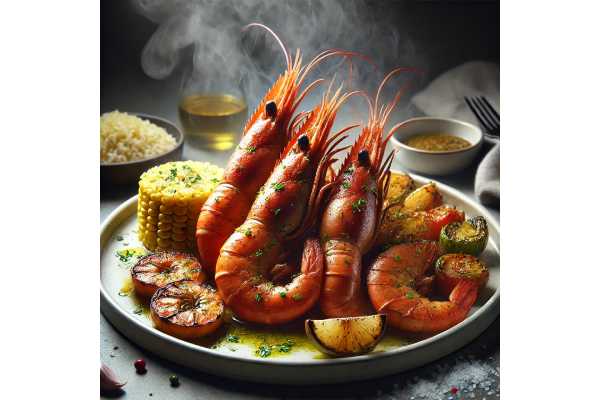
Prawns—often sold interchangeably with shrimp in many markets—are quick-cooking, versatile crustaceans with a sweet, clean flavor that works in everything from weeknight stir-fries to celebratory paellas. They deliver high-quality, complete protein with minimal fat, plus standout micronutrients like selenium, vitamin B12, phosphorus, iodine, and choline. Although they are leaner than oily fish, prawns still provide marine omega-3s (EPA and DHA) that support heart and brain health. Their shells and heads contain carotenoids such as astaxanthin, which can enrich broths and add color. With responsible sourcing—especially from well-managed wild fisheries or certified farms—prawns can be a nutritious, sustainable addition to the weekly menu. As with all seafood, handling and cooking practices matter: keep them cold, cook just to opaque, and be mindful of allergies or sulfite sensitivity if you are buying pre-treated products.
Quick Overview
- 100 g raw prawns supply ~20–24 g complete protein with ~0–1 g carbohydrate and beneficial omega-3s
- Naturally rich in selenium and vitamin B12; also provides iodine, phosphorus, and choline
- Typical portion: 100–150 g cooked prawns per serving, 2–3 seafood meals weekly as part of a varied diet
- Shellfish allergy is common; some products are treated with sulfites to prevent black spots—check labels if sensitive
- People who are pregnant, breastfeeding, or feeding young children should choose lower-mercury seafood and follow official portion guidance
Table of Contents
- Detailed Overview
- Nutrition Profile
- Evidence-Based Health Benefits
- Risks, Allergies and Interactions
- Selecting, Quality, Sustainability and Storage
- Preparation, Cooking and Nutrient Retention
- Portions, Comparisons and FAQs
Detailed Overview
“Prawn” and “shrimp” are culinary near-synonyms in many regions, though they differ taxonomically. In practice, you will encounter closely related species with similar nutrition, flavor, and cooking behavior. Raw prawn flesh is translucent gray or bluish; it turns pink or coral when cooked because heat releases carotenoids from the shell and surface tissues. Compared with fatty fish, prawns are very lean. That gives them a delicate sweetness, a springy bite when not overcooked, and a wide flavor window—mild enough for garlic and lemon, sturdy enough for chili, coconut milk, miso, or tomato.
From a nutrition standpoint, prawns combine high biological value protein with low energy density. A standard 100 g raw portion typically provides around 100 kcal, 20–24 g protein, and minimal saturated fat. Micronutrient strengths include selenium (a critical antioxidant cofactor), vitamin B12 (for nerves and blood), phosphorus (for bone and energy metabolism), iodine (thyroid health), and choline (cell membranes and neurotransmitters). Marine omega-3s (EPA and DHA) are present in moderate amounts; while prawns are not as rich as salmon or sardines, they contribute usefully to weekly totals.
Culinary versatility is a core advantage. Prawns cook in minutes by steaming, sautéing, grilling, roasting, or poaching. Their shells and heads—often discarded—are flavor powerhouses. Simmer them with aromatics for 20–30 minutes to extract a vivid, umami-rich broth that also captures pigments like astaxanthin. Use this as a base for risotto, ramen, or bisque. Because prawns cook so fast, they are ideal for quick meals: toss into a hot pan after your vegetables are nearly done, or add to soups just before serving.
Quality and sourcing influence both taste and sustainability. Look for clear labeling of species and origin. Reputable farmed prawns from certified operations and wild-caught options from well-managed fisheries can both be responsible choices. Freezing at sea preserves texture and safety; properly thawed frozen prawns often outperform “fresh” prawns that have spent days in transit. Finally, safe handling matters: keep prawns very cold, minimize time at room temperature, and cook to opaque—then stop to protect tenderness and nutrients.
Nutrition Profile
Scope: Values below are for raw prawns (shrimp), per 100 g edible portion. Cooking changes moisture and weight; see the cooking section for retention strategies. Percent Daily Value (%DV) uses U.S. labeling DVs for adults and children ≥4 years (2,000 kcal diet). Where no official %DV exists, the cell is shown with an em dash.
Macros and Electrolytes (per 100 g, raw)
| Nutrient | Amount | %DV |
|---|---|---|
| Energy | ~95–105 kcal | — |
| Protein | ~20–24 g | 40–48% |
| Total fat | ~0.3–1.7 g | 1–2% |
| Saturated fat | ~0.1–0.3 g | 1% |
| Carbohydrate | ~0–0.5 g | 0% |
| Fiber | 0 g | 0% |
| Sugars | 0 g | — |
| Sodium | ~100–150 mg | 4–7% |
| Potassium | ~250–300 mg | 5–6% |
| Water | ~74–78 g | — |
Notes: Sodium can be higher in brined or processed products; check the label if sodium is a concern.
Fats and Fatty Acids
| Component | Amount | %DV |
|---|---|---|
| Omega-3 (EPA + DHA, total) | ~0.25–0.35 g | — |
| Omega-6 (linoleic and others) | ~0.05–0.15 g | — |
| Monounsaturated fat | ~0.1–0.3 g | — |
| Polyunsaturated fat | ~0.2–0.4 g | — |
| Cholesterol | ~150–200 mg | — |
Why it matters: Even a few hundred milligrams of EPA and DHA per 100 g helps build weekly omega-3 intake when you eat seafood two or three times per week.
Protein and Amino Acids
| Item | Amount |
|---|---|
| Complete protein | ~20–24 g |
| Essential amino acids | Balanced profile typical of marine crustaceans |
Why it matters: High-quality protein supports muscle maintenance, immune proteins, and enzymes with relatively few calories.
Vitamins
| Vitamin | Amount | %DV |
|---|---|---|
| Vitamin B12 (cobalamin) | ~1.0–1.5 µg | 42–62% |
| Vitamin B6 (pyridoxine) | ~0.2–0.3 mg | 12–18% |
| Niacin (B3) | ~2.5–3.5 mg | 16–22% |
| Vitamin E (alpha-tocopherol) | ~1.0 mg | 7% |
| Folate (DFE) | ~15–25 µg | 4–6% |
| Choline | ~60–90 mg | 11–16% |
| Vitamin D | Trace–low (variable) | — |
Minerals
| Mineral | Amount | %DV |
|---|---|---|
| Selenium | ~35–55 µg | 64–100% |
| Phosphorus | ~170–220 mg | 14–18% |
| Iodine | ~20–50 µg (varies by habitat and feed) | 13–33% |
| Zinc | ~1.0–1.5 mg | 9–14% |
| Magnesium | ~25–35 mg | 6–8% |
| Calcium | ~40–70 mg | 3–5% |
| Iron | ~0.3–0.7 mg | 2–4% |
Bioactives and Processing Notes
- Astaxanthin: Orange-red carotenoid concentrated in shells and heads; infuses broths and oils with color and antioxidant activity.
- Glucosamine and chitin: Present in shells; not nutritionally significant in typical servings unless shells are consumed or broths are prepared.
- Additives: Some prawns are dipped in sulfite solutions (e.g., sodium metabisulfite) to prevent black spots (melanosis); labels must declare when present.
Contaminants and Residues
| Category | Typical Considerations |
|---|---|
| Methylmercury | Generally low compared with large predatory fish; follow official fish-choice charts for sensitive groups |
| Residues in aquaculture | Risk depends on farm practices and oversight; certified products reduce risk |
| Allergens | Tropomyosin is the dominant prawn allergen; heat-stable |
Footnote: Nutrient values reflect commonly reported ranges for raw prawns; product-specific labels may differ based on species, origin, and processing (e.g., added salt or phosphates).
Evidence-Based Health Benefits
1) Lean, high-quality protein for muscle and weight management
Prawns offer roughly 20–24 g of complete protein per 100 g raw with very little fat or carbohydrate. Protein supports muscle repair after activity, helps maintain lean mass during weight loss, and increases meal satiety—useful for calorie control when prawns replace refined-carb or ultra-processed entrées.
2) Selenium for antioxidant defenses and thyroid function
A 100 g portion can provide around two-thirds to a full day’s worth of selenium, a cofactor in glutathione peroxidases that limit oxidative damage, and in deiodinases that activate thyroid hormones. Regular inclusion of selenium-rich seafood helps close common micronutrient gaps.
3) Vitamin B12 for nerves and blood
Prawns routinely supply ~40–60% of the daily value for vitamin B12 per 100 g. Adequate B12 supports myelin integrity and red blood cell formation and can help prevent deficiency-related anemia, especially in people with low intake of animal foods or reduced absorption.
4) Marine omega-3s for cardiometabolic health
Although lean, prawns still contribute EPA and DHA. Eating seafood two or three times per week aligns with healthy dietary patterns associated with fewer cardiac deaths and better triglyceride profiles. Add one or two higher-omega-3 choices (e.g., salmon, sardines) elsewhere in the week for fuller coverage, and keep prawns for their protein density and culinary flexibility.
5) Iodine and choline for cognitive and thyroid support
Prawns supply iodine (intakes vary by habitat and feed) and choline, both essential for thyroid function and cell membranes. These nutrients are widely underconsumed; including prawns alongside eggs, dairy, and sea vegetables can contribute to meeting needs without excess calories.
6) Nutrient-dense alternative to processed meats
Replacing processed meats with prawns reduces saturated fat and sodium in many meals while increasing protein-per-calorie and micronutrient density. Think prawn tacos with cabbage-lime slaw, prawn stir-fries with vegetables, or prawn and barley salads.
7) Culinary speed and meal-pattern adherence
Because prawns cook in minutes, they make it easier to meet seafood-frequency goals on busy nights. Faster cooking also helps preserve heat-sensitive nutrients like B-vitamins compared with long, high-heat methods.
Risks, Allergies and Interactions
Shellfish allergy
Prawns are among the most frequent triggers of IgE-mediated food allergy. Tropomyosin is the key crustacean allergen and remains allergenic even after typical cooking. Reactions may range from hives and swelling to anaphylaxis. People with diagnosed crustacean allergy should avoid prawns unless guided by an allergy specialist.
Cross-reactivity and diagnosis
Cross-reactivity can occur among crustaceans (e.g., prawns, crab, lobster). Diagnosis often requires a clinical history plus testing, and in select cases an oral food challenge under medical supervision. Self-testing with small amounts at home is unsafe.
Sulfites and processing agents
To prevent shell discoloration (melanosis), some producers use sulfiting agents. Sensitive individuals may experience bronchospasm, flushing, or other symptoms. Check labels for “sulfites,” “sodium metabisulfite,” or “E223/E224,” and choose untreated options if you are sensitive.
Mercury and other contaminants
Prawns are generally lower in mercury than large predatory fish. Still, mercury varies by region and species. People who are or may become pregnant, those who are breastfeeding, and young children should prioritize lower-mercury choices and follow official guidance for portion size and weekly frequency.
Foodborne illness and parasites
Raw or undercooked prawns can harbor bacteria or parasites. Safe handling and proper cooking eliminate these hazards. Keep seafood cold (≤4°C / ≤40°F), avoid cross-contamination, and cook until the flesh turns opaque and firms throughout.
Medication considerations
Dietary amounts of seafood are compatible with most medications. Individuals taking prescription anticoagulants and high-dose omega-3 supplements should coordinate care with a clinician. Typical prawn portions do not increase bleeding risk.
Who should limit or avoid
- Anyone with confirmed crustacean allergy
- Individuals with sulfite sensitivity when labels indicate sulfite use
- Populations advised to follow strict low-mercury selections (choose verified lower-mercury prawns and follow serving guidance)
- Immunocompromised people should avoid raw prawn preparations
Selecting, Quality, Sustainability and Storage
Choosing quality prawns
- Smell: Clean, briny, slightly sweet; avoid strong “fishy” or ammonia notes.
- Appearance: Firm, glossy shells without yellowing or black spots (some black spotting is cosmetic melanosis, but heavy spotting suggests age or inadequate treatment).
- Texture: Springy and moist, not mushy; no excessive ice glaze on frozen packs.
- Labels: Look for species name, country of origin, production method (wild/farmed), and whether any additives (sulfites, phosphates) are used.
Sustainability signals
- Favor well-managed wild fisheries or certified farmed products where available. Certifications and transparent audits indicate better control of antibiotic usage, effluent, and habitat impact.
- Diversify your seafood choices across the week to reduce pressure on any single species and to balance nutrient intake.
Fresh vs. frozen
- Frozen-at-sea prawns often have better texture and safety than “fresh” options that have been thawed at the counter for days.
- If buying previously frozen prawns sold as “fresh,” cook them soon; avoid refreezing if quality matters.
Storage and handling
- Refrigeration: Keep at ≤4°C (≤40°F) and use within 1–2 days. Store on ice in a covered container; drain meltwater to avoid waterlogging.
- Freezing: Freeze raw or cooked prawns in airtight packaging; use within 3–6 months for best texture.
- Thawing: Thaw overnight in the refrigerator. For speed, submerge sealed packages in cold water, changing the water every 30 minutes. Do not thaw at room temperature.
- Leftovers: Refrigerate promptly and use within 2–3 days; reheat gently just to steaming hot.
Smart shopping tips
- Buy shell-on when possible; shells protect meat during cooking and are perfect for stock.
- For grilling or quick sautés, choose larger sizes (e.g., 16–20 per pound) for better control; for soups and fried rice, smaller sizes are convenient and economical.
- When planning raw or lightly cooked dishes, source high-quality, previously frozen products from vendors that adhere to stringent hygiene standards.
Preparation, Cooking and Nutrient Retention
Safe doneness
Cook prawns until the flesh is pearly or white and opaque throughout. For mixed seafood dishes where you use a thermometer, aim for 63°C (145°F) in the thickest piece. Overcooking turns prawns rubbery and squeezes out moisture; remove from heat as soon as color and texture change.
Cleaning and prep
- If frozen, thaw safely (see storage).
- Remove heads if attached (reserve for stock).
- Peel shells; leave tails on for presentation if you like.
- Devein by making a shallow slit along the back and lifting out the dark tract.
- Pat very dry before cooking for good browning.
Low-waste flavor boosters
- Shell stock: Simmer shells and heads with onion, celery, fennel, peppercorns, and a strip of citrus peel for 20–30 minutes; strain and chill or freeze.
- Aromatics: Garlic, ginger, chili, lemongrass, smoked paprika, and tomato paste pair well with prawns’ sweetness.
- Finishes: Lemon juice, lime zest, fresh herbs, or a dab of butter added off heat enhance flavor without long cooking.
Cooking methods and nutrient impacts
- Sautéing/stir-frying: Fast and hot; preserves B-vitamins and minerals by limiting cook time. Add prawns near the end and cook 1–3 minutes per side depending on size.
- Steaming/poaching: Gentle and even; minimizes added fat and keeps moisture high.
- Grilling/broiling: Excellent for larger prawns; brush with oil to prevent sticking and cook quickly over high heat.
- Roasting: Even heat for sheet-pan meals; preheat the pan and roast 5–8 minutes at 220°C (425°F).
- Deep-frying: Delicious but increases energy density and can drive fat absorption; reserve for occasional meals.
Retention pointers
- Keep cook times short to protect texture and heat-sensitive nutrients (e.g., B6, B12).
- Salt lightly; prawns absorb seasoning quickly.
- Acidic marinades (citrus, vinegar) tenderize but can turn the surface chalky if left too long; 15–30 minutes is plenty.
- If using stock enriched with shells, you’ll extract carotenoids like astaxanthin, which can contribute antioxidants and color to soups and sauces.
Two fast, reliable methods
Garlic-lime sauté (serves 2)
- 300 g peeled prawns, patted dry
- 1 tbsp oil; 2 cloves garlic, minced; pinch chili flakes
- 1 tbsp lime juice; chopped coriander; salt and pepper
Heat oil until shimmering, cook garlic 10–15 seconds, add prawns, sauté until just opaque (about 2 minutes), season and finish with lime and herbs.
Sheet-pan prawns with tomatoes (serves 3–4)
- 500 g prawns, 300 g cherry tomatoes, 2 tbsp olive oil, 1 tsp smoked paprika, lemon wedges
Toss, spread on a preheated tray, roast 6–8 minutes at 220°C (425°F). Serve with lemon and crusty bread or whole grains.
Portions, Comparisons and FAQs
Recommended serving and frequency
- Typical cooked serving: 100–150 g (about a cupped-handful of peeled prawns).
- As part of a varied pattern, plan 2–3 seafood meals per week. Combine prawns with one or two higher-omega-3 species elsewhere in the week.
How do prawns compare to other seafood?
- Prawns vs. salmon: Prawns are leaner and lower in calories; salmon provides far more omega-3s per serving.
- Prawns vs. cod: Both are lean; prawns supply more selenium and B12, cod offers large, easy-to-portion fillets.
- Prawns vs. sardines: Sardines win on omega-3s and calcium (if you eat the bones); prawns excel in culinary versatility and quick cooking.
- Prawns vs. mussels: Mussels provide more iron and often more omega-3s; prawns are easier to portion and shell for rapid meals.
Can I eat prawns if I watch my cholesterol?
Dietary cholesterol in prawns does not translate directly into blood cholesterol for most people. Overall patterns—saturated fat intake, fiber, and physical activity—drive serum lipids. Many people can include prawns in heart-conscious meals; if you have a specific medical plan, follow your clinician’s advice.
Are farmed prawns safe?
Reputable, certified farms use responsible feed, water quality monitoring, and residue controls. Choose suppliers that disclose origin and auditing. Frozen products from audited operations can be high-quality and consistent year-round.
What size should I buy?
Sizing is given by count per pound (e.g., 16/20 means 16–20 prawns per pound). Larger sizes are ideal for grilling and presentation; smaller sizes are great for pasta, fried rice, and soups. Choose the size that suits your recipe and budget.
Why do some prawns have black spots?
This is melanosis—enzymatic browning on the shell. It is mostly cosmetic but indicates age. Some producers use sulfite dips to slow melanosis; if you’re sensitive to sulfites, select untreated products.
Leftovers and meal prep
Cooked prawns keep 2–3 days in the refrigerator. Add to salads, cold noodle bowls, or tacos. Reheat very gently to avoid toughness—just until steaming.
References
- Advice about Eating Fish 2024 (Guidance)
- Cook to a Safe Minimum Internal Temperature 2024 (Guidance)
- Diagnosis and management of shrimp allergy 2024 (Systematic Review)
- Comparison of the Proximate Composition and Nutritional Profile of Byproducts and Edible Parts of Five Species of Shrimp 2021 (Research Article)
- Dietary Guidelines for Americans, 2020–2025 2021 (Guideline)
Medical Disclaimer
This guide is for general education and is not a substitute for personalized medical advice, diagnosis, or treatment. Always speak with a qualified healthcare professional about food allergies, pregnancy and breastfeeding nutrition, medication interactions, and the right seafood choices and portions for your health status.
If you found this article useful, please consider sharing it on Facebook, X (formerly Twitter), or any platform you prefer. Your support helps us continue producing clear, evidence-informed nutrition content.