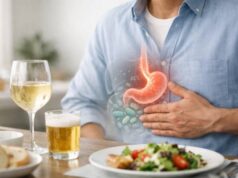
Prebiotic soda sits at the crossroads of two trends: “better-for-you” soft drinks and everyday gut care. Instead of relying only on sugar and flavor, these beverages typically add prebiotic fibers—ingredients meant to nourish helpful gut microbes. For some people, that can translate into small but meaningful wins, such as more regular stools or a gentle nudge toward a higher-fiber routine. For others, the first experience is less pleasant: bloating, gassiness, or a tight, distended feeling after a can.
Both outcomes can be true, and the difference often comes down to dose, fiber type, your baseline diet, and how sensitive your gut is to fermentation. This article breaks down what “prebiotic soda” actually means, what benefits are realistic, why bloating happens so often, and how to test it safely without turning your day into a science experiment—or a stomach ache.
Key Insights
- Prebiotic soda can add a modest amount of fermentable fiber that may support stool regularity and beneficial microbes when used consistently.
- Bloating is a common tradeoff, especially with inulin and similar fibers, and is more likely if you increase intake quickly.
- People with IBS, high sensitivity to FODMAPs, or frequent diarrhea often tolerate prebiotic soda poorly.
- Start with one half serving daily for 3 to 4 days, then increase only if symptoms stay mild and predictable.
Table of Contents
- What makes a soda prebiotic
- How prebiotics affect the gut
- Benefits you can and cannot expect
- Why prebiotic soda can cause bloating
- Who should use caution
- How to try it with less discomfort
What makes a soda prebiotic
A “prebiotic” is not just any fiber. In practical terms, it is a substance your body does not digest, but certain gut microbes can use, producing changes that support health. Prebiotic soda uses that idea to reposition a sweet, fizzy drink as something closer to a functional food.
What is usually inside
Most prebiotic sodas include one or more added fibers, commonly:
- Inulin or chicory root fiber
- Fructooligosaccharides (often shortened to FOS)
- Soluble corn fiber or resistant dextrin
- Acacia fiber (gum arabic)
- Sometimes blends of fibers to spread fermentation through the colon
These fibers contribute to the “grams of fiber” number on the nutrition label. Many products aim for a noticeable fiber claim per can, because that is the clearest marketing signal.
What “prebiotic soda” is not
It helps to separate prebiotic soda from a few look-alikes:
- Soda with “natural flavors” and less sugar: Lower sugar does not automatically mean prebiotic.
- Probiotic soda: Some drinks add live cultures, but viability, storage, and dose can vary widely. A probiotic claim is different from a prebiotic fiber dose.
- Fiber-free sparkling water: Carbonation alone can affect fullness and belching, but it is not prebiotic.
Why label-reading matters more here than in most foods
Two prebiotic sodas can feel completely different in your gut because the fiber type and sweeteners matter as much as the fiber amount. If a product uses sugar alcohols or certain non-nutritive sweeteners, the “bloating” you blame on prebiotics may actually be driven by sweetener fermentation or osmotic effects in the intestine. Also, some sodas include fruit juice concentrates or acidic flavor systems that can irritate reflux-prone people.
A useful rule: treat prebiotic soda like a supplement delivered in a drink. The label is your dosing guide, and your gut response is your feedback.
How prebiotics affect the gut
Prebiotic fibers do most of their work in the large intestine. Because you do not digest them the way you digest starch or sugar, they reach your colon where microbes break them down—often quickly. That breakdown is the source of both the potential benefit and the potential discomfort.
The fermentation tradeoff: helpful compounds and more gas
When microbes ferment prebiotic fibers, they produce short-chain fatty acids (SCFAs) such as acetate, propionate, and butyrate. SCFAs are linked to:
- Supporting the gut barrier and mucus layer
- Influencing bowel movement patterns through motility effects
- Helping regulate inflammation signaling in the gut environment
- Shifting which microbial groups thrive
At the same time, fermentation produces gas. A small amount is normal. When the fermentation is rapid or your gut is sensitive to distension, gas becomes symptoms: pressure, cramping, audible gurgling, or visible bloating.
Not all prebiotic fibers behave the same
The “feel” of a prebiotic depends on where and how fast it ferments.
- Faster-fermenting fibers (often inulin and some FOS forms) can trigger gas earlier and more intensely, especially if you are not used to them.
- Slower-fermenting fibers may be gentler but can still cause symptoms at higher doses.
- Blends sometimes aim to distribute fermentation more evenly through the colon, which can reduce the sharp “balloon” feeling some people get with a single fast fiber.
This is why one can may feel fine and another may feel like a mistake—even if both say “prebiotic.”
Carbonation adds a separate layer
Prebiotic soda has two bloating mechanisms in one package:
- Immediate distension from carbonation: This can cause burping, fullness, and a stretched sensation within minutes.
- Delayed distension from fermentation: This often shows up later, commonly a few hours after ingestion.
If your discomfort hits quickly, carbonation is a prime suspect. If it builds later, fermentation or sweeteners are more likely.
Your baseline diet changes your response
If you usually eat a low-fiber diet, even a moderate fiber dose can feel dramatic at first. The gut adapts—often within a couple of weeks—by shifting microbial capacity and how your intestines handle gas. The mistake many people make is going from “very little fermentable fiber” to “a full can daily” overnight.
Benefits you can and cannot expect
Prebiotic soda can be useful, but it helps to keep expectations realistic. Most evidence for prebiotic benefits comes from studies of specific fibers in controlled doses, not from soda as a product category. The soda format can still deliver meaningful fiber, but it also includes variables—sweeteners, acids, carbonation, and flavor compounds—that do not exist in a simple fiber supplement.
Where it may help
For the right person, prebiotic soda can support gut health in practical, everyday ways:
- Closing a fiber gap: If you regularly fall short on fiber, a drink that adds several grams can contribute to a higher daily total.
- Constipation-leaning patterns: Some prebiotic fibers can soften stool and support regularity by increasing fermentation products and water-holding capacity.
- Microbiome support: Many prebiotic fibers tend to increase certain “fiber-loving” microbes, which may be a positive direction—especially when paired with a diet that also includes plant variety.
A key point: prebiotic soda is most likely to help when it is part of a broader pattern (more plants, more fiber overall, consistent hydration), not when it is the only “gut health” action you take.
Where it is unlikely to deliver what marketing suggests
Some claims are simply too big for a soda to credibly carry:
- “Detox” and “cleansing” language: The gut does not need cleansing from a beverage. Your liver and kidneys handle detoxification.
- Dramatic inflammation reduction: While fiber can influence inflammation pathways, meaningful clinical change usually requires diet pattern shifts and, for many conditions, medical therapy.
- Guaranteed microbiome transformation: Microbiomes are individual. The same prebiotic can lead to different shifts in different people.
Who tends to notice benefits most
In practice, the people most likely to feel a positive effect are those who:
- Have mild constipation or irregular stools
- Eat relatively little fiber and increase gradually
- Do not have strong sensitivity to fermentation
- Use prebiotic soda as an occasional tool rather than an all-day beverage replacement
A grounded way to measure “does it help?”
If you try prebiotic soda, judge it by outcomes you can actually observe:
- Stool frequency and ease (without urgency)
- Less straining and a more complete feeling after bowel movements
- A predictable, tolerable level of gas rather than worsening discomfort
- Overall diet quality improving because you are thinking more about fiber
If the main outcome is daily bloating, the “gut health” benefit is not worth the cost for you—even if the label looks impressive.
Why prebiotic soda can cause bloating
Bloating is the most common reason people quit prebiotic soda. That does not mean something is “wrong” with your gut. It usually means the dose, the fiber type, or the delivery method is not matched to your current tolerance.
The three most common drivers
- Rapid fermentation of certain fibers
Some prebiotic fibers ferment quickly, producing a large gas load over a short window. If you are sensitive to distension, that gas feels bigger than it is. - Carbonation and swallowed air
Fizzy drinks increase stomach volume temporarily. Drinking quickly, using a straw, or sipping while talking can add extra swallowed air, increasing belching and upper abdominal pressure. - Sweeteners that pull water into the gut or ferment
Some sweeteners can cause bloating and loose stools independent of prebiotic fibers. If symptoms include urgency or watery stools, consider sweeteners as strongly as fiber.
Timing clues that help you identify the cause
Use the clock to narrow down what is happening:
- Within 5 to 30 minutes: more consistent with carbonation, swallowed air, or reflux sensitivity.
- Within 1 to 3 hours: can be a mix—especially if the drink is taken on an empty stomach.
- Within 3 to 8 hours: often points to colonic fermentation, especially if you also notice more gas later in the day.
Why people with IBS often struggle
In IBS, the issue is not only “how much gas is produced,” but also how the gut senses and handles it. Many people with IBS have visceral hypersensitivity, meaning normal levels of distension feel painful or alarming. In addition, common prebiotic fibers such as inulin and certain FOS forms overlap with the FODMAP category that triggers symptoms in many IBS patients.
How to reduce bloating without giving up immediately
If you want to see whether you can adapt, these strategies are often more effective than simply “toughing it out”:
- Start with a smaller dose and increase slowly
- Drink it with food rather than on an empty stomach
- Avoid pairing it with a high-fermentable meal (large onion, garlic, wheat-heavy, or bean-heavy meals for sensitive people)
- Try a non-carbonated prebiotic approach if you suspect carbonation is your main trigger
- If constipation is present, address it; trapped stool can amplify distension and discomfort
A key mindset shift: bloating is not a moral failure or a “bad gut.” It is a dose-response signal.
Who should use caution
Prebiotic soda is not automatically unsafe, but it is not a neutral beverage for everyone. The same fermentable fibers that help one person can trigger significant symptoms in another.
People who often do poorly with prebiotic soda
You may want to be especially cautious if you have:
- IBS with prominent bloating, pain, or diarrhea: Fermentable fibers can worsen symptoms, particularly fast-fermenting types.
- Known FODMAP sensitivity: Inulin and many FOS ingredients can be common triggers.
- Frequent unexplained diarrhea: Added fibers and sweeteners can increase urgency and stool looseness.
- Active inflammatory bowel disease symptoms: Some fermentable fibers can aggravate symptoms in certain individuals during flares.
- Significant reflux or sensitive esophagus: Carbonation and acidity can worsen upper digestive symptoms even if the fiber itself is tolerated.
Situations where professional guidance is smarter than self-testing
Consider getting individualized guidance before making prebiotic soda a habit if you:
- Have unintentional weight loss, persistent vomiting, blood in stool, or anemia
- Have ongoing abdominal pain that disrupts sleep
- Have had recent gastrointestinal surgery or complex digestive conditions
- Are managing multiple medications where timing and absorption matter
Medication timing considerations
Added fibers can alter the timing of absorption for some oral medications by slowing gastric emptying or binding in the gut. A simple precaution is to separate prebiotic soda from critical medications by about 1 to 2 hours unless your clinician advises otherwise.
Children and pregnancy considerations
For children, prebiotic soda is generally not an ideal way to “do gut health” because it may normalize sweet beverage habits and the fiber dose can be unpredictable relative to body size. During pregnancy, fiber is often helpful, but nausea, reflux, and bloating are also common—making carbonation and fermentable fibers harder to tolerate. In both cases, food-based fiber is typically the more comfortable first line.
The bottom line: if your gut is already reactive, adding a fizzy, fermentable product may amplify symptoms. If your gut is fairly stable, you have more room to experiment carefully.
How to try it with less discomfort
If you are curious about prebiotic soda, the safest approach is to treat it like a dose trial. Your goal is not to prove you can tolerate it; your goal is to learn whether it improves something meaningful without creating new problems.
A simple two-week trial plan
- Days 1 to 4: start small
Drink about half a serving once daily, preferably with a meal. Avoid straws and avoid chugging. - Days 5 to 10: increase only if symptoms stay mild
If bloating is minimal and predictable, increase to one serving daily. If symptoms increase, return to half a serving for a few more days. - Days 11 to 14: evaluate outcomes, not hype
Ask: Are stools easier or more regular? Is bloating mild enough that you do not think about it? Do you feel better overall?
If you notice escalating pain, persistent diarrhea, or daily discomfort, that is a clear sign to stop rather than “push through.”
How to choose a better-tolerated option
You can often improve tolerance by choosing a product with:
- Lower total fermentable fiber per serving
- Fewer added sweeteners known to cause gastrointestinal upset
- A fiber blend that feels gentler for you than a single fast-fermenting fiber
- A serving size that is realistic to split
If you are sensitive, it can help to let the drink partially de-fizz before drinking. This does not remove fermentation effects, but it can reduce immediate upper abdominal pressure from carbonation.
Make it a supplement, not a replacement for food fiber
Prebiotic soda works best as a small add-on to a fiber-forward diet. If your overall fiber intake is low, the most dependable gut benefit usually comes from increasing whole-food sources:
- Legumes, oats, chia, flax, and nuts
- Fruits and vegetables with edible skins
- Cooked and cooled starches (for some people) as a source of resistant starch
If you want prebiotic benefits with less risk of bloating, consider smaller doses spread across the day rather than one concentrated hit. Many people tolerate “little and often” far better than “all at once.”
When it is not worth continuing
Stop the experiment if any of these happen consistently:
- Bloating that affects sleep, work, or appetite
- Cramping that feels sharp or progressive
- New diarrhea that does not settle after a few days
- A pattern where you keep drinking it mainly because you feel you “should,” not because it helps
Gut health habits should make life easier, not more uncomfortable. If prebiotic soda does not agree with you, that is useful information—not a setback.
References
- The Prebiotic Potential of Inulin-Type Fructans: A Systematic Review – PMC 2021 (Systematic Review)
- Fructooligosaccharides for Relieving Functional Constipation: A Systematic Review and Meta-Analysis of Randomized Controlled Trials – PubMed 2024 (Systematic Review and Meta-Analysis)
- A randomised, placebo-controlled trial in healthy humans of modified cellulose or psyllium evaluating the role of gelation in altering colonic gas production during inulin co-administration – PMC 2026 (RCT)
- ACG Clinical Guideline: Management of Irritable Bowel Syndrome – PubMed 2021 (Guideline)
- Carbonated beverages and gastrointestinal system: between myth and reality – PubMed 2009 (Review)
Disclaimer
This article is for educational purposes only and does not replace individualized medical advice. Digestive symptoms such as persistent bloating, abdominal pain, diarrhea, constipation, reflux, or changes in bowel habits can have many causes, and a “gut health” product may be inappropriate for some conditions. Seek prompt medical care if you have blood in stool, black stools, unexplained weight loss, persistent vomiting, fever with diarrhea, dehydration, severe or worsening abdominal pain, or symptoms that wake you from sleep. If you have IBS, inflammatory bowel disease, significant reflux, are pregnant, or take prescription medications, consider discussing fermentable fiber products with a qualified clinician.
If you found this article helpful, please consider sharing it on Facebook, X (formerly Twitter), or any platform you prefer.