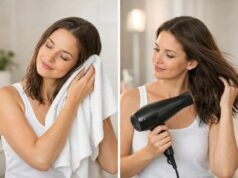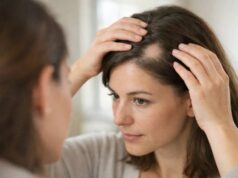
Hair rarely snaps in one dramatic moment. More often, it wears down quietly: strands rub against fabric, bend at the same weak points, tangle at the nape, and dry out at the ends night after night. By morning, the damage can look like frizz, split ends, rough texture, or short broken pieces around the crown and hairline. That is why protective sleep hairstyles matter. The right overnight style lowers friction, limits unnecessary stretching, and helps delicate ends stay tucked away instead of grinding against a pillow for seven or eight hours. It can also make wash day easier by reducing knots and keeping your style closer to its original shape. The goal is not to create a tight, perfect updo before bed. It is to give your hair a low-stress environment while you rest. Once you understand what causes overnight breakage, choosing a protective style becomes much simpler and much more effective.
Essential Insights
- Protective sleep styles help reduce friction, tangling, and end wear, especially on long, curly, coily, heat-styled, or chemically treated hair.
- A loose braid, pineapple, soft twist, or low bun can preserve shape overnight while making morning detangling easier.
- Overnight protection should feel secure but never painful; scalp tenderness, bumps, or hairline tension are warning signs.
- Start with dry or nearly dry hair, smooth the ends, and pair the style with a satin or silk covering for the best results.
Table of Contents
- Why hair breaks overnight
- Protective sleep hairstyles that work
- Choosing the right style for your hair
- Bonnets, scarves, and pillowcases that help
- Tension warning signs to take seriously
- A bedtime routine that prevents breakage
Why hair breaks overnight
Breakage is usually a hair-shaft problem, not a root problem. That distinction matters because many people mistake short broken pieces for heavy shedding. If you are unsure whether you are seeing snapped strands or full hairs with a bulb at the end, it helps to understand breakage versus shedding before you change your routine. Overnight damage happens when fragile fibers face repeated friction, bending, and tension for hours at a time. Hair does not need a flat iron or bleach to weaken. It can also wear down through small mechanical stresses that build up slowly.
Why nighttime creates wear
When you sleep with hair loose, it rubs against the pillow every time you turn your head. Cotton absorbs more moisture and creates more surface drag than smoother fabrics, so the cuticle can become rougher over time. Once the cuticle lifts, neighboring strands catch on each other more easily. That is when you wake up with tiny knots, a matted nape, or ends that feel crisp even when the rest of your hair feels soft. Long hair is especially vulnerable because the oldest, driest part of the fiber is usually the last few inches. Curly and coily hair can be even more exposed because each bend in the strand creates more opportunities for friction and weak points.
Chemical processing and heat styling lower the margin for error. Bleached, highlighted, relaxed, permed, and heavily heat-styled hair usually has less resilience, so the same amount of overnight rubbing causes more visible damage. Fine hair can also break easily because it has less bulk in each fiber. On the other hand, thick hair is not automatically safer; it can knot more densely and pull against itself if it is not contained before bed.
Where breakage tends to show first
The most common trouble spots are the ends, the crown, the nape, and the hairline. Ends split because they are oldest. The crown gets surface friction. The nape tangles as the head shifts on the pillow. The hairline is delicate and often suffers when people sweep everything tightly backward to keep it “protected.” A good sleep hairstyle solves all four problems at once: it keeps strands grouped, reduces rough contact, and avoids concentrated pulling. That is why true overnight protection is less about one trendy hairstyle and more about controlling friction and tension at the same time. It also helps explain an important point many people miss: a sleep style does not make hair grow faster, but it can improve length retention by preventing the small losses that happen when fragile ends keep snapping off.
Protective sleep hairstyles that work
The best protective sleep hairstyle is one that you stop noticing once your head hits the pillow. It should keep the hair contained, protect the ends, and preserve your style without putting stress on the scalp. In practice, a few options work well for most people.
Loose braids and low-manipulation styles
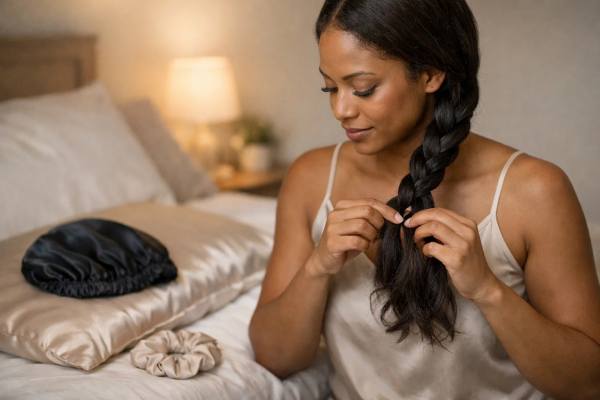
A loose three-strand braid is one of the safest default choices for medium to long hair. It keeps strands aligned, reduces tangling, and prevents the ends from spreading across the pillow. Two loose braids can work even better for thick hair because they distribute bulk more evenly and create less pulling at one point. For textured hair, chunky twists or a few large flat twists can serve the same purpose with less disruption to curl pattern than one tight braid down the back.
A low loose bun can work for straight or softly wavy hair, but only if it is truly loose and secured with a soft scrunchie. If the bun feels heavy, pulls at the roots, or leaves a deep mark by morning, it is too tight. A high “pineapple” is often better for curly hair because it lifts curls away from the pillow and helps preserve definition. The key is height without strain. The base should feel gentle, not rigid, and the ends should not be trapped under a tight band.
Styles that protect shape as well as strength
If your goal is both less breakage and a better second-day style, match the overnight method to the look you want in the morning. Loose braids can soften waves. Pineappling protects curls. Flat twists or a soft wrap can smooth stretched natural hair. For people who like bend without heat, very gentle overnight styling can also act as one of the safer heat-free shaping methods, provided the sections are not pulled too firmly.
What matters most is moderation. Small, tight braids may look neat, but they usually create too many tension points for nightly use. Heavy extensions, tight rollers, and rigid accessories can turn a so-called protective style into repeated trauma. Protective sleep hairstyles should lower manipulation, not add another engineering project to your evening. In most cases, simpler is better: fewer sections, softer holds, tucked ends, and enough looseness that your scalp stays calm all night. If you wear locs, the same principle applies. Gathering them loosely and preventing repeated rubbing at the perimeter is usually more helpful than compressing them tightly under a narrow tie.
Choosing the right style for your hair
There is no single best protective hairstyle for everyone, because overnight needs change with length, texture, density, and damage level. The smartest choice is the one that protects your weakest area without flattening your style or irritating your scalp.
By texture and pattern
Straight hair usually needs help with tangling and end wear more than shrinkage. A loose braid or low ponytail with a soft scrunchie often works well. Wavy hair benefits from loose braids, a low twisted bun, or a soft wrap that keeps the mid-lengths from rubbing apart. Curly hair often does best with a pineapple, two high loose puffs, or several large twists, because curls lose shape when compressed under the head. Coily hair often needs the most deliberate protection, especially if dryness and tangling are already issues. In that case, large twists, flat twists, banding, or a gentle stretched style can reduce knotting and make the next day easier to manage.
By length, density, and fragility
Short hair may only need a bonnet or scarf if there is not enough length to braid. A chin-length bob often does well with a silk wrap or a very low loose tie at the nape. Medium-length hair is the easiest to style overnight because it can usually be braided or twisted without much weight. Very long hair often does better in two braids than one because the load is split. Dense hair also tends to perform better in two or four large sections rather than one bulky style.
Hair condition matters just as much as hair type. Fine strands, highlighted hair, relaxed hair, and hair with obvious roughness need gentler handling and fewer points of tension. If your ends are dry, prioritize styles that keep them tucked or folded. If your mids are tangling, choose a style that holds sections together from root to end. If your hair swells and frizzes quickly, understanding your porosity care approach can help you decide whether you need a lighter leave-in, a smoother seal on the ends, or less product before tying it up.
A useful rule is this: your overnight style should solve your biggest morning complaint. If you wake up with flattened curls, choose height. If you wake up with knots, choose sectioning. If you wake up with brittle ends, choose coverage and less friction. That practical lens makes the right choice easier than following a generic trend.
Bonnets, scarves, and pillowcases that help
A protective hairstyle does more when you pair it with the right sleep surface. Containing the hair is only half the job. The other half is reducing how much the hair catches, dries out, and rubs while you move.
What each option does best
A bonnet is usually the most complete option because it covers the hair from all sides. It is especially useful for curls, coils, braids, twists, and long hair that tends to escape a scarf. A scarf can work beautifully for smoothing the hairline, preserving a wrap, or keeping a short style flat, but it may shift during sleep if it is tied too loosely. A smooth pillowcase is less targeted, but it still helps by reducing drag when some hair slips out. Many people do best with a “both, not either” approach: a bonnet or scarf on the head and a smooth pillowcase as backup in case the covering moves overnight.
There is a reason readers often compare bonnet and pillowcase trade-offs. A pillowcase protects only the surface your hair touches. A bonnet follows the hair wherever it moves. That makes bonnets more consistent for preventing tangles, while pillowcases are better as a supportive layer than as the main strategy, especially for restless sleepers or anyone whose hair slips free overnight.
How to choose without overcomplicating it
Fit matters more than luxury branding. A bonnet that is too tight can compress the hairline and leave marks. One that is too loose will twist off and bunch the hair. Look for enough room to house your style without crushing it. Scarves should feel secure but not tight enough to create a pressure band across the forehead or behind the ears. Smooth fabrics matter, but so does maintenance. A bonnet coated with old oils, styling product, and scalp flakes can make the hair feel dirtier and heavier by the end of the week.
Wash sleep accessories regularly, especially if you use leave-ins, edge products, or scalp treatments. Replace stretched elastics and rough ties before they start snagging. These details sound small, but they are exactly the kind of small, repeated exposures that decide whether your overnight routine protects the cuticle or slowly roughens it. Material choice matters, but so does sewing quality, interior seams, and elastic pressure. A smooth fabric with a rough inner edge can still snag. Good tools make protective styles more forgiving. Bad tools cancel out the benefit.
Tension warning signs to take seriously
Not every style labeled protective is actually protective. Overnight, the biggest mistake is confusing control with tightness. Hair should be gently gathered, not pinned into submission. A style can reduce friction and still be too stressful for the follicles if it pulls at the same areas night after night.
Signs your style is too tight
The warning signs are usually straightforward: tenderness, scalp soreness, a throbbing feeling, bumps along the part line, itching that starts after styling, headaches, and a sense of relief the moment you take the style down. You may also notice short broken hairs around the temples, a widening part, or a hairline that looks thinner over time. Those changes should not be ignored. Repeated traction can do more than snap the fiber; it can affect the follicle itself. If you have already seen early hairline thinning from tight styles, nightly tension deserves extra caution.
High-risk overnight choices include very tight pineapples, slicked-back buns, multiple small braids anchored firmly at the roots, and heavy braided or extension styles worn continuously without relief. Even a satin bonnet cannot make a tight style safe. The fabric may lower friction, but it does not remove root-level pulling.
Who should be extra careful
People with a fragile hairline, postpartum regrowth, active shedding, scalp inflammation, psoriasis, seborrheic dermatitis, or recent chemical damage should lean toward the loosest possible overnight methods. Sometimes that means skipping an updo entirely and using only a bonnet plus light sectioning. Children also need special caution because their scalps are more sensitive and they may not describe discomfort clearly. The same is true for anyone recovering from seasonal breakage, postpartum regrowth, or a recent color service that left the hair feeling rough and less elastic.
A good test is simple: after styling, move your eyebrows, turn your head, and lightly press around the hairline. Nothing should feel strained. You should be able to lie down without feeling a tug from one anchor point. Protective styling helps length retention only when the scalp remains comfortable. If there is pain, the style is not protective, no matter how polished it looks. When in doubt, loosen the style immediately, vary where the hair is gathered on different nights, and give the scalp regular breaks from any method that leaves a mark by morning. That simple rotation can reduce repeated stress on the same follicles and make overnight styling safer over the long term.
A bedtime routine that prevents breakage
The hairstyle itself matters, but the few minutes before you tie it up often decide whether the routine works. Bedtime hair care should be light, repeatable, and focused on friction control rather than heavy product layering.
A simple sequence that works
- Start by checking dryness. Hair should be fully dry or at least very close. Damp hair stretches more easily, tangles faster, and can dry into odd bends or rough patches overnight.
- Detangle only as much as needed. Use fingers or a gentle tool to remove snags before styling, especially at the nape and ends. If you are unsure how much manipulation your hair tolerates, your choice between wet versus dry detangling should be based on your texture, curl pattern, and breakage history.
- Apply a small amount of slip where it counts most. For many people, that means a light leave-in, cream, or serum on the ends and mid-lengths rather than a heavy coating from roots to scalp.
- Put the hair into a low-tension style that matches your texture and next-day goals.
- Cover it with a bonnet or scarf, then sleep on a smooth pillowcase as backup.
Common mistakes that undo the routine
The most common failure points are predictable. Sleeping with soaking wet hair invites tangling, swelling, and rough handling in the morning. Overloading the hair with oils and butters can make strands feel soft at first but sticky and matted by sunrise. Repeating the exact same placement every night can stress one zone, especially the front hairline or crown. Using rubber bands, metal clips, or tight edge control for sleep creates more harm than protection. Ignoring split ends also matters, because no overnight routine can permanently fuse a frayed end back together.
The best protective sleep routine is modest enough to repeat every night. It does not depend on twelve products or perfect styling. It asks for smoothness, softness, and consistency. When the routine works, you should notice less morning detangling, fewer snapped hairs on your pillow or sink, calmer edges, and hair that keeps more of its length over time because less of it is breaking away.
References
- Afro-textured hair care: a narrative review and recommendations for dermatologists 2026 (Narrative Review). ([PMC][1])
- Hair care and epidemiological-clinical profile of traction alopecia among women in hair salons in Yaoundé, Cameroon 2022. ([PubMed][2])
- A systematic review on the lipid composition of human hair 2023 (Systematic Review). ([PubMed][3])
- Chemical bonds and hair behaviour-A review 2024 (Review). ([PubMed][4])
- A review of bubble hair deformity 2023 (Review). ([PubMed][5])
Disclaimer
This article is for educational purposes and does not replace medical care. Protective sleep hairstyles can reduce friction-related breakage, but they cannot diagnose the cause of hair damage or hair loss. See a dermatologist if you have scalp pain, persistent itching, redness, pustules, patchy loss, rapid thinning, or breakage that continues despite gentler hair care. Seek prompt medical advice if a tight style causes swelling, severe tenderness, or new hairline recession.
If this article helped you, consider sharing it on Facebook, X (formerly Twitter), or another platform your community uses.