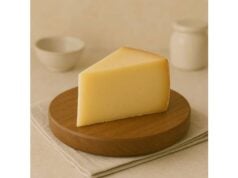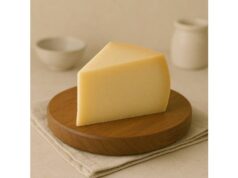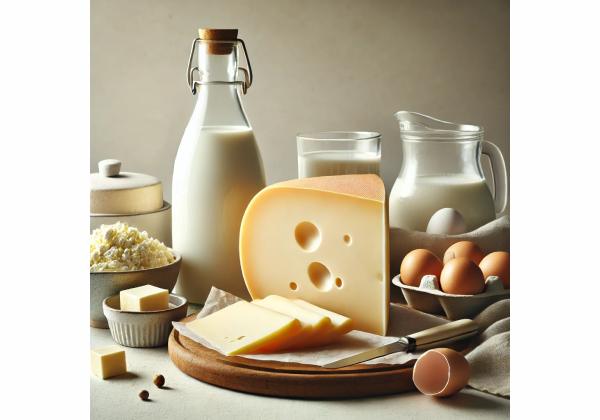
Provolone is a semi-hard Italian cow’s milk cheese known for its clean melt, buttery tang, and a spectrum of styles—from mild dolce to sharper, longer-aged piccante. In the kitchen, it stretches over sandwiches, browns into crisp frico, and finishes baked dishes with a savory crust. Nutritionally, provolone delivers high-quality protein, abundant calcium, and a meaningful dose of phosphorus and vitamin A in a modest serving. Like most cheeses, it is concentrated in sodium and saturated fat, so portions matter. Provolone’s aging reduces lactose to trace levels, which many lactose-intolerant people tolerate better than fresh dairy. Safety-wise, the same aging that shapes its flavor can lead to biogenic amines such as tyramine; sensitive individuals should take note. Whether you’re loading a Philly-style hoagie, layering an eggplant bake, or building a balanced snack box, understanding provolone’s nutrition, benefits, and caveats helps you enjoy it with confidence and intention.
Quick Facts
- Rich in protein (≈7–8 g per 30 g) and calcium (≈220–250 mg per 30 g) to support bones and satiety.
- Typical serving: 30 g (1 oz) slice; enjoy a few times per week within your sodium and saturated fat goals.
- Most provolone is low in lactose due to aging, but biogenic amines (e.g., tyramine) can trigger sensitivity in some people.
- Limit or avoid if you have uncontrolled hypertension, are on MAOIs, or must follow strict low-sodium or low-saturated-fat diets.
Table of Contents
- Provolone Cheese: Detailed Overview
- Provolone Nutrition Profile
- Provolone Benefits: What Science Says
- Risks, Allergies and Interactions
- Buying, Quality, Sustainability and Storage
- Cooking Provolone and Nutrient Retention
- Portions, Comparisons and FAQs
Provolone Cheese: Detailed Overview
Provolone originated in southern Italy and later flourished in the Po Valley of northern Italy. It is a pasta filata (stretched-curd) cheese in the same family as mozzarella and caciocavallo, but it is aged longer, dried to a firmer texture, and shaped into signature forms—pear, salami, or melon—often hung to mature. The curds are heated and stretched, then molded, brined, and ripened. Styles vary by aging time and cultures used: provolone dolce (mild, typically 2–3 months) and provolone piccante (sharper, often 6–12 months or more). Outside Italy, you’ll also find domestic provolone crafted to suit local palates, sometimes with added smoke (affumicato) for a toasty, savory accent.
From a nutrition standpoint, provolone is concentrated: about 25–26 g protein and 26–27 g fat per 100 g, notable calcium (≈750 mg/100 g) and phosphorus levels, and very low lactose due to fermentation and aging. That makes it satisfying in small amounts, a practical way to boost protein and minerals in meals where total energy intake is limited. It’s also culinary workhorse material: it melts evenly, browns attractively, and doesn’t “oil off” as quickly as some high-moisture cheeses. You’ll see provolone in hot sandwiches, baked pastas, gratins, stuffed chicken or eggplant, and antipasti boards, as well as in thin slices over salads or grain bowls for a savory boost.
Taste and texture depend on moisture and aging. Younger dolce is creamy, elastic, and mild—ideal when you want clean melt without dominating flavor. Piccante develops a robust, peppery sharpness with a drier, sliceable crumb; it shines in small shavings over roasted vegetables or soups. Smoked versions contribute campfire notes to burgers and panini. Because salt and saturated fat are relatively high, pairing provolone with potassium- and fiber-rich foods (greens, tomatoes, beans, whole grains) helps balance the plate. If you’re sensitive to tyramine or strictly limiting sodium, lean on milder, less-aged options and smaller portions.
Finally, provenance matters. Italian PDO cheeses such as Provolone Valpadana or Provolone del Monaco follow specific standards (milk sourcing, curing, shapes). Domestic provolone can vary in moisture, sodium, and flavor intensity; read labels for pasteurization, sodium per serving, and any rind treatments (e.g., anti-mold coatings).
Provolone Nutrition Profile
Below are representative values per 100 g of provolone cheese. Actual values vary by brand, style (dolce vs piccante), moisture, and aging. %DV values use current U.S. Daily Values for adults and children ≥4 years.
Macros and Electrolytes (per 100 g)
| Nutrient | Amount | %DV |
|---|---|---|
| Energy | 351 kcal | — |
| Protein | 25.6 g | 51% |
| Total Fat | 26.6 g | 34% |
| Saturated Fat | 17.1 g | 86% |
| Carbohydrate | 2.1 g | 1% |
| Total Sugars | 0.6 g | — |
| Dietary Fiber | 0 g | 0% |
| Sodium | 727 mg | 32% |
| Potassium | 138 mg | 3% |
| Cholesterol | 69 mg | 23% |
Minerals (per 100 g)
| Mineral | Amount | %DV |
|---|---|---|
| Calcium | 756 mg | 58% |
| Phosphorus | 496 mg | 40% |
| Magnesium | 28 mg | 7% |
| Zinc | 3.2 mg | 29% |
| Iron | 0.52 mg | 3% |
| Selenium | ~14–20 µg | 25–36% |
Vitamins (per 100 g)
| Vitamin | Amount | %DV |
|---|---|---|
| Vitamin A (RAE) | ~236 µg | 26% |
| Vitamin B12 | ~1.5 µg | 63% |
| Vitamin D | 0.5 µg | 3% |
| Riboflavin (B2) | ~0.3 mg | 23% |
| Niacin (B3) | ~0.1–0.2 mg | 1% |
Fats and Fatty Acids (per 100 g)
| Component | Amount | Notes |
|---|---|---|
| Total Fat | 26.6 g | Energy-dense; portion control advised |
| Saturated Fat | 17.1 g | Primary driver of %DV load |
| Monounsaturated Fat | ~7–9 g | Oleic acid predominant |
| Polyunsaturated Fat | ~0.7–1.0 g | Small contribution |
| Trans Fat | ~0–0.3 g | Naturally occurring, varies with milk fat |
Protein and Amino Acids
- Complete protein containing all essential amino acids.
- ~25–26 g per 100 g supports muscle maintenance with modest portions.
Glycemic and Acid–Base Metrics
- Glycemic index: effectively very low (carbs ≈2 g/100 g).
- PRAL (acid load): mildly acid-forming (≈+5 per 100 g); balance with fruits/vegetables.
Allergens and Intolerance Markers
- Contains milk proteins (casein, whey).
- Residual lactose: typically low (often ≤1 g/100 g), but check labels if needed.
- Biogenic amines: tyramine/histamine increase with aging; sensitive individuals should moderate intake.
Additives and Fortification
- Provolone is usually not fortified.
- Some rinds may be treated with anti-mold agents; avoid eating the rind if stated on the label.
- Smoked varieties are naturally or artificially smoked; labeling should specify.
Footnote: Values are representative for standard, full-fat provolone; reduced-fat versions differ and typically lower total and saturated fat with variable sodium.
Provolone Benefits: What Science Says
High-quality protein in small portions. With ~7–8 g protein per 30 g slice, provolone supports satiety and muscle maintenance. It’s helpful when you need a compact protein source—snack boxes, packed lunches, or energy-conscious meals—without cooking meat or opening yogurt.
Bone-supportive minerals. A 30 g serving commonly provides ~220–250 mg calcium (≈17–19% DV) plus phosphorus and zinc. Together, these minerals support bone remodeling and maintenance. For individuals who struggle to meet calcium needs, layering a slice into a vegetable-heavy meal can be a convenient strategy.
Low lactose after aging. Because lactose is fermented during cheesemaking and further degraded as cheese ages, many people with lactose intolerance tolerate small portions of aged cheeses, including provolone. That opens a path to benefit from dairy minerals and protein without significant digestive symptoms. Tolerance is individual, though, so start with small amounts and pair with other foods.
Cardiometabolic context matters. Modern nutrition research suggests that cheese as a whole food does not necessarily mirror the effects of isolated saturated fat. Mendelian randomization analyses and large pooled evaluations have associated cheese intake with neutral to favorable risk profiles for several cardiometabolic outcomes in observational contexts. While these methods cannot substitute for long-term randomized endpoint trials, they support a more nuanced view: in the context of a balanced diet, moderate cheese intake can fit cardiometabolic goals for many people. Practical implication: prioritize portion control, include fiber-rich sides, and keep an eye on overall saturated fat and sodium from the rest of the day.
Cooking advantages that encourage vegetable intake. Provolone’s clean melt and browning properties make vegetables, whole grains, and legumes more appealing (think roasted broccoli with a provolone frico topping or whole-grain panini loaded with grilled peppers and a thin provolone layer). This can increase acceptance of high-fiber foods, indirectly benefiting long-term health patterns.
Micronutrient coverage in limited space. In lunchboxes, trail meals, or hospital snacks where volume and refrigeration space are constrained, a pre-portioned slice adds protein, calcium, vitamin A, and B12 quickly. Compared with many snack foods, provolone contributes more nutrient density per bite, provided sodium and saturated fat are balanced elsewhere.
Who benefits most.
- Active adults needing compact protein and calcium.
- People with lower lactose tolerance who do better with aged cheeses than with milk.
- Cooks seeking reliable melt and browning to elevate vegetable-forward dishes.
Measured use remains key. Even with promising population data, personal risk factors (hypertension, hyperlipidemia) require attention to sodium and saturated fat targets. Smart swaps—thinner slices, reduced-sodium breads, and vegetable-heavy sides—help provolone fit more easily into your day.
Risks, Allergies and Interactions
Allergy and intolerance. Provolone contains milk proteins (casein, whey), which can trigger IgE-mediated dairy allergy. Symptoms range from hives and wheeze to anaphylaxis; strict avoidance and carrying prescribed medications are essential. For lactose intolerance, provolone is typically low in lactose, and many people tolerate modest amounts; however, tolerance varies. Introduce small portions (e.g., 10–15 g) with meals to assess response.
Sodium and blood pressure. Standard provolone delivers roughly 700–900 mg sodium per 100 g, which adds up quickly in sandwiches or pizza. If you manage hypertension, aim for thin slices (15–20 g), choose lower-sodium breads and fillings, and season with herbs or acids (lemon, vinegar) rather than salt. Reduced-sodium cheeses exist but may differ in melt and flavor.
Saturated fat and lipids. Provolone’s saturated fat is relatively high: about 17 g per 100 g. Dietary patterns emphasizing fruits, vegetables, whole grains, legumes, nuts, seeds, and unsaturated fats remain the foundation of heart-smart eating. If you’re on a lipid-lowering plan, use smaller portions of full-fat cheese or choose reduced-fat provolone where melt quality still meets your needs.
Biogenic amines (tyramine, histamine). Aging elevates tyramine/histamine, which can trigger migraines, flushing, or blood pressure changes in sensitive individuals. People taking MAOIs must follow tyramine-restricted diets; in that case, avoid aged cheeses, including provolone unless cleared by your clinician and pharmacist.
Food safety. Most retail provolone is made from pasteurized milk and poses low risk when handled properly. However, soft or semi-soft cheeses made from unpasteurized milk carry a higher Listeria risk, especially for pregnant people, older adults, and those with weakened immunity. Always check labels for pasteurization status, buy from reputable suppliers, keep cheese refrigerated at ≤4°C (≤40°F), and discard if you notice off-odors, sliminess, or significant mold growth on non-rind surfaces. If the rind is labeled “do not eat” (due to anti-mold treatments), trim generously.
Medication and condition interactions.
- MAOIs: Avoid tyramine-rich aged cheeses.
- Chronic kidney disease: Phosphorus and sodium add to the renal solute load; consult your renal dietitian.
- Gallbladder or pancreatic issues: High-fat foods can exacerbate symptoms; keep portions small and pair with lower-fat meals.
Cross-contamination. In shared kitchens, use clean knives and boards, especially if someone has a dairy allergy. For sandwich shops or delis, ask staff to change gloves and use a fresh slicer surface.
Bottom line: Provolone is safe for most people when pasteurized, stored properly, and eaten in moderation. Those with specific medical conditions should personalize portions and frequency with professional guidance.
Buying, Quality, Sustainability and Storage
How to choose by style.
- Dolce (young, mild): Choose for meltability on panini, casseroles, and omelets. Look for smooth, elastic slices with a creamy, slightly tangy aroma.
- Piccante (aged, sharp): Choose for bold flavor in small amounts—grating over roasted vegetables or shaving into salads. Look for a firmer texture, drier slice, and deeper aroma.
- Smoked (affumicato): Use when you want to add campfire notes to burgers, stuffed peppers, or mushroom melts.
Label cues to read.
- Pasteurized vs raw milk: For high-risk groups (pregnant, 65+, immunocompromised), select pasteurized.
- Sodium per serving: Compare brands; differences of 100–150 mg per 30 g are common.
- Ingredients: Milk, salt, cultures, rennet are classic. Smoked varieties may list natural smoke. Rinds may carry anti-mold (e.g., natamycin); follow label guidance on rind consumption.
- PDO marks: In Italy (e.g., Provolone Valpadana), PDO indicates standardized production and quality controls.
Sustainability pointers.
- Animal welfare and feed: Some producers highlight pasture access or non-GMO feed; third-party certifications can add assurance.
- Local and seasonal buying: Reduces transport footprint and supports regional dairies.
- Food waste reduction: Buy pre-cut wedges or sliced amounts that match your weekly plan; freeze grated leftovers for cooking.
Storage best practices.
- Rewrap smartly: After opening, wrap tightly in breathable paper (cheese paper or parchment) and place in a partially sealed bag or container to reduce drying while preventing excess moisture.
- Temperature: Keep at ≤4°C (≤40°F). Store in the vegetable drawer or a designated cheese box to limit odor transfer and humidity swings.
- Shelf life: Young provolone often holds 2–3 weeks once opened; aged versions may last longer if kept dry and cool. Check weekly: trim dry edges, rewrap, and discard if sour or ammonia odors develop.
- Freezing: Texture becomes crumbly after thawing; acceptable for grating and cooking, not ideal for slicing. Freeze grated portions in small bags up to 2–3 months.
Buying tips to match your dish.
- For melty sandwiches/pizzas: dolce, sliced thin.
- For browning or frico: slightly drier, aged pieces grated coarsely.
- For sharp, savory finish: piccante shaved with a peeler.
Cooking Provolone and Nutrient Retention
Gentle heat preserves quality. Provolone melts smoothly around 60–65°C (140–149°F). Excessive heat drives out fat (oil-off) and toughens proteins. For sandwiches, place cheese between ingredients rather than directly against the pan to buffer heat; for casseroles, add cheese toward the end to melt and brown without overcooking.
Browning vs melting. Browning requires slightly lower moisture and exposure to dry heat. Shred or thinly slice provolone and bake under a broiler for 1–3 minutes to form a golden crust. For clean melts (no browning), cover briefly to trap steam or use lower heat.
Portioning for balance. A 15–30 g portion often suffices for flavor and melt. Use strategic placement—layer across the top surface or distribute in pockets—so each bite tastes cheesy without doubling the amount.
Pairings that elevate nutrition.
- Fiber and potassium: Serve with roasted peppers, tomatoes, spinach, or beans to mitigate sodium and acid load.
- Whole grains: Whole-grain rolls or farro salads stabilize blood glucose and add magnesium.
- Acids and herbs: Vinegar, lemon, basil, and oregano amplify flavor so you can use less cheese.
Retaining nutrients. Protein, calcium, and phosphorus are heat-stable in typical cooking. The main losses with high heat are moisture and surface fats, not minerals. Keeping cook times shorter and temperatures moderate preserves texture and visual appeal—key for making vegetables more enticing.
Techniques to try.
- Sheet-pan melt: Roast broccoli, onions, and chickpeas; finish with 20–30 g shredded provolone under the broiler.
- Stuff-and-bake: Tuck thin provolone into chicken breasts or portobello caps with herbs; bake until just melted.
- Frico crisps: Spoon grated provolone onto parchment; bake until lacy and golden for crunchy toppers on soups or salads.
- Panini control: Build with vinegared greens, roasted veg, and one thin slice of provolone; press just to melt.
When to choose reduced-fat. If you rely on cheese for daily lunches, reduced-fat provolone may help you stay within saturated fat goals. Expect slightly less richness and a faster, sometimes “rubbery” melt; compensate with flavorful vegetables, herbs, and condiments.
Portions, Comparisons and FAQs
Practical portions.
- Everyday snack or sandwich: 15–30 g (½–1 oz) per serving.
- Cooking or gratins: 20–40 g per portion, depending on dish size and other salty ingredients.
- Weekly frequency: A few times per week fits many plans when total sodium and saturated fat are balanced across meals.
How provolone compares.
- Mozzarella vs provolone: Fresh mozzarella is moister and milder, lower in sodium, with softer melt and less browning. Provolone is firmer, saltier, and browns better—great for gratins and toasted sandwiches.
- Cheddar vs provolone: Cheddar is crumblier with a more pronounced sharpness; sodium varies widely. Provolone’s flavor is cleaner in young styles and peppery in aged forms; its stretch is steadier.
- Swiss-type cheese vs provolone: Many Swiss-style cheeses offer similar protein with lower sodium and nutty sweetness; they melt differently (stringier “pull”).
- Parmesan vs provolone: Parmesan is harder, saltier by weight, and used sparingly for umami; provolone sits between mozzarella and Parmesan in both texture and intensity.
Lower-lactose choice? Yes—most aged cheeses, including provolone, have low lactose. Start with 10–15 g alongside a meal to gauge tolerance; many can handle a 30 g slice without symptoms.
Is the rind edible? Provolone often has a protective coating. If the label indicates coatings or anti-mold agents, do not eat the rind. Trim it away before serving.
Can I freeze it? Yes—but texture becomes crumbly. Grate before freezing; use thawed cheese in cooked dishes, not for cold slices.
What about blood pressure? Watch total daily sodium. Build plates with potassium-rich sides (leafy greens, beans, squash), use thinner slices, and season with acids and herbs. Reduced-sodium breads and unsalted condiments help.
Smart swaps and pairings.
- Crisp + creamy: Pair with sliced apples or pears.
- Bitter balance: Shave over radicchio or broccoli rabe with lemon.
- Protein booster: Add a thin slice to a bean-and-grain bowl instead of extra dressing.
Takeaway: Provolone offers big flavor and solid nutrition in small portions. Use cooking technique and thoughtful pairings to keep meals satisfying while staying within your personal health targets.
References
- Daily Value on the Nutrition and Supplement Facts Labels 2024 (Guidance)
- How Listeria Spread: Soft Cheeses and Raw Milk | Listeria Infection | CDC 2025 (Guidance)
- Effect of Cheese Intake on Cardiovascular Diseases and Cardiovascular Biomarkers 2022 (Mendelian Randomization)
- A Review of Biogenic Amines in Food and Their Effects 2024 (Review)
- Lactose intolerance 2025 (Guidance)
Disclaimer
This article provides general nutrition and food safety information about provolone cheese. It is not a substitute for personalized medical advice, diagnosis, or treatment. If you have specific health conditions (e.g., hypertension, chronic kidney disease, migraines, food allergies) or take medications that interact with tyramine (e.g., MAOIs), consult your healthcare professional or a registered dietitian for individualized guidance. If you are pregnant, older than 65, or immunocompromised, choose pasteurized cheeses and follow standard food safety practices.
If you found this helpful, please consider sharing it on Facebook, X (formerly Twitter), or your preferred platform to support our work in creating reliable, reader-first nutrition guides.