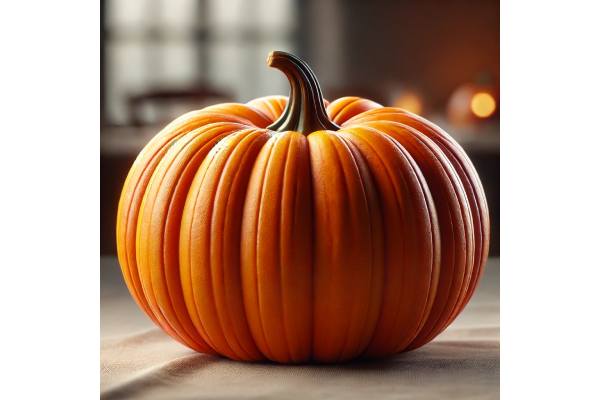
Pumpkin is more than a fall decoration—it’s a versatile, nutrient-dense squash with year-round value in the kitchen. Its bright orange flesh is naturally low in calories, offers meaningful fiber, and delivers carotenoids (plant pigments) that the body can convert to vitamin A. The mild, slightly sweet flavor works in both savory and sweet dishes: roasted wedges beside grilled fish, silky soups, earthy stews, and classic pies. Canned pumpkin concentrates nutrients and shortens prep time, while pumpkin seeds (pepitas) add crunch, minerals, and heart-smart fats. You will also find edible pumpkin blossoms and cold-pressed pumpkin seed oil in some markets, extending the plant’s culinary range. This guide covers pumpkin’s full picture—nutrition per 100 grams, evidence-based benefits, safety notes (including the “bitter squash” warning), smart shopping and storage, and practical cooking tactics to keep those nutrients intact—so you can enjoy pumpkin more often and with confidence.
Top Highlights
- One cup cooked pumpkin (245 g) provides meaningful fiber and provitamin A carotenoids that support vision and immunity.
- Typical serving: ½–1 cup cooked (120–245 g), enjoyed 2–4 times per week as part of varied vegetables.
- Safety note: Discard any pumpkin that tastes noticeably bitter; it may contain high cucurbitacins that can cause poisoning.
- Who should limit: People on potassium-restricted diets and those with confirmed squash or seed allergies should moderate intake or avoid.
Table of Contents
- Pumpkin overview: types and uses
- Pumpkin nutrition profile (per 100 g)
- Evidence-based health benefits of pumpkin
- Risks, allergies and interactions
- Selecting, quality, sustainability and storage
- Preparation, cooking and nutrient retention
- Portions, comparisons and FAQs
Pumpkin overview: types and uses
Pumpkin is a group of winter squashes from the genus Cucurbita, most commonly C. pepo and C. moschata. While supermarket bins often label many orange squashes as “pumpkin,” culinary quality varies widely by variety. Sugar pie pumpkin (a smaller, dense-fleshed type) roasts into smooth purée that’s naturally sweet and fiber-rich; kabocha and red kuri lend a chestnut-like texture to soups and curries; Long Island Cheese (a flat, tan heirloom) is prized for pies; and C. moschata types like butternut, though not always marketed as pumpkin, share a similar carotenoid-rich profile and cook the same way. Ornamental gourds, on the other hand, are not for eating.
Under the skin, pumpkin flesh contains water, complex carbohydrates, and carotenoids, notably beta-carotene (a provitamin A) and xanthophylls like lutein and zeaxanthin. These pigments give the orange hue and contribute to the vegetable’s reputation for supporting eye health. Because carotenoids are fat-soluble, pairing pumpkin with a small amount of oil (olive oil, pumpkin seed oil, or butter) can enhance absorption. Its seeds, often sold as pepitas, are a completely different nutrition story: concentrated in minerals (magnesium, zinc), plant sterols, and unsaturated fats. Toasted seeds make a portable snack or crunchy topping for salads, oatmeal, and yogurt.
Pumpkin can be bought fresh (whole or pre-cut), canned, or frozen. Canned pumpkin and “100% pumpkin purée” are usually concentrated, which amplifies carotenoids and fiber per serving and offers consistent texture for baking. Some products labeled “pumpkin pie mix” include sugar and spices—always check the ingredient list if you need unsweetened purée. Pumpkin blossoms are edible and tender; they can be stuffed, sautéed, or baked. Specialty stores may also offer pumpkin seed oil: deep green, aromatic, and best used as a finishing oil due to its low smoke point.
In the kitchen, pumpkin’s mild sweetness allows it to anchor both savory and sweet meals. Think roasted cubes with cumin and chili, a creamy pumpkin-ginger soup, risotto with sage, or a simple mash blended with white beans and garlic. In baking, pumpkin adds moisture and color to muffins, pancakes, and quick breads while allowing some reduction in added fat or sugar. For weeknights, canned purée can turn into a 10-minute pasta sauce with garlic, broth, and parmesan.
Finally, it’s worth noting that “pumpkin spice” is a flavor blend (usually cinnamon, ginger, nutmeg, allspice, cloves)—not pumpkin itself. Many pumpkin-spice products contain little or no pumpkin, so rely on whole pumpkin or 100% purée if you want the actual vegetable’s nutrients.
Pumpkin nutrition profile (per 100 g)
Below are typical values for raw pumpkin flesh per 100 g with % Daily Value (%DV) where relevant. Nutrient levels vary by variety, maturity, and preparation (raw vs. canned); canned purée is more concentrated, especially for carotenoids and fiber.
Macros & Electrolytes (per 100 g)
| Nutrient | Amount | %DV |
|---|---|---|
| Energy | 26–30 kcal | — |
| Water | ~92 g | — |
| Carbohydrates | 6.5 g | 2% |
| Dietary Fiber | 0.5–1.1 g | 2–4% |
| Total Sugars | ~2.8–3.5 g | — |
| Protein | ~1.0 g | 2% |
| Total Fat | 0.1 g | 0% |
| Potassium | ~340 mg | 7% |
| Sodium | ~1–2 mg | 0% |
Carbohydrates (detail, per 100 g)
| Component | Amount |
|---|---|
| Starch | ~0.6 g |
| Free/Intrinsic Sugars (glucose, fructose, sucrose) | ~2.7–3.0 g |
Vitamins (per 100 g)
| Vitamin | Amount | %DV |
|---|---|---|
| Vitamin A (as RAE from carotenoids) | ~425 µg | 47% |
| Vitamin C (ascorbic acid) | ~9 mg | 10% |
| Vitamin B1 (Thiamin) | ~0.05 mg | 4% |
| Vitamin B2 (Riboflavin) | ~0.11 mg | 8% |
| Niacin (Vitamin B3) | ~0.6 mg | 4% |
| Vitamin B5 (Pantothenic acid) | ~0.30 mg | 6% |
| Vitamin B6 (Pyridoxine) | ~0.06 mg | 4% |
| Folate (DFE) | ~16 µg | 4% |
| Vitamin E (alpha-tocopherol) | ~0.1 mg | 1% |
| Choline | ~8 mg | 2% |
Minerals (per 100 g)
| Mineral | Amount | %DV |
|---|---|---|
| Calcium | ~21 mg | 2% |
| Iron | ~0.8 mg | 4% |
| Magnesium | ~12 mg | 3% |
| Phosphorus | ~33–44 mg | 3–4% |
| Zinc | ~0.2 mg | 2% |
| Copper | ~0.08 mg | 9% |
| Manganese | ~0.04 mg | 2% |
| Selenium | 0 µg | 0% |
Bioactives/Phytonutrients (per 100 g, typical ranges)
| Compound | Notes |
|---|---|
| Beta-carotene | Major provitamin A carotenoid in pumpkin; varies widely by cultivar and processing (canned > raw). |
| Lutein & Zeaxanthin | Xanthophylls linked to macular pigment support. |
| Phytosterols (in seeds) | Contribute to LDL-cholesterol lowering when part of a heart-healthy diet. |
Glycemic & Acid–Base Metrics
- Glycemic Index (GI): typically low to moderate; preparation matters (mashed purée with added sugar can raise glycemic impact).
- pH/Acid–Base: mildly acidic–neutral; not a clinical concern for most people.
Footnotes
- %DV uses adult reference values (e.g., fiber 28 g/day, potassium 4,700 mg/day, vitamin A 900 µg RAE/day).
- Carotenoid values fluctuate by cultivar, soil, ripeness, and whether the product is raw, cooked, or canned.
Pumpkin Seeds (Pepitas), brief per 30 g (about ¼ cup)
- ~170 kcal; protein ~9 g; fat ~14 g (mostly unsaturated); fiber ~2 g.
- Notable minerals: magnesium ~150 mg (36% DV), zinc ~2–3 mg (20–27% DV), iron ~2 mg (11% DV).
Evidence-based health benefits of pumpkin
Supports vision and eye comfort. Pumpkin’s orange color reflects abundant carotenoids. Beta-carotene is a provitamin A, meaning the body converts it into retinol to maintain normal vision and immune function. In addition, lutein and zeaxanthin—xanthophyll carotenoids also present in pumpkin—accumulate in the macula as macular pigment. Higher dietary intake of these carotenoids is associated with better visual performance (contrast sensitivity, glare recovery) and reduced risk of progression in age-related macular degeneration when consumed as part of a balanced diet. While many trials use supplements, food sources like pumpkin contribute to overall carotenoid status and can complement a diet rich in leafy greens, corn, and eggs.
Nutrient density with calorie control. With only ~26–30 kcal per 100 g, pumpkin helps add volume and texture to meals without a large calorie load. Swapping half the cream in a pasta sauce for pumpkin purée, or using pumpkin in baking to replace part of the oil, reduces total energy and saturated fat while adding fiber and micronutrients. This “calorie-light, nutrient-rich” profile aligns with weight-management strategies that emphasize satiety per calorie.
Glycemic friendliness (when simply prepared). Plain roasted pumpkin or unsweetened purée provides slow-digesting carbohydrates and fiber. Serving pumpkin with protein (e.g., lentils) and healthy fats (e.g., olive oil, pepitas) further moderates post-meal glucose rise. Sweetened pumpkin desserts are a different story: added sugars and refined crusts can overwhelm the vegetable’s natural benefits. If you monitor blood glucose, prefer savory applications or desserts with minimal sugar and whole-grain crusts.
Heart-smart minerals and seeds. Pumpkin flesh contributes potassium, a mineral that supports healthy blood pressure when paired with a lower-sodium diet. Pepitas (pumpkin seeds) provide magnesium, zinc, and plant sterols, and they are rich in unsaturated fats. Together, these nutrients support vascular health, glucose metabolism, and normal immune function. For people who enjoy seeds daily, this can be a practical way to cover a portion of magnesium needs.
Men’s urinary symptom relief (from seed oil). Several clinical trials have evaluated pumpkin seed oil for lower urinary tract symptoms due to benign prostatic hyperplasia (BPH). Results suggest symptom improvement compared with baseline and acceptable tolerability. In direct comparison with standard medication (tamsulosin), pumpkin seed oil relieved symptoms but was less effective than the medication. Food use of the oil (as a finishing drizzle) is reasonable; therapeutic dosing should be discussed with a clinician, especially if you already take BPH medications.
Immunity and skin integrity through vitamin A. Adequate vitamin A status supports mucosal barriers in the eyes, lungs, and gut and normal immune cell function. Pumpkin contributes provitamin A; the body regulates conversion, which helps prevent excess from food sources.
Digestive comfort and culinary diversity. The gentle fiber in pumpkin (especially when cooked until tender) is often well tolerated. Puréed pumpkin is a classic component of “soft” meal plans during recovery from dental procedures or mild gastrointestinal upset. It also serves as a natural thickener for soups and stews, reducing the need for roux or cream.
Bottom line. Pumpkin itself won’t act like a supplement or medication, but as part of a pattern rich in vegetables, legumes, whole grains, nuts, and seeds, it adds carotenoids, potassium, and fiber with a pleasant, adaptable flavor profile.
Risks, allergies and interactions
Bitter taste = do not eat. A pronounced bitter or metallic taste in pumpkin or other squashes can signal elevated cucurbitacins, natural defense compounds that may cause gastrointestinal poisoning (“toxic squash syndrome”). Symptoms can include nausea, vomiting, diarrhea, abdominal pain, dizziness, and dehydration. Severe cases are rare, but any markedly bitter squash should be discarded. Cooking does not reliably neutralize cucurbitacins.
Allergy and cross-reactivity. Although uncommon, allergies to pumpkin pulp or seeds can occur. People sensitized to other Cucurbitaceae (zucchini, cucumber, melon) or certain pollens may experience cross-reactivity. Typical reactions involve oral itching or hives; severe reactions are rare but possible. If you suspect an allergy, seek evaluation and avoid the culprit form (flesh vs. seeds vs. oil) until cleared.
Seeds and oil considerations. Pumpkin seeds are energy-dense; portion awareness matters if you’re tracking calories. Seeds and seed oil contain unsaturated fats that may go rancid if stored poorly. Anyone with a seed allergy should avoid pepitas and pumpkin seed oil. Because seed oil can modestly influence urinary symptoms, consult your clinician if you have BPH and take alpha-blockers or 5-alpha-reductase inhibitors; adding seed oil without guidance could complicate symptom tracking.
Vitamin A balance. Pumpkin provides provitamin A carotenoids, not preformed retinol. The body regulates carotenoid conversion, so toxicity from pumpkin alone is exceedingly unlikely. However, very high carotenoid intake can cause harmless carotenodermia (yellow-orange skin tint) that resolves when intake decreases. If you also take multivitamins or high-dose vitamin A supplements, be mindful of total vitamin A (RAE) relative to the Daily Value.
Medication interactions. Pumpkin flesh has no known direct drug interactions. Pumpkin seed oil is generally well tolerated in studies, but data remain limited. People on potassium-restricted diets (certain kidney conditions, some medications) should account for pumpkin’s potassium. Those on warfarin can eat pumpkin normally; it is not high in vitamin K (unlike many leafy greens).
Food safety. Like other low-acid vegetables, pumpkin purée needs proper handling: refrigerate within 2 hours of cooking, use within 3–4 days, or freeze for longer storage. When canning at home, follow tested pressure-canning methods for cubed pumpkin; do not home-can pumpkin purée, as its density prevents safe heat penetration.
Who should limit or avoid.
- Anyone who experiences a bitter taste in pumpkin or squash (discard immediately).
- Individuals with confirmed squash or seed allergies.
- People on potassium-restricted diets (portion control and clinician guidance).
- Those taking medications for BPH who are considering pumpkin seed oil (medical oversight advised).
Selecting, quality, sustainability and storage
How to choose. For cooking, pick sugar pie or baking pumpkins (2–4 lb/0.9–1.8 kg). They should feel heavy for size with firm, matte skin free of soft spots, cracks, or mold. A dry, corky stem (intact) helps pumpkins last longer. Avoid large ornamental varieties for eating; their flesh is often watery and bland. Pre-cut wedges should look vibrant, not slimy or desiccated. For canned products, look for “100% pumpkin” or “pumpkin purée” on the label; “pumpkin pie mix” contains sugar and spices.
Seasonality and availability. Peak harvest in many regions is late summer through fall, but canned pumpkin is shelf-stable year-round. Frozen cubes and shelf-stable purée extend access and reduce prep work. Specialty items (blossoms, seed oil) appear seasonally or at markets serving Central/Eastern European and Mediterranean cuisines, where pumpkin seed oil is traditional.
Sustainability notes. Pumpkins store well and have relatively low cold-chain demands compared with leafy greens. Buying culinary varieties reduces waste; carving pumpkins are often discarded after holidays. Use the whole vegetable: roast the seeds, simmer the peel into stock, and cube or purée leftover flesh for freezer-ready portions. Farmers’ market or community-supported agriculture (CSA) options often feature flavorful heirlooms such as Long Island Cheese, Rouge Vif d’Étampes, and Musquée de Provence.
Storage tips.
- Whole: Keep in a cool, dark, well-ventilated place (10–15°C/50–59°F); store not on concrete floors (they wick moisture). Depending on variety and integrity, whole pumpkins keep 1–3 months.
- Cut: Wrap tightly and refrigerate up to 4–5 days.
- Cooked cubes or purée: Refrigerate 3–4 days; freeze in ½–1 cup (120–245 g) portions up to 6 months.
- Seeds: Dry thoroughly before storing; keep in airtight jars in a cool, dark place for 2–3 months or freeze for longer.
- Seed oil: Store away from heat and light; refrigerate after opening and use within the date on the bottle (often 3–6 months after opening).
Quality indicators. Dense, saturated orange flesh usually signals higher carotenoids, but color alone is not a guarantee. Sweet, nutty aroma after roasting is a good sign. Watery texture, stringiness, or off odors suggest poor storage or a variety unsuited to cooking.
Budget tips. Buy post-holiday culinary varieties on discount and batch-roast for the freezer. Compare canned options by unit price and ingredients; store brands labeled “100% pumpkin” are typically quite good.
Preparation, cooking and nutrient retention
Prep basics. Wash the exterior to remove soil. For halving, stabilize the pumpkin on a towel, insert a heavy chef’s knife near the stem, and rock the blade through—never force a tip-first plunge. Scoop seeds and stringy pith with a spoon (reserve seeds for roasting). Peel with a sharp peeler if cutting into cubes; for purée, roasting halves cut-side down softens the skin so it peels off easily afterward.
Cooking methods and what they do.
- Roasting (200–220°C / 400–425°F): Concentrates flavor and dries excess moisture—ideal for purée. Carotenoids are relatively heat-stable; roasting with a small amount of oil improves carotenoid bioavailability.
- Steaming: Gentle and fast, good for tender cubes while minimizing water loss.
- Simmering/boiling: Effective for soups, but can leach water-soluble nutrients (vitamin C, some B vitamins). Use minimal water and incorporate cooking liquid into the dish.
- Pressure cooking: Quickly softens dense varieties; avoid overcooking to prevent watery results.
- Microwaving: Useful for pre-softening a whole pumpkin to make cutting safer; pierce the skin to vent steam.
Retaining nutrients.
- Use fat smartly. Carotenoids need a little fat for absorption; 1–2 teaspoons of oil per serving is enough.
- Mind heat and time. Overcooking increases losses of heat-sensitive vitamin C and folate; cook just until tender.
- Keep the liquid. If you boil, use the cooking liquid in soups or sauces to reclaim leached nutrients.
- Choose canned wisely. Canned pumpkin is a concentrated, consistent source of carotenoids and fiber—handy when fresh quality is variable.
- Store well. Freeze purée promptly in portioned containers to limit oxidative degradation of carotenoids.
Simple, nutrient-forward ideas.
- Roasted pumpkin with tahini-lemon drizzle: Toss 2 cups (about 280 g) cubes with 2 tsp olive oil, roast 20–25 minutes, finish with tahini, lemon juice, and parsley.
- Pumpkin-white bean soup: Sauté onion and garlic, add 2 cups pumpkin purée, 2 cups low-sodium stock, and 1 can white beans; simmer, then blend.
- Savory pumpkin oats: Stir ½ cup pumpkin purée into cooked oats with a pinch of salt, chili, and pepitas for minerals and crunch.
- Pumpkin pasta sauce: Simmer purée with garlic, broth, a splash of milk, and parmesan; toss with whole-grain pasta.
Food safety with purée. Cool cooked pumpkin quickly in shallow containers. When reheating, bring to at least 74°C/165°F. Never taste pumpkin that seems bitter or has an unusual odor.
Portions, comparisons and FAQs
What’s a reasonable serving? For most adults, ½–1 cup cooked pumpkin (120–245 g) is a practical serving, providing helpful fiber and carotenoids with minimal calories. For seeds, 1–2 tablespoons (9–18 g) sprinkled on meals adds minerals and unsaturated fats without overshooting calories.
How does pumpkin compare to similar foods?
- Pumpkin vs. sweet potato: Sweet potatoes generally provide more fiber and vitamin C per serving and are notably higher in carbohydrates and calories. Pumpkin offers similar or greater provitamin A per calorie (especially in canned form) and a lighter texture that blends into sauces and soups.
- Pumpkin vs. butternut squash: Very similar in taste and use. Carotenoid levels can be comparable, but exact amounts vary by cultivar.
- Pumpkin vs. carrots: Carrots are denser in fiber and beta-carotene per 100 g; pumpkin brings a softer texture and milder flavor, making it easier to use in larger amounts.
Can pumpkin help with weight goals? Pumpkin is “calorie-light” and volume-rich. Using it to displace energy-dense ingredients can lower meal calories. Focus on preparations without added sugars and with modest fats to keep calories in check.
Is canned pumpkin as good as fresh? Nutritionally, canned 100% pumpkin is often richer in carotenoids and fiber per equal weight because it’s concentrated. It’s also consistent in moisture content, which improves baking reliability. If flavor matters most, seek out flavorful fresh varieties and roast them to concentrate taste.
What about pumpkin spice lattes and desserts? Most contain little actual pumpkin. Enjoy them occasionally, but do not count them toward your vegetable intake unless they contain a meaningful amount of real pumpkin purée and reasonable added sugars.
Any tips for kids and picky eaters? Blend pumpkin into tomato sauce, mac and cheese, or pancakes for color and moisture. Mini pumpkin-banana muffins or a pumpkin yogurt swirl can be approachable ways to introduce the flavor.
Is pumpkin low FODMAP? Plain pumpkin in modest portions can fit a low-FODMAP plan, but larger amounts—especially purée—can be higher in certain fermentable carbs. Individual tolerance varies; a dietitian can help personalize.
Athletes and active people. Pumpkin is a gentle pre- or post-workout carbohydrate with potassium for muscle function. Pair with yogurt (protein) or pepitas (minerals and healthy fats) for recovery.
Plant-based and gluten-free baking. Pumpkin adds structure and moisture to vegan and gluten-free recipes, allowing you to trim oil or eggs and still achieve a tender crumb.
References
- Vitamin A and Carotenoids – Health Professional Fact Sheet 2025 (Guideline)
- A Systematic Review of Carotenoids in the Management of Age-Related Macular Degeneration – PubMed 2021 (Systematic Review)
- Pumpkin seed oil (Cucurbita pepo) versus tamsulosin for benign prostatic hyperplasia symptom relief: a single-blind randomized clinical trial – PubMed 2021 (RCT)
- Poisoning by non-edible squash: retrospective series of 353 patients from French Poison Control Centers – PubMed 2018
- Nutrition Facts for Pumpkin, raw 2025
Disclaimer
This article provides general nutrition and health information about pumpkin and related products. It is not a substitute for personalized medical advice, diagnosis, or treatment. Always consult a qualified health professional regarding your specific health conditions, allergies, and medication use—especially if you plan to use pumpkin seed oil for symptom relief or must manage potassium intake.
If you found this guide useful, please consider sharing it on Facebook, X (formerly Twitter), or your preferred platform. Your support helps us continue creating clear, evidence-based resources.