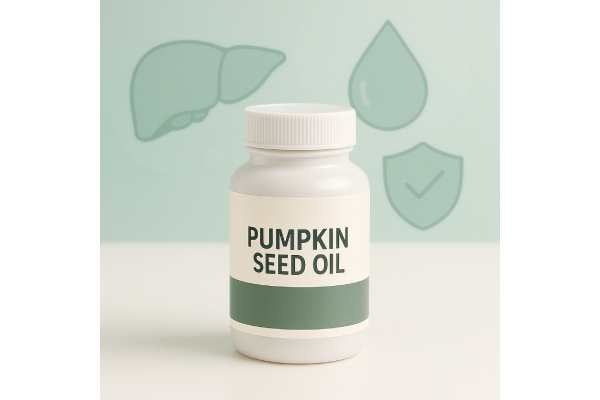
Pumpkin seed oil has moved from traditional kitchens and herbal remedies into mainstream nutrition and supplement shelves. Pressed from the seeds of pumpkins (usually Cucurbita pepo), this dark green oil is naturally rich in unsaturated fats, plant sterols, and antioxidant compounds that may support prostate health, urinary comfort, heart health, and even hair and skin vitality. Many people use it as both a food oil and a concentrated supplement in softgels, often as part of a broader wellness or men’s health routine.
In this guide, you will learn what pumpkin seed oil actually contains, how it may work in the body, and where the evidence is strongest. You will also see practical ways to use it in daily life, typical dosage ranges, and who should be cautious or avoid it. The goal is to give you enough clear, balanced information to discuss pumpkin seed oil confidently with a healthcare professional and decide whether it fits your own health plan.
Quick Overview
- Pumpkin seed oil provides unsaturated fats and plant compounds that may support prostate, urinary, and cardiovascular health.
- It is often used for benign prostatic hyperplasia symptoms, hair and skin support, and general wellness.
- Typical supplemental intakes range from about 500 to 2,000 mg per day, sometimes higher in divided doses with food.
- People with pumpkin or seed allergies, those on certain medications, or anyone with hormone-sensitive conditions should seek medical advice before using it.
Table of Contents
- What is pumpkin seed oil?
- Proven benefits and how it works
- How to use pumpkin seed oil
- Dosage guidelines and stacking
- Side effects and who should avoid
- What to look for in supplements
What is pumpkin seed oil?
Pumpkin seed oil is a natural, nutrient-dense oil pressed from the seeds of pumpkins, most often from specific varieties bred for high oil and phytosterol content. The seeds are cleaned, often lightly roasted, and then mechanically pressed to yield a dark green to reddish oil with a mild, nutty flavor. In some regions, especially Central and Eastern Europe, it has a long history as a culinary oil and folk remedy.
Nutritionally, pumpkin seed oil is dominated by unsaturated fats. It typically provides substantial amounts of linoleic acid (omega-6) and oleic acid (omega-9), with smaller amounts of saturated fat. Alongside these fats, it contains natural vitamin E compounds and a variety of plant pigments and antioxidants, including carotenoids and chlorophylls, which give the oil its characteristic color.
A standout feature of pumpkin seed oil is its content of plant sterols, especially a subgroup called delta-7 phytosterols. These are structurally similar to cholesterol and may compete with it in the digestive tract. They also appear to influence certain hormone-related pathways in the prostate, which is one reason the oil is frequently marketed for men’s urinary and prostate health.
Pumpkin seed oil is sold in bottles for culinary use and as softgel supplements. Culinary oils are usually taken by the teaspoon and used in salad dressings or drizzled over prepared dishes, not heated aggressively. Supplements provide a measured dose in capsule form, typically standardized to a specific amount of oil per capsule, making them easier to incorporate into a daily routine.
Proven benefits and how it works
Pumpkin seed oil has been investigated most intensively for its role in prostate and urinary health. In several clinical trials, men with lower urinary tract symptoms suggestive of benign prostatic hyperplasia have taken pumpkin seed oil, sometimes alone and sometimes alongside standard medications. Many of these participants reported improvements in nighttime urination, urinary flow, or overall symptom scores compared with their baseline measurements. While not all studies agree in magnitude or significance, the pattern suggests that pumpkin seed oil may offer modest support for urinary comfort in some men.
One proposed mechanism involves the delta-7 phytosterols naturally present in the oil. These plant sterols may interfere with local hormone signaling in the prostate or influence enzymes involved in androgen metabolism. At the same time, the oil’s unsaturated fats and antioxidant components may reduce oxidative stress and low-grade inflammation within prostate tissue, which are thought to contribute to prostate enlargement and symptom progression.
Beyond prostate health, pumpkin seed oil has been studied in the context of hair growth in men with pattern hair loss. In one controlled setting, men taking a pumpkin seed oil supplement showed better hair counts and perceived hair growth than those taking a nonactive comparison product. The exact mechanism is not fully established but may involve mild inhibition of pathways related to dihydrotestosterone, support for scalp microcirculation, or a general anti-inflammatory effect at the hair follicle.
There is also interest in the oil’s impact on cardiovascular and metabolic markers. Because it is rich in unsaturated fats and plant sterols, regular intake may help support a healthier blood lipid profile, especially when used to replace more highly processed fats. Experimental models suggest potential benefits on blood pressure and blood vessel function, possibly through antioxidant effects and support for nitric oxide pathways, though human data are still relatively limited.
Overall, the strongest evidence currently relates to modest improvements in urinary symptoms in some men and potential support for hair density in specific male hair loss patterns. Other benefits, such as heart or metabolic support, are biologically plausible and supported by early findings but need more high-quality human research for firm conclusions.
How to use pumpkin seed oil
There are two main ways to use pumpkin seed oil: as a food oil and as a supplement in capsules. Many people combine both approaches, using the oil in the kitchen for general health and taking softgels when targeting a specific goal such as prostate support.
As a culinary oil, pumpkin seed oil is best used unheated or gently warmed. Its delicate unsaturated fats and natural pigments can degrade at high temperatures, so it is not ideal for frying or high-heat cooking. Instead, it works well:
- Drizzled over salads, cooked vegetables, or grain bowls
- Stirred into soups just before serving for a nutty note
- Mixed with olive oil, vinegar, herbs, and mustard for dressings
- Added in small amounts to yogurt or smoothies
A typical culinary intake might be one to two teaspoons per day, though there is no set requirement. If you are new to it, start with about half a teaspoon and increase gradually to see how your digestion responds.
Supplement capsules provide a more standardized intake and are often used in research settings. These usually contain between 500 and 1,000 mg of pumpkin seed oil per capsule. They can be taken once or several times daily depending on the product directions and the total daily target dose. Many people prefer to take them with meals, which can improve absorption and reduce the chance of digestive discomfort.
Practical tips for incorporating pumpkin seed oil include:
- Pair it with other healthy fat sources, such as olive oil and fatty fish, as part of a balanced pattern rather than a stand-alone solution.
- Keep the bottle tightly closed, stored in a cool, dark place, and respect the “best before” date since the oil can oxidize over time.
- If you are targeting a specific concern like urinary symptoms, consider keeping a simple symptom diary before and after you start, so you and your clinician can evaluate whether it is helping.
Because pumpkin seed oil is not an essential nutrient, there is flexibility in how you use it. The best approach is the one that fits your dietary preferences, health goals, and guidance from your healthcare provider.
Dosage guidelines and stacking
There are no universally accepted, official dosage guidelines for pumpkin seed oil, but practical ranges can be drawn from research protocols and common supplement practices.
For general wellness and as part of a heart-supportive eating pattern, intakes in the range of about 1 to 2 teaspoons of the oil per day (roughly 4 to 10 mL) are typical in culinary use. This provides a meaningful amount of unsaturated fat and phytosterols without greatly increasing total calorie intake, especially when it replaces less healthy fats.
For prostate and urinary symptom support, dietary supplements often provide about 500 to 2,000 mg of pumpkin seed oil per day, divided into one to three doses with meals. Some products use higher daily totals, particularly in combination formulas with other prostate-focused ingredients. As research uses a variety of dosing schedules, it is wise to follow the specific instructions on the product you choose and discuss them with a healthcare professional, especially if you have significant symptoms.
When combining pumpkin seed oil with other supplements (“stacking”), common pairings include:
- Saw palmetto extract for additional prostate and lower urinary tract support
- Zinc, selenium, or lycopene as part of a men’s health complex
- Essential fatty acids such as fish oil or algae oil for broader cardiovascular support
Stacking should be done thoughtfully to avoid unnecessary overlap or excessive doses of certain components, like fat-soluble nutrients or minerals. It is also important to consider your overall diet. For example, if you already use several tablespoons of other oils daily, adding high doses of pumpkin seed oil may push your calorie intake higher than intended.
People interested in hair support sometimes combine pumpkin seed oil with topical agents or oral supplements that target scalp health, micronutrient status, or hormone-related pathways. Because hair loss can have many causes, it is especially important to seek a proper evaluation rather than relying on supplements alone.
In all cases, it is sensible to start at the lower end of a dosage range, monitor how you feel and whether your goals are being met, and adjust in collaboration with a health professional. Long-term daily use should be reviewed periodically, just as you would review any other medication or supplement in your routine.
Side effects and who should avoid
For most healthy adults, pumpkin seed oil is generally well tolerated, especially when used in culinary amounts similar to other edible oils. However, increasing the intake through supplements or high daily doses can lead to side effects in some individuals, and certain groups should be cautious.
The most commonly reported side effects are digestive and usually mild. These may include a feeling of fullness, loose stools, or mild stomach discomfort, particularly when higher doses are taken on an empty stomach. Starting with a lower dose and taking the oil with food can reduce these issues for many people.
Allergic reactions are possible, especially in individuals with known allergies to pumpkin, squash, or other seeds. Symptoms might include skin itching, hives, swelling, or respiratory difficulty. Anyone who has experienced allergic reactions to cucurbit family plants or seed-based products should avoid pumpkin seed oil unless cleared by an allergy specialist, and should seek emergency care if any signs of a serious reaction occur.
Because pumpkin seed oil may modestly influence hormone-related pathways and urinary function, people with hormone-sensitive cancers, significant prostate disease under active medical treatment, or those taking hormone-modifying medications should consult their specialist before using it. It should not be considered a replacement for prescribed medications or recommended procedures.
People on medications that affect blood pressure, blood clotting, or blood lipids should also check with their prescriber. While serious interactions are not commonly reported, changes in dietary fat and plant sterol intake can theoretically influence how some drugs work, and your overall regimen may need adjustment.
Pregnant and breastfeeding individuals have not been extensively studied in relation to concentrated pumpkin seed oil supplements. Culinary use in normal food amounts is generally viewed as acceptable in the context of a balanced diet, but higher supplemental doses should be approached cautiously and only under professional advice.
Children and adolescents typically do not need pumpkin seed oil supplements unless specifically advised by a paediatric clinician. In younger people, a varied diet focused on whole foods is usually the priority.
As with any supplement, if you notice unexpected symptoms, worsening of existing conditions, or signs of an allergic reaction after starting pumpkin seed oil, stop using it and seek medical evaluation.
What to look for in supplements
Pumpkin seed oil supplements vary widely in quality, strength, and formulation. Reading labels carefully and understanding a few key terms can help you choose a product that fits your needs and minimizes unwanted additives.
First, check the species and source. Labels that specify Cucurbita pepo or hull-less Styrian pumpkin seeds indicate a clearer origin. Some products blend pumpkin seed oil with other botanical extracts; this can be beneficial if you are intentionally seeking a combination formula, but it may also dilute the pumpkin component if the total capsule size is small.
Next, look at the amount of pumpkin seed oil per softgel and per daily serving. Concentrations commonly range from 500 to 1,000 mg per capsule. Compare this with the suggested daily dosage on the bottle and with the intake ranges you and your clinician have discussed. Avoid products that make dramatic claims without providing clear quantitative information.
Extraction method also matters. Cold-pressed or mechanically pressed oils avoid harsh solvents and high temperatures, which helps preserve delicate phytosterols and antioxidants. Some manufacturers further standardize their oils for a minimum phytosterol content, which can be useful if you are specifically targeting prostate support, although standardized products may cost more.
Quality assurance is another central factor. Independent testing or certification for purity and potency, such as third-party lab verification, can provide reassurance that the product is free from significant contaminants and contains what the label states. Because pumpkin seed oil is a fat-rich product, it can oxidize; look for antioxidants such as mixed tocopherols listed on the label and check that the product is within its expiry date.
Consider the capsule composition as well. Many softgels are made from gelatin, which is derived from animal sources. If you follow a vegetarian or vegan pattern, look for products that use plant-based capsules. Review the list of excipients and avoid products with unnecessary artificial colors or flavorings if you prefer a simpler formula.
Finally, think about how the supplement fits into your overall pattern: Are you already taking multiple oil-based softgels? Do you also use pumpkin seed oil as a food? Aligning your choices with your dietary habits, health goals, and professional advice will help you get the most out of pumpkin seed oil while avoiding redundancy.
References
- Effect of pumpkin seed oil on hair growth in men with androgenetic alopecia: a randomized, double-blind, placebo-controlled trial 2014 (RCT)
- Comparison of the therapeutic effects of pumpkin seed oil and tamsulosin in the management of benign prostatic hyperplasia: a randomized clinical trial 2021 (RCT)
- Phytosterols in hull-less pumpkin seed (Cucurbita pepo L. var. styriaca) oil, rich in Δ7-phytosterols, ameliorate benign prostatic hyperplasia in rats 2021 (Experimental)
Disclaimer
The information in this article is intended for general educational purposes only and does not constitute medical advice, diagnosis, or treatment. Pumpkin seed oil is not a substitute for professional care or prescribed medication. Always consult a qualified healthcare professional before starting, changing, or stopping any supplement, especially if you have existing medical conditions, are pregnant or breastfeeding, or take prescription or over-the-counter medications. Never delay seeking medical advice or disregard previous medical recommendations because of information you have read here.
If you found this guide helpful, you are warmly invited to share it with others on Facebook, X (formerly Twitter), or any platform you prefer, and to follow our work on social media. Your support by sharing our content helps our team continue to produce balanced, evidence-informed health articles for a wider audience.