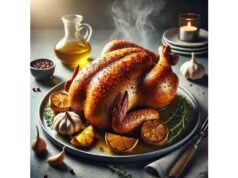
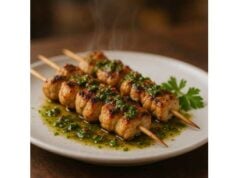
Quail meat and quail eggs punch far above their size. The birds are small, fast-cooking, and deeply flavorful, while their speckled eggs deliver dense nutrition in petite portions. Home cooks prize quail for weeknight speed—whole birds roast in minutes—and restaurants lean on them for elegant plates and rich stocks. Quail eggs show up in ramen, tapas, salads, and bento boxes, where two or three add protein without overwhelming a dish. Nutritionally, quail offers high-quality protein, heme iron, B vitamins, selenium, and choline (from eggs), with virtually no carbohydrates. The main cautions are the same as for all poultry and eggs: proper handling and thorough cooking. If you hunt or buy wild-shot birds, there’s also a special consideration—avoiding lead fragments. This guide distills what matters most: how quail compares with other poultry, how to choose and store it well, the best ways to cook it while preserving nutrients, and who may need limits or alternatives. By the end, you’ll know exactly when quail belongs on your table and how to make the most of it.
Quick Overview
- Quail meat provides ~20 g protein and ~4 mg iron per 100 g; quail eggs add riboflavin, selenium, and choline.
- Handle like any poultry: refrigerate promptly and cook meat to 74 °C (165 °F); avoid raw eggs unless pasteurized.
- Typical serving: 1 small whole quail (≈100–120 g raw) or 85 g cooked meat; quail eggs 2–3 (≈18–27 g), up to several times weekly as part of a balanced diet.
- Limit or avoid if you have an egg allergy; people managing LDL-cholesterol or with familial hypercholesterolemia should follow clinician advice.
- Frequent consumers of wild, lead-shot game (especially children and pregnant people) should minimize intake or choose lead-free sources.
Table of Contents
- Quail Basics: What It Is, How It’s Used
- Quail Nutrition Profile (Per 100 g)
- Evidence-Based Health Benefits
- Risks, Allergies and Interactions
- Selecting, Quality, Sustainability and Storage
- Preparation, Cooking and Nutrient Retention
- Portions, Comparisons and FAQs
Quail Basics: What It Is, How It’s Used
Quail are small game birds prized for tender, delicately gamey meat and richly colored, speckled eggs. In markets, you’ll most often see farmed Japanese/Coturnix quail—a domesticated species that grows quickly and yields consistent meat and eggs. Wild European common quail appears seasonally in some regions, while New World bobwhite quail is typically a hunted, local specialty. Whichever you buy, plan on quick cooking and small portions: a whole farmed bird commonly weighs 100–150 g (3.5–5.3 oz) before cooking, and a typical serving is one bird per person or two for a heartier main.
Culinary applications are broad:
- Meat: Roast or grill whole birds; pan-sear split breasts; confit legs; or butter-poach for luxury texture. Bones and frames make a concentrated stock for sauces and soups. Because of their size, quail cook faster than chicken—ideal for dinners in under 30 minutes.
- Eggs: With ~9 g per egg, quail eggs are about one-fifth the size of a large chicken egg. They’re commonly soft-boiled for ramen, halved on canapés, or raw/pasteurized in dressings in cuisines that traditionally use raw egg. Their proportionally larger yolk gives a rich mouthfeel and vibrant color.
Flavor profile and texture: Quail tastes like a slightly “wild” chicken with a savory, minerally finish. Skin-on birds crisp beautifully at high heat; meat is tender but dries quickly if overcooked. Brining or briefly marinating helps keep moisture and seasons the meat evenly.
Nutritional positioning: Quail is naturally low-carb and high in complete protein. Compared with chicken thigh, quail meat usually contains similar protein but more iron per portion. Quail eggs deliver standout riboflavin (vitamin B2), selenium, and choline relative to their size.
Shopping formats: You’ll find whole, semi-boned (“butterflied”/spatchcocked), boneless breasts, legs, and frozen packs. Eggs are sold by the dozen (often 10–24 per pack). For convenience, look for semi-boned birds: the backbone is removed for faster, flatter cooking, yet legs and breasts remain intact.
When quail is the better choice:
- You want a fast-to-roast centerpiece for two or a refined dinner party plate.
- You’re building iron-rich meals without red meat.
- You need small, high-impact protein additions—e.g., a couple of quail eggs to boost ramen or salad protein.
Key cautions in brief: Treat quail as poultry for food safety; always cook meat thoroughly. Use pasteurized egg products for raw applications. If your quail is wild-shot, ask about non-lead ammunition and trim away any visibly damaged tissue.
Quail Nutrition Profile (Per 100 g)
Below are scannable nutrition snapshots for quail meat and eggs using common retail forms. Values are per 100 g with sensible rounding; %DV uses U.S. adult Daily Values where applicable. Real-world values vary with breed, feed, and whether skin is included or the meat is cooked.
Quail Meat (meat and skin, raw), per 100 g
| Category | Nutrient | Amount | %DV |
|---|---|---|---|
| Energy & Macros | Energy | 192 kcal | — |
| Protein | 19.6 g | 39% | |
| Total fat | 12.1 g | 16% | |
| Saturated fat | 3.5–3.7 g | 18% | |
| Carbohydrate | 0 g | 0% | |
| Minerals | Iron | ~4.0 mg | 22% (≈25% in some datasets) |
| Zinc | ~2.4 mg | 22% | |
| Selenium | ~17 µg | 31% | |
| Phosphorus | ~275 mg | 22% | |
| Potassium | ~216 mg | 5% | |
| Sodium | ~53 mg | 2% | |
| Vitamins | Niacin (B3) | ~7.5 mg | 47% |
| Vitamin B6 | ~0.6 mg | 35% | |
| Riboflavin (B2) | ~0.26 mg | 20% | |
| Thiamin (B1) | ~0.24 mg | 20% | |
| Vitamin A (RAE) | ~73 µg | 8% | |
| Vitamin C | ~6.1 mg | 7% |
Notes: Skinless meat is leaner (~4.5 g fat/100 g; ~21.8 g protein), while cooked meat concentrates nutrients per 100 g as water is lost.
Quail Eggs (whole, raw), per 100 g
| Category | Nutrient | Amount | %DV |
|---|---|---|---|
| Energy & Macros | Energy | 158 kcal | — |
| Protein | ~13.1 g | 26% | |
| Total fat | ~11.1 g | 14–17% | |
| Saturated fat | ~3.6 g | 18% | |
| Carbohydrate | ~0.4 g | 0% | |
| Fats | Monounsaturated fat | ~4.3 g | — |
| Polyunsaturated fat | ~1.3 g | — | |
| Minerals | Iron | ~3.7 mg | 21% |
| Phosphorus | ~226 mg | 18% | |
| Selenium | ~32 µg | 58% | |
| Zinc | ~1.5 mg | 14% | |
| Sodium | ~141 mg | 6% | |
| Vitamins & Bioactives | Riboflavin (B2) | ~0.79 mg | 61% |
| Vitamin A (RAE) | ~156 µg | 17% | |
| Vitamin D | ~1.4 µg | 7–14% | |
| Folate (DFE) | ~66 µg | 17% | |
| Vitamin B12 | ~1.6 µg | 67% | |
| Choline | ~260–270 mg | — (AI ~425–550 mg/day) | |
| Other | Cholesterol | ~844 mg | — (no %DV) |
| Lutein + Zeaxanthin | ~33 µg | — |
Glycemic & Acid–Base Metrics
- Quail meat: Net carbs 0 g; PRAL (acid load) ~+14 to +16 per 100 g.
- Quail eggs: Net carbs ~0.4 g; glycemic index ~0; PRAL ~+11 per 100 g.
Allergens & Intolerance Markers
- Egg proteins (e.g., ovomucoid, ovalbumin, ovotransferrin) are common allergens.
- Meat is not a top-eight allergen, but rare cross-reactivity can occur in “bird–egg” syndrome (see Risks).
Contaminants/Residues
- Wild-shot game can contain lead fragments from ammunition; frequent consumers should minimize intake or choose lead-free sources (see Risks).
Footnotes:
- Values reflect raw meat (with skin) and raw eggs per 100 g. Cooking changes water content and concentrates nutrients per weight.
- Cholesterol shows no %DV on labels. Choline lacks a mandated %DV; Adequate Intake (AI) is ~425–550 mg/day depending on sex and life stage.
- Micronutrients vary by farming practices, feed, and whether meat is skin-on/off.
Evidence-Based Health Benefits
1) High-quality protein for muscle and recovery
Quail meat provides ~20–22 g protein per 100 g, and quail eggs offer ~13 g per 100 g. This complete protein supports muscle protein synthesis and repair after activity or illness. Because quail cooks quickly and eggs portion small, they’re practical for spreading protein across meals—a strategy associated with better muscle maintenance.
2) Iron-dense without red meat
Quail meat supplies ~4 mg iron per 100 g—higher than many cuts of chicken or turkey. This heme iron is more bioavailable than iron from plants, helping prevent or address low ferritin in people at risk (adolescents, pregnant women under medical guidance, menstruating athletes). Pair quail with vitamin C sources (e.g., citrus or peppers) to further support absorption.
3) B vitamins for energy metabolism and nerves
Quail meat is notable for niacin (~47% DV/100 g), vitamin B6 (~35–46% DV/100 g), and riboflavin (~20% DV/100 g). Quail eggs add more riboflavin (~61% DV/100 g) and vitamin B12 (~67% DV/100 g). Together, these support mitochondrial energy pathways, red blood cell production, and normal neurological function.
4) Selenium and antioxidant defenses
Quail eggs provide ~32 µg selenium per 100 g (~58% DV), contributing to glutathione peroxidase enzymes that help limit oxidative stress. Meat contributes additional selenium (~17 µg/100 g).
5) Choline for brain and liver health (eggs)
Quail eggs supply roughly 260–270 mg choline per 100 g, a meaningful contribution toward the 425–550 mg Adequate Intake used in nutrition guidance. Choline supports cell membranes, neurotransmitters (acetylcholine), and normal liver fat metabolism—reasons eggs are often recommended during pregnancy and breastfeeding within an overall balanced pattern.
6) Low carbohydrate, minimal glycemic impact
Both quail meat and eggs contain virtually no carbohydrates and register a glycemic index near zero, making them easy to slot into low-carb, Mediterranean, or balanced mixed-meal patterns while emphasizing vegetables, legumes, and whole grains elsewhere.
7) Culinary benefits that support healthier patterns
Because quail cooks rapidly and tastes rich—even in small portions—it can anchor meals where vegetables and whole grains occupy more plate space. Two examples:
- Spatchcocked quail with charred lemon, farro, and arugula.
- Soft-boiled quail eggs atop a large salad with lentils and roasted beets.
Who benefits most?
- Active adults seeking protein distribution across the day.
- People with low iron stores needing heme iron sources under medical guidance.
- Pregnant/breastfeeding individuals who can incorporate eggs for choline and B vitamins (as advised by their clinician).
- Those managing post-meal glucose who prefer low-carb proteins.
Balanced perspective on cholesterol: Quail eggs are high in cholesterol (~844 mg/100 g). For most healthy adults, dietary cholesterol has a smaller effect on blood LDL than saturated fat and overall pattern. Still, anyone with familial hypercholesterolemia or specific LDL targets should follow individualized clinical advice.
Risks, Allergies and Interactions
1) Food safety (poultry and eggs)
- Treat quail like any poultry: avoid cross-contamination, and cook meat to an internal temperature of 74 °C (165 °F) measured at the thickest part.
- Avoid raw eggs unless they are pasteurized; cook egg dishes until the yolk and white are firm or to 71 °C (160 °F) for mixed dishes.
- Refrigerate eggs promptly (≤4 °C / 40 °F), and use cooked egg dishes within 3–4 days.
2) Egg allergy
Egg proteins (ovomucoid, ovalbumin, ovotransferrin, and serum albumin) can trigger reactions ranging from hives and wheeze to anaphylaxis. People with diagnosed egg allergy should avoid quail eggs unless cleared by an allergist. A subset of sensitized adults experience “bird–egg syndrome,” in which inhalant allergy to bird proteins (e.g., feather dander) cross-reacts with egg proteins; cooking reduces but does not eliminate risk for heat-labile components.
3) Lead fragments in wild-shot game
Small game birds hunted with lead ammunition may retain microscopic fragments in the meat, which can raise dietary lead exposure. Frequent consumers—especially children, pregnant individuals, and those planning pregnancy—are advised to minimize intake of lead-shot game or choose sources harvested with non-lead ammunition. Trimming away extensively damaged tissue helps but may not remove tiny fragments.
4) Lipids and cholesterol management
Quail eggs concentrate cholesterol. For people with familial hypercholesterolemia, prior cardiovascular events, or very high LDL-C, clinicians often recommend tailored limits on egg intake and a focus on overall dietary patterns (fiber-rich plants, unsaturated fats, and portioned animal proteins). Saturated fat from skin-on birds also contributes to LDL-C; removing skin and using roasting racks can modestly reduce rendered fat consumption.
5) Medication and condition notes
- Anticoagulation (vitamin K): Quail eggs are very low in vitamin K; quail meat is negligible—unlikely to meaningfully affect warfarin dosing.
- Histamine intolerance: As with other poultry, prolonged storage or slow cooling can increase biogenic amines; rapid chilling and prompt use reduce risk.
- Pregnancy: Follow standard egg and poultry safety. Quail eggs can be included fully cooked; avoid raw/undercooked preparations unless using pasteurized products.
6) Environmental/ethical considerations (brief)
If buying wild-shot birds, ask about ammunition type (lead-free preferred). For farmed quail, look for producers with transparent welfare standards.
Red flags that warrant medical advice
- Any immediate allergic symptoms after eggs or poultry.
- Ongoing GI symptoms after eggs despite cooking thoroughly.
- Very high LDL-C or known lipid disorders when considering frequent egg intake.
Selecting, Quality, Sustainability and Storage
Choosing quality birds
- Fresh or frozen: Both are fine. Frozen quail retain quality well; choose vacuum-packed birds with minimal ice crystals (a sign of slow thaw/refreeze).
- Appearance: Skin should be pale to golden without greenish hues or dark, extensive bruising. A slight “wild” aroma is normal; strong odors are not.
- Cut style: Whole, semi-boned (spatchcocked), or boneless breasts/legs. Semi-boned birds cook fast and present well.
- Eggs: Shells should be intact and dry with clean speckling. Because quail shells are mottled, check under bright light for hairline cracks.
Pro tips for sustainability and sourcing
- Farmed vs wild: Most retail quail are farmed, which reduces pressure on wild populations. If you source wild, verify local seasons and limits.
- Ammunition choice: If buying from hunters or specialty suppliers, request birds taken with non-lead ammunition. This reduces both human dietary exposure and environmental contamination.
- Feed transparency: Some farms disclose feed composition (grain and seed mixes); diversified feed can modestly influence micronutrients (e.g., yolk color).
Storage and shelf life
- Raw quail meat: Keep ≤4 °C (≤40 °F); cook within 1–2 days. Freeze up to 6–9 months for best quality (airtight packaging).
- Cooked meat: Refrigerate within 2 hours; use within 3–4 days; reheat to 74 °C (165 °F).
- Quail eggs: Refrigerate in the carton ≤4 °C (≤40 °F). For best quality, use within 3 weeks of purchase. Hard-cooked eggs keep ~1 week refrigerated.
Handling to reduce waste and risk
- Thaw frozen quail in the refrigerator (not on the counter).
- Keep a dedicated cutting board for raw poultry; sanitize knives and surfaces afterward.
- If marinating, do so under refrigeration and discard used marinade or boil before basting.
Labels and claims you may see
- “All-natural” refers to minimal processing; it does not guarantee husbandry standards.
- “No antibiotics ever” indicates production without routine antibiotics; still follow standard cooking safety.
- “Pasture-raised” and welfare certifications vary; look for recognized, audited programs when animal welfare is a priority.
Preparation, Cooking and Nutrient Retention
Quick-cook fundamentals
- Target temperature: Cook quail to 74 °C (165 °F)—use an instant-read thermometer. Because birds are small, pull them from high heat as soon as they hit temperature to avoid dryness.
- Dry the skin well: Pat dry and salt 30–60 minutes ahead (refrigerated, uncovered) for better browning.
- High-heat methods: Roast at 220–230 °C (425–450 °F) for 12–16 minutes (spatchcocked) or pan-sear then finish in the oven. Grilling works well; oil grates and cook over medium-high, flipping once.
- Moist-heat backup: If you prefer forgiving doneness, consider a short braise: brown quickly, then simmer with stock 10–15 minutes to temperature.
Seasoning that complements quail’s flavor
- Citrus (lemon, orange), thyme, rosemary, juniper, garlic, smoked paprika, and soy-based glazes suit quail’s minerally profile.
- For a polished plate, glaze finished birds with pan juices reduced with shallot, a splash of sherry or Madeira, and a knob of butter.
Keeping nutrients intact
- Avoid overcooking: Excess heat drives moisture and some B vitamins into drippings. A quick roast or sear–roast preserves more riboflavin and B6 than prolonged cooking.
- Use drippings smartly: Sauces made from pan juices recover water-soluble vitamins and minerals that leach during cooking.
- Eggs: Soft- or medium-cooked quail eggs preserve heat-sensitive compounds (e.g., some B vitamins) better than very hard-boiled; however, ensure whites and yolks are set when safety is paramount. Pasteurized eggs are an option for runny-yolk dishes.
- Minimal trimming: For farmed birds, keeping skin on boosts vitamin A and fat-soluble nutrients but also increases saturated fat; choose based on your nutrition goals.
Sample methods
- Spatchcock Roast Quail
- Preheat to 230 °C (450 °F). Spatchcock birds, pat dry, and season with salt, pepper, lemon zest, thyme.
- Roast on a rack 12–16 minutes to 74 °C (165 °F). Rest 5 minutes.
- Deglaze pan with lemon and stock; reduce and mount with butter.
- Fried Quail Eggs (Set Yolks)
- Heat a lightly oiled skillet over medium. Crack eggs (use a small serrated knife to score shells).
- Cook 1–2 minutes per side until whites are opaque and yolks set—serve over sautéed greens or ramen.
- Confit Legs, Seared Breasts
- Confit legs low and slow in olive oil/duck fat with garlic and herbs; chill submerged.
- Pan-sear breasts skin-side down 2–3 minutes, flip to finish to temp. Warm confit legs in a hot oven to crisp.
Special case: wild-shot birds
- Trim away visibly damaged tissue; inspect carefully. If you suspect lead-shot use, opt for slow, moist cooking only after thorough trimming—or choose lead-free sources instead.
Portions, Comparisons and FAQs
Practical portions
- Meat: One small quail (≈100–120 g raw) typically yields ~60–80 g cooked, or plan on one bird per person with sides. For higher appetites, serve two.
- Eggs: 2–3 quail eggs equal roughly ½ of a large chicken egg by weight; 5 quail eggs ≈ 1 large chicken egg (by weight).
- Frequency: For most healthy adults, enjoying quail meat or eggs several times per week can fit a balanced pattern that emphasizes vegetables, legumes, whole grains, fruit, nuts, and seeds.
How quail compares
| Per 100 g (approx.) | Quail Meat (raw, meat+skin) | Chicken Thigh (raw, meat+skin) | Duck (raw, meat+skin) |
|---|---|---|---|
| Energy (kcal) | ~192 | ~209 | ~337 |
| Protein (g) | ~19.6 | ~16–18 | ~19 |
| Total fat (g) | ~12.1 | ~14 | ~28 |
| Iron (mg) | ~4.0 | ~0.9–1.3 | ~2.7 |
| Niacin (mg) | ~7.5 | ~5–6 | ~4–5 |
| Per 100 g | Quail Eggs | Chicken Eggs |
|---|---|---|
| Energy (kcal) | ~158 | ~143 |
| Protein (g) | ~13.1 | ~12.6 |
| Total fat (g) | ~11.1 | ~9.9 |
| Riboflavin (mg) | ~0.79 | ~0.45 |
| Selenium (µg) | ~32 | ~31 |
| Cholesterol (mg) | ~844 | ~372 |
FAQs
Are quail eggs “healthier” than chicken eggs?
They’re more concentrated per 100 g in riboflavin and often iron, with similar selenium and B12. They are also higher in cholesterol. In practice, most people eat fewer quail eggs per serving, so the net impact depends on how many you use.
Can I eat quail eggs raw?
Only if they are pasteurized. Otherwise, cook until yolks and whites are firm to reduce the risk of Salmonella.
Is quail good for weight management?
Yes—quail meat and eggs are high in protein and low in carbohydrates. Because quail is flavorful, smaller portions can satisfy when paired with high-volume vegetables and whole grains.
What about bones?
Deep-frying can render tiny rib bones edible in some cuisines, but for everyday cooking, serve bones-in and eat around them, or choose semi-boned birds for easier dining.
Is quail “gamey”?
Mildly. A quick brine (3% salt, 30–60 minutes) and bright acids (lemon, vinegar) keep flavors clean and tender.
Can children and pregnant people eat quail?
Yes—fully cooked quail meat and fully cooked quail eggs can be part of a balanced diet. Those groups should avoid wild, lead-shot game and raw/undercooked eggs.
References
- Nutrition Facts for Quail, meat and skin, raw (2025)
- Nutrition Facts for Quail Eggs (Raw) (2025)
- What You Need to Know About Egg Safety (2024)
- Cook to a Safe Minimum Internal Temperature (2024)
- Wild game guidance (2024)
Disclaimer
This article is for general education and is not a substitute for personalized medical advice, diagnosis, or treatment. Nutrition and safety needs vary by individual health status, medications, and life stage. Always consult a qualified healthcare professional or registered dietitian for guidance tailored to you—especially if you are pregnant, have food allergies, lipid disorders, or chronic conditions.
If you found this helpful, we’d be grateful if you shared it with friends or on Facebook or X. Your support helps us keep creating quality, evidence-informed guides.