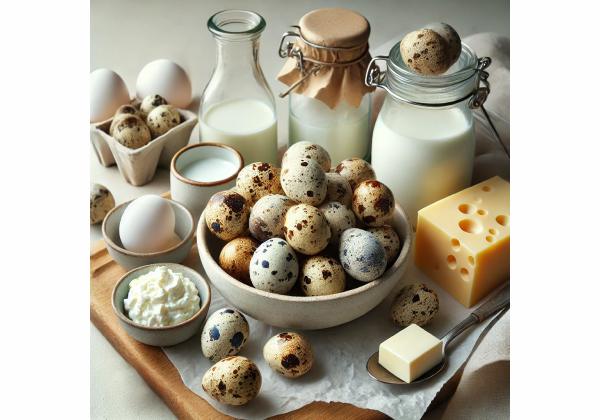
Quail eggs are petite, speckled, and surprisingly nutrient-dense. Despite their small size—about 9 grams each—they provide high-quality protein, a generous amount of choline for brain and liver function, and eye-supporting carotenoids concentrated in the yolk. Their rich, delicate flavor holds up in quick breakfasts, refined canapés, and pickled snacks alike. Compared with a single chicken egg, a practical “swap” is five quail eggs: a similar weight and a comparable calorie and protein package, with notably higher cholesterol and iron per 100 grams. Because most people eat them in small portions, quail eggs can fit into a balanced pattern whether you prefer low-carb, Mediterranean, or traditional cuisines. As with all eggs, safe handling and thorough cooking matter, especially for pregnant people, young children, older adults, and anyone with a weakened immune system. In the sections that follow, you’ll find a complete nutrition profile per 100 grams, evidence-based benefits, risks and allergy guidance, shopping and storage tips, cooking methods that protect nutrients and flavor, and portion comparisons to chicken and other bird eggs—so you can use quail eggs with confidence.
At a Glance
- Small but nutrient-dense: ~13 g protein and ~263 mg choline per 100 g.
- Eye-supportive yolks: provide lutein and zeaxanthin; low in carbs (≈0.4 g/100 g).
- Safety first: cook until yolks and whites are firm; avoid raw eggs in high-risk groups.
- Typical serving: 4–6 eggs (36–54 g) up to several times per week as part of mixed meals.
- Limit or avoid: individuals with egg allergy, and those advised to restrict dietary cholesterol.
Table of Contents
- Quail Eggs: Detailed Overview
- Quail Eggs Nutrition Profile
- Evidence-Based Health Benefits
- Risks, Allergies and Interactions
- Selecting, Quality, Sustainability and Storage
- Preparation, Cooking and Nutrient Retention
- Portions, Comparisons and FAQs
Quail Eggs: Detailed Overview
Quail eggs come from several small game-bird species, most commonly the Japanese quail (Coturnix japonica). Each shell weighs only a few grams yet packs nutrients with a distinctive flavor prized across Asia, Europe, and the Americas. Their spotted shells range from ivory to chocolate brown; the inner membrane clings tightly, which is why peeling requires a different technique than chicken eggs.
From a culinary standpoint, quail eggs behave like chicken eggs but cook much faster due to the small size. Their set white and creamy yolk make them ideal for delicate presentations—ramen toppings, tartines, steak tartare garnish, deviled halves, Scotch eggs in canapé form, or pickled jars for charcuterie boards. Because they are bite-size, they encourage mindful portioning: a serving of four to six eggs works well for salads, grain bowls, and bento-style lunches.
Nutritionally, quail eggs are rich in complete protein and provide several micronutrients in concentrated amounts when measured per 100 grams: choline (key for neurotransmitter synthesis and liver fat transport), vitamin B12, riboflavin (vitamin B2), selenium, phosphorus, and iron. They contain very little carbohydrate and modest sodium. Their total fat is similar to chicken eggs when compared on equal weight, with a mix of saturated, monounsaturated, and polyunsaturated fatty acids. Yolk pigments provide lutein and zeaxanthin, carotenoids linked with retinal health.
Two common questions arise: cholesterol and safety. Quail eggs are higher in cholesterol per 100 grams than chicken eggs, but typical portions are small; the broader research on egg intake and heart health suggests neutral effects for most healthy adults when eggs are eaten within balanced dietary patterns. Safety-wise, treat quail eggs like any shell egg: buy from reputable sources, refrigerate, and cook until whites and yolks are firm—especially if serving to groups at higher risk for foodborne illness.
Finally, access and sustainability have improved. Quail require less space and reach laying maturity sooner than chickens, which can reduce some resource inputs, though management and welfare practices vary by producer. When possible, choose farms that prioritize humane conditions and cold-chain handling.
Quail Eggs Nutrition Profile
Below is a practical, per-100-gram view to help you compare quail eggs to chicken eggs or fit them into meal planning. Values reflect raw, whole quail eggs (yolk + white). Actual values vary with breed, feed, and handling.
Macros & Electrolytes (per 100 g, raw)
| Nutrient | Amount | %DV* |
|---|---|---|
| Energy | 158 kcal | — |
| Protein | 13.1 g | 26% |
| Total Fat | 11.1 g | 14% |
| Saturated Fat | 3.6 g | 18% |
| Carbohydrate | 0.41 g | 0% |
| Dietary Fiber | 0 g | 0% |
| Total Sugars | 0.4 g | — |
| Cholesterol | 844 mg | — |
| Sodium | 141 mg | 6% |
| Potassium | 132 mg | 3% |
| Water | ~74 g | — |
Fats & Fatty Acids (per 100 g, raw)
(Representative profile; ranges vary with feed.)
| Component | Amount |
|---|---|
| Saturated fatty acids (SFA) | ~3.6 g |
| Monounsaturated fatty acids (MUFA) | ~4–5 g |
| Polyunsaturated fatty acids (PUFA) | ~1–2 g |
| Omega-3 (ALA, DHA, etc.) | trace–moderate |
| Omega-6 (linoleic acid) | ~1 g |
Protein & Key Amino Acids
Egg protein is high quality with complete essential amino acids and excellent digestibility. Albumen (white) is ovalbumin-rich; yolk contributes additional proteins and phospholipids. A 100 g portion provides ~13 g protein; a typical serving of 5 eggs (~45 g) provides ~6 g protein.
Vitamins (per 100 g, raw)
| Vitamin | Amount | %DV* |
|---|---|---|
| Vitamin A (RAE) | ~156 µg | 17% |
| Vitamin D | 1.4 µg | 7% |
| Riboflavin (B2) | ~0.79 mg | 61% |
| Folate (DFE) | ~66 µg | 17% |
| Vitamin B12 | ~1.6 µg | 67% |
| Choline | ~263 mg | 48% |
Minerals (per 100 g, raw)
| Mineral | Amount | %DV* |
|---|---|---|
| Iron | 3.7 mg | 20% |
| Zinc | ~1.5 mg | 13% |
| Selenium | ~32 µg | 58% |
| Phosphorus | 226 mg | 18% |
| Calcium | 64 mg | 5% |
| Iodine | variable (feed-dependent) | — |
Bioactives / Phytonutrients
- Lutein + zeaxanthin: concentrated in yolks; support macular pigment density.
- Phospholipids (lecithins): contribute to choline intake and emulsification properties in cooking.
Allergens & Intolerance Markers
- Major egg allergens include ovalbumin, ovomucoid, and ovotransferrin. Heat stabilizes some but not all allergenic proteins.
- Histamine intolerance: not typical in fresh eggs; issues more often relate to individual sensitivity.
Anti-nutrients
- Avidin in raw whites binds biotin; cooking denatures avidin, preventing biotin loss.
Additives & Fortification
- Fresh shell eggs are not fortified. Packaged products (e.g., pickled quail eggs) may include salt, vinegar, and spices—check labels.
Contaminants / Residues
- As with all shell eggs, contamination risk is primarily bacterial (e.g., Salmonella) from shells or contents. Safe handling and adequate cooking mitigate risk.
Glycemic & Acid–Base Metrics
- Glycemic impact: negligible; essentially 0 g digestible carbs per egg.
- PRAL (acid load): slightly acid-forming, similar to chicken eggs.
*%DV uses U.S. DVs: Protein 50 g; Total Fat 78 g; Saturated Fat 20 g; Carbohydrate 275 g; Sodium 2300 mg; Potassium 4700 mg; Vitamin A 900 µg RAE; Vitamin D 20 µg; Riboflavin 1.3 mg; Folate 400 µg DFE; Vitamin B12 2.4 µg; Choline 550 mg; Iron 18 mg; Zinc 11 mg; Selenium 55 µg; Phosphorus 1250 mg; Calcium 1300 mg.
Notes: Values are typical for raw, whole quail eggs and will vary by breed, diet, and analysis method. No values reflect fortification.
Evidence-Based Health Benefits
1) High-quality protein in small portions
Quail eggs deliver complete protein with excellent digestibility and a favorable amino acid pattern for tissue maintenance, enzyme production, and satiety. Because each egg is small, you can fine-tune portions: five eggs (~45–50 g) offer ~6 g protein—similar to one large chicken egg—making them useful in calorie-controlled meals or snacks that need just a bit more protein.
2) Meaningful choline for brain and liver function
Choline is essential for acetylcholine (a neurotransmitter), cell-membrane integrity (phosphatidylcholine), and methyl-group metabolism. Many adults fall short of recommended intakes. Per 100 g, quail eggs contribute roughly half the Daily Value of choline; even two to three eggs add a useful amount to a day that might also include legumes, fish, or crucifers.
3) Eye-supportive carotenoids
Yolks provide lutein and zeaxanthin—the same pigments concentrated in the macula. These carotenoids help maintain macular pigment density, a marker linked with retinal resilience and visual performance across the lifespan. While leafy greens supply larger absolute amounts, egg yolk carotenoids are packaged in lipids that aid absorption. Including small servings of quail eggs alongside vegetables can boost overall carotenoid intake.
4) Micronutrient density in an easy-to-use format
Beyond choline, quail eggs supply riboflavin, vitamin B12, selenium, and iron per 100 g. These support oxygen transport (iron, B12), antioxidant defenses (selenium), and energy metabolism (riboflavin). In cuisines where small eggs are common, incorporating quail eggs into bowls, soups, and savory breakfasts is a convenient way to lift micronutrient density without adding significant carbohydrate.
5) Compatible with several patterns
Quail eggs are naturally low in carbohydrate and can fit into Mediterranean-style, low-carb, or higher-protein meal frameworks. Pair them with vegetables, whole grains, and olive oil for a balanced plate; or add two soft-boiled eggs to miso soup with soba and spinach for a quick lunch rich in protein, iodine (from seaweed), and polyphenols (from buckwheat).
How this squares with cholesterol questions
Per 100 g, quail eggs are cholesterol-dense. Yet dietary cholesterol’s effect on blood cholesterol varies by individual, and overall diet quality matters. Large cohort analyses suggest that, for most healthy adults, moderate egg intake as part of varied diets is not associated with higher cardiovascular events. Portions of quail eggs are small, which practically reduces cholesterol load per eating occasion compared with weight-matched chicken egg servings.
Practical applications
- Add 4–6 soft-boiled quail eggs to grain bowls for a protein and choline boost.
- Top salads or avocado toast with two jammy quail eggs for eye-supportive carotenoids.
- Use pickled quail eggs as a salty-tangy snack alternative to processed meat sticks.
Risks, Allergies and Interactions
Foodborne illness
Like any shell egg, quail eggs can transmit bacteria if eaten raw or undercooked. The simplest prevention is to refrigerate promptly (≤4 °C/40 °F), keep shells clean and intact, and cook until whites and yolks are firm. Avoid recipes with raw eggs (e.g., classic Caesar dressing) unless made with pasteurized eggs.
Allergy
Egg allergy is one of the most common food allergies in children, though many outgrow it. The proteins most implicated—ovalbumin, ovomucoid, and ovotransferrin—occur in quail and chicken eggs. People with proven egg allergy should avoid quail eggs unless cleared by a clinician after appropriate testing or supervised oral food challenges. For infants following current pediatric guidance on allergen introduction, decisions should be individualized with a healthcare professional.
Raw egg whites and biotin
Avidin in raw whites binds biotin and can reduce its bioavailability if consumed in large, chronic amounts. Heat denatures avidin; cooking eliminates this concern. Avoid habitual raw-egg intake; choose fully cooked preparations for safety and micronutrient availability.
Cholesterol considerations
Quail eggs are cholesterol-dense per 100 g. For individuals with high LDL-cholesterol, familial hypercholesterolemia, or those specifically advised to limit dietary cholesterol, discuss egg portions with a clinician or registered dietitian. Many will tolerate modest portions within a heart-healthy pattern emphasizing fruits, vegetables, whole grains, legumes, fish, and unsaturated fats.
Sodium and shelf-stable products
Pickled quail eggs can be high in sodium. If you enjoy them, balance your day by emphasizing unsalted nuts, fresh produce, and low-sodium entrées, and by tasting before salting.
Drug–nutrient notes
No routine clinically significant interactions are expected from quail eggs themselves. As with any high-protein food, consider spacing certain medications that bind to proteins or minerals (for example, some antibiotics) away from meals if directed by your prescriber.
Who should be especially cautious?
- Pregnant people, young children, older adults, and immunocompromised individuals (cook thoroughly; avoid raw eggs).
- Anyone with confirmed egg allergy.
- Those with medical advice to limit dietary cholesterol.
Selecting, Quality, Sustainability and Storage
Selecting
- Choose cartons with clean, intact, uncracked shells. Speckles and color variations are normal.
- Check the pack or best-by date. If you have options, pick the freshest carton stocked.
- Prefer reputable producers who maintain cold-chain transport and clear date coding.
Sustainability and welfare
- Quail reach laying age quickly and need less space than chickens, potentially lowering some resource inputs per egg.
- Look for producers that prioritize humane housing, clean litter, enrichment, and veterinary oversight.
- Local sourcing reduces transport impacts and can improve freshness; farmers’ markets and specialty grocers may carry small-batch quail eggs from regional farms.
Storage
- Refrigerate promptly at ≤4 °C/40 °F; store in the original carton on an interior shelf, not the door.
- Keep shells dry; if you rinse visibly dirty eggs just before use, dry them thoroughly and cook the same day.
- Typical home storage life in the refrigerator is up to 3–5 weeks from pack date when handled properly.
- To test freshness, submerge an egg in cold water in a small glass: very fresh eggs lie flat; older eggs stand upright. Discard any that float fully.
Food safety habits
- Wash hands after handling shells. Use separate cutting boards for raw meat and ready-to-eat items.
- For picnics and lunchboxes with cooked eggs, pack with ice packs and chill leftovers within two hours (one hour if >32 °C/90 °F ambient).
Buying formats
- Fresh shell eggs: best for boiling, frying, and baking.
- Pasteurized shell eggs: suitable if you need runny-yolk preparations for higher-risk diners.
- Pickled quail eggs: ready-to-eat; check sodium content and shelf-life guidance.
Preparation, Cooking and Nutrient Retention
Boiling (jammy to firm)
Because quail eggs are tiny, timing is your superpower. Start eggs in simmering water (not a rolling boil) to reduce shell cracks.
- Bring a saucepan of water to a gentle simmer.
- Lower eggs with a spoon or spider.
- Time precisely: 2 minutes for soft-set whites and runny yolks, 2½–3 minutes for jammy yolks, 4 minutes for firm yolks.
- Transfer to an ice bath for 2 minutes to stop cooking and make peeling easier.
- Crack gently all around, roll under your palm, and peel under a thin stream of water to release the tight inner membrane.
Steaming (great for peeling)
Steam over rapidly boiling water for 5–6 minutes, then shock in ice water. Steaming reduces shell cracks and often yields cleaner peels.
Frying or sautéing
Use medium heat and a light film of oil or butter. Crack into a ramekin first, then slide into the pan. For sunny-side-up, cover the pan for 30–45 seconds to set the whites while keeping yolks runny. For higher-risk diners, cook until yolks are firm.
Pickling
Hard-boil, peel, and submerge in a brine of vinegar, water, salt, aromatics, and spices. Refrigerate and use within the recommended time for your recipe. Pickling adds flavor and extends shelf life but increases sodium.
Baking and roasting
Nestle quail eggs in mini muffin tins for bite-size frittatas or bake atop petite potato rosti. If using in custards, temper yolks gently to avoid curdling.
Retaining nutrients and flavor
- Avoid overcooking: prolonged heat can toughen whites and grey the yolk’s surface (iron–sulfur reaction).
- Leverage fats: a small amount of olive oil or dairy fat aids absorption of yolk carotenoids.
- Pair with plants: serving eggs alongside dark greens or colorful vegetables creates complementary nutrient synergy (folate + choline, carotenoids + lipids).
- Mind sodium: season with herbs, citrus, and spices; reserve heavy salting for pickled styles.
Food safety temperature guide
Egg dishes should reach at least 71 °C/160 °F. For runny preparations, use pasteurized eggs and practice meticulous hygiene.
Portions, Comparisons and FAQs
How many quail eggs equal one chicken egg?
A practical kitchen conversion is five quail eggs ≈ one large chicken egg by weight and protein. That means 5 quail eggs deliver roughly 70–80 kcal and ~6 g protein—very similar to one large chicken egg.
What is a sensible serving size?
For most adults, 4–6 quail eggs (36–54 g) works well as a topping or side. As a main protein in a light meal, 8–10 eggs can fit, balanced with vegetables and whole grains. Frequency can be several times per week as part of a varied diet, adjusting for your overall protein and cholesterol targets.
Are quail eggs healthier than chicken eggs?
Per 100 g, quail eggs are richer in iron, riboflavin, and vitamin B12, and they are similar in protein. They also contain more cholesterol per 100 g. In the real world, because portions are small, the practical differences narrow. Choose based on taste, recipe, budget, and availability.
Can children eat quail eggs?
Yes—once eggs are introduced in age-appropriate forms and fully cooked. For infants and toddlers, offer well-cooked, mashed or quartered eggs to reduce choking risk. If there is a known egg allergy or strong family history, consult your pediatrician for an introduction plan.
How do I peel them without breaking the white?
Shock boiled eggs in ice water, roll to crack the shell thoroughly, and peel under running water. Steaming instead of boiling can further improve peeling by loosening the inner membrane.
What about cholesterol and heart health?
For most healthy adults, moderate egg intake is compatible with heart-healthy patterns. If you have elevated LDL-cholesterol or cardiovascular disease, personalize your portions with your clinician or dietitian.
Do quail eggs need refrigeration?
If washed and graded (common in some markets), they require refrigeration. If unwashed with intact bloom (more common at small farms), they may be stored cool at room temperature for a short period before purchase, but once home, refrigeration is the safest choice for quality and safety.
Any special culinary tips?
- For ramen, cook 2½ minutes for jammy yolks.
- For canapé deviled eggs, boil 4 minutes, chill, halve, and pipe yolk mixture with Dijon, yogurt, and chives.
- For grain bowls, soft-boil 3 minutes, peel, and toss with farro, arugula, olives, and lemon zest.
References
- Nutrition Calculation For Quail Eggs (Raw) 2024 (Database)
- Choline – Health Professional Fact Sheet 2024 (Guideline)
- Egg consumption and risk of cardiovascular disease: three large prospective US cohort studies, systematic review, and updated meta-analysis – PubMed 2020 (Systematic Review)
- What is a safe internal temperature for food made with eggs? 2022 (Guideline)
- Egg allergy 2024 (Guideline)
Disclaimer
This article is for general education and is not a substitute for personalized medical advice, diagnosis, or treatment. Nutrition needs and health risks vary. Always consult your physician or a registered dietitian for guidance tailored to your medical history, lab results, medications, and goals. If you have symptoms of a food allergy, seek professional evaluation before reintroducing eggs.
If you found this guide helpful, please consider sharing it on Facebook, X (formerly Twitter), or your favorite platform. Your support helps us continue creating clear, reliable nutrition content.