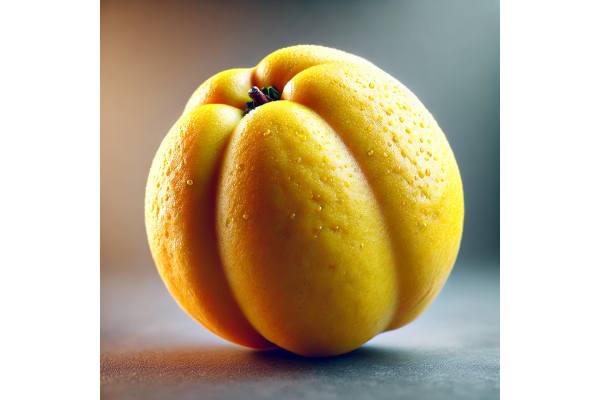
Quince is an old-world fruit with modern appeal. Firm, fragrant, and astringent when raw, it transforms with heat into silky slices the color of sunrise, perfuming kitchens and sweet or savory dishes from Iberian membrillo to Persian khoresh-e beh. Nutritionally, quince is a light, fiber-containing fruit that supplies vitamin C and potassium with almost no fat or sodium. It’s rich in pectin and polyphenols—the same plant compounds associated with gut support and cardiometabolic wellness—yet it’s gentler in sugar than many preserved forms of the fruit. Research on quince extracts and syrups suggests benefits for reflux and inflammation, while whole quince remains a versatile, budget-friendly addition to fall and winter cooking. In this guide, you’ll learn what quince offers nutritionally per 100 g, how to choose and store it, the healthiest ways to cook it, and when to be cautious (especially around seeds and very sugary pastes). Consider this your evidence-based, cook-friendly primer on a fruit that deserves a place in your cold-weather rotation.
Quick Overview
- Provides vitamin C 15 mg per 100 g and fiber 1.9 g with very low fat and sodium.
- Pectin and polyphenols support digestive comfort and cardiometabolic health when included in balanced meals.
- Typical serving: 120–150 g cooked fruit, 2–3 times per week in season.
- Safety note: avoid chewing the hard seeds; processed quince pastes can be very high in added sugars.
- People with Rosaceae fruit allergy or pollen–food syndrome should introduce cooked quince cautiously and seek medical advice if symptoms occur.
Table of Contents
- Quince: detailed overview
- Quince nutrition profile (per 100 g)
- Quince benefits: what studies show
- Risks, allergies and interactions
- Selecting quince: quality, sustainability and storage
- Preparation, cooking and nutrient retention
- Portions, comparisons and FAQs
Quince: detailed overview
Quince (Cydonia oblonga) is a member of the Rosaceae family, cousin to apples and pears. Its dense, pale flesh and fuzzed, golden skin are unmistakable, as is the perfume—floral, honeyed, and slightly citrus—that intensifies as the fruit ripens in storage. Raw quince is intensely astringent because of tannins; cooking softens the fruit, mellows the acidity, and unlocks pectin-driven gelation. That pectin makes quince prized for preserves and paste (membrillo), yet the fruit is equally at home in savory dishes, where its tartness balances rich meats and legumes.
Culinarily, think of quince as a “bridge” ingredient. In the pot, it links sweet and savory, and in the diet, it bridges comfort foods with nutritious choices. A single medium fruit yields enough cooked slices to portion across breakfasts (on warm oats with yogurt), lunches (folded into grain bowls with herbs and nuts), and dinners (braised alongside chicken, lamb, or chickpeas). Its natural acidity means you can use less added sugar if you cook slowly with a little lemon and let aromatics—vanilla, cardamom, star anise—carry the sweetness.
From a nutrition perspective, quince is a light fruit: modest calories (about 60 kcal/100 g), very low fat, and a small but meaningful amount of fiber and vitamin C. It also supplies potassium and copper. The polyphenol profile (notably chlorogenic acid derivatives and procyanidins) and the soluble fiber (pectin) are the main “functional” features. While clinical evidence is stronger for specific quince preparations (e.g., syrups or extracts studied for reflux), regularly eating whole, minimally sweetened quince can support everyday dietary goals: more plants, more fiber, less sodium, and more home-cooked meals.
Availability peaks in autumn through early winter. Quince stores well in the refrigerator for weeks, making it a practical seasonal staple you can batch-cook. In sustainability terms, quince trees are hardy, often grown in mixed orchards, and the fruit’s long keeping quality reduces waste if you handle it correctly. In short: quince is an underused, affordable fruit that delivers culinary delight and nutritional value when prepared with intention.
Quince nutrition profile (per 100 g)
Below are values for raw quince per 100 g edible portion. Percent Daily Values (%DV) use current adult reference values. Where no DV exists, the field is shown as “—”.
Macros and electrolytes
| Nutrient | Amount per 100 g | %DV |
|---|---|---|
| Energy | 60 kcal | — |
| Water | 83.8 g | — |
| Protein | 0.4 g | — |
| Total fat | 0.1 g | — |
| Carbohydrate (by difference) | 15.3 g | — |
| Available carbohydrate | 13.4 g | — |
| Total sugars | 6.3 g | — |
| Dietary fiber | 1.9 g | 7% |
| Sodium | 4 mg | 0% |
| Potassium | 197 mg | 4% |
Vitamins
| Vitamin | Amount per 100 g | %DV |
|---|---|---|
| Vitamin C (ascorbic acid) | 15.0 mg | 17% |
| Vitamin A (RAE) | 4 µg | 0% |
| Beta-carotene | 24 µg | — |
| Vitamin E (alpha-TE) | 0.1 mg | 1% |
| Thiamin (B1) | 0.02 mg | 2% |
| Riboflavin (B2) | 0.03 mg | 2% |
| Niacin (B3) | 0.2 mg | 1% |
| Vitamin B6 | 0.04 mg | 2% |
| Folate | 3 µg | 1% |
| Vitamin B12 | 0 µg | 0% |
| Vitamin D | 0 µg | 0% |
Minerals
| Mineral | Amount per 100 g | %DV |
|---|---|---|
| Calcium | 11 mg | 1% |
| Magnesium | 8 mg | 2% |
| Phosphorus | 17 mg | 2% |
| Iron | 0.7 mg | 4% |
| Zinc | 0.1 mg | 1% |
| Copper | 0.13 mg | 14% |
| Selenium | 1 µg | 2% |
| Iodine | 0.4 µg | — |
Fats and fatty acids
| Component | Amount per 100 g | % of total FA |
|---|---|---|
| Saturated fatty acids (total) | 0.007 g | 9.6% |
| Monounsaturated fatty acids (total) | 0.027 g | 38.2% |
| Polyunsaturated fatty acids (total) | 0.036 g | 52.1% |
| n–3 fatty acids (total) | 0.000 g | — |
| n–6 fatty acids (total) | 0.036 g | — |
| Cholesterol | 0 mg | 0% |
Carbohydrate quality
- Starch: 0 g per 100 g.
- Added sugars: 0 g in plain fruit (note: many commercial quince pastes contain substantial added sugar; see portions section).
Bioactives and matrix notes
- Rich in soluble fiber (pectin), which forms gels; supports viscosity in the gut.
- Contains polyphenols (e.g., chlorogenic acid derivatives, procyanidins) concentrated in peel and pulp; gentle cooking preserves much of this activity.
- Tannins drive raw astringency; long, moist heat reduces perceived harshness.
Glycemic and acid–base metrics
- No standardized glycemic index is published for quince. Based on available carbohydrate (≈13.4 g per 100 g) and fiber, glycemic impact is modest when eaten as part of mixed meals.
- Naturally acidic; lemon added during cooking is for color and flavor rather than safety.
Footnote: Values reflect unfortified, raw fruit. Cooking changes vitamin C (decreases with time/heat) but preserves fiber and pectin. Product labels (e.g., quince paste) vary widely in added sugar.
Quince benefits: what studies show
Digestive comfort and reflux support
Traditional use of quince preparations for soothing the upper digestive tract has spurred modern trials. In pediatric and pregnancy settings, quince syrups or sauces reduced gastroesophageal reflux symptoms to a degree comparable to conventional therapy in short-term studies. While those products are not the same as whole fruit, they suggest that quince’s pectin and polyphenols can contribute to a soothing effect on the esophageal lining and may improve symptom scores in selected groups. For everyday eating, pairing cooked quince with protein or yogurt can create a gentle, satisfying meal that many find easier to tolerate than citrus or highly acidic berries.
Cardiometabolic wellness, framed appropriately
Reviews of quince extracts—including leaf and fruit—report consistent improvements in lipid profiles, oxidative stress markers, and blood pressure in animal and in vitro models. These effects are attributed to polyphenols (like chlorogenic acid derivatives) and total flavonoids, which modulate oxidative pathways and endothelial function. Human trials using whole fruit are scarce; therefore, it’s best to view quince as part of a pattern: more fruit and fiber, less sodium, and fewer refined sweets. In practical terms, replacing sugary desserts with lightly sweetened, slow-poached quince or adding quince to whole-grain bowls can help reduce overall added sugar and saturated fat intake while raising fiber.
Antioxidant density in real-world cooking
Processing does not inevitably diminish quince’s bioactivity. Studies measuring polyphenols and antioxidant capacity across fresh and cooked forms (poached, fried without fat, juiced, and preserved) show that moderate cooking can concentrate certain compounds, especially when peel is retained. Long, low-temperature poaching with a bit of acid (lemon) preserves color and much of the antioxidant activity while softening the tannins that make raw fruit unpalatable. This aligns with kitchen experience: ruby-toned, tender quince holds shape and stands up well to reheating, meaning you can meal-prep without major nutrient losses in fiber and polyphenols.
Everyday benefits you can feel
- Satiety: Soluble fiber (pectin) contributes to thickness in the stomach and small intestine, slowing gastric emptying and supporting fullness.
- Glycemic steadiness: With modest available carbohydrate and fiber, quince pairs well with proteins (yogurt, cottage cheese, eggs, legumes) to keep post-meal glucose steadier than a refined dessert.
- Micronutrient support: One typical serving (120–150 g cooked) provides ~18–22 mg vitamin C (from raw equivalent) before cooking losses—still a notable contribution to daily intake when other fruits are scarce in winter.
How to “use” quince for health
- Swap: Trade a portion of sugary dessert for ½–1 cup poached quince with Greek yogurt and toasted nuts.
- Stretch: Add diced cooked quince to lentil stews or chicken braises to add flavor intensity while reducing the need for extra salt or sweeteners.
- Support: If managing reflux, choose tender, peeled, cooked quince served warm, and chew well; avoid high-fat accompaniments that can worsen symptoms.
Bottom line: Evidence on extracts is promising but not prescriptive for whole fruit. Even so, quince is a sensible, pleasure-forward way to add fiber, vitamin C, and polyphenol-rich variety to cool-season meals.
Risks, allergies and interactions
Allergy and cross-reactivity
Quince belongs to Rosaceae, the same family as apple, pear, and stone fruits. People with pollen–food allergy syndrome (oral allergy syndrome) or lipid-transfer protein (LTP) sensitization can react to Rosaceae fruits. Symptoms may include mouth itching, lip swelling, or, rarely, systemic reactions. Cooking usually reduces pollen-related reactions, but LTP-associated reactions can persist. If you’ve reacted to apple or peach, introduce a small amount of well-cooked quince in a safe setting and consult a clinician for testing and guidance.
Seed caution
Quince seeds are extremely hard and not meant for chewing or routine ingestion. Like several fruit seeds, they contain cyanogenic compounds capable of releasing hydrogen cyanide when crushed and metabolized. Accidental swallowing of intact seeds is usually harmless, but avoid cracking or grinding them for home remedies. Commercial quince mucilage products derived from seeds should be used only as directed and avoided by children unless advised by a clinician.
Sugar in processed products
Many beloved quince products—membrillo (quince paste), jellies, candied slices—are high in added sugars. A typical 30 g slice of quince paste can deliver 12–18 g added sugar. If you enjoy these, treat them like confectionery: small portions, less frequent, and ideally paired with protein (e.g., cheese) to moderate glycemic impact. For everyday cooking, rely on slow poaching and spices to minimize added sugar.
Gastroesophageal reflux considerations
Some people find tender, cooked quince soothing during reflux flares, while others may be sensitive to acidity. Start with small portions, avoid very fatty accompaniments, and observe your response. Individuals with severe reflux should follow medical advice on diet and medications; quince is not a replacement for prescribed treatment.
Medication and condition notes
- No common drug–nutrient interactions are documented for whole quince.
- People on very low-potassium diets should note that quince contributes ~200 mg potassium per 100 g raw; portions can be adjusted with a renal dietitian.
- If you are pregnant or cooking for young children, stick to whole, cooked fruit and reputable commercial products; avoid home-brewed seed preparations.
Food safety
Quince is typically peeled and cooked. Rinse well to remove surface fuzz, use a clean board and knife, and refrigerate leftovers within two hours. Properly poached quince keeps 5–7 days in the refrigerator in its cooking liquid.
Selecting quince: quality, sustainability and storage
How to choose
- Color and aroma: Look for fruit that has turned bright yellow and smells fragrant. Pale green fruit will need time to ripen off the tree.
- Skin: A fine fuzz is normal; minor scuffs are cosmetic. Avoid bruises, deep cuts, or soft spots.
- Weight: Choose heavy-for-size quinces; they’ll have higher juice and pectin content.
- Shape and variety: Rounded pear shapes (Cydonia oblonga) are common in markets. Japanese quince (Chaenomeles) is tarter and smaller, often used in preserves.
Sustainability snapshot
- Low waste potential: Quince keeps well cold; the peel and cores flavor syrups or stock syrups (discard seeds).
- Mixed orchards: Often grown alongside apples and pears, supporting diversified farms.
- Transport: A long-storing fruit that tolerates shipping and cellaring reduces emergency air freight and shrink.
Storage guide
- Counter: Ripen underripe fruit on the counter for 3–5 days until yellow and aromatic. Keep away from heat and direct sun.
- Refrigerator: Store ripe quince unwashed in a breathable bag or crisper drawer for 2–4 weeks. The scent can permeate other foods; keep away from odor-absorbing items.
- After cutting: Rub exposed surfaces with lemon and immerse in water with a splash of lemon to slow browning.
- Cooked: Keep poached slices in their syrup in covered glass containers 5–7 days; freeze up to 3 months.
Quality troubleshooting
- Browning on cutting: This is normal enzymatic browning; acidulated water helps.
- Tough slices after cooking: Increase cooking time or add a pinch of baking soda only if needed (acid plus time is usually enough).
- Dull flavor: Use a bouquet garni of citrus peel, vanilla bean, and warm spices; a small amount of sugar or honey brightens but isn’t mandatory when cooking slowly.
Buying smart
- Buy in bulk when fruit is abundant and affordable, then batch-poach and freeze in the cooking liquid.
- If purchasing quince paste, check labels for fruit content and sugar per serving; choose products listing fruit first, with fewer additives.
Preparation, cooking and nutrient retention
Prepping safely and efficiently
- Rinse to remove fuzz.
- Quarter the fruit, then core with a sturdy paring knife. Discard seeds without crushing.
- Peel if desired; leaving peel on during poaching improves structure and polyphenol retention, but you can peel after cooking if you prefer a softer texture.
- Immediately submerge cut pieces in water acidulated with lemon to reduce browning.
Poaching: the foundation technique
- Combine water with a modest sweetener (or none), a strip of lemon peel, and spices like vanilla, cardamom, or star anise.
- Simmer gently—don’t boil hard—for 45–90 minutes depending on fruit maturity, until slices are tender and rosy.
- Cool in the liquid to retain moisture and aroma. This method preserves fiber and much of the polyphenol content while minimizing vitamin C loss relative to prolonged, uncovered boiling.
Roasting for savory dishes
- Toss wedges with a tiny amount of oil, a pinch of salt, and warm spices; roast at moderate temperature until caramelized and fork-tender.
- Add to sheet-pan dinners with chicken thighs, onions, and carrots; the quince’s acidity balances richness, allowing you to use less salt.
Tagines and braises
- Add quince wedges during the last third of cooking in lamb, beef, or chickpea braises. Slow, moist heat softens tannins without disintegrating the fruit.
- For a lighter, weeknight option, simmer quince with lentils, cumin, turmeric, and greens; finish with lemon and herbs.
Preserves with restraint
- Membrillo and jellies traditionally use a 1:1 fruit-to-sugar ratio for set and shelf stability. For everyday eating, make small-batch refrigerator versions with less sugar and plan to consume within 2–3 weeks.
- Use the poaching liquid as a light syrup over yogurt, oatmeal, or pancakes to keep added sugars modest.
Retaining nutrients
- Vitamin C is heat- and oxygen-sensitive. To conserve more, cook covered at a gentle simmer and cool in the liquid.
- Fiber and pectin are heat-stable; gentle cooking actually enhances pectin’s gelling ability.
- Polyphenols are relatively resilient in peel and pulp; keeping peel on during cooking (and removing later if desired) helps retention.
- Avoid prolonged high-heat frying; it adds little culinary benefit to quince and can increase oxidation.
Flavor builders without sugar
- Citrus (lemon, orange), vanilla, and tea (briefly steeped poaching liquid) amplify aroma.
- A tiny pinch of salt rounds sweetness without needing much sugar.
- Pair with nuts, seeds, and cultured dairy for texture and protein.
Portions, comparisons and FAQs
Smart portions and frequency
- Everyday portion: 120–150 g cooked quince (about 1 medium fruit raw before trimming).
- How often: 2–3 times per week in season fits well within most balanced diets.
- Snack idea: ½ cup poached quince with ½ cup plain Greek yogurt and 1 tablespoon chopped nuts.
- Cheese pairings: Enjoy quince paste in small portions (10–20 g) with aged cheeses; treat as an occasional sweet.
Quince vs. apple vs. pear (per 100 g raw)
- Calories: Quince ~60 kcal; apple ~52; pear ~57.
- Fiber: Quince 1.9 g; apple ~2.4 g; pear ~3.1 g.
- Vitamin C: Quince 15 mg; apple ~4.6 mg; pear ~4.3 mg.
- Taste/texture: Quince requires cooking; apples and pears are commonly eaten raw.
- Culinary role: Quince excels in long-cooked dishes and preserves; apples/pears are more versatile raw but can substitute in many cooked recipes.
Low-sugar strategies
- Cook quince slowly with spices and citrus; add only the sugar you need.
- Use the fruit’s acidity to replace some sweetener in compotes: a small spoon of honey at the end often suffices.
FAQs
Can I eat quince raw?
Technically yes, but most cultivars are too astringent to be pleasant. Cooking transforms texture and flavor.
Is quince paste “bad” for me?
It’s a traditional confection. Enjoy small amounts infrequently, especially if you’re watching blood sugar or dental health.
Do I have to peel quince?
No. Cooking with peel on helps structure and polyphenol retention; remove peel after if you prefer a softer texture.
What is the pink color after cooking?
Gentle, acidic cooking promotes pigment formation from polyphenol reactions, yielding the characteristic blush.
Is quince safe during pregnancy?
Whole, cooked quince is a food; enjoy normal culinary amounts. Some studies used quince sauces for reflux in pregnancy; always follow your clinician’s advice for symptom management.
Can children eat quince?
Yes—offer tender, peeled, cooked pieces appropriate to age to reduce choking risk. Never give cracked or ground seeds.
How do I freeze quince?
Freeze cooled slices in their cooking liquid in flat bags or containers; thaw overnight in the refrigerator.
References
- Frida – Food ID: 364 2025.
- Quinces (Cydonia oblonga, Chaenomeles sp., and Pseudocydonia sinensis) as Medicinal Fruits of the Rosaceae Family: Current State of Knowledge on Properties and Use 2024 (Systematic Review).
- Changes in Physicochemical and Bioactive Properties of Quince (Cydonia oblonga Mill.) and Its Products 2023.
- Evaluation of the health risks related to the presence of cyanogenic glycosides in foods other than raw apricot kernels 2019 (Guideline).
- Effects of Quince syrup on clinical symptoms of children with symptomatic gastroesophageal reflux disease: A double-blind randomized controlled clinical trial 2015 (RCT).
Disclaimer
This article is for general information and education. It does not replace personalized medical advice, diagnosis, or treatment. If you have a medical condition, take prescription medicines, are pregnant, or have food allergies, consult a qualified healthcare professional before making dietary changes or using quince-based products.
If you found this guide helpful, please consider sharing it with a friend or on your favorite platform (Facebook, X, or elsewhere). Your support helps us continue creating high-quality, evidence-informed articles. Thank you.