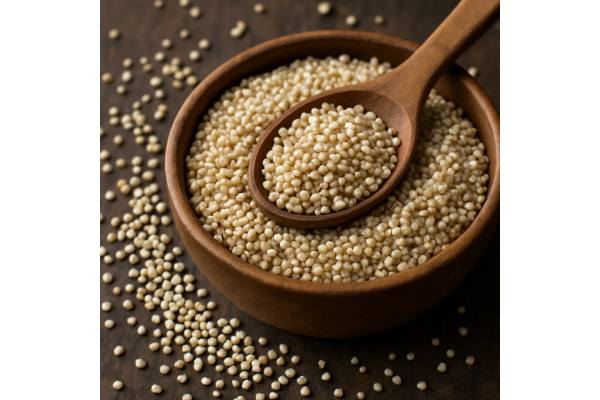
Quinoa is often hailed as a superfood, and for good reason. It’s a highly nutritious, gluten-free, ancient grain that has found its place in modern kitchens worldwide. Native to the Andes, quinoa offers a rich array of essential nutrients like fiber, protein, vitamins, and minerals, making it an excellent addition to any diet. Unlike most grains, quinoa contains all nine essential amino acids, which makes it a complete protein source, especially valuable for vegetarians and vegans. It’s also rich in antioxidants, anti-inflammatory compounds, and dietary fiber, which contribute to its benefits for heart health, digestive health, and weight management. In terms of versatility, quinoa can be used in everything from salads to baking, replacing rice or pasta, and even as a breakfast base. Beyond its impressive nutrient profile, quinoa is easy to prepare and naturally gluten-free, making it a top choice for those with dietary restrictions.
Key Takeaways
- Quinoa is a complete protein, containing all nine essential amino acids, making it an excellent source for plant-based eaters.
- High in fiber, quinoa supports digestion, helps regulate blood sugar, and may aid weight management.
- Common allergens: Quinoa is naturally gluten-free but may cause reactions in those sensitive to saponins, a natural chemical in its outer layer.
- A typical serving size is 1/4 cup dry quinoa (about 43g), yielding approximately 1/2 cup cooked. Consume 3-4 times per week for health benefits.
- People with histamine sensitivity or a quinoa allergy should avoid its consumption.
Table of Contents
- Quinoa: Detailed Overview
- Quinoa Nutrition Profile (per 100 g)
- Evidence-Based Health Benefits of Quinoa
- Risks, Allergies and Interactions
- Selecting, Sustainability, and Storage
- Preparation, Cooking, and Nutrient Retention
- Portions, Comparisons, and FAQs
Quinoa: Detailed Overview
Quinoa (Chenopodium quinoa) is an ancient grain that has been cultivated for thousands of years in the highlands of South America. Often referred to as a “pseudo-cereal,” quinoa is technically not a cereal but is used similarly to grains like rice, barley, or oats. While quinoa’s popularity surged in the early 21st century, it has been a staple food for Andean cultures, valued for its resilience in harsh growing conditions.
Varieties of quinoa
There are three main types of quinoa:
- White quinoa is the most common and has a mild, slightly nutty flavor. It’s the quickest to cook.
- Red quinoa has a firmer texture and a more robust flavor. It is often used in salads and has a richer color that adds visual appeal to dishes.
- Black quinoa has a slightly sweeter flavor, with a crunchy texture. It also holds its shape well when cooked, making it great for pilafs and salads.
How quinoa is grown
Quinoa thrives in high-altitude areas, and its seeds are harvested once they mature on tall plants. The plant itself is related to beets, spinach, and chard, and its seeds are protected by a bitter compound called saponin. Before consumption, quinoa must be rinsed to remove the saponins, although many commercially available quinoa varieties are pre-rinsed to reduce this labor.
Culinary uses
Quinoa can be cooked in a variety of ways. It can replace grains like rice or couscous, be used in soups and stews, or tossed into salads. It’s also popular in baked goods such as muffins or granola. The versatile nature of quinoa makes it a perfect addition to both savory and sweet dishes.
Sustainability and ecological benefits
Quinoa has a relatively low environmental footprint compared to other grains. It requires less water to grow than rice and is a drought-tolerant crop, making it a more sustainable option for farming in arid regions. Additionally, quinoa plants help prevent soil erosion, which is a significant benefit in the mountainous areas where it’s grown.
Quinoa Nutrition Profile (per 100 g)
Quinoa is a nutritional powerhouse, containing a broad range of essential nutrients. Here is a breakdown of quinoa’s nutrition profile, based on 100 grams of cooked quinoa:
Macronutrients
| Nutrient | Amount | %DV |
|---|---|---|
| Energy (calories) | 120 kcal | — |
| Protein | 4.1 g | 8% |
| Total Fat | 1.9 g | 3% |
| Saturated Fat | 0.2 g | 1% |
| Carbohydrates | 21.3 g | 7% |
| Dietary Fiber | 2.8 g | 11% |
| Sugars | 0.9 g | — |
| Water | 71.0 g | — |
Vitamins
| Vitamin | Amount | %DV |
|---|---|---|
| Folate (B9) | 42 µg | 10% |
| Vitamin B6 | 0.1 mg | 6% |
| Thiamine (B1) | 0.1 mg | 8% |
| Riboflavin (B2) | 0.1 mg | 6% |
| Vitamin E (alpha-tocopherol) | 0.1 mg | 1% |
Minerals
| Mineral | Amount | %DV |
|---|---|---|
| Magnesium | 64 mg | 16% |
| Phosphorus | 152 mg | 15% |
| Potassium | 172 mg | 5% |
| Calcium | 17 mg | 1% |
| Iron | 1.5 mg | 8% |
| Zinc | 1.1 mg | 7% |
| Copper | 0.2 mg | 11% |
Bioactives and Phytonutrients
Quinoa is particularly high in antioxidants like quercetin and kaempferol, which offer protection against oxidative stress. These antioxidants have anti-inflammatory properties, contributing to the overall health benefits of quinoa.
Glycemic Index and Glycemic Load
Quinoa has a low glycemic index of approximately 53, which makes it a suitable food for those looking to control blood sugar levels. This low GI is due to its high fiber content and the presence of resistant starch, which slows carbohydrate digestion.
Allergens & Intolerance Markers
Although quinoa is naturally gluten-free, it contains saponins, a bitter compound in the seed coat that can cause digestive discomfort for some individuals if not properly rinsed before cooking. Many commercially available quinoa varieties are pre-rinsed, which minimizes this concern.
Evidence-Based Health Benefits of Quinoa
1) Complete Protein Source
Quinoa is unique among plant foods for being a complete protein, meaning it contains all nine essential amino acids. This makes quinoa an excellent choice for vegetarians, vegans, and anyone looking to boost their protein intake without relying on animal products.
2) Supports Heart Health
The high levels of fiber and healthy fats in quinoa contribute to cardiovascular health. The fiber content, particularly soluble fiber, helps lower cholesterol by binding to bile acids in the digestive system and preventing their reabsorption. Moreover, quinoa is a good source of magnesium, which is known to promote heart function by relaxing blood vessels and regulating blood pressure.
3) Promotes Digestive Health
With a good amount of both soluble and insoluble fiber, quinoa supports healthy digestion and regular bowel movements. The fiber in quinoa can also feed beneficial gut bacteria, promoting a healthy microbiome.
4) Weight Management
Quinoa is rich in fiber and protein, two nutrients that increase satiety and help manage hunger levels. Adding quinoa to your diet can make it easier to maintain a healthy weight because it helps you feel fuller for longer, reducing the likelihood of overeating.
5) Antioxidant Properties
Quinoa contains flavonoids such as quercetin and kaempferol, which have antioxidant effects. These antioxidants help combat oxidative stress, which is linked to chronic conditions like heart disease, diabetes, and certain cancers.
6) Blood Sugar Control
Due to its low glycemic index, quinoa is an ideal carbohydrate choice for individuals with diabetes or those looking to stabilize their blood sugar levels. The fiber and protein content further slow the absorption of sugars, leading to more gradual spikes in blood glucose.
Risks, Allergies and Interactions
1) Saponin Sensitivity
Quinoa contains saponins, which have a bitter taste and can cause digestive discomfort in some people. The outer coating of quinoa seeds contains most of the saponins, so it’s essential to rinse quinoa thoroughly before cooking to remove these compounds. While most commercial quinoa is pre-rinsed, it’s still a good practice to rinse it yourself.
2) Gluten-Free but Not Always Safe for All
Although quinoa is naturally gluten-free, individuals with celiac disease or non-celiac gluten sensitivity should ensure they buy certified gluten-free quinoa. Cross-contamination during the harvesting or processing stages is a potential risk for those with a severe gluten intolerance.
3) Histamine Sensitivity
Quinoa contains histamine, a compound that can trigger allergic reactions in sensitive individuals. Those with histamine intolerance may experience symptoms like headaches, skin rashes, or digestive upset after consuming quinoa.
4) Mineral Absorption
As with other grains and legumes, quinoa contains phytates that can bind to minerals like iron and zinc and reduce their absorption. If you’re reliant on quinoa as a significant source of these minerals, consider soaking or sprouting it to reduce phytate levels.
5) Interaction with Medications
The fiber in quinoa may interfere with the absorption of certain medications, including thyroid medication. It’s advised to take medications at least an hour before or two hours after consuming quinoa to ensure optimal absorption.
Selecting, Sustainability, and Storage
How to Select Quinoa
When buying quinoa, look for whole-grain quinoa that is either white, red, or black. Choose organic quinoa if you’re concerned about pesticide residues. If you have a sensitivity to saponins, opt for pre-rinsed quinoa or rinse it thoroughly before cooking.
Sustainability Considerations
Quinoa is grown primarily in South America, where it’s an important crop for local farmers. However, increased demand in recent years has raised concerns about its economic sustainability for local communities. For a more sustainable option, consider purchasing quinoa from brands that support fair trade practices, ensuring farmers are paid fairly and have access to better working conditions.
Storage
Store quinoa in a cool, dry place in an airtight container to preserve its freshness. Uncooked quinoa can last for 6–12 months when stored properly. If you’ve already cooked quinoa, refrigerate it in an airtight container for 3–5 days, or freeze it for longer storage (up to 2 months).
Preparation, Cooking, and Nutrient Retention
Preparing Quinoa
Before cooking quinoa, rinse it thoroughly to remove any residual saponins. To cook, use a 2:1 ratio of liquid to quinoa (e.g., 2 cups water or broth to 1 cup quinoa). Bring the liquid to a boil, then reduce the heat and simmer for 15 minutes. Let it sit, covered, for another 5 minutes to steam.
Cooking Tips
- Add a pinch of salt or seasoning to the cooking water for extra flavor.
- For a nuttier taste, toast the quinoa in a dry skillet before cooking.
- You can also cook quinoa in a rice cooker or Instant Pot with the same 2:1 ratio.
Nutrient Retention
Quinoa is a nutrient-dense food, and its vitamins and minerals are relatively stable during cooking. However, to preserve water-soluble nutrients like B-vitamins and antioxidants, avoid overcooking it. Quinoa cooks relatively quickly, so check after 15 minutes to prevent it from becoming mushy.
Portions, Comparisons, and FAQs
What is a typical serving of quinoa?
A standard serving is 1/4 cup dry quinoa (about 43 g), which yields roughly 1/2 cup cooked. This provides about 120 calories, 4 g of protein, and 2.8 g of fiber.
How often can I eat quinoa?
You can enjoy quinoa 3-4 times per week as part of a balanced diet. It’s a great alternative to rice, pasta, or other grains.
How does quinoa compare to rice?
Quinoa has more protein and fiber than white rice and contains all nine essential amino acids, making it a complete protein source. Additionally, quinoa has a lower glycemic index, meaning it’s better for maintaining stable blood sugar levels.
Can quinoa be used in baking?
Yes! Oat flour can be substituted with quinoa flour in many baked goods like muffins, pancakes, or cookies. Quinoa flour adds a slightly nutty flavor and a boost of protein.
Is quinoa safe for people with gluten intolerance?
Yes, quinoa is naturally gluten-free. However, those with severe gluten intolerance should look for certified gluten-free quinoa to avoid cross-contamination during processing.
References
- Quinoa: A Complete Protein Source with Anti-Inflammatory and Antioxidant Properties 2020 (Review)
- Nutritional and Health Benefits of Quinoa 2015 (Systematic Review)
- Coeliac Disease – NHS Guidelines 2023 (Guideline)
- USDA FoodData Central – Quinoa 2023 (Database)
- Impact of Quinoa Consumption on Human Health 2019 (Clinical Research)
Disclaimer
This article is intended for informational purposes only and is not a substitute for professional medical advice, diagnosis, or treatment. Always consult with a healthcare provider before making significant changes to your diet, particularly if you have a health condition, allergies, or dietary restrictions.
If you found this article helpful, please consider sharing it with friends and family on Facebook, X (formerly Twitter), or any platform you prefer. Your support helps us continue producing helpful and accurate content.