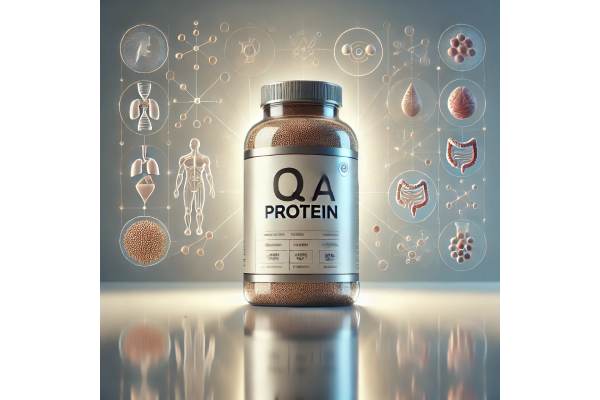
Quinoa protein has become a popular choice for people who want a plant based, complete protein that fits many dietary needs. Derived from quinoa seeds, this protein contains all nine essential amino acids and offers a more balanced profile than many other grains. It is naturally gluten free, suitable for vegetarian and vegan diets, and often easier to digest than some dairy based proteins.
Beyond muscle support, quinoa protein may help with satiety, blood sugar balance, and cardiometabolic health when it is part of an overall healthy eating pattern. Its mild, slightly nutty taste works well in smoothies, baked goods, and savory dishes, giving you flexibility in how you use it.
This guide explains what quinoa protein is, how it works in the body, the main evidence based benefits, practical dosage ranges, and safety considerations. It is designed to help you decide whether quinoa protein fits your goals and how to use it in a thoughtful, informed way.
Quinoa Protein Quick Overview
- Quinoa protein provides all nine essential amino acids and typically contains around 14–16 g protein per 40 g serving of powder.
- Its protein and fiber content can support satiety, muscle maintenance, and cardiometabolic health as part of a balanced diet.
- Common supplemental intakes range from 15–30 g quinoa protein powder once or twice daily, depending on body weight and total protein needs.
- People with kidney disease, quinoa allergy, or strict low protein prescriptions should avoid or use quinoa protein only under medical guidance.
Table of Contents
- What is quinoa protein and how does it work?
- Quinoa protein benefits for muscles and metabolism
- How to use quinoa protein in daily life
- How much quinoa protein per day?
- Possible side effects and safety of quinoa protein
- Who should avoid quinoa protein and be careful
What is quinoa protein and how does it work?
Quinoa protein comes from the seeds of the quinoa plant, a pseudocereal native to the Andean region. Unlike true cereals such as wheat or rice, quinoa is not a grass, but its seeds are used in a similar way. Quinoa seeds naturally contain around 13–17 g of protein per 100 g cooked portion, though the exact value depends on the variety and growing conditions.
To produce quinoa protein powder, manufacturers usually clean and dehull the seeds, remove most of the bitter saponins, and then separate the protein fraction from starch and fiber using filtration or enzymatic techniques. The resulting concentrate or isolate is dried and milled into a fine powder that can be blended into drinks or foods.
One reason quinoa protein stands out is its amino acid profile. It contains all nine essential amino acids, including relatively high levels of lysine, which is often limited in wheat and corn, and a good supply of branched chain amino acids such as leucine, isoleucine, and valine. Research on quinoa seed composition suggests that its protein quality, measured by methods such as the protein digestibility corrected amino acid score (PDCAAS), can approach that of casein when saponins are removed and the seeds are properly processed.
Quinoa protein also carries non protein components in small amounts, such as minerals (iron, magnesium, zinc), bioactive peptides, and polyphenols. These compounds may contribute to antioxidant, lipid lowering, and blood sugar regulating effects that have been observed in quinoa based diets. However, in many commercial protein powders, the primary functional contribution is still the protein itself.
When you consume quinoa protein, digestive enzymes in the stomach and small intestine break it into peptides and amino acids. These are absorbed into the bloodstream and used to repair and build muscle, enzymes, hormones, and other tissues. Because quinoa supplies essential amino acids in balanced proportions, it can support muscle protein synthesis when total protein intake is adequate and combined with resistance exercise.
For people who prefer plant based diets, quinoa protein can act as a “bridge” between traditional grain proteins and pulses. It complements legumes well, but it is also strong enough on its own that you do not need meticulous food combining at each meal to meet essential amino acid requirements, as long as daily intake is sufficient.
Quinoa protein benefits for muscles and metabolism
Quinoa protein offers several potential benefits, particularly for people who want a plant based alternative to dairy or soy protein. One of the most important advantages is its relatively high protein quality. While quinoa is sometimes described as a “complete” protein, it is more accurate to call it “nearly complete,” because leucine can still be limiting in some samples, especially for infants. For adults, though, quinoa’s essential amino acid content is usually adequate to support everyday muscle maintenance when total intake is appropriate.
For active individuals, quinoa protein can contribute to the post workout protein dose needed to stimulate muscle protein synthesis. Most adults aiming to support muscle recovery target around 20–40 g of high quality protein within a few hours after training. A serving of quinoa protein powder, combined with other food protein sources in a meal or throughout the day, can help reach that range, particularly for people who cannot or prefer not to use whey protein.
Quinoa based diets have been investigated for their potential cardiometabolic benefits. Studies in animals and humans suggest quinoa consumption may help improve lipid profiles, reduce total and LDL cholesterol, and support blood pressure management when it is part of an overall heart healthy diet. The protein fraction, along with fiber, unsaturated fats, and bioactive compounds, appears to play a role in these effects. Experimental work on quinoa peptides indicates that some sequences may inhibit angiotensin converting enzyme (ACE), which is involved in blood pressure regulation, and may favorably modulate enzymes related to cholesterol metabolism.
Another benefit is blood sugar management. Quinoa has a lower glycemic index than many refined cereal products, and its combination of protein, fiber, and slowly digested starch can slow the rise in blood glucose after meals. In people with diabetes or prediabetes, quinoa based foods have been associated with smaller postprandial glucose spikes and improved glucose tolerance. Using quinoa protein powder in a meal, especially when it replaces more rapidly absorbed carbohydrate or is combined with high fiber ingredients, may contribute to steadier blood sugar response.
Satiety is a practical benefit many users notice. Protein in general promotes fullness, and quinoa protein is no exception. Adding it to breakfast or a mid afternoon snack may reduce later hunger and help with calorie control when combined with mindful eating. Because quinoa protein is naturally gluten free and free from lactose, it may also be more comfortable for people who experience digestive symptoms with certain other protein supplements.
These benefits depend on overall patterns. Quinoa protein is not a stand alone treatment for any medical condition, but it can be a useful building block within a diet aimed at muscle health, metabolic balance, and plant forward eating.
How to use quinoa protein in daily life
Quinoa protein is versatile and relatively easy to integrate into your routine, especially if you are already familiar with other powdered proteins. The key is to use it in ways that suit your taste and digestive comfort while aligning with your nutrition goals.
Most quinoa protein powders have a mild, slightly nutty flavor. On its own with water, the taste can feel earthy, so many people prefer to blend it with other ingredients. A common approach is to mix one scoop (often 15–30 g powder) into a smoothie with fruit, unsweetened yogurt or plant milk, and perhaps some nut butter or seeds. The natural sweetness and creaminess of the other ingredients help balance the flavor and texture of the protein.
For a more substantial meal, quinoa protein works well in breakfast bowls and porridges. You can stir a measured amount into cooked oats, quinoa flakes, or overnight oats after cooking, adding extra liquid as needed. This combination increases the total protein content of breakfast significantly, which can support better appetite control over the rest of the day.
Baking is another option. Quinoa protein can replace a portion of flour in pancakes, muffins, or energy bars. Because it absorbs liquid differently than wheat flour, it is usually best to substitute no more than about one quarter to one third of the total flour with protein powder, then adjust liquid ingredients and leavening slightly to maintain texture. Many home bakers find success by starting with tested recipes for protein pancakes or bars and then gradually adapting them.
In savory cooking, you can whisk quinoa protein into soups, stews, or pureed vegetable sauces to gently raise protein content without relying solely on meat or cheese. Add it toward the end of cooking and stir well to avoid clumping. For cold dishes, mixing it into hummus, bean dips, or salad dressings can also work if you blend thoroughly and balance flavors with herbs, spices, lemon juice, or vinegar.
If you prefer a simpler approach, you can even sprinkle small amounts of quinoa protein over cereal, yogurt, or cooked quinoa. This does not change texture dramatically when the dose is modest, but still provides a boost.
A few practical tips:
- Start with smaller portions (for example 10–15 g powder) to test your tolerance, then increase gradually.
- Drink enough fluids with higher protein meals, since protein metabolism produces nitrogenous waste that kidneys must clear.
- Store the powder in a cool, dry place in an airtight container to protect flavor and prevent clumping.
- Check the ingredient list; some products contain added sweeteners, flavors, or other plant proteins, which may influence taste and suitability for specific diets.
Used consistently in these ways, quinoa protein can become a flexible, reliable part of your daily protein strategy.
How much quinoa protein per day?
There is no single “official” daily dose for quinoa protein powder, so the best amount depends on your total protein needs, body size, and what you already obtain from food. General protein guidelines for healthy adults typically recommend around 0.8 g protein per kilogram of body weight per day for basic requirements. Many experts suggest higher intakes, in the range of around 1.0–1.2 g per kilogram for older adults or those aiming to preserve muscle, and around 1.4–2.0 g per kilogram for people who train intensely or focus on muscle gain, provided kidney function is normal.
Quinoa protein can supply part of that total, rather than replacing all other protein sources. In practice, many people use one serving of quinoa protein powder per day, and some use two. A typical serving is about 15–30 g of powder, which may provide roughly 10–25 g of protein depending on how concentrated the formula is.
For example, a 70 kg adult who aims for about 1.2 g protein per kilogram would target around 84 g protein per day. If this person eats balanced meals that already provide 60 g from whole foods (such as legumes, eggs, dairy or fortified plant milks, nuts, seeds, and grains), then a single 20–25 g dose of quinoa protein could help bridge the gap. Someone with a higher target, such as a strength athlete aiming for 1.6–1.8 g per kilogram, might use two servings and rely more heavily on protein rich foods overall.
Timing also matters. Spreading protein intake across the day supports muscle protein synthesis more effectively than having most protein in one meal. Many people find it helpful to place quinoa protein at breakfast, in a post workout shake, or as an afternoon snack to avoid long gaps with very low protein intake.
When deciding your dose, consider the following steps:
- Estimate your daily protein target based on body weight, age, and activity.
- Assess how much protein you already obtain from your usual meals.
- Use quinoa protein to fill the remaining gap, adjusting by 10–20 g increments.
- Monitor how you feel, including energy, appetite, and digestive comfort, and adjust the amount accordingly.
Most healthy adults can safely include around 15–40 g quinoa protein powder per day as part of total protein intakes that remain within recommended ranges. Intakes substantially above 2.0–2.2 g protein per kilogram of body weight per day, from all sources combined, are rarely necessary for most people and may be inappropriate for individuals with underlying kidney, liver, or metabolic conditions. In these cases, the dosage and even the decision to use supplemental protein should be guided by a healthcare professional or dietitian.
Possible side effects and safety of quinoa protein
Quinoa is generally considered safe for most people when eaten as food, and quinoa protein powders share this favorable safety profile when they are manufactured and used appropriately. Still, there are a few important considerations and possible side effects to keep in mind.
The first is digestive comfort. Some individuals report bloating, gas, or mild abdominal discomfort after introducing quinoa protein, particularly at higher doses or when changing their overall protein intake quickly. This can result from an increase in total protein, from accompanying fibers and other ingredients in the powder, or from individual sensitivity. Starting with smaller servings and increasing gradually, along with drinking adequate water, often reduces these symptoms.
Saponins are another point of attention. Raw quinoa seeds are coated with saponins, bitter compounds that help protect the plant but can irritate the gastrointestinal tract in high amounts. Commercial quinoa used for human consumption is usually thoroughly washed and mechanically treated to remove saponins, and reputable protein powders rely on processed, de saponified raw material. Nonetheless, trace levels may remain. For most people this is not a problem, but those with very sensitive digestion might notice discomfort if the powder is not well tolerated. Choosing brands that specify saponin removal and using lower doses may help.
Allergy and intolerance, although rare, are possible. Symptoms such as hives, itching, swelling of the lips or tongue, difficulty breathing, or severe abdominal pain after consuming quinoa or quinoa protein require immediate medical attention and avoidance of the product. Cross reactivity with other plant proteins is not well documented but cannot be entirely excluded. People with multiple food allergies may need supervised testing before using new protein supplements.
From a metabolic standpoint, high total protein intake over long periods can place extra strain on the kidneys, particularly in individuals with existing kidney disease, reduced kidney function, or certain metabolic disorders. For these groups, even plant based proteins should be used cautiously and under medical guidance. Quinoa also contains minerals such as potassium and phosphorus; in people who must follow strict low potassium or low phosphate diets, large amounts of quinoa based products may require careful calculation.
Because quinoa is naturally gluten free, quinoa protein powders are often marketed to people with celiac disease or non celiac gluten sensitivity. The main concern here is cross contamination. If the powder is processed in facilities that also handle wheat, barley, or rye, small amounts of gluten can enter the product. Those who need strict gluten avoidance should look for products that are certified gluten free by recognized programs and should discuss any questions with their healthcare team.
Finally, pregnancy and breastfeeding require conservative decision making. While quinoa as a whole food is widely consumed and generally recognized as safe, concentrated supplemental use, especially at high doses, should ideally be reviewed with a healthcare professional, since overall protein requirements, kidney function, and mineral needs change during these life stages.
When you select a reputable brand, introduce quinoa protein gradually, and keep your total daily protein within sensible limits, side effects are usually mild and manageable.
Who should avoid quinoa protein and be careful
Although quinoa protein is suitable for many people, some groups should avoid it or use it only with medical supervision. Being clear about these situations helps you decide whether this supplement is appropriate for you or for someone you advise.
People with a known allergy to quinoa or to products containing quinoa should not use quinoa protein. Even if reactions to cooked quinoa meals have been mild, a concentrated protein powder delivers more quinoa protein per serving and may provoke stronger responses. Anyone who has experienced symptoms such as hives, facial swelling, wheezing, or severe gastrointestinal distress after eating quinoa should speak with an allergist before considering any supplement that contains it.
Individuals with moderate to severe chronic kidney disease or significantly reduced kidney function should also be cautious. The kidneys are responsible for excreting the waste products of protein metabolism. When kidney function is impaired, total protein intake often needs to be limited and carefully distributed. In these circumstances, adding a protein supplement without professional guidance can push intake above the safe range. Nephrologists and renal dietitians can help determine whether any supplemental protein is appropriate, and, if so, in what amount.
Those with celiac disease or medically diagnosed gluten sensitivity can usually use quinoa protein if it is truly gluten free, since quinoa itself does not contain gluten. However, they must avoid products at risk of cross contamination with gluten containing grains. This is especially important for people who react to even very small amounts of gluten. Choosing powders that carry a formal gluten free certification and checking manufacturing information reduces this risk. If symptoms appear after starting a new product, it is wise to stop and consult a healthcare professional.
People who follow strict low protein diets for liver disease, certain rare metabolic conditions, or advanced heart failure must be very careful with any protein supplement. For them, quinoa protein may not be suitable at all, even though it is plant derived. Their clinicians often prescribe specific protein targets that leave little room for discretionary supplements.
Children and adolescents can benefit from high quality dietary protein, but routine use of protein powders is rarely necessary when overall diet quality is good. If parents or caregivers consider quinoa protein for a child (for example in the context of selective eating, vegan diets, or sports), this is best done in collaboration with a pediatrician or pediatric dietitian who can assess growth patterns and total nutrient intake.
Finally, anyone taking multiple medications or who has complex chronic conditions should approach new supplements, including quinoa protein, with the same caution they would apply to new drugs. While direct drug interactions with quinoa protein are not well documented, sudden changes in diet composition can still affect blood sugar management, satiety, and weight, which may influence treatment plans for conditions such as diabetes or hypertension.
In summary, most healthy adults can safely include moderate amounts of quinoa protein as part of a balanced diet. However, if you have kidney or liver disease, a history of food allergies, celiac disease, or a medically restricted diet, it is important to discuss quinoa protein with a qualified healthcare professional before using it regularly.
References
- Seed Composition and Amino Acid Profiles for Quinoa Grown in Washington State, 2020 (Study).
- Making Nutritious Gluten-Free Foods from Quinoa Seeds and Its Flours, 2020 (Review).
- Effects of quinoa on cardiovascular disease and diabetes: a review, 2024 (Systematic Review).
- Grains, 2024 (Guidance).
Disclaimer
The information in this article is for general educational purposes only and is not intended to provide medical advice, diagnosis, or treatment. Quinoa protein supplements, like all nutrition products, may not be appropriate for everyone. Always consult a qualified healthcare professional, such as your doctor or a registered dietitian, before making significant changes to your diet, starting new supplements, or adjusting prescribed medications, especially if you are pregnant, breastfeeding, living with chronic illness, or taking regular medication. Never disregard professional medical advice or delay seeking it because of something you have read here.
If you found this guide helpful, you are warmly invited to share it with others on Facebook, X (formerly Twitter), or any platform you prefer, and to follow our work on social media. Your thoughtful sharing helps support our team in continuing to provide carefully researched, high quality health and nutrition content.