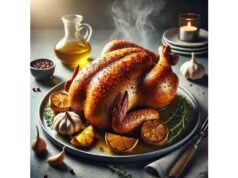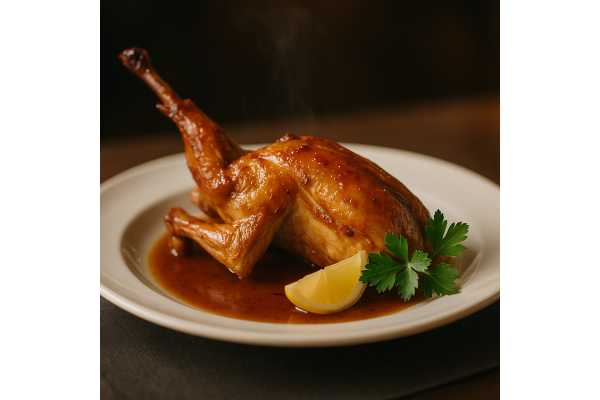
Rabbit meat has an old-world reputation and modern-day appeal. It is naturally lean, rich in high-quality protein, and a notable source of B vitamins—especially vitamin B12—while remaining very low in sodium and carbohydrates. In the kitchen, rabbit takes well to slow braises, quick pan-roasts, and pressure cooking; it also adapts to global flavors from Provençal herbs to Sichuan pepper. Farmed rabbit offers consistent tenderness and mild flavor, while wild rabbit is leaner and more intensely savory. Beyond the plate, rabbit is valued by cooks seeking nutrient-dense meats that fit within balanced, lower-fat meal patterns. Like other game, it rewards careful handling and proper cooking. This guide walks you through the essentials: what makes rabbit unique nutritionally, who may benefit most, how to select and store it, the safest cooking temperatures, and practical tips for retaining nutrients and moisture. By the end, you will be ready to buy, cook, and enjoy rabbit with confidence—and to decide when farmed or wild suits your table best.
Fast Facts
- High-protein, lean meat providing ~20 g protein and ~6 g fat per 100 g (domesticated, raw).
- Typical serving: 85 g cooked (about 3 oz), enjoyed 1–2 times per week within a varied diet.
- Safety: cook rabbit to 71 °C/160 °F internal temperature; take special care with wild game.
- Who should limit: children and pregnant individuals should avoid frequent intake of wild game taken with lead ammunition; immunocompromised people should eat only well-cooked rabbit.
Table of Contents
- Rabbit at a Glance: What to Know
- Rabbit Nutrition Profile (Per 100 g)
- Evidence-Based Health Benefits
- Risks, Allergies and Interactions
- Selecting, Quality, Sustainability and Storage
- Preparation, Cooking and Nutrient Retention
- Portions, Comparisons and FAQs
Rabbit at a Glance: What to Know
Rabbit is a versatile, mild-tasting white meat prized in Mediterranean, French, and Chinese cuisines. Its defining trait is leanness: compared with many red meats, rabbit contains less total fat and saturated fat while delivering robust protein and micronutrients. Farmed (domesticated) rabbit—often New Zealand White or California breeds—yields consistent texture and a subtle, slightly sweet flavor. Wild rabbit, depending on species and forage, is leaner with a deeper, mineral-savory profile and can be firmer if not cooked gently.
Culinarily, rabbit breaks down into familiar cuts: saddle/loin for quick cooking, legs for braising or confit, and shoulders for stews or grinding. It takes well to moisture-preserving methods—braising in stock, low-and-slow roasting, sous vide, or pressure cooking—especially for the legs. Flavor partners include garlic, thyme, rosemary, mustard, olives, tomato, white wine, miso, Sichuan pepper, and dark soy. Because of its lean character, building a little fat back in (olive oil, pancetta, schmaltz, or olive-based tapenade) improves succulence.
Nutritionally, rabbit is rich in high-quality, complete protein and B vitamins, particularly niacin (B3), pyridoxine (B6), and cobalamin (B12). It also supplies minerals such as phosphorus, selenium, zinc, and iron at moderate levels while remaining low in sodium and free of carbohydrates. This combination makes rabbit a practical option for higher-protein, lower-fat meal patterns and for people looking to diversify protein sources beyond poultry and red meat. Compared with chicken thigh or pork shoulder, rabbit can provide similar protein with less saturated fat per equivalent weight—especially for wild rabbit.
From a safety perspective, treat rabbit like other meats: keep cold, avoid cross-contamination, and cook to a safe internal temperature. Wild rabbits can carry pathogens on the pelt or in tissues, so hunters and home processors should use gloves, chill carcasses promptly, and trim generously around any wound channels if the animal was harvested with lead ammunition. Domestic rabbit from inspected producers offers predictable quality and a cleaner processing chain, which can be preferable for everyday cooking.
For shoppers and cooks, the bottom line is simple: rabbit is a lean, nutrient-dense protein that rewards gentle techniques and thoughtful seasoning. Choose cuts based on your cooking method, add moisture and fat judiciously, and follow safe-handling guidance—especially with wild game—to enjoy rabbit at its best.
Rabbit Nutrition Profile (Per 100 g)
How to read this section: Values below are per 100 g edible portion. Percent Daily Values (%DV) use adult reference intakes. Numbers vary with cut and cooking; farmed rabbit is slightly higher in fat than wild.
Rabbit, domesticated, composite of cuts, raw — per 100 g
Macros & Electrolytes
| Nutrient | Amount (per 100 g) | %DV |
|---|---|---|
| Energy | 136 kcal | — |
| Protein | 20.1 g | 40% |
| Total Fat | 5.6 g | 7% |
| Saturated Fat | 1.7 g | 8% |
| Carbohydrates | 0 g | 0% |
| Cholesterol | 57 mg | 19% |
| Sodium | 41 mg | 2% |
| Potassium | 330 mg | 7% |
| Magnesium | 19 mg | 5% |
| Phosphorus | 213 mg | 17% |
Fats & Fatty Acids
| Fatty Acid Category | Amount (per 100 g) | Notes |
|---|---|---|
| Monounsaturated Fat | 1.5 g | Predominantly oleic acid |
| Polyunsaturated Fat | 1.08 g | Includes linoleic and alpha-linolenic acids |
| Omega-6 (LA) | 0.86 g | n-6:n-3 ratio ≈ 3.9:1 |
| Omega-3 (ALA and others) | 0.22 g | Contributes to total PUFA |
| Key Saturates (palmitic + stearic) | ~1.5 g | Of total 1.7 g saturates |
Vitamins
| Vitamin | Amount (per 100 g) | %DV |
|---|---|---|
| Thiamin (B1) | 0.10 mg | 8% |
| Riboflavin (B2) | 0.15 mg | 12% |
| Niacin (B3) | 7.3 mg | 45% |
| Pantothenic Acid (B5) | 0.8 mg | 16% |
| Vitamin B6 | 0.5 mg | 29% |
| Folate (B9) | 8 µg | 2% |
| Vitamin B12 | 7.2 µg | 298% |
Minerals
| Mineral | Amount (per 100 g) | %DV |
|---|---|---|
| Iron | 1.6 mg | 9% |
| Zinc | 1.6 mg | 14% |
| Copper | 0.14 mg | 16% |
| Selenium | 23.7 µg | 43% |
| Calcium | 13 mg | 1% |
Wild vs. farmed at a glance (per 100 g)
- Wild rabbit (raw) typically provides roughly 22 g protein, ~2–3 g total fat, and ~110–115 kcal, making it even leaner than domesticated rabbit.
- Micronutrients can differ by habitat and diet; wild often shows higher iron and slightly lower selenium relative to domesticated composites.
- Practical takeaway: Expect excellent protein in both; wild is notably leaner and may require extra fat in cooking for tenderness and satiety.
Dietary pattern fit
- High-protein or lower-carb diets: Rabbit contributes dense protein with negligible carbohydrates.
- Sodium-conscious eating: Naturally low sodium per 100 g.
- Fat management: Lower saturated fat than many red meats; PUFA content benefits from rabbit’s herbivorous diet.
Notes: Values are composites across cuts and can shift with trimming, cooking method, and animal feed. For cooked weights, moisture loss typically concentrates nutrients.
Evidence-Based Health Benefits
1) High-quality protein for muscle and recovery
Rabbit provides complete protein with all essential amino acids in useful proportions. Around 20 grams of protein per 100 grams raw (higher per 100 g cooked due to moisture loss) helps meet daily protein targets without excess calories. For active adults, pairing rabbit with carbohydrate sources supports glycogen replenishment and repair after training. Because wild rabbit is exceptionally lean, it supplies protein without a large fat load, useful in calorie-controlled plans.
2) Vitamin B12 and B-complex support
Rabbit is a standout for vitamin B12, providing well above daily needs per 100 g in many datasets. B12 is essential for red blood cell formation and neurological function. Rabbit also contributes niacin (B3) and vitamin B6, which participate in energy metabolism and neurotransmitter synthesis. In practice, a modest serving—85 g cooked—can provide a meaningful share of daily B-vitamin needs, especially for those with low intake of other animal products.
3) Mineral contributions with low sodium
Rabbit supplies phosphorus (bone and energy metabolism), selenium (antioxidant enzyme systems), and zinc (immune function). Iron content is moderate; pair with vitamin-C-rich vegetables (pepper, broccoli, citrus) to enhance non-heme iron absorption in mixed meals. The naturally low sodium profile supports heart-conscious cooking when seasoning is kept moderate.
4) Favorable fat profile compared with many meats
Total fat is modest and saturated fat relatively low for a meat, especially in wild rabbit. Domesticated rabbit includes meaningful mono- and polyunsaturated fats, including alpha-linolenic acid derived from forage or enriched feeds. This fat pattern aligns with cardiometabolic eating patterns that emphasize unsaturated fats.
5) Versatility that supports balanced plates
Because rabbit pairs well with legumes, whole grains, olive oil, and vegetables, it integrates easily into Mediterranean-style meals and other balanced patterns. Leg cuts braised with beans and greens, or loins seared and served with grain salads and olive-herb dressings, create nutrient-dense plates with fiber, phytochemicals, and healthy fats.
6) An alternative for variety seekers
For people rotating proteins to diversify nutrient exposure or environmental impacts, rabbit offers a change of pace from chicken, turkey, and beef. Its mild flavor is approachable, and its leanness makes it easy to balance calories while keeping protein high.
Context and caveats
Lean meats can be less satiating if meals lack fat or fiber. For wild rabbit in particular, add healthy fats (olive oil, nuts) and fiber-rich sides to round out satiety and nutrient absorption. Individuals with limited B12 intake from other sources may find rabbit useful, but those with diagnosed deficiency should follow medical advice regarding supplementation.
Risks, Allergies and Interactions
Safe cooking and handling
Cook rabbit—wild or farmed—to 71 °C/160 °F internal temperature measured at the thickest point. Use separate boards and knives for raw meat, and refrigerate promptly. For ground rabbit or sausage blends, apply the same temperature rule and avoid tasting undercooked mixtures.
Wild game-specific considerations
- Pathogens: Wild rabbits can carry bacteria on pelts or in tissues. Wear gloves when skinning or butchering, avoid touching your eyes and mouth, wash hands thoroughly, and disinfect tools. Prompt chilling reduces microbial growth.
- Lead fragments: If harvested with lead ammunition, small metal fragments may disperse several centimeters from the wound channel. Trim liberally around the path and consider pressure-canning or slow-cooking only after careful inspection. When feasible, sourcing animals taken with non-lead ammunition lowers exposure risk, especially for children and pregnant individuals.
- Field conditions: Any signs of illness in a carcass (unusual lesions, strong off-odors) warrant discarding the meat.
Allergies and intolerances
Rabbit allergy is uncommon, but cross-reactivity can occur in people sensitized to mammalian meats. Individuals with a history of meat allergy should consult an allergist before trying rabbit. Histamine intolerance is not specifically linked to rabbit, but as with all meats, poor handling that allows spoilage can raise biogenic amines.
Special populations
- Pregnant people and young children: Prefer farmed rabbit from inspected sources and avoid frequent consumption of wild game harvested with lead ammunition. Ensure thorough cooking.
- Immunocompromised individuals: Choose commercial sources, maintain strict cold-chain handling, and cook to safe temperatures.
- Gout or hyperuricemia: Rabbit’s purine content is generally moderate relative to organ meats, but total dietary purines matter. Keep portions moderate and balance with low-purine foods if you are sensitive.
Medication and nutrient interactions
Rabbit is rich in vitamin B12 and selenium, which pose no typical interactions at culinary intakes. As with other high-protein foods, very large portions may influence satiety or macronutrient balance more than medications. If you are on specific therapeutic diets (e.g., low-protein renal plans), confirm appropriate portions with a clinician.
Bottom line
Follow standard food-safety practices, cook to a verified safe temperature, and take extra care with wild game to limit pathogen and lead exposure. For most healthy adults, rabbit is a safe, nutrient-dense addition to a varied diet.
Selecting, Quality, Sustainability and Storage
How to choose cuts
- Loins/saddle: Best for quick searing, grilling, or sous vide; very lean, mild, and tender.
- Hind legs: Ideal for braises, stews, confit, and pressure cooking; richer connective tissue that turns silky when cooked low and slow.
- Forelegs/shoulders: Great for ragù, tacos, dumpling fillings, and meat pies.
- Whole rabbits: Offer value and flexibility; consider breaking down to cook each part optimally.
Freshness and quality checks
Look for moist but not wet surfaces, a clean, slightly sweet scent, and firm flesh. Color ranges from pale pink to light red; avoid gray or green tints. Vacuum-sealed packs should be well-chilled with no gas puffing. For wild rabbit, inspect carefully for hair, shot fragments, and wound-track bruising; trim generously.
Farmed vs. wild trade-offs
- Farmed (domesticated): Consistent size and tenderness, predictable fat content, and a streamlined cold chain. Flavor is mild and approachable.
- Wild: Very lean; deeper, more mineral savoriness. Requires careful cooking and trimming, especially around any wound channels.
Sustainability considerations
Rabbits are efficient converters of feed to lean meat and can be raised at modest scales. Where husbandry standards are strong, they fit well into diversified farming systems. Local sourcing reduces transport emissions and improves freshness. If environmental impact and animal welfare matter to you, ask producers about feed, housing, and slaughter practices, and seek certifications where available.
Storage guidance
- Refrigeration: Keep at ≤4 °C (≤40 °F). Cook within 1–2 days for fresh cuts; 3 days for vacuum-packed.
- Freezing: Wrap tightly; freeze up to 6–9 months at −18 °C (0 °F). Label date and cut.
- Thawing: Defrost in the refrigerator, never at room temperature. For rapid thawing, use sealed bags submerged in cold water, changing the water every 30 minutes.
- Leftovers: Chill within 2 hours; consume within 3–4 days or refreeze promptly.
Ethical and legal notes
Follow local regulations for hunting seasons and permits. If you rely on foraged game, consider using non-lead ammunition to protect both household health and scavenging wildlife.
Preparation, Cooking and Nutrient Retention
Marinades, brines, and fat support
Because rabbit is lean, moisture-preserving steps pay off. A light 5–8% salt brine (50–80 g salt per liter water) for 2–6 hours helps the legs stay juicy. Oil-based marinades with aromatics (garlic, thyme, lemon zest) add flavor and slow surface drying. For wild rabbit, add a tablespoon or two of olive oil or rendered fat to braises, or finish with compound butter for succulence.
Best core methods
- Braise/Stew: Brown lightly, then simmer covered at low heat with stock, wine, or tomato until fork-tender (often 60–90 minutes for legs).
- Sous Vide: 62–65 °C (144–149 °F) for 2–4 hours for loins, sear to finish; 68–70 °C (154–158 °F) for 6–8 hours for legs before a quick pan finish.
- Roast: For whole or jointed rabbits, roast at moderate heat (170–180 °C / 340–355 °F), monitor internal temperature closely, and tent late to prevent drying.
- Pressure Cook: Speeds tough-to-tender transitions; 20–30 minutes at pressure for legs before shredding for ragù or tacos.
- Grill/Skillet (loins): Quick, hot sear to just done; rest briefly.
Food safety target
Finish to 71 °C/160 °F internal temperature and verify with a thermometer. Rest 3–5 minutes after cooking to allow juices to redistribute.
Retaining nutrients
- B vitamins are water-soluble; capture braising liquids and pan juices. Serve stews with the cooking broth or reduce to a sauce.
- Overcooking can toughen protein and reduce palatability; monitor temperature rather than time.
- Pairing with vegetables and healthy fats improves meal balance and micronutrient absorption (e.g., olive oil enhances uptake of fat-soluble compounds in sides).
- Minimal charring preserves flavor and reduces formation of off-notes; rabbit’s lean surface scorches quickly.
Flavor blueprints
- Mediterranean: Olives, rosemary, lemon, white wine, and chickpeas.
- French country: Dijon mustard, thyme, shallots, mushrooms, and crème fraîche.
- East Asian-inspired: Soy, ginger, star anise, chiles, and black vinegar in a light braise.
- Latin: Achiote, citrus, and garlic for pressure-cooked pulled rabbit.
Portions, Comparisons and FAQs
How much is a serving? How often can I eat it?
A practical serving is 85 g cooked (about the size of a deck of cards). Enjoy 1–2 servings per week within a varied diet, adjusting to your protein needs and overall dietary pattern.
How does rabbit compare with chicken, turkey, and lean beef?
- Protein: Similar to skinless poultry per cooked ounce; higher than many beef cuts if fat-trimmed portions are compared by calories.
- Fat: Lower total and saturated fat than fattier beef or pork cuts; wild rabbit is leaner still.
- Micronutrients: Strong for vitamin B12 and selenium; iron sits between poultry breast and beef round.
- Taste/texture: More delicate than beef, slightly firmer than chicken breast when cooked quickly; legs become silky when braised.
Is wild rabbit always better nutritionally?
Wild is typically leaner with slightly higher iron but can vary widely with diet and age. Farmed rabbit offers consistency, mild flavor, and predictable cooking. Choose based on cooking method and safety considerations; both provide excellent protein.
What about kids, pregnancy, or older adults?
Choose inspected, farmed rabbit for routine meals and cook thoroughly. Limit or avoid frequent intake of wild game harvested with lead ammunition for children and during pregnancy. Shredded braises are easy to chew and digest for older adults.
I heard rabbit is “too lean” to live on. Is that true?
Very low-fat meat alone cannot meet energy or essential fatty-acid needs over time. That is not a concern in balanced diets that include fats, carbohydrates, and diverse foods. When cooking very lean wild rabbit, add healthy fats and pair with fiber-rich sides.
How do I keep it from drying out?
Brine or marinate, use moist cooking for legs, add a little fat, and monitor temperature closely. Resist high heat for long periods unless cooking submerged (braising).
Can I grind rabbit or make sausage?
Yes. Blend with 20–30% pork fat or olive oil for succulence, season assertively, and cook to safe temperatures.
Leftovers ideas
Shred braised rabbit into grain bowls, soups, tacos, stuffed pastas, or savory pies. Save and reduce braising liquid into a sauce to capture nutrients and flavor.
References
- Cook to a Safe Minimum Internal Temperature 2024 (Guideline)
- About Tularemia 2024 (Guideline)
- EFSA scientific report on dietary exposure to lead in the European population 2025 (Scientific Report)
- Nutrition Facts for Game meat, rabbit, wild, raw 2024 (Dataset)
- Nutrition Facts for Game meat, rabbit, domesticated, composite of cuts, cooked, stewed 2024 (Dataset)
Disclaimer
This article is for general education and is not a substitute for personalized medical advice, diagnosis, or treatment. Always follow local food-safety regulations and consult a qualified healthcare professional about diet, allergies, pregnancy, chronic conditions, or specific health concerns.
If you found this guide helpful, please consider sharing it with friends or on your favorite platform to support our work creating reliable, reader-first nutrition content. Thank you.