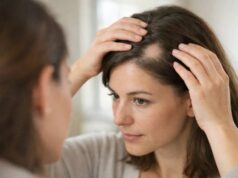
A smaller number on the scale can feel encouraging, then a few weeks later the shower drain tells a different story. Sudden hair shedding after rapid weight loss is common, unsettling, and often misunderstood. Many people assume the problem is a single missing vitamin, but the real driver is usually broader: too little energy coming in, not enough protein to match body demands, and a shortfall in the micronutrients that keep follicles cycling normally.
Hair is biologically expensive tissue. When intake drops fast, the body protects organs and essential functions first and treats dense hair growth as optional. The result is often diffuse shedding that appears after the weight loss has already begun.
The good news is that this pattern is often reversible. The key is knowing what to prioritize first, how to avoid guesswork with supplements, and when shedding deserves a closer medical look instead of more dieting discipline.
Quick Overview
- Rapid weight loss can increase diffuse shedding because low energy intake can push more follicles into a resting phase.
- Prioritizing enough calories, steady protein intake, and correction of likely deficiencies can reduce the chance of prolonged shedding.
- Blindly taking multiple hair supplements can be unhelpful and sometimes risky when the main problem is still under-fueling.
- During active weight loss, building regular meals with protein and nutrient-dense foods is usually more useful than chasing single “hair vitamins.”
Table of Contents
- Why Rapid Weight Loss Can Trigger Hair Shedding
- Why Calories Matter Before Any Supplement
- Protein Priorities During Active Weight Loss
- Which Micronutrients Deserve Attention First
- A Practical Plan to Protect Hair While Losing Weight
- What Recovery Looks Like and When to Seek Help
Why Rapid Weight Loss Can Trigger Hair Shedding
The most common pattern behind hair shedding after rapid weight loss is telogen effluvium. In this state, more follicles than usual leave the active growth phase and shift into a resting phase. After a delay, those resting hairs are shed. This delay is why people are often confused by the timing. The trigger happens first, then the shedding becomes obvious weeks later, often around two to three months after the most intense phase of dieting, illness, appetite suppression, or post-surgical recovery.
The body does not interpret rapid weight loss as a beauty project. It interprets it as a period of stress, reduced fuel availability, or both. Hair follicles are among the first places where the body becomes economical. If energy intake drops sharply, the body gives priority to organs, blood glucose regulation, immune function, and muscle preservation. Thick, steady hair growth is lower on that hierarchy.
Rapid shedding is more likely when weight loss involves one or more of these patterns:
- very low-calorie eating
- frequent meal skipping
- low protein intake
- poor diet variety
- vomiting, diarrhea, or malabsorption
- major illness or surgery
- medications that sharply reduce appetite
That is why the problem is especially common after crash diets, bariatric surgery, prolonged restrictive eating, and aggressive fat-loss phases that look successful by scale weight but leave the body under-supplied. The visible symptom is hair shedding, but the deeper issue is usually a mismatch between what the body needs and what it is receiving.
It also helps to separate true shedding from breakage. Shedding means more whole hairs are released from the follicle. Breakage means the shaft snaps because it is weakened by heat, bleach, friction, or harsh handling. Rapid weight loss can contribute to both, but the hallmark of diet-related telogen effluvium is diffuse shedding from the scalp rather than one damaged section of hair.
Another point that is easy to miss: the trigger is not always “too little protein” alone. In many real cases, rapid weight loss creates a cluster of stressors at the same time. Calories fall, protein falls, iron intake may drop, zinc intake becomes inconsistent, food variety narrows, and body reserves are stretched. Hair responds to that whole pattern, not just to one missing nutrient.
This is why the question should not be “Which hair supplement fixes this?” The better question is “What changed in my fueling pattern, and how severe was that change?” Once you understand that hair shedding after rapid weight loss is often a delayed biological response to under-fueling, the next priorities become much clearer: enough calories, enough protein, and attention to the nutrient gaps most likely to matter.
Why Calories Matter Before Any Supplement
When hair shedding begins during weight loss, people often jump straight to biotin, collagen gummies, or “hair growth” blends. That reaction is understandable, but it skips the most important question: is total energy intake too low? If the answer is yes, no supplement can fully compensate for an eating pattern that keeps the body in a chronic shortage.
Calories matter because protein and micronutrients do not work in isolation. When energy intake is very low, the body may use dietary amino acids for basic metabolic needs rather than tissue building. In plain terms, even a reasonable amount of protein can be used less effectively if there is not enough total fuel around it. Hair follicles are highly active structures, so they are sensitive to this low-energy signal.
This is one reason rapid weight loss is more likely to trigger shedding than slower, steadier loss. A fast drop usually means the deficit is larger, meals are smaller, and food variety is poorer. Appetite-suppressing medications can intensify this pattern if they make a person unintentionally live on coffee, a snack, and one light meal. Hair does not only notice what is absent from the plate. It also notices how little total fuel reaches the body across the day.
Several red flags suggest calories may be too low for the current phase:
- persistent fatigue or lightheadedness
- feeling cold more often than usual
- stalled workouts or poor recovery
- irritability, poor concentration, or disrupted sleep
- loss of strength along with body weight
- frequent grazing without real meals
- visible shedding after a phase of aggressive restriction
In practice, many people trying to “eat clean” end up eating too little. Large salads, protein bars, and one lean dinner can look disciplined while still leaving the body under-fueled. Hair shedding then becomes one of the first visible costs of a plan that is too severe to sustain.
This does not mean weight loss must stop the moment shedding starts. It means the pace and structure may need adjustment. A modest deficit is usually easier on the hair cycle than a dramatic one. Stable meals are usually safer than long gaps followed by a small protein shake. Nutrient-dense starches, legumes, dairy or fortified alternatives, eggs, fish, meat, soy foods, nuts, seeds, and fruit often do more for hair resilience than a cabinet full of capsules.
A useful rule of thumb is to treat calories as the foundation, protein as the frame, and micronutrients as the support beams. If the foundation is weak, the rest cannot do its job well. This is also why people sometimes keep shedding despite taking multiple supplements: the core stressor is still present.
Before spending more money on hair products, ask whether the current weight-loss plan allows enough food volume, enough meal frequency, and enough total energy to support normal tissue turnover. If not, that is the first correction to make.
Protein Priorities During Active Weight Loss
Protein deserves special attention during weight loss because it affects more than hair. It helps preserve lean mass, supports recovery, contributes to satiety, and supplies the amino acids the body needs to build structural tissues, including hair. But the key word is enough. A person can be “eating protein” and still not be eating enough protein for a period of active weight loss.
Hair shafts are built largely from keratin, and follicle cells divide rapidly. That makes protein adequacy important, especially when total food intake shrinks. A low-protein diet during rapid weight loss increases the chance that the body will reduce investment in hair growth. Severe deficiency can also show up with muscle loss, weakness, swelling, poor wound healing, and a generally depleted appearance. Milder shortfalls are more subtle but can still matter over time.
For healthy adults, baseline protein recommendations are often framed as a minimum, not an ideal amount for all situations. During weight loss, older age, hard training, recovery, or muscle-preservation phases, practical needs can be higher than the minimum. What matters most for this article is not finding a perfect universal number. It is avoiding the common failure pattern: one protein-heavy dinner and very little protein the rest of the day.
A more protective structure often looks like this:
- Build protein into each main meal rather than saving it for nighttime.
- Pair protein with enough carbohydrate and overall calories so it is not the only meaningful fuel source.
- Keep intake consistent across weeks instead of “being good” on weekdays and barely eating on others.
- Use easy protein options when appetite is low, such as yogurt, eggs, tofu, cottage cheese, milk, soy beverages, fish, chicken, beans, lentils, or a simple protein shake.
The pattern matters because hair responds to sustained habits, not occasional rescue efforts. Someone who eats one large protein meal after under-eating all day may still fall short overall. The same is true for highly restrictive eating windows that leave too few chances to hit adequate intake.
Plant-based eaters can absolutely meet protein needs, but they usually need more deliberate meal construction during weight loss. Meals built mostly around fruit, vegetables, and low-protein grains may be too light unless they also include legumes, soy foods, dairy or fortified alternatives, nuts, seeds, or another dense protein source.
It is also worth resisting the false choice between “real food” and supplements. Food should lead, but protein powders can help when appetite is low, chewing is difficult, or schedule constraints are real. A plain whey, soy, or pea protein option may be useful if it closes a gap instead of replacing meals entirely.
The best protein strategy for hair is rarely glamorous. It is simply regular, adequate, and boringly consistent. During active weight loss, that consistency can make the difference between a temporary increase in shedding and a longer period of avoidable thinning.
Which Micronutrients Deserve Attention First
When rapid weight loss and hair shedding happen together, micronutrients matter, but not all of them deserve equal attention. The most useful approach is to prioritize the nutrients most plausibly affected by reduced intake, restrictive food choices, blood loss, or absorption problems. In practice, that usually means focusing first on iron status, zinc, folate, vitamin B12, and vitamin D, while remembering that the highest-yield fix may still be better overall intake.
Iron deserves attention because low stores can overlap with diffuse shedding, especially in people with heavy menstrual bleeding, restrictive eating, endurance training, or low intake of iron-rich foods. Hair complaints are often one of several clues rather than a standalone sign. Fatigue, breathlessness, low stamina, pale skin, or restless legs can strengthen suspicion, though some people have few symptoms beyond shedding.
Zinc is another nutrient that often enters the conversation during rapid weight loss, bariatric recovery, or poor food variety. It supports many cellular processes, including tissue repair and normal growth. Low zinc is not the explanation for every shedding episode, but it becomes more plausible when intake is narrow, appetite is poor, or absorption is impaired.
Folate and vitamin B12 deserve a closer look when diets become highly restrictive or when there is a history of vegan eating without supplementation, digestive disease, certain medications, or post-surgical absorption issues. Deficiency here is less common than internet advice suggests, but it is not rare in the right clinical context.
Vitamin D often appears in hair discussions because low levels are common in the general population. Still, it should not become a catch-all explanation. It matters most when there is a real deficiency, not when it is taken as a default supplement because hair is shedding.
What should not be prioritized without evidence? Long lists of trendy hair ingredients, high-dose biotin in everyone, and multi-supplement stacks that duplicate nutrients. More is not better. Some products add nutrients at levels that are unnecessary, and a few can complicate lab interpretation or create new imbalances.
A practical order of operations looks like this:
- first correct the calorie and protein gap
- then review diet variety and likely weak points
- then check targeted labs if the history supports them
- then replace confirmed or strongly suspected deficiencies rather than guessing
This matters because micronutrient issues are often part of a bigger pattern. A person losing weight quickly after surgery may have lower ferritin, zinc, folate, or B12 because intake and absorption both changed. Someone using appetite-suppressing medication may be under-consuming iron and protein simply because total food volume collapsed. Someone following a very low-calorie “wellness” plan may be missing multiple nutrients at once.
The goal is not to chase every possible deficiency. It is to identify the few most likely to matter in the setting of rapid weight loss, then correct them in a way that fits the actual reason they fell short.
A Practical Plan to Protect Hair While Losing Weight
If hair shedding has started during a weight-loss phase, the most useful response is usually not to abandon every goal. It is to make the plan more biologically sustainable. That means slowing extremes, restoring meal structure, and protecting the inputs hair depends on most.
Start with the daily pattern. Many people do better when they stop thinking in terms of “allowed foods” and begin thinking in terms of non-negotiable anchors. Those anchors are usually three: regular meals, visible protein in each meal, and enough food variety to cover micronutrients without depending on a pill for everything.
A simple structure can look like this:
- Eat three real meals on most days.
- Include a meaningful protein source at each meal.
- Add a carbohydrate source instead of treating carbs as optional.
- Include at least one iron- or zinc-containing food most days.
- Use snacks strategically if appetite is low and meal size is small.
That might mean eggs and yogurt at breakfast, a bean or chicken grain bowl at lunch, and fish, tofu, lentils, or meat with rice or potatoes and vegetables at dinner. For someone with low appetite, smaller but more frequent eating may work better than trying to force large meals. For someone after bariatric surgery or on a medication that blunts hunger, liquid nutrition can be a useful tool if it adds to intake rather than replacing most of the day.
It also helps to remove common self-sabotage habits:
- fasting windows that compress intake too much
- replacing meals with coffee or energy drinks
- using protein bars as the main food group
- staying in a very low-calorie phase for too long
- taking multiple supplements without checking overlap
On the supplement side, restraint is often smart. A targeted supplement may be appropriate when a clinician identifies a deficiency or when a clear intake gap exists. But a broad “hair growth” formula is not automatically the best first step. If the real problem is under-eating, the body still lacks what it needs even if the supplement label looks impressive.
Hair-friendly weight loss is often quieter and less dramatic than social media promises. It favors steadier progress, adequate protein, better sleep, less physiological stress, and fewer severe swings in intake. That may feel slower, but it is often the approach most compatible with keeping muscle, energy, and hair density intact.
One more practical point: while you are correcting the internal side, keep external stress low. Avoid overly tight styles, harsh chemical processing, and heavy heat use during active shedding. These do not cause telogen effluvium, but they can make fragile hair look worse and add breakage on top of true shedding.
The most protective plan is the one your body can live with. If the scale is moving but meals are collapsing, hair may be telling you the cost is too high.
What Recovery Looks Like and When to Seek Help
Once the diet is corrected, the shedding usually does not stop immediately. Hair operates on a delayed cycle, so recovery tends to lag behind the nutritional fix. This can be frustrating because someone may finally be eating better, taking a targeted supplement, and still seeing strands in the shower for weeks. That does not always mean the plan is failing. It often means the follicles are still moving through the consequence of the earlier stress.
The first sign of improvement is often a reduction in daily shed volume rather than instant thickness. You may notice less hair in the brush, fewer strands on wash day, and less visible accumulation on clothing or bedding. Density tends to return more slowly than shedding improves. Regrowth is gradual, and cosmetic recovery often takes longer than people expect.
Several signs suggest you are moving in the right direction:
- weight loss has slowed to a steadier pace
- meals are regular again
- energy and strength are improving
- the shed count is lower than it was a month ago
- tiny regrowth appears around the part or hairline
- the scalp looks stable rather than inflamed
Still, not every shedding episode should be managed at home. Medical evaluation is a good idea when the story does not fit a simple rapid-weight-loss pattern or when symptoms point to something more than under-fueling. Seek help sooner if you notice any of the following:
- bald patches instead of diffuse shedding
- severe scalp pain, redness, or scaling
- ongoing vomiting, diarrhea, or poor absorption
- major fatigue, dizziness, or shortness of breath
- swelling, significant muscle loss, or clear malnutrition
- heavy menstrual bleeding
- shedding that continues despite improved intake
- recent bariatric surgery or complex medication changes
Testing may be especially useful when rapid weight loss overlaps with higher-risk contexts such as post-surgical recovery, a vegan diet without supplementation, gastrointestinal disease, or recurrent iron deficiency. In those settings, guessing can waste time.
It is also important to know what recovery does not look like. It does not usually mean a one-week turnaround. It does not require buying every hair supplement on the shelf. It does not mean that more restriction will solve the problem by helping you reach goal weight faster. In fact, doubling down on restriction often prolongs the very conditions that triggered the shedding.
The most useful mindset is to treat the hair as a metabolic signal, not a cosmetic betrayal. If the signal appeared during rapid weight loss, your body may be telling you that the method, pace, or food pattern needs adjustment. Responding early usually gives you the best chance of keeping the shedding temporary and the recovery straightforward.
References
- Assessing the relationship between dietary factors and hair health: A systematic review 2025 (Systematic Review)
- Evaluation of the Safety and Effectiveness of Nutritional Supplements for Treating Hair Loss: A Systematic Review 2023 (Systematic Review)
- Integrative and Mechanistic Approach to the Hair Growth Cycle and Hair Loss 2023 (Review)
- Hair Loss After Metabolic and Bariatric Surgery: a Systematic Review and Meta-analysis 2021 (Systematic Review and Meta-analysis)
- Protein in diet: MedlinePlus Medical Encyclopedia 2025 (Official Reference)
Disclaimer
This article is for educational purposes only and is not a substitute for personal medical advice, diagnosis, or treatment. Hair shedding during rapid weight loss is often temporary, but it can also overlap with iron deficiency, thyroid disease, medication effects, autoimmune hair loss, post-surgical malnutrition, or other medical problems. Do not self-treat with high-dose supplements unless a qualified clinician recommends them. Seek medical care if shedding is sudden, patchy, prolonged, or accompanied by fatigue, dizziness, swelling, digestive symptoms, heavy bleeding, or signs of undernutrition.
If you found this article useful, please share it on Facebook, X, or your preferred platform.