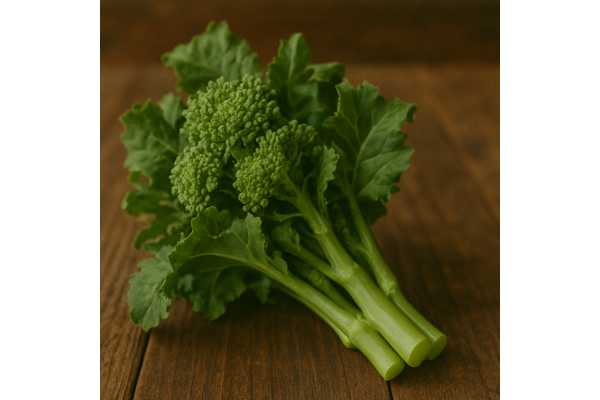
Rapini, also known as broccoli rabe, is a leafy green cruciferous vegetable prized in Italian and Mediterranean cooking for its pleasantly bitter, nutty taste. The entire plant—tender stems, leaves, and small broccoli-like florets—is edible, which makes it versatile in sautés, pastas, grain bowls, and simple side dishes. Nutritionally, rapini stands out as an exceptional source of vitamin K, vitamin C, folate, and several B vitamins, alongside fiber, calcium, and iron.
Because it belongs to the Brassica family, rapini is also rich in glucosinolates and other phytochemicals that are being studied for potential roles in cancer prevention and chronic disease risk reduction. At the same time, its very high vitamin K content and concentrated bitterness raise sensible questions about who should eat it, how much, and how best to prepare it. This guide walks you through rapini’s nutrition profile, evidence-based benefits, risks and interactions, and practical cooking and storage tips so you can use it confidently and safely in everyday meals.
Rapini at a Glance
- Rapini is a low-calorie cruciferous green rich in vitamin K, vitamin C, folate, fiber, and carotenoids per 100 g.
- Typical serving is about 75–90 g cooked (roughly 1 cup), enjoyed 2–4 times per week as part of a varied vegetable intake.
- Very high vitamin K content means people on warfarin or similar anticoagulants should keep their rapini intake consistent and coordinate with their clinician.
- Individuals with cruciferous vegetable allergy, poorly controlled irritable bowel symptoms, or severe iodine deficiency may need to limit or avoid large portions of rapini.
- Light steaming or quick sautéing in olive oil helps reduce bitterness while preserving vitamin C, folate, and delicate phytonutrients.
Table of Contents
- Rapini Basics and Background
- Rapini Nutrition Profile Explained
- Health Effects of Rapini
- Risks, Allergies and Drug Interactions
- Choosing, Quality, Sustainability and Storage
- Cooking Rapini and Preserving Nutrients
- Portions, Comparisons and Common Questions
Rapini Basics and Background
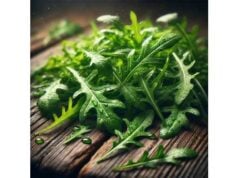
Rapini (Brassica rapa Ruvo group) is a leafy member of the Brassicaceae, the same family as broccoli, kale, and turnips. Despite its common American name “broccoli rabe,” it is botanically closer to turnip greens than to broccoli florets. The plant forms long, slender stalks with jagged dark-green leaves and clusters of small, unopened buds that look like mini broccoli heads. Small yellow flowers may appear on more mature bunches and are also edible.
Names and origins
You will see rapini sold under several names:
- Rapini or broccoli rabe (United States and Canada)
- Cime di rapa or broccoletti (southern Italy, especially Puglia)
- Grelos (in parts of Spain and Portugal)
Originally cultivated in the Mediterranean, rapini is now widely grown in Europe and North America, particularly in cooler seasons. It is typically harvested in late fall and early spring when temperatures encourage tender stems and less fibrous stalks.
How rapini tastes and how it is used
Rapini is known for a pronounced, pleasant bitterness with nutty, slightly peppery notes. That bitterness pairs well with:
- Fat (olive oil, butter, cheese)
- Umami (anchovies, aged cheeses, cured meats)
- Acid (lemon juice, vinegar, tomatoes)
- Heat (chili flakes, pepperoncini)
Classic dishes include:
- Rapini sautéed with garlic, olive oil, and chili flakes
- Orecchiette with rapini and sausage
- Rapini in frittatas, grain bowls, or as a pizza topping
- Simple side dishes, often blanched and then quickly sautéed
Fresh vs. frozen or pre-cut forms
Most rapini is sold fresh in bundled bunches. You may also find:
- Pre-trimmed, bagged rapini for quicker preparation
- Frozen chopped rapini or “Italian greens” mixes
- Ready-to-cook kits paired with garlic and oil
Fresh bunches offer the best texture and flavor, but frozen rapini can be a budget-friendly way to keep cruciferous greens on hand.
Who rapini is especially useful for
Rapini fits well for people who:
- Want more leafy greens but prefer robust, savory flavors
- Are looking for plant-based sources of vitamin K, C, and folate
- Follow Mediterranean-style or plant-forward diets
- Enjoy slightly bitter vegetables like radicchio, endive, or dandelion greens
If you are new to bitter greens, starting with small amounts of rapini in mixed dishes (such as pasta or grain bowls) can help your palate adapt.
Rapini Nutrition Profile Explained
Rapini is a nutrient-dense, low-calorie vegetable. Per 100 g of raw rapini, you get only about 22 kcal but substantial amounts of vitamins K, C, and folate, along with several B vitamins and key minerals.
Macros and Electrolytes (per 100 g, raw)
| Nutrient | Amount per 100 g | % Daily Value* |
|---|---|---|
| Energy | 22 kcal | 1% |
| Protein | 3.17 g | 6% |
| Total carbohydrate | 2.85 g | 1% |
| Dietary fiber | 2.7 g | 10% |
| Sugars | 0.38 g | – |
| Total fat | 0.49 g | 1% |
| Water | 92.55 g | – |
| Potassium | 196 mg | 7% |
| Sodium | 33 mg | 1% |
*%DV based on standard adult reference intakes; rounded.
Rapini is very low in calories and sugars, moderately high in fiber for its weight, and essentially fat-free. This profile makes it helpful for people aiming for lower energy density meals while maintaining good satiety.
Vitamins (per 100 g, raw)
| Vitamin | Amount | % Daily Value* |
|---|---|---|
| Vitamin K (phylloquinone) | 224 µg | 187% |
| Vitamin C | 20.2 mg | 22% |
| Folate (Vitamin B9) | 83 µg | 21% |
| Vitamin A (retinol activity equivalents) | 131 µg | 15% |
| Vitamin E | 1.62 mg | 11% |
| Thiamine (Vitamin B1) | 0.162 mg | 14% |
| Riboflavin (Vitamin B2) | 0.129 mg | 10% |
| Vitamin B6 | 0.171 mg | 10% |
| Niacin (Vitamin B3) | 1.221 mg | 8% |
| Pantothenic acid (Vitamin B5) | 0.322 mg | 6% |
*Approximate DVs for adults, based on common reference values.
Rapini is particularly notable as an excellent source of vitamin K and a good source of vitamin C and folate, with several other vitamins present in useful amounts.
Minerals and Bioactives (per 100 g, raw)
| Mineral | Amount | % Daily Value* |
|---|---|---|
| Calcium | 108 mg | 8% |
| Iron | 2.14 mg | 12% |
| Magnesium | 22 mg | 5% |
| Phosphorus | 73 mg | 6% |
| Potassium | 196 mg | 7% |
| Manganese | 0.395 mg | 17% |
| Zinc | 0.77 mg | 7% |
*Approximate DVs for adults.
In addition, rapini contains:
- Carotenoids (beta-carotene, lutein, zeaxanthin), which support eye and skin health.
- Glucosinolates, sulfur-containing compounds characteristic of cruciferous vegetables. When chopped and chewed, they form isothiocyanates and related molecules that have been studied for possible roles in cancer prevention and cardiometabolic support.
Anti-nutrients and other components
Like other Brassica vegetables, rapini contains:
- Goitrogenic compounds (a subset of glucosinolates) that may interfere modestly with thyroid hormone production, mainly in the context of low iodine intake and very high raw cruciferous consumption.
- Organic acids and a moderate fiber load, which can generate gas or discomfort in sensitive individuals.
For most people with adequate iodine intake and balanced diets, these compounds are not harmful and may be beneficial at typical serving sizes.
Values are approximate and vary with variety, soil, harvest timing, and preparation. Cooking, particularly boiling, can substantially reduce some water-soluble vitamins and glucosinolates while leaving minerals and fiber largely intact.
Health Effects of Rapini
Because rapini is a cruciferous leafy green, its health effects arise from both its vitamin and mineral content and its characteristic Brassica phytochemicals.
Cardiometabolic health
Rapini supports cardiovascular and metabolic health in several ways:
- Low energy density and high fiber: With only 22 kcal and 2.7 g fiber per 100 g, rapini helps increase meal volume and satiety without adding many calories, which is useful for weight management and blood sugar control.
- Potassium and low sodium: Potassium supports normal blood pressure and counterbalances high-sodium meals, while rapini’s sodium content is naturally low unless salt is added in cooking.
- Glucosinolates and isothiocyanates: These compounds may help reduce oxidative stress and low-grade inflammation, mechanisms that are relevant to cardiovascular risk.
Population-level research consistently links higher intake of vegetables, including cruciferous varieties, with lower risk of cardiovascular disease and improved markers of metabolic health. While these studies cannot prove cause and effect, rapini fits squarely within the pattern of beneficial plant foods.
Bone and blood health
Rapini offers a powerful combination for bone and blood:
- Vitamin K is essential for the activation of proteins that regulate blood clotting and support bone mineralization. Rapini’s 224 µg per 100 g far exceeds the daily recommended intake for most adults.
- Calcium (108 mg per 100 g) and manganese support bone structure and metabolism.
- Folate, vitamin B6, and iron contribute to healthy red blood cell formation and reduced homocysteine, an amino acid associated with higher cardiovascular risk when elevated.
For people with adequate vitamin D, regular intake of leafy greens like rapini may complement other bone-supportive habits such as weight-bearing exercise and sufficient calcium intake.
Eye, immune, and skin support
Rapini provides carotenoids and vitamin C that contribute to:
- Eye health: Lutein and zeaxanthin accumulate in the macula and are associated with a lower risk of age-related macular degeneration in observational studies.
- Immune function: Vitamin C supports normal immune cell function and collagen synthesis in barrier tissues.
- Skin health: Vitamin A equivalents and vitamin C aid in maintaining healthy skin structure and resilience.
While no single vegetable can prevent specific eye or skin diseases, rapini can be part of a pattern of eating that supports long-term tissue health.
Cruciferous vegetables and cancer risk
Several lines of evidence suggest that higher intake of cruciferous vegetables—including rapini, broccoli, Brussels sprouts, and kale—is associated with reduced risk of certain cancers:
- Reviews of observational studies report that greater cruciferous vegetable consumption is often linked with lower risk of cancers such as colorectal, lung, and breast, though the strength of the association varies.
- Experimental studies of glucosinolates and isothiocyanates indicate anti-inflammatory, antioxidant, and potential chemo-protective effects, including modulation of detoxification enzymes and cell signaling pathways involved in tumor development.
It is important to stress that these benefits come from overall dietary patterns rather than rapini alone. Including rapini as one of multiple cruciferous vegetables in your regular rotation is a realistic way to tap into these potential advantages.
Risks, Allergies and Drug Interactions
For most healthy adults, rapini is safe and beneficial when eaten in typical food amounts. However, there are specific situations where caution is warranted.
Vitamin K and anticoagulant medications
The main medical consideration is rapini’s very high vitamin K content. Vitamin K plays a key role in blood clotting, so it directly interacts with vitamin K antagonist anticoagulants such as warfarin.
- People on warfarin are generally advised not to eliminate vitamin K, but instead to keep intake reasonably consistent day-to-day and week-to-week. Sudden increases or decreases in vitamin K from foods like leafy greens can destabilize anticoagulation control.
- If you rarely eat greens and suddenly start consuming large portions of rapini several times a week, you may need a medication dose adjustment under medical supervision.
If you take warfarin or a related drug:
- Discuss your typical vegetable pattern with your healthcare team.
- If you plan to add rapini regularly, introduce it gradually and inform your clinician so they can monitor your INR as needed.
- Avoid swinging between “no greens” and “lots of rapini in one week.”
Direct oral anticoagulants (DOACs) are less sensitive to vitamin K, but it is still wise to inform your clinician about major dietary shifts.
Digestive sensitivity and FODMAPs
Rapini’s fiber and certain fermentable carbohydrates can cause:
- Gas, bloating, or cramping in people with irritable bowel syndrome or sensitive digestion
- Discomfort when eaten in very large portions, particularly if you are not used to high-fiber foods
Strategies:
- Start with small servings (¼–½ cup cooked) and increase gradually.
- Cook rapini well rather than eating it raw to make it gentler on the digestive tract.
- Pair with other foods, rather than eating a large plate of rapini by itself.
Thyroid function and goitrogens
Cruciferous vegetables contain glucosinolates that can be converted into goitrogenic compounds, which may modestly affect thyroid hormone synthesis in the context of:
- Very high intakes of raw crucifers
- Low iodine status
For most people consuming typical portions of cooked rapini within a varied diet, these compounds are not clinically significant. People with hypothyroidism, especially if iodine intake is marginal, can still enjoy moderate amounts of cooked cruciferous vegetables but should avoid extreme intakes of raw forms and follow their clinician’s advice.
Allergies and cross-reactivity
True allergy to Brassica vegetables is uncommon but reported. Possible signs include:
- Oral itching, swelling of lips or throat
- Hives or skin rash
- Wheezing or breathing difficulty
People with known mustard, cabbage, or related pollen allergies may rarely experience cross-reactivity with rapini. Any suspected reaction warrants medical evaluation; do not re-test yourself at home if you have had significant symptoms.
Kidney stones and oxalates
Rapini is not as high in oxalates as spinach or beet greens, but it likely contains moderate amounts as a leafy green. For individuals with a history of calcium oxalate kidney stones:
- Emphasize variety among greens rather than relying on a single vegetable.
- Pair rapini with calcium-containing foods (such as yogurt or cheese) in the same meal to help bind oxalate in the gut.
Your nephrologist or dietitian can provide personalized guidance.
Pesticide residues and food safety
As with other leafy greens:
- Wash rapini thoroughly in cool running water to remove soil and surface residues.
- Trim and discard any slimy, yellowing, or foul-smelling portions.
- Store separately from raw meat and follow standard kitchen hygiene to avoid cross-contamination.
Choosing organic rapini can reduce exposure to some pesticides, but both organic and conventional options offer similar nutritional benefits.
Choosing, Quality, Sustainability and Storage
Selecting good rapini and storing it well ensures you get both the best flavor and the most nutrition.
How to select high-quality rapini
When shopping, look for:
- Deep green leaves that are crisp, not limp
- Firm, slender stems that snap rather than bend
- Compact buds that are mostly closed and green
- Only minimal yellow flowers; a few are fine, but extensive flowering suggests age and greater bitterness
Avoid bunches with:
- Yellow, slimy, or water-soaked leaves
- Strong sour or rotten odors
- Very thick, woody stems (indicates older plants)
Seasonality and flavor
Rapini thrives in cooler weather. In many regions it is at its best:
- Late fall to early winter
- Late winter to early spring
Cool-season rapini tends to be more tender and less aggressively bitter than heat-stressed summer crops. If you find rapini extremely tough or sharp-tasting, it may be late-season or stressed; extra trimming, peeling thicker stems, and blanching can help.
Sustainability considerations
From an environmental perspective, rapini:
- Belongs to the group of low-impact plant foods, typically with a much smaller carbon footprint than animal products.
- Can be grown in diverse cropping systems, often rotated with other vegetables or grains.
To further reduce environmental impact:
- Prefer locally grown, seasonal rapini when available.
- Buy only what you can use within a few days to minimize food waste.
- Use stems and leaves creatively—in soups, frittatas, or pesto-like sauces—rather than discarding them.
Storage tips
Rapini is relatively perishable. For best quality:
- Refrigerate unwashed: wrap loosely in a reusable produce bag or damp paper towel and store in the vegetable drawer.
- Use within 3–4 days for best texture and nutrient retention.
- Do not seal it in completely airtight plastic if it is still damp; a little airflow helps prevent sliminess.
If you need longer storage:
- Trim and wash.
- Blanch in boiling water for about 2 minutes, then cool quickly in ice water.
- Drain thoroughly and pat dry.
- Freeze in portions in airtight containers or freezer bags for up to several months.
Blanching before freezing helps preserve color and texture, and reduces enzyme activity that would otherwise degrade flavor over time.
Cooking Rapini and Preserving Nutrients
How you cook rapini has a major impact on both flavor and nutrient retention.
Basic prep steps
- Rinse thoroughly under cool running water, opening up the bunch to remove grit.
- Trim the stem ends, cutting off any dried or woody portions.
- Separate thicker stalks from thinner tops if needed so you can start cooking stems slightly earlier.
- Decide whether to blanch (parboil) to soften bitterness before final cooking.
Bitterness management
Rapini’s bitterness is part of its character, but you can mellow it:
- Blanching: Boil in salted water for 1–2 minutes, then drain and optionally shock in ice water. This leaches some bitter compounds and can make rapini more approachable for new eaters.
- Pairing with fat and acid: Sauté blanched or raw rapini with olive oil and garlic, then finish with lemon juice or vinegar.
- Balancing with salty and umami ingredients: Anchovies, olives, aged cheeses, or sausage add complexity and counterbalance bitterness.
Blanching will reduce some water-soluble nutrients, especially vitamin C and folate, but quick blanching followed by a brief sauté retains a meaningful amount while improving palatability.
Cooking methods and nutrient retention
- Steaming: One of the best methods for nutrient retention. Steaming rapini for 3–5 minutes preserves vitamin C and folate better than boiling while softening texture.
- Stir-frying or sautéing: Quick high-heat cooking with a small amount of oil preserves many vitamins and enhances the availability of fat-soluble carotenoids and vitamin K by providing dietary fat for absorption.
- Boiling: Most effective at reducing bitterness but also increases nutrient loss into the cooking water. Using the cooking liquid in soups or stews can reclaim some vitamins and minerals.
- Roasting: Less common but possible; toss in oil and roast at moderate-to-high heat until stems are tender and leaves crispy. Some vitamin C will be lost, but flavors deepen and texture becomes pleasantly chewy-crisp.
Because rapini is so high in vitamin K and rich in multiple micronutrients to start with, moderate cooking losses still leave a very nutritious vegetable.
Simple, nutrient-conscious cooking ideas
- Garlic and olive oil sauté
- Steam or blanch rapini briefly.
- Sauté sliced garlic in olive oil until fragrant.
- Add rapini, toss for 2–3 minutes, and finish with lemon juice and pepper.
- Rapini and white bean stew
- Sauté onions, garlic, and carrots in olive oil.
- Add chopped rapini, canned cannellini beans, and vegetable broth.
- Simmer until stems are tender; finish with herbs and a sprinkle of grated cheese.
- Whole-grain pasta with rapini
- Cook whole-grain pasta.
- In a separate pan, sauté garlic, chili flakes, and anchovies.
- Add blanched rapini, toss with pasta and some cooking water, finish with olive oil and cheese.
Each of these methods uses modest cooking times and includes a source of fat, improving absorption of fat-soluble nutrients and enhancing flavor.
Portions, Comparisons and Common Questions
Suggested serving sizes and frequency
A practical serving of cooked rapini is:
- About ¾–1 cup cooked (roughly 75–90 g), or
- One generous handful of raw rapini per person before cooking
For most adults without contraindications:
- Enjoying rapini 2–4 times per week as part of a varied vegetable intake is a reasonable target.
- On days when you eat large portions of rapini, consider balancing with lighter or non-cruciferous vegetables at other meals, especially if you are sensitive to fiber or have thyroid concerns.
Individuals on warfarin should focus more on consistency than a specific amount—aim for a relatively stable pattern, such as a similar serving size several times a week, rather than big swings.
How rapini compares to other greens
| Feature | Rapini | Broccoli florets | Kale | Spinach |
|---|---|---|---|---|
| Taste | Bitter, nutty, peppery | Mild, slightly sweet | Earthy, slightly bitter | Mild, slightly metallic |
| Key strengths | Very high vitamin K; good vitamin C, folate, iron, manganese; glucosinolates | High vitamin C; good fiber | High vitamin K and C; robust texture | High vitamin K and folate; very high oxalate |
| Texture | Tender leaves, firm stems, small buds | Crunchy florets | Curly or flat robust leaves | Soft leaves |
| Bitterness | High | Low to moderate | Moderate | Low |
Rapini is not “better” than other greens, but it offers a distinctive mix of strong flavor, glucosinolates, and high vitamin K. Rotating among rapini, broccoli, kale, spinach, and other greens helps diversify nutrients and phytochemicals.
Common questions about rapini
Is rapini low in carbohydrates and suitable for low-carb or ketogenic diets?
Yes, rapini is naturally low in carbohydrates—only about 2.85 g per 100 g, much of which is fiber. In typical serving sizes, net carbohydrates are low, so it usually fits well into low-carb and many ketogenic meal plans when prepared with appropriate fats.
Can rapini be eaten raw?
Rapini can be eaten raw in small amounts, such as very thinly sliced stems and leaves in salads or slaws. However, its bitterness and goitrogenic potential are more pronounced raw. Most people prefer it lightly cooked, which softens texture, mellows flavor, and reduces certain heat-labile compounds.
Is rapini safe during pregnancy?
In normal food amounts, rapini is generally safe during pregnancy and provides folate, iron, and vitamin C, all valuable during this time. The main precautions are:
- Careful washing to remove soil and microbes.
- Moderation if you have significant thyroid disease or are on anticoagulants.
- Avoiding extremely high or erratic intakes if you are using vitamin K–sensitive medications.
Discuss your overall diet with your prenatal care team if you have specific concerns.
Can I use rapini instead of broccoli or kale in recipes?
Often, yes—but expect a more assertive flavor. You may want to:
- Blanch rapini before using it as a broccoli substitute.
- Use a slightly smaller quantity of rapini if swapping for milder greens.
- Balance with additional fat (olive oil, cheese) or sweetness (a little onion, carrot, or tomato) to soften bitterness.
Who should limit or avoid rapini?
- People on warfarin who cannot maintain consistent vitamin K intake or whose INR has been difficult to control.
- Those with documented cruciferous vegetable allergy.
- Individuals with severe IBS or very sensitive digestion, who may need to restrict high-fiber cruciferous vegetables during flares.
- Those with untreated or unstable thyroid disease and poor iodine status should avoid extreme, habitual overconsumption of raw cruciferous vegetables.
For everyone else, rapini can be a flavorful, healthful part of a balanced eating pattern.
References
- Effect of cruciferous vegetable intake on cancer: An umbrella review of meta-analysis 2024 (Systematic Review)
- Glucosinolates from cruciferous vegetables and their potential role in chronic disease: Investigating the preclinical and clinical evidence 2021 (Systematic Review)
- Glucosinolates in human health: Metabolic pathways, bioavailability, and potential in chronic disease prevention 2025 (Systematic Review)
- Vitamin K – Health Professional Fact Sheet 2021 (Guideline)
- USDA National Nutrient Database for Standard Reference: Vitamin K (phylloquinone) content of selected foods 2015 (Database Report)
Disclaimer
The information in this article is intended for general educational purposes and does not replace personalized medical advice, diagnosis, or treatment. Nutrition needs and medical risks vary widely between individuals. Always consult a qualified healthcare professional—such as a physician, registered dietitian, or pharmacist—before making significant changes to your diet, especially if you have existing health conditions, are pregnant or breastfeeding, or take prescription medications (including anticoagulants or thyroid medicines). Never ignore professional medical advice or delay seeking it because of something you have read online.
If you found this guide on rapini helpful, you are welcome to share it on Facebook, X (formerly Twitter), or any social platform you prefer. Your support in sharing thoughtful, evidence-informed content helps our team continue producing careful, high-quality nutrition articles.