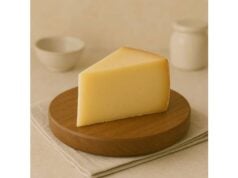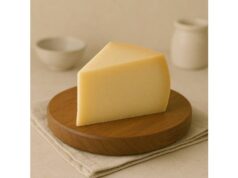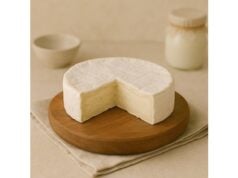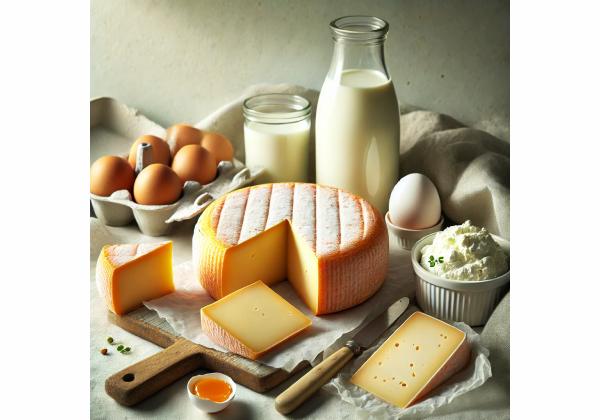
Reblochon is a soft, washed-rind cow’s milk cheese from the French Alps, famous for its creamy interior, nutty aroma, and gentle funk. Beyond its role in tartiflette and alpine fare, it offers meaningful nutrition: quality protein for muscle repair, readily absorbed calcium and phosphorus for bone health, and a naturally low carbohydrate content. As a smear-ripened cheese, Reblochon’s complex flavors come from a living rind; handled well, it melts beautifully and elevates everything from roasted vegetables to warm sandwiches. Because many traditional wheels are made from raw milk, understanding safety—especially for pregnant individuals and those with weakened immunity—is key. This guide distills what matters: a clear nutrition profile per 100 g, the most consistent health effects seen in research on cheese and fermented dairy, practical shopping and storage tips, and smart serving ideas that keep both flavor and wellbeing in focus.
Top Highlights
- One 30 g slice provides around 150 kcal, ~6 g protein, and ~8 g fat, with meaningful calcium for bones.
- Fermented dairy, including cheese, is generally neutral to beneficial for heart health when eaten in moderation.
- Soft raw-milk cheeses can carry Listeria risk; choose pasteurized or cook until hot if you are pregnant or immunocompromised.
- A practical serving is 30–40 g, up to a few times per week, within your calorie and saturated-fat goals.
- People who should limit or avoid: those on strict low-sodium or low-saturated-fat plans, MAOI users sensitive to tyramine, and anyone advised to avoid unpasteurized dairy.
Table of Contents
- Reblochon Cheese: Detailed Overview
- Reblochon Nutrition Profile (per 100 g)
- Evidence-Based Health Benefits
- Risks, Allergies and Interactions
- Selecting Quality, Sustainability and Storage
- Preparation, Cooking and Nutrient Retention
- Portions, Comparisons and FAQs
Reblochon Cheese: Detailed Overview
Reblochon is a classic washed-rind, smear-ripened cheese originating in Savoie and Haute-Savoie. Most traditional wheels are made from raw cow’s milk and matured for several weeks, developing a thin, supple rind with a peach-to-rust hue dusted by fine, edible molds. The paste is soft and creamy, ranging from custardy at the core to luscious and runny near the rind when fully ripe. Flavor is mellow but deep: sweet dairy with notes of hazelnut, cellar, and gentle grassiness from alpine feed. The aroma is aromatic rather than aggressive when properly matured and stored.
Within the category of soft cheeses, Reblochon stands apart for its balance of moisture, fat, and salt. That balance makes it a superb melter—it softens evenly without splitting—so it stars in baked dishes (especially tartiflette), warm sandwiches, and vegetable gratins. It also shines on a cheese board, where a small wedge offers concentrated flavor without excessive bulk. Because it is naturally very low in carbohydrates, it fits many lower-carb eating styles, though it is energy-dense, so portion awareness helps.
Quality cues are straightforward. A ripe wheel springs back gently when pressed; a cut wedge should show a glossy, even paste with few cracks. The rind should smell pleasantly mushroomy and lactic, not ammoniated or sharp. Excessive stickiness, a strongly bitter or ammonia smell, or deep cracks suggest the cheese is either overripe or was stored poorly. As with most washed-rind cheeses, the living rind is edible; trimming is optional and a matter of taste.
The milk source and season matter. Summer milk from mountain pastures can yield more aromatic wheels with layered sweetness, while winter milk produces a slightly richer texture. Farmstead (“fermier”) wheels tend to vary more across seasons; creamery (“laitier”) versions are often more uniform. Outside the Protected Designation of Origin (AOP) area you may also find pasteurized-milk Reblochon-style cheeses; these are excellent options for diners who need to avoid raw dairy while keeping the key sensory traits.
If you are new to Reblochon, plan your first taste at room temperature. Remove the wedge from the refrigerator 45–60 minutes in advance to let aromas bloom and texture relax. Pair with cooked potatoes, roasted onions, and crisp salad greens, or set a thin slice over toast to melt briefly under a broiler for an instant alpine snack.
Reblochon Nutrition Profile (per 100 g)
Below is a concise, practical view of what 100 g of Reblochon provides. Values are representative for traditionally made Reblochon and will vary by producer and ripeness.
Macros and Electrolytes
| Nutrient (per 100 g) | Amount | % Daily Value (%DV) |
|---|---|---|
| Energy | 330 kcal | — |
| Protein | 20.8 g | 41.6% |
| Total Fat | 27.6 g | 35.4% |
| Saturated Fat | 19.0 g | 95.0% |
| Carbohydrates | 0.1 g | 0% |
| Total Sugars | 0.1 g | 0% |
| Sodium* | ~520 mg | 22.6% |
| Potassium | 104 mg | 2.2% |
Fats and Fatty Acids
| Component | Amount | %DV |
|---|---|---|
| Total Fat | 27.6 g | 35.4% |
| Saturated Fat | 19.0 g | 95.0% |
| Cholesterol | ~85 mg | — |
Protein and Key Minerals
| Mineral | Amount | %DV |
|---|---|---|
| Calcium | 493 mg | 37.9% |
| Phosphorus | 324 mg | 25.9% |
| Magnesium | 20.2 mg | 4.8% |
| Zinc | 4.4 mg | 40.0% |
Allergens and Intolerance Markers
- Milk proteins (casein, whey) are present.
- Lactose is naturally very low in aged cheeses; many people with lactose intolerance tolerate modest portions.
- Biogenic amines (e.g., histamine, tyramine) can be present due to fermentation and aging.
Glycemic and Acid–Base Notes
- Glycemic load is negligible due to minimal carbohydrate.
- Like most cheeses, Reblochon is rich in acid-forming amino acids; balance meals with vegetables and potassium-rich sides.
Footnotes
- Sodium value estimated from “salt” (NaCl) × 0.4 when only salt is reported on European labels or database entries.
- %DV uses U.S. labeling DVs: fat 78 g, saturated fat 20 g, protein 50 g, sodium 2,300 mg, potassium 4,700 mg, calcium 1,300 mg, phosphorus 1,250 mg, zinc 11 mg, magnesium 420 mg.
Evidence-Based Health Benefits
1) Bone support from calcium and phosphorus, with complete protein.
Reblochon delivers roughly 38% DV of calcium and 26% DV of phosphorus per 100 g alongside complete milk proteins. Calcium and phosphorus form the mineral matrix of bone, while casein and whey supply essential amino acids that aid bone remodeling. In practical terms, a 30–40 g serving contributes meaningfully to daily calcium needs without adding sugar.
2) Fermented dairy’s neutral-to-beneficial heart profile in moderation.
Large prospective datasets and updated meta-analyses increasingly show that total dairy intake is not associated with higher cardiovascular disease (CVD) risk and that cheese, in particular, often tracks with lower risk when eaten in customary amounts. Mechanisms may involve the “dairy matrix”: calcium binding to fatty acids, milk fat globule membrane components, fermentation-derived vitamin K2, and bioactive peptides. For everyday eating, this supports moderate portions within a balanced diet instead of blanket avoidance.
3) Blood pressure: small benefits are plausible but not guaranteed.
Certain cheeses contain peptides that can inhibit angiotensin-converting enzyme (ACE) after digestion. Controlled trials have observed modest reductions (a few mmHg) in systolic and diastolic pressure with specific cheeses or peptide concentrates, while other trials show neutral effects. A sensible takeaway: replacing salty processed snacks with a small portion of cheese within a vegetable-rich meal can support an overall blood-pressure-friendly pattern, but the cheese itself is unlikely to be a standalone treatment.
4) Satiety and weight management support via protein and texture.
Soft cheeses combine dense protein and fat with low carbohydrate, which can improve satiety per calorie. Using a thin slice for flavor—melted over potatoes and greens or folded into a whole-grain sandwich—often reduces the need for larger amounts of added fats or sauces. Portion control remains essential, yet cheese can be part of weight-conscious menus when used as a flavor accent.
5) Dental health benefits from casein and mineral content.
Cheese raises oral pH and provides calcium and phosphate ions that can support enamel remineralization after meals. A small piece at the end of a meal may be kinder to teeth than sugary desserts, especially when paired with fresh fruit.
How to turn benefits into daily practice
- Use 30–40 g as a default portion; anchor meals with vegetables and legumes.
- Pair with potassium-rich sides (salad greens, roasted carrots, tomatoes) to balance sodium.
- Treat cheese as a flavor tool—intense enough that a smaller serving satisfies.
Risks, Allergies and Interactions
1) Listeria and raw-milk soft cheeses.
Soft cheeses made from raw milk can carry a higher risk of Listeria monocytogenes, a bacterium that can grow at refrigerator temperatures. Pasteurization reduces risk, but contamination can still occur if sanitation is poor. People at higher risk—pregnant individuals, older adults, and those with weakened immunity—should choose pasteurized versions or cook cheese thoroughly until steaming hot. If you are pregnant, follow national guidelines that advise avoiding mold-ripened soft cheeses unless cooked.
2) Sodium and saturated fat.
Per 100 g, Reblochon provides ~520 mg sodium and about 95% DV for saturated fat. If you have hypertension, heart disease, or high LDL cholesterol, keep portions modest and pair with unsalted, potassium-rich foods. Consider alternating with naturally lower-salt cheeses or spreading intake across the week.
3) Milk allergy and lactose intolerance.
Reblochon contains milk proteins (casein, whey) and is unsafe for those with confirmed dairy allergy. Lactose is naturally low in aged cheeses; many people with lactose intolerance tolerate small servings, particularly when eaten with other foods. Always follow your clinician’s guidance.
4) Biogenic amines (tyramine, histamine).
Aged cheeses can contain tyramine and histamine. People taking monoamine oxidase inhibitors (MAOIs) should avoid high-tyramine foods, including aged cheeses. Individuals with histamine intolerance or migraine triggered by aged foods may also need to limit portions.
5) Food safety at home.
Keep Reblochon refrigerated (≤4 °C), separate from raw meats, and use clean knives and boards. Once cut, wrap in breathable paper and consume within a week for best quality. Discard if you notice strong ammonia odor, sliminess, or visible mold growth beyond the normal rind flora.
6) Alcohol and medication considerations.
Cheese can slow gastric emptying and may interact with alcohol’s perceived effects. If you take medications that require sodium restriction or interact with tyramine, confirm your personal limits with your healthcare professional.
Selecting Quality, Sustainability and Storage
How to choose a great wedge
- Rind look and feel: The washed rind should be thin, slightly tacky but not slimy, with hues from pale apricot to light rust and a fine white bloom.
- Aroma: Pleasantly lactic and mushroomy. Harsh ammonia or bitter aromas suggest overripeness.
- Paste texture: A gentle finger press should leave a soft indentation that slowly springs back. Freshly cut paste should be glossy and even, without fissures.
- Label clues: Traditional alpine milk, farmstead (“fermier”), or seasonal notes can point to distinctive flavor. Pasteurized-milk versions are best for those who need to avoid raw dairy.
Sustainability notes
- Pasture and biodiversity: Alpine grazing supports meadow biodiversity and traditional landscapes.
- Animal welfare: Seek producers that detail pasture time, winter feed quality, and herd management.
- Packaging and waste: Buy in amounts you can finish in 3–7 days once cut. Ask for paper wrapping rather than plastic when possible; reuse a dedicated cheese box to limit drying and odors.
- Diet-wide impact: Cheese is more greenhouse-gas intensive than plant foods. Balancing generous vegetable intake with smaller cheese portions reduces diet-level emissions while preserving enjoyment.
Storage fundamentals
- Temperature: Store at 2–4 °C.
- Breathable wrap: Use cheese paper or parchment lightly covered with foil; avoid tight plastic wrap against the rind.
- Dedicated zone: Keep cheese in a vegetable drawer or box to limit odor transfer and drying.
- After cutting: Rewrap with fresh paper; consume within a week for best quality.
- Freezing? Not advised. Freezing damages soft-rind texture and aroma balance. If you must, freeze grated for cooking and expect a quality drop.
Transport and serving
- For picnics or boards, transport chilled in an insulated bag.
- Before serving, temper 45–60 minutes at room temperature; return leftovers to the fridge promptly.
Preparation, Cooking and Nutrient Retention
Best culinary uses
- Tartiflette and gratins: Reblochon melts evenly and browns attractively without greasy separation. Layer over cooked potatoes, onions, and lardons or vegetarian alternatives; finish under high heat until bubbling.
- Warm sandwiches and toasts: A thin slice on rustic bread under a broiler needs only 1–2 minutes to soften; add peppery greens for balance.
- Vegetable partners: Roast cauliflower, leeks, or mushrooms, then fold in diced Reblochon off the heat so it softens without oiling off.
- Sauces: Whisk a small cube into hot pan juices to add gloss and body—no cream required.
Techniques that preserve quality
- Gentle heat: Add the cheese near the end of cooking to limit oil separation.
- Moisture management: Reserve a bit of cooking water when tossing with vegetables or grains; it helps emulsify melted cheese for a silky finish.
- Acidity for balance: A splash of white wine or cider vinegar brightens richness; add early and boil off alcohol before introducing cheese.
Nutrient retention tips
- Calcium and protein are stable. These do not degrade with typical home cooking.
- Fat and salt do not “cook off.” Heating softens texture but does not remove calories or sodium.
- Listeria risk reduction for high-risk groups: Cooking Reblochon until steaming hot reduces microbial risk in dishes like gratins or tartiflette.
Flavor optimization at the table
- Serve with a crisp salad (bitter greens, apple, walnuts) to cut richness.
- Season with freshly cracked pepper and herbs instead of extra salt.
- A tiny drizzle of honey or roasted grapes complements the nutty profile without overpowering.
Portions, Comparisons and FAQs
Suggested portions and frequency
- Everyday portion: 30–40 g (about a thin slice or 2 tablespoons diced).
- How often: A few times per week is reasonable for most healthy adults when total saturated fat and sodium targets are met.
- For athletes: Use 30–40 g post-training with fruit and whole grains to add protein and calcium to recovery meals.
- For weight loss: Treat as a flavor accent—melt 20–30 g across a large volume of vegetables and lean protein.
Comparisons with similar cheeses
- Brie or Camembert: Milder rind aromatics; similar fat but often slightly less salt. Reblochon melts more evenly in baked dishes.
- Raclette: Firmer, saltier, and typically used in larger melted servings; Reblochon is creamier and funkier in small amounts.
- Gruyere or Comté: Hard, nutty cheeses with higher calcium density and lower moisture; they grate well but bring a different texture and intensity.
- Washed-rind cousins (Taleggio, Munster): Stronger aroma; Reblochon tends to be gentler and sweeter with a silkier interior.
Smart pairings (health and flavor)
- Balance a Reblochon dish with leafy salads, steamed green beans, or roasted carrots for potassium and fiber.
- Choose whole-grain bread or boiled new potatoes instead of refined starches to keep you fuller longer.
- Use herbs (thyme, chives) and acidity (cornichons, mustard) to reduce the need for added salt.
FAQs
Is Reblochon safe during pregnancy?
Prefer pasteurized versions or cook dishes until steaming hot. Avoid unpasteurized soft cheeses when not cooked.
Does cooking reduce calories or fat?
No. Heat changes texture and water but not total energy or fat content on your plate.
Is the rind edible?
Yes—the thin washed rind is edible. If the flavor is too intense for you, trim lightly.
Is Reblochon lactose-free?
Not entirely, but lactose is typically very low. Many people with lactose intolerance tolerate small portions; monitor your response.
What about vegetarian diets?
Some Reblochon uses animal rennet. If you avoid animal rennet, check labels or ask your cheesemonger for rennet-free alternatives with similar flavor.
References
- A global analysis of dairy consumption and incident cardiovascular disease | Nature Communications 2025 (Systematic Review)
- Listeriosis Outbreaks Associated with Soft Cheeses, United States, 1998–2014 – Volume 24, Number 6—June 2018 – Emerging Infectious Diseases journal – CDC 2018
- Listeria (Food Safety for Moms-to-Be) | FDA 2025 (Guidance)
- Foods to avoid in pregnancy – NHS 2023 (Guideline)
- Table de composition nutritionnelle des aliments Ciqual 2020 (Database)
Disclaimer
This article provides general information about Reblochon cheese for educational purposes. It does not replace personalized advice from your physician, dietitian, or other qualified health professional. If you have medical conditions (such as pregnancy, cardiovascular disease, food allergies, or need to follow a low-sodium plan), consult your clinician before changing your diet or consuming unpasteurized dairy. If you experience possible foodborne illness symptoms after eating cheese, seek medical care promptly.
If you found this guide useful, please consider sharing it on Facebook, X (formerly Twitter), or your favorite platform to help others and support our work. Thank you.