Reindeer milk is one of the richest mammalian milks, evolved to nourish calves through Arctic winters. It is naturally concentrated in protein and fat, relatively low in lactose, and notable for minerals that support bone health. While it is not widely available commercially, it remains important in Sámi foodways and niche culinary projects. For curious eaters, chefs, and nutrition-minded readers, reindeer milk offers a compelling profile: high energy density for small portions, a fuller mouthfeel than cow’s milk, and distinctive performance in traditional fermented and heated preparations. This guide explains what makes reindeer milk different, how its nutrients compare, where the benefits and risks lie, and practical ways to use it when you can find it. You will also learn how to select and store it safely, how heating and fermentation affect its nutrition, and what portion sizes make sense for most people. Because research on reindeer milk is specialized, you will see clear notes on what is well-established, what varies by lactation stage and animal diet, and where evidence from closely related deer milks helps fill gaps.
Nutrition Snapshot
- High energy density and about 10 g protein per 100 g supports satiety in small servings.
- Low lactose (~2–3 g per 100 g) versus cow’s milk but still not suitable for lactose-intolerant individuals without caution.
- Typical serving 120 ml (≈120 g) once to twice weekly is reasonable due to richness.
- Avoid unpasteurized reindeer milk; pregnant people, young children, older adults, and immunocompromised individuals should choose pasteurized dairy only.
Table of Contents
- Reindeer milk: detailed overview
- Reindeer milk nutrition profile
- Evidence-based health benefits of reindeer milk
- Risks, allergies and interactions
- Selecting, quality, sustainability and storage
- Preparation, cooking and nutrient retention
- Portions, comparisons and FAQs
Reindeer milk: detailed overview
Reindeer milk is produced by Rangifer tarandus, the same species known as reindeer in Eurasia and caribou in North America. Unlike familiar dairy species, reindeer produce modest volumes of highly concentrated milk. Peak daily yields during early lactation sit under one liter for most hinds, and total lactation output over the season is small compared with cows or goats. That concentrated strategy produces the remarkable nutrition many readers have heard about: fat commonly in the mid-teens to roughly one-fifth of the milk by weight, protein near ten percent, and lactose around a quarter to a third of typical cow’s milk levels. Composition shifts across lactation—fat and protein tend to rise while lactose decreases—so exact numbers depend on timing, feed, and individual animals.
Because reindeer milk is rich, it behaves differently in the kitchen. It thickens quickly with heat, sets firm curds with rennet, and has a glossy, creamy body that can stand up to bold flavors. Traditional Sámi uses include heated or toasted fresh cheeses served with coffee, cultured milks, and dense, long-keeping preparations developed for cold climates. Outside the Arctic, access is limited. You are more likely to encounter small research lots, collaborations with herding communities, or products from other deer species used as proxies in culinary and nutrition innovation. When you do obtain reindeer milk, plan for small-portion applications where its intensity is an advantage: sauces, custards, enriched porridges, or a centerpiece tasting alongside dark breads and berries.
From a nutrition perspective, reindeer milk offers concentrated energy, complete protein, calcium, and phosphorus. That makes it quite unlike plant-based beverages and even richer than sheep milk. The trade-offs are obvious: higher saturated fat and a food-safety profile identical to other raw milks. Pasteurization protects quality of life by markedly reducing risk without erasing the culinary character that makes reindeer milk special.
Reindeer milk nutrition profile
Below are typical mid-lactation values per 100 g. Real-world composition varies by animal, stage of lactation, feed, and handling. Values and % Daily Value (%DV) use widely accepted reference DVs for adults.
Macros & Electrolytes (per 100 g)
| Nutrient | Amount | %DV |
|---|---|---|
| Energy | 215 kcal | — |
| Water | 66.7 g | — |
| Protein | 10.7 g | 21% |
| Total fat | 18.0 g | 23% |
| Saturated fat | 9.5 g | 48% |
| Carbohydrate (total) | 2.8 g | 1% |
| Total sugars (as lactose) | 2.8 g | — |
| Sodium | 36 mg | 2% |
| Potassium | 110 mg | 2% |
Key Minerals (per 100 g)
| Mineral | Amount | %DV |
|---|---|---|
| Calcium | 270 mg | 21% |
| Phosphorus | 160 mg | 13% |
| Magnesium | 17 mg | 4% |
| Zinc | 1.2 mg | 11% |
Fats & Fatty Acids (typical qualitative pattern)
- Saturated fatty acids dominate, with palmitic and myristic acids prominent; monounsaturated oleic acid is the next major contributor.
- Polyunsaturated fats are present in small amounts; exact omega-3 and omega-6 values vary with forage.
Protein & Amino Acids
- Casein dominates over whey proteins, supporting firm curd formation and high cheese yield.
- Essential amino acids are well represented; stage of lactation shifts the casein-to-whey ratio.
Carbohydrates
- Lactose is lower than in cow’s milk, contributing to lower sweetness and different fermentation behavior.
- No dietary fiber.
Allergens & Intolerance Markers
- Contains milk proteins (caseins and whey proteins) that can trigger IgE-mediated dairy allergy.
- Contains lactose; although lower than cow’s milk, it can still provoke symptoms in lactose maldigestion.
Glycemic & Acid–Base Notes
- Low carbohydrate load per 100 g.
- Milk’s buffering capacity can moderate perceived acidity in hot drinks and cooked dishes.
Notes: Figures reflect mid-lactation, non-fortified milk. Reindeer milk is not typically fortified. Minerals and fat composition shift across the season; small producers rarely standardize to fixed targets.
Evidence-based health benefits of reindeer milk
Efficient energy and protein in small volumes. The most obvious nutritional advantage of reindeer milk is density: roughly 200–220 kcal per 100 g with about 10 g of high-quality protein. In practical terms, a half-cup serving (≈120 g) delivers close to 25 g of protein and more than 250 kcal—useful for people who need compact nourishment, such as hikers in cold environments, individuals with small appetites, or patients recovering from illness who tolerate only small servings.
Bone-supporting minerals. Typical mid-lactation reindeer milk contains about 270 mg calcium and 160 mg phosphorus per 100 g, providing meaningful portions of both minerals needed for bone mineralization. The casein micelle structure helps keep calcium and phosphorus bioavailable. When made into cheese, mineral density per bite increases further because water is removed.
Satiety and glycemic steadiness. The combination of protein and fat slows gastric emptying and can support satiety between meals. Because lactose is relatively low, the immediate carbohydrate “load” per serving is modest compared with cow’s milk. For some people this can translate to steadier post-meal blood glucose responses when reindeer milk is used in place of sweeter milks or sweetened alternatives within otherwise similar meals.
Functional performance signals from deer milk research. Modern clinical work on closely related deer milk (from farmed red deer) has explored effects on nutritional status and physical performance in older adults. While this is not reindeer milk per se, it offers mechanistic plausibility: concentrated dairy proteins and minerals delivered in small volumes can help meet protein targets and support performance metrics when part of an overall diet and activity program. The takeaway for everyday eaters is not that reindeer milk is a miracle food, but that its dense matrix can be a practical way to add complete protein and minerals without drinking large volumes.
Culinary and culinary-nutrition benefits. High casein and fat create excellent curd yield and stable emulsions. For home cooks, that means reindeer milk can be whisked into hot porridges, custards, and sauces without breaking when handled carefully. Fermented products (e.g., dense cultured milks) may carry additional tang and keep well when properly refrigerated.
Who benefits most?
- People aiming to increase protein in small portions.
- Those needing calorie-dense foods due to high energy demand or low appetite.
- Cooks seeking distinctive dairy performance in small amounts.
As with any dense dairy, benefits come with caveats on saturated fat and food safety, both covered below.
Risks, allergies and interactions
Raw dairy safety. Reindeer milk follows the same microbiological rules as any raw milk. Without pasteurization, it can harbor pathogens that cause severe illness—organisms such as Listeria monocytogenes, E. coli, Salmonella, Campylobacter, and others are the classic concerns. These risks are heightened for pregnant people, infants and young children, older adults, and anyone with a weakened immune system. Choosing pasteurized dairy products, or thoroughly heating milk in recipes, is the straightforward way to reduce risk while still enjoying culinary uses.
Pregnancy-specific guidance. Food safety agencies consistently advise pregnant people to avoid all unpasteurized dairy and to be cautious with soft or fresh cheeses unless they are made from pasteurized milk and handled safely. Because reindeer milk is uncommon and likely to be sold unpasteurized when obtained directly from herds, pregnancy is a time to skip it unless you have a verifiably pasteurized supply and clear handling information.
Allergy and intolerance. Milk allergy involves immune reactions to proteins such as caseins and whey proteins; symptoms can range from hives to anaphylaxis. Cross-reactivity is common across ruminant milks, so individuals with confirmed cow’s milk allergy should avoid reindeer milk unless advised otherwise by an allergist after proper testing. Lactose intolerance is not an allergy; it stems from low lactase activity. Reindeer milk’s lactose is lower than cow’s milk, but still present. Some people with lactose maldigestion may tolerate small amounts in meals better than a full glass, especially if heated or fermented; others will not.
Cardiometabolic context. Reindeer milk is high in saturated fat per 100 g. For people managing LDL cholesterol, portion control and overall dietary pattern matter more than any single food. If you include reindeer milk, treat it like a concentrated dairy: small servings, and balance your daily saturated fat budget across the rest of your meals.
Medication interactions. As with other dairy, calcium can reduce absorption of certain oral medications when taken together (for example, some antibiotics or thyroid medications). If you take medicines with known dairy interactions, follow your clinician’s timing guidance.
Practical risk reduction tips.
- Favor pasteurized sources and ask for handling details.
- Keep cold at ≤4°C, transport in a chilled container, and avoid the temperature “danger zone.”
- Use clean utensils; avoid cross-contamination with raw meats.
- When in doubt, boil to a simmer for hot uses; for fresh uses, discard if off-odors or curdling appear.
Selecting, quality, sustainability and storage
Where you might find it. Outside reindeer-herding regions, fresh reindeer milk is rare. Specialty collaborations, cultural programs, or research dairies sometimes make limited quantities available. More commonly, you may find deer milk from other species (e.g., red deer) in niche products. Always verify species, processing (pasteurized vs. raw), and date codes before purchase.
Quality cues. Fresh reindeer milk should smell clean and faintly sweet, not sour or animalic. Because fat content is high, expect a thick mouthfeel even when chilled. Visible separation can occur with time; gentle swirling mixes the cream back in. Any rancid odor, gas bulging of containers, or bitter taste suggests spoilage—discard.
Labels and terms to read carefully.
- Pasteurized vs. raw: Choose pasteurized when available, especially for high-risk groups.
- Frozen or chilled distribution: Frozen milk can maintain quality for longer; slow thaw in the refrigerator.
- Species and product: Reindeer vs. red deer milk; fresh vs. cultured; plain vs. flavored additions.
- Storage instructions: Follow temperature and shelf-life guidance strictly; small producers may lack standardized labels, so ask.
Sustainability and ethics. Reindeer herding is bound up with Indigenous livelihoods and land rights. Purchasing through transparent, community-led channels supports cultural continuity and fair compensation. From an environmental standpoint, the tiny scale of reindeer dairy means footprint assessments look very different from cow dairy. Transport often dominates the footprint for exported specialty products; choose local or regional options when possible, and buy in small quantities you will fully use.
Storage and shelf life.
- Refrigerated fresh milk: 3–5 days at ≤4°C once you take custody, shorter if the supply chain was long.
- Frozen: Up to 3 months in a home freezer for best quality; thaw slowly in the refrigerator and use within 48 hours.
- Cultured products: Follow producer guidance; many keep longer because acidity slows spoilage.
- Cheeses: Fresh heated cheeses are best within 1–3 days; firm or toasted styles keep longer when chilled and wrapped to prevent drying.
Food safety when traveling. If you acquire reindeer milk near herds, pack it in a cold box with ice packs and minimize time in transit. In remote settings, consider heating milk to a brief simmer before consumption if pasteurization status is unknown.
Preparation, cooking and nutrient retention
Heat behavior. Thanks to high casein and fat, reindeer milk thickens readily. Gentle heating with constant stirring yields smooth sauces and porridges. Avoid vigorous boiling, which can scorch proteins and promote separation. For safety, you can pasteurize small batches at home for immediate use by bringing milk to approximately 72°C for 15 seconds (or 63°C for 30 minutes), then cooling quickly; use clean equipment and a reliable thermometer.
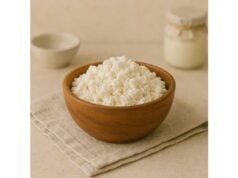
Curds and cheeses. Reindeer milk’s casein profile supports efficient curd formation and excellent yield. If you have rennet and basic cheesemaking supplies, you can produce a fresh, firm curd with minimal pressing. Light toasting or brief oven finishing creates the beloved squeak and caramelized aromas associated with Arctic “coffee cheese” traditions. Because milk composition drifts across lactation, coagulant dose and setting time may need small adjustments batch to batch.
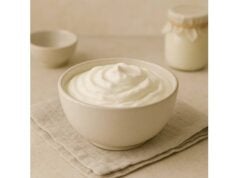
Fermentation. With lactose lower than cow’s milk, fermentation proceeds differently but still reliably with robust starter cultures. Expect dense, spoonable textures and bright acidity. Fermentation can add keeping quality, but it does not substitute for hygienic handling.
Flavor pairing. The milk’s richness welcomes acidity and bitterness. Good partners include:
- Tart berries (lingonberry, cloudberry), dark rye breads, and roasted mushrooms.
- Coffee or malted beverages, where the milk’s body softens bitterness.
- Savory herbs and wild greens; the fat carries aromatic compounds beautifully.
Nutrient retention tips.
- Protein: Stable with gentle heat; avoid prolonged boiling.
- Calcium and phosphorus: Largely retained. In cheesemaking, minerals concentrate in the curd; whey carries off some soluble fractions.
- Vitamins: Sensitive to heat and light; minimize open-pan simmering and store in opaque containers when possible.
- Fatty acids: Saturated fats are heat-stable; minimize high-heat frying of cheeses to reduce oxidation of minor unsaturated fractions.
Simple applications to try (small servings):
- Arctic-style toasted curd for coffee: Form a firm fresh curd, lightly toast until golden, cube, and serve in hot coffee.
- Creamy barley porridge: Finish cooked barley with warm reindeer milk, a pinch of salt, and a spoon of cloudberry jam.
- Savory custard: Whisk eggs with warmed milk and herbs; bake gently in a water bath for a silky, protein-dense side.
Food safety reminders in the kitchen. Wash hands, sanitize tools, and promptly chill leftovers. When serving outdoors or traveling, keep hot foods hot and cold foods cold.
Portions, comparisons and FAQs
Reasonable portions. Because reindeer milk is dense, treat it more like cream than a drinking milk. A practical portion is 120 ml (≈120 g) once to twice per week for most healthy adults who already meet protein needs. Athletes, people with very high energy expenditure, or those following clinical guidance may use different targets; as always, personalize based on your total diet.
How it compares to other milks (per 100 g, typical values):
- Reindeer: ~215 kcal, ~18 g fat, ~10–11 g protein, ~2–3 g lactose.
- Sheep: ~100–110 kcal, ~6 g fat, ~5–6 g protein, ~5 g lactose.
- Goat: ~69 kcal, ~4 g fat, ~3.5 g protein, ~4.5 g lactose.
- Cow (whole): ~61 kcal, ~3.3 g fat, ~3.2 g protein, ~4.8 g lactose.
Reindeer milk clearly stands apart for energy, protein, and richness in small volumes, while offering lower lactose than cow’s milk.
Who should limit or avoid it?
- Individuals with milk allergy or severe lactose intolerance.
- Those advised to restrict saturated fat or calories may prefer smaller portions or less frequent use.
- Pregnant people and immunocompromised individuals should avoid unpasteurized milk and choose pasteurized dairy only.
Is reindeer milk “better” than cow’s milk?
“Better” depends on goals. For compact protein and energy, reindeer milk delivers more per spoonful. For everyday hydration or low-calorie beverages, cow’s milk or fortified alternatives may suit you better. Sustainability comparisons are not straightforward because reindeer dairying is tiny; transporting small volumes long distances can dominate footprint.
Can I make yogurt with it?
Yes, but expect a very thick result. Use a reliable starter, keep incubation temperatures steady, and plan for shorter fermentation due to lower lactose. If it becomes too firm, whisk in a splash of pasteurized cow’s or goat’s milk for texture.
How can lactose-intolerant people approach it?
If you have lactose maldigestion and your clinician agrees, start with a very small amount in a mixed meal and monitor symptoms. Heating or fermenting may improve tolerance for some people, but not all. Lactase drops or tablets can help when used as directed.
Any special tips for chefs?
Think of it as a “concentrate” that carries flavors, sets firm gels, and enriches textures. Dose it where it matters—finishing a sauce, glazing grains, or shaping a distinctive cheese—rather than as a base liquid.
References
- Milk production and composition in reindeer (Rangifer tarandus): effect of lactational stage 2004 (Research Article)
- Compositional changes in the milk secreted by grazing reindeer. I. Gross composition and ash 1974 (Research Article)
- How Listeria Spread: Soft Cheeses and Raw Milk 2024 (Guidance)
- Raw Milk 2025 (Guidance)
- A comparative intervention trial of deer milk and an oral nutritional supplement efficacy for improving older adults’ nutritional status, muscle mass and physical performance 2023 (RCT)
Disclaimer
This guide is educational and is not a substitute for personalized medical advice, diagnosis, or treatment. Always consult a qualified health professional about food allergies, intolerance, pregnancy safety, and dietary changes—especially if you have medical conditions, take prescription medications, or belong to a higher-risk group for foodborne illness.
If you found this article useful, please consider sharing it with a friend or colleague on Facebook, X, or your preferred platform. Your support helps us keep creating clear, well-researched nutrition resources.