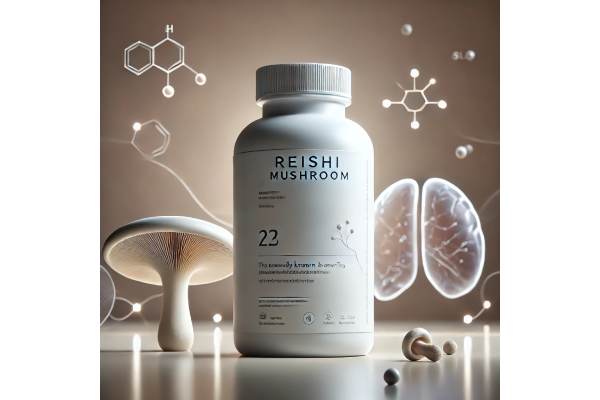
Reishi mushroom (Ganoderma lucidum), sometimes called “the mushroom of immortality,” has a long history in East Asian herbal traditions as a tonic for longevity, resilience, and balance. Today it appears in capsules, powders, teas, and liquid extracts marketed for immune support, stress management, and overall wellness. Modern research focuses on its rich mix of polysaccharides (especially β-glucans) and triterpenes, which seem to influence immune, metabolic, and inflammatory pathways.
Reishi is not a magic bullet, and it should never replace medical treatment. However, when used thoughtfully, it may offer gentle support for people dealing with frequent infections, high stress, poor sleep, or cardiometabolic concerns. Evidence from human trials is growing but still mixed; quality and dosage vary widely between products, which makes smart selection and realistic expectations essential.
This guide walks you through what reishi mushroom is, how it might work, typical benefits and uses, dosage examples, key safety issues, and how to discuss it with your healthcare provider.
Key Insights for Reishi Mushroom
- Reishi mushroom extracts may support immune balance, stress resilience, and cardiometabolic health when used consistently over weeks.
- The main active compounds are polysaccharides and triterpenes, which modulate immune signaling and inflammatory pathways rather than acting as simple stimulants.
- Common supplemental intakes range from about 500–1500 mg of standardized extract per day or 1–5 g of dried mushroom equivalent, with some clinical protocols using up to 5.4 g/day under supervision.
- People on anticoagulants, immunosuppressants, or diabetes medications, and those with autoimmune disease, liver disease, or upcoming surgery should avoid unsupervised reishi use.
Table of Contents
- What is reishi mushroom?
- Reishi mushroom benefits and common uses
- How reishi mushroom works in your body
- How to use reishi mushroom day to day
- Reishi mushroom dosage guidelines
- Side effects and who should avoid reishi mushroom
- What does the research say about reishi mushroom?
What is reishi mushroom?
Reishi is a woody, fan-shaped mushroom that grows on hardwood trees, especially in humid, forested regions of Asia. Its Latin name, Ganoderma lucidum, refers to its shiny “varnished” surface. In traditional Chinese and Japanese medicine, preparations from the fruiting body have been used for centuries as a superior tonic for “vital energy,” calm mood, and a long life.
Today, “reishi” on a supplement label can mean several different raw materials. The classic source is the fruiting body (the visible mushroom). Some products use the mycelium (the thread-like growth within grain) or the spores. Each has a distinct profile of polysaccharides, triterpenes, and other compounds. Fruiting-body extracts and spore-based products are usually richer in the triterpenes that give reishi its bitter taste.
Commercial reishi is typically grown under controlled conditions, dried, and processed into powders or extracts. Hot water extraction yields polysaccharide-rich material; alcohol extraction emphasizes triterpenes. Many modern supplements combine both, aiming to capture a broad spectrum of compounds.
It is important to distinguish between culinary mushrooms and concentrated extracts. You would need many grams of dried reishi mushroom to match the active compounds present in a few capsules of standardized extract. At the same time, “standardized” does not always mean “high quality” – you still need to look for credible brands, clear labeling, and ideally third-party testing.
Because naming is inconsistent, you may see reishi sold as lingzhi, red reishi, or Ganoderma lucidum extract. When in doubt, check which part of the mushroom is used, how it is extracted, and how much of the active components (often polysaccharides or triterpenes) each dose provides.
Reishi mushroom benefits and common uses
The most widely discussed benefit of reishi mushroom is its effect on the immune system. Instead of simply “boosting” immunity, reishi appears to help modulate immune activity. In some contexts it can enhance underactive responses; in others it may temper excessive inflammation. This is why it is often marketed for general immune support, especially in people who frequently catch colds or feel run down.
Human studies with purified β-glucans from reishi have shown changes in immune cell populations and function after daily supplementation for several weeks. For example, healthy adults taking a modest daily dose saw increases in T-lymphocyte subsets and natural killer (NK) cell activity without signs of toxicity. These shifts suggest that reishi can fine-tune key elements of innate and adaptive immunity when taken consistently.
Reishi is also used as an adaptogen – a plant or fungus that may help the body cope with stress. Many users report more stable energy, calmer mood, and improved sleep quality after several weeks of use. While research in this area is more limited, animal and preliminary human data indicate that reishi extracts can influence stress hormones, nervous system signaling, and inflammatory pathways linked to anxiety and fatigue.
Cardiometabolic health is another focus. Experimental and small clinical studies have explored reishi for high blood pressure, elevated cholesterol, and blood sugar imbalances. Some trials suggest modest reductions in LDL cholesterol or improved glucose control when reishi extracts are used alongside standard care, though results are not consistent across all studies. At present, it is more realistic to view reishi as a supportive adjunct rather than a primary treatment.
Finally, reishi has attracted interest in oncology, not as a cure but as a potential adjunct to conventional therapy. Research has examined its role in symptom relief, quality of life, and immune parameters in people undergoing chemotherapy or radiotherapy. Some studies report improvements in fatigue, appetite, or blood markers, but evidence is still preliminary and heterogeneous. Any use in this context should be coordinated closely with an oncology team.
How reishi mushroom works in your body
Reishi’s effects stem from a complex mixture of bioactive compounds, with polysaccharides and triterpenes being the best studied. Polysaccharides, especially β-1,3/1,6-glucans, are long chains of glucose that interact with pattern-recognition receptors on immune cells such as dectin-1 and complement receptor 3. When these receptors are engaged, they trigger signaling cascades that can increase or rebalance the activity of various immune cells, including macrophages, NK cells, and different T-cell subsets.
This pattern of signaling is often described as “immunomodulatory” rather than purely stimulating. In practice, that means reishi may enhance certain responses (for example, surveillance against pathogens or tumor cells) while lowering excessive, chronic inflammation. This dual capacity helps explain why it is being studied both in infectious disease and in chronic inflammatory or autoimmune conditions, though human data in autoimmune diseases remain limited and caution is essential.
Reishi’s triterpenes, sometimes called ganoderic acids, contribute another layer of activity. These bitter, fat-soluble molecules show antioxidant, anti-inflammatory, and potential hepatoprotective effects in experimental models. They appear to influence pathways involving NF-κB, oxidative stress markers, and enzymes related to liver detoxification and lipid metabolism. Some triterpenes also show direct cytotoxic effects on cancer cells in laboratory settings, though this does not automatically translate into clinical outcomes.
In metabolic studies, reishi polysaccharides and triterpenes have been linked to improved insulin sensitivity, reduced oxidative stress, and better liver histology in animal models of diabetes and fatty liver. Modulation of enzymes involved in glucose production and lipid handling appears to play a role. Human trials are smaller and more mixed, but they inform dosage and safety ranges for future research.
Reishi may also influence the nervous system. Preclinical data suggest it can modulate GABAergic and glutamatergic signaling, which could explain reports of calmer mood and better sleep. Some compounds cross-talk with pathways involved in neuroinflammation and oxidative stress in the brain. While intriguing, these mechanisms are not yet fully understood, and high-quality human studies on mood, cognition, and sleep are still in early stages.
Altogether, reishi’s actions are broad but subtle. It does not act like a fast-acting stimulant or sedative. Most of its potential benefits arise from gradual shifts in immune tone, inflammatory balance, and cellular resilience over weeks to months of regular intake.
How to use reishi mushroom day to day
Reishi supplements are available in several formats, and your choice affects both convenience and what you actually get in each dose. The most common forms are:
- Capsules or tablets containing powdered extract (often standardized to a percentage of polysaccharides or triterpenes).
- Loose powder (whole mushroom or extract) that can be added to smoothies, coffee, or food.
- Liquid extracts or tinctures, usually water, alcohol, or dual extracts taken by dropper.
- Tea or decoction, made by simmering dried slices for at least 20–30 minutes to extract water-soluble compounds.
For most people, capsules or standardized powders are easiest to dose reliably. Look for labels that specify the part used (fruiting body, spores, mycelium), the extraction method (water, alcohol, dual), and the standardized content of key constituents. A trustworthy product often lists both the extract ratio (for example, 10:1) and the equivalent amount of dried mushroom. Third-party testing for purity and contaminants is a strong plus.
Timing is flexible. Many people take reishi in the morning with breakfast, others in the evening for its perceived calming effect, and some divide the dose. Taking it with food can reduce the risk of stomach upset. Because reishi’s benefits rely on cumulative effects, regular use over weeks is more important than the exact time of day.
You can combine reishi with other supplements, but it is wise to keep combinations simple at first. Common pairings include vitamin C (which may support polysaccharide absorption), other mushrooms like shiitake or maitake, or adaptogens such as ashwagandha or rhodiola. If you already use herbs or medications that affect blood clotting, blood pressure, blood sugar, or the immune system, you should review any reishi regimen with a healthcare professional.
If you are new to reishi, starting low and building gradually is sensible. Begin with about one-half of the typical label dose for the first week to check tolerance, then move toward the intended daily amount. Pay attention to any changes in digestion, skin, energy, or sleep, and keep notes you can share with your clinician.
Finally, think in terms of cycles rather than permanent daily use. Many people use reishi for 6–12 weeks and then reassess with their practitioner, especially at higher doses. This approach leaves room to evaluate whether it is helpful for your specific goals and whether any adjustments are needed.
Reishi mushroom dosage guidelines
There is no single universal dosage for reishi mushroom. Studies and traditional practice use a wide range of amounts, depending on the preparation and purpose. However, some practical ranges can guide responsible use.
In traditional decoctions using dried fruiting body, intakes often correspond to roughly 3–9 g of dried mushroom per day, simmered in water and consumed as tea. Clinical studies using hot water polysaccharide extracts have employed doses roughly equivalent to 1.5–9 g of dried mushroom per day, sometimes more, under medical supervision. For example, one diabetes trial used a polysaccharide preparation totaling about 5.4 g per day over 12 weeks.
Modern standardized extracts are more concentrated, so typical supplemental intakes are lower by weight. Many commercial products provide 200–500 mg of extract per capsule, with suggested daily amounts around 500–1500 mg of extract. When the label states an extract ratio (such as 10:1), 500 mg of extract may reflect about 5 g of dried mushroom equivalent. For β-glucan–rich reishi products, human trials have used around 200 mg per day of purified β-glucan for about 12 weeks, with good tolerability.
For general wellness or mild immune support in otherwise healthy adults, a common pattern is:
- About 500–1000 mg per day of standardized extract (or roughly 1–3 g per day of dried mushroom equivalent), taken with food.
For targeted support under professional guidance (for example, during recovery from illness or alongside other therapies), doses may rise to:
- Around 1500–3000 mg per day of extract, or higher dried-mushroom equivalents, often divided into 2–3 doses.
Pushing beyond the upper end of clinical ranges offers no proven added benefit and may increase the risk of side effects, including digestive upset and liver strain, especially with long-term, high-dose use of powdered whole mushroom. Long-term daily use above a few grams of extract should only be undertaken with medical monitoring.
People with lower body weight, older age, multiple medications, or chronic illness generally benefit from staying at the low end of these ranges. As always, these are educational ranges, not personal medical prescriptions. Following the product’s label directions and checking with a knowledgeable clinician is essential.
Side effects and who should avoid reishi mushroom
Reishi is often well tolerated when used at moderate doses for limited periods, but it is not completely free of risk. Mild side effects are relatively common and usually dose related. These may include digestive discomfort (nausea, soft stools, diarrhea), dry mouth or throat, headache, skin itching, or a transient rash. Some people notice a light sedating or “heavy” feeling, especially when they start reishi or increase the dose quickly.
There have been isolated case reports of more serious reactions, such as liver injury, associated with reishi-containing products. In some cases the culprit was likely long-term use of high-dose powdered whole mushroom, often combined with other herbs or medications. These reports are rare compared with the large number of people using reishi, but they underline the importance of choosing reputable products, following dosing guidelines, and avoiding unnecessary megadoses. Anyone with existing liver disease or abnormal liver tests should use reishi only under specialist supervision, if at all.
Because reishi may influence blood clotting and blood pressure, caution is warranted for people taking anticoagulants (such as warfarin), antiplatelet drugs, or blood pressure medications. Combining reishi with these therapies could theoretically increase bleeding risk or enhance blood pressure lowering, particularly at higher doses. People scheduled for surgery are usually advised to stop herbal agents with potential effects on coagulation at least one to two weeks beforehand; reishi should be treated similarly.
Reishi’s immune-modulating properties also pose concerns in people with autoimmune disease or those taking immunosuppressant drugs after organ transplantation or for autoimmune conditions. In such situations, reishi could theoretically interfere with the desired level of immune suppression. It should not be used without explicit approval and monitoring from the treating specialist.
Pregnant and breastfeeding women, infants, and young children are generally excluded from reishi trials, and safety data in these populations are limited. For them, it is prudent to avoid reishi supplements unless a clinician with expertise in perinatal or pediatric herbal medicine recommends and supervises their use.
Anyone who develops symptoms such as jaundice, dark urine, severe fatigue, unexplained bruising, or persistent gastrointestinal upset while taking reishi should discontinue the supplement and seek prompt medical evaluation, bringing the product and dosing information to the appointment.
What does the research say about reishi mushroom?
Compared with many supplements, reishi mushroom has a substantial body of laboratory and animal research, and a moderate but still evolving human evidence base. A comprehensive monograph from a major medical reference series describes wide-ranging preclinical data on immune modulation, antioxidant effects, blood sugar regulation, liver protection, and antimicrobial activity. Human trials, while fewer and often smaller, broadly support biological activity but show mixed results for major clinical endpoints.
In oncology, randomized and controlled trials have examined reishi extracts as adjuncts to chemotherapy or radiotherapy. A detailed review of these studies notes that while some trials report improvements in immune parameters and quality-of-life measures such as fatigue and appetite, evidence for direct tumor shrinkage or survival benefits is limited and inconsistent. Overall, the quality of many cancer trials is modest, underscoring that reishi should not be positioned as an alternative to conventional cancer treatment.
Immune-focused research in otherwise healthy adults offers clearer signals. In a double-blind, randomized controlled trial, daily supplementation with a purified β-glucan derived from reishi at 200 mg for 84 days led to significant increases in T-cell subsets, NK cell counts, and NK cell activity, without detrimental changes in kidney or liver function tests. This suggests that well-characterized reishi β-glucan can meaningfully alter immune profiles at relatively modest doses while remaining well tolerated.
Recent comprehensive reviews synthesize data from dozens of experimental and clinical studies. They highlight reishi’s complex chemistry, including diverse polysaccharides, triterpenes, peptides, and other metabolites, and summarize evidence for antioxidant, antidiabetic, hepatoprotective, neuroprotective, and potential anticancer activities. These articles also emphasize challenges in standardization and quality control, as different species, strains, cultivation methods, and extraction techniques yield very different profiles of active compounds.
On the safety side, an up-to-date toxicological assessment of reishi and related mushroom powders found that typical supplemental doses were generally well tolerated in preclinical and human data, but also reiterated that rare cases of liver injury have been reported, particularly with high-dose, long-term use and multi-ingredient formulations. The authors stress the importance of product quality, realistic dosing, and clinician oversight in vulnerable populations.
In summary, the research landscape supports reishi as a biologically active medicinal mushroom with promising roles in immune modulation and supportive care, while also making clear that it is not a stand-alone cure for serious diseases. Its best use is as a carefully chosen, evidence-informed adjunct within a broader medical and lifestyle plan.
References
- Ganoderma lucidum (Lingzhi or Reishi) – Herbal Medicine – NCBI Bookshelf 2011 (Monograph)
- Ganoderma lucidum (Reishi mushroom) for cancer treatment – PMC 2016 (Systematic Review)
- Evaluation of Immune Modulation by β-1,3; 1,6 D-Glucan Derived from Ganoderma lucidum in Healthy Adult Volunteers, A Randomized Controlled Trial 2023 (RCT)
- Ganoderma lucidum—From Ancient Remedies to Modern Applications: Chemistry, Benefits, and Safety 2025 (Comprehensive Review)
- A toxicological assessment of Ganoderma lucidum and Cordyceps militaris mushroom powders 2024 (Toxicological Assessment)
Disclaimer
The information in this article is for educational purposes only and is not intended as a substitute for professional medical advice, diagnosis, or treatment. Reishi mushroom can interact with medications and may not be appropriate for everyone, especially people with chronic illness, those taking prescription drugs, pregnant or breastfeeding individuals, and children. Always consult your physician, pharmacist, or another qualified healthcare provider before starting, stopping, or changing any supplement, including reishi mushroom. Never ignore or delay seeking professional medical advice because of something you have read here.
If you found this guide helpful, you are warmly invited to share it with others on Facebook, X (formerly Twitter), or any platform you prefer, and to follow our work on social media. Your thoughtful support by sharing our articles helps our team continue creating clear, evidence-informed health content.